
When Not to Wear Brown Shoes? Key Situations to Consider
When choosing the right footwear, knowing when not to wear brown shoes can save you from a fashion misstep. Generally, you should avoid brown shoes in formal, business, or evening events where black shoes are the standard and expected choice. This guideline harks back to traditions set by style icons like Beau Brummell, who favored black for a more polished look.
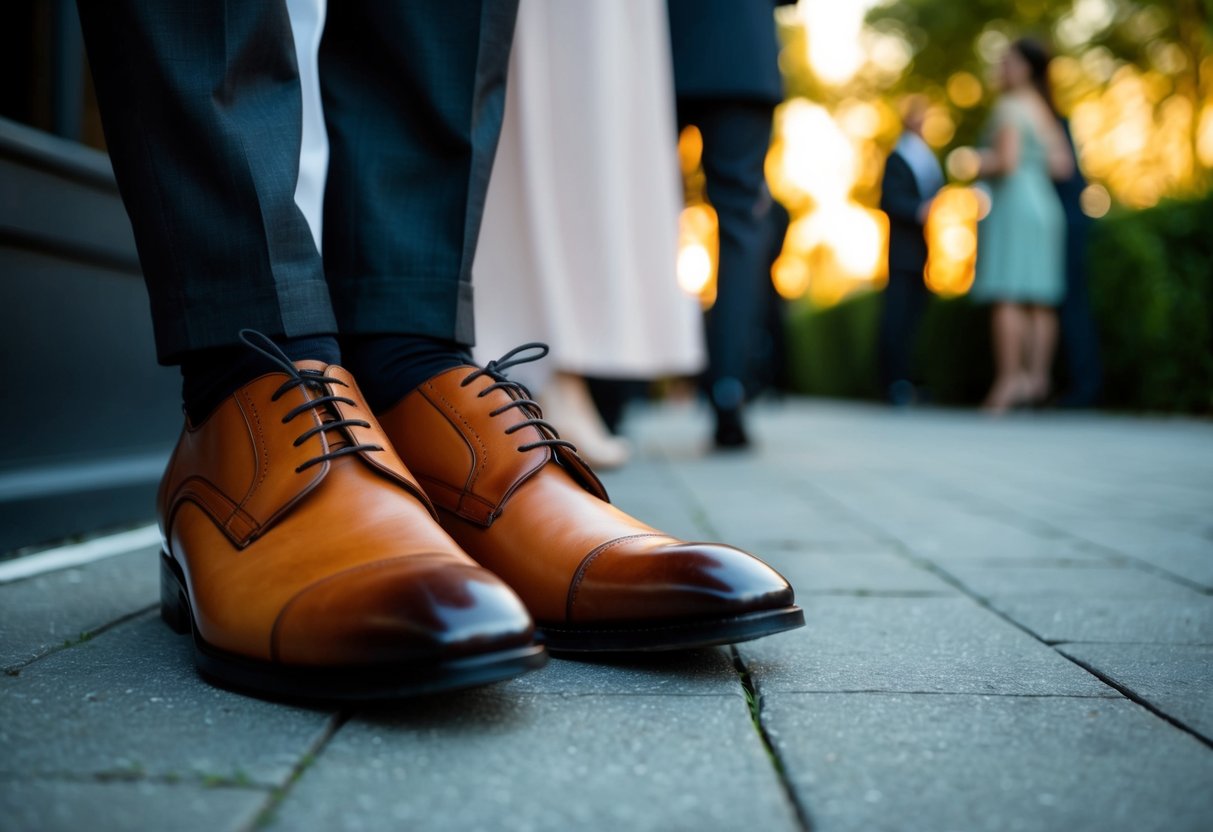
Many people often ask about wearing brown shoes in urban settings. In some cases, the saying “no brown in town” holds true, especially in professional environments. While brown shoes can be stylish and versatile, wearing them in certain workplaces may not convey the level of professionalism needed.
Understanding these rules will help you dress appropriately for various occasions. Remember, while style is personal, being mindful of these guidelines can make a positive impression in your daily life.
The Timeless Debate: Brown Vs Black Shoes
When choosing between brown and black shoes, history and modern fashion perspectives play vital roles. Understanding these factors can help you make informed decisions about when to wear each color.
Historical Context of ‘No Brown in Town’
The phrase “no brown in town” comes from a time when fashion rules were strict. This saying suggests that brown shoes were not suitable for city wear, especially in formal settings.
During the 19th century, style icons like Beau Brummell championed the elegance of black shoes. They became the gold standard for formal occasions. This led to a clear divide: brown for casual settings and black for more formal events.
While the rule has relaxed, many still consider black shoes the safer choice in structured environments, particularly in business settings.
Modern Perspectives on Shoe Color
In today’s fashion world, the debate between brown and black shoes continues. Many now accept brown shoes in various situations, including business casual and even some formal events.
You’ll find that brown shoes add a playful touch to your outfit, breaking the monotony of typical black footwear. Many workplaces have adapted to this change, allowing a more relaxed dress code.
However, at formal gatherings, black shoes often still reign supreme. They symbolize sophistication and tradition. It is crucial to match your shoes to the occasion for the best overall look.
Choosing the Right Occasion
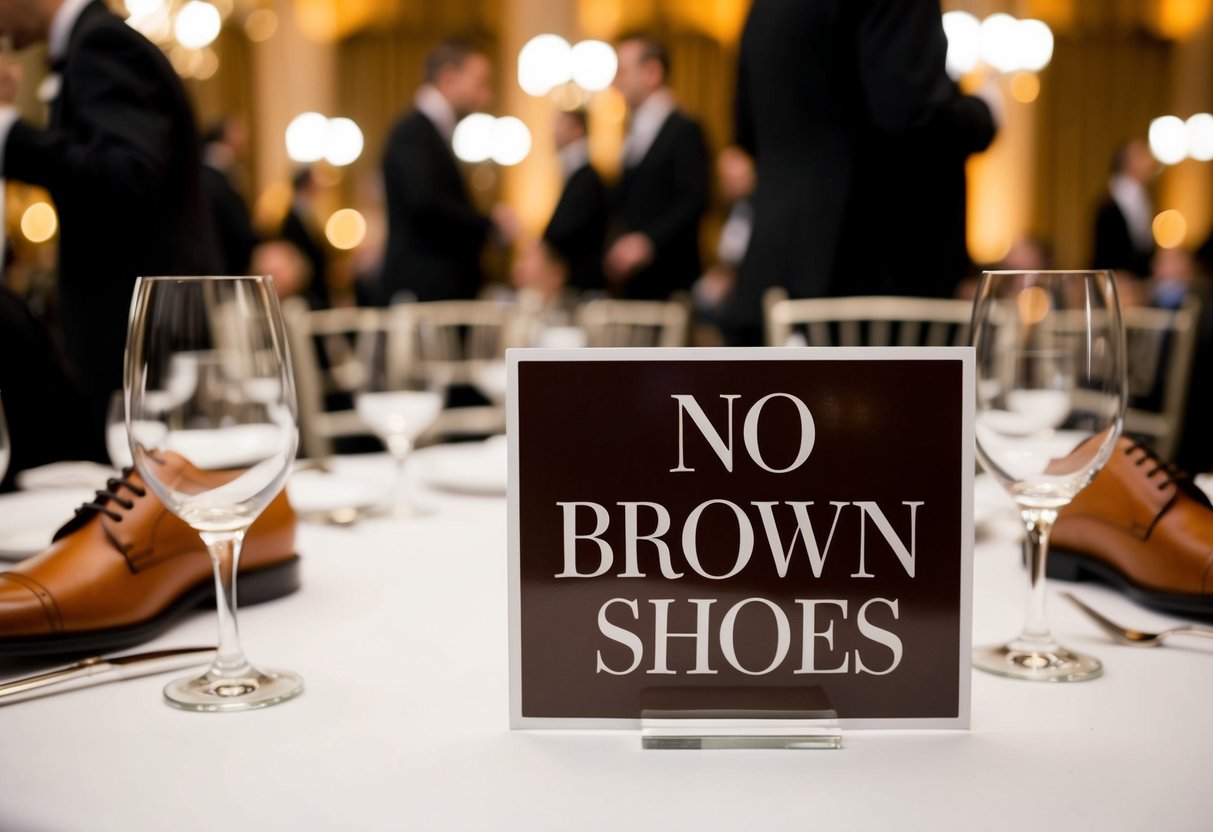
Wearing brown shoes can be stylish, but some occasions call for different choices. You should consider the event type and dress code carefully to ensure you make the right impression.
Formal Events and Black-Tie Dress Codes
For formal events, such as weddings or black-tie dinners, brown shoes are usually not acceptable. Instead, opt for classic black dress shoes. They pair well with tuxedos and formal suits, helping you maintain a polished look.
If you’re wearing a charcoal grey suit or navy suit, black shoes enhance the formal aesthetic. Brown shoes can look out of place, especially in evening settings or when attending high-profile occasions. Stick with black to keep your style in line with traditional expectations.
Business Casual and Versatility
In a business casual setting, the rules can be a bit more flexible, but caution is still essential. While brown shoes can work well with certain outfits, avoid wearing them in highly formal environments or important meetings.
If your outfit includes a navy suit or smart khakis, brown shoes can add a touch of style. However, make sure they are clean and well-polished. You can choose brown loafers or Oxfords to exude professionalism while staying comfortable.
Casual Outings and Personal Style
When it comes to casual outings, brown shoes allow you to express your personal style. They work great with jeans, shorts, or light chinos. Opt for casual brown shoes, like loafers or sneakers, to keep your look relaxed and laid-back.
That said, avoid wearing them in places where more polished footwear is expected, like upscale restaurants or formal gatherings. Always consider the vibe of the location. Being mindful of the occasion ensures your outfit remains appropriate while reflecting your personality.
Selecting Shoe Styles and Materials
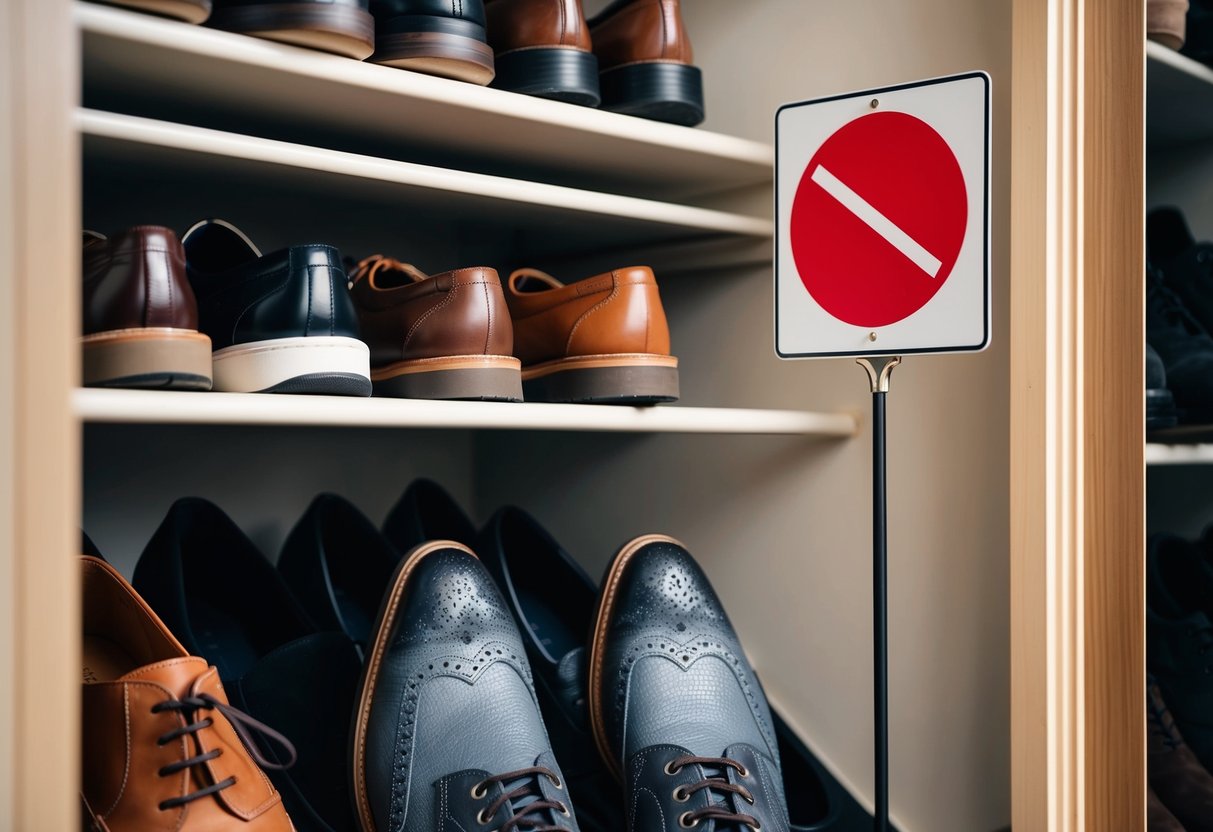
Choosing the right shoe style and material can enhance your outfit and ensure you make a good impression. Understanding the differences between various types of shoes will help you decide when brown shoes are a suitable choice.
Oxfords and Brogues for a Classic Look
Oxfords are known for their closed lacing and sleek appearance, making them a staple in formal wear. They work well with suits and dressier outfits, especially in brown leather. A pair of brown Oxfords can add warmth to your look without being too flashy.
Brogues offer a similar elegance but with added decorative perforations. These details can make your outfit stand out while keeping it classy. Opt for medium to dark brown leather when choosing brogues, as this choice maintains a formal, polished feel suitable for business meetings or weddings.
Loafers and Derby Shoes for Relaxed Elegance
Loafers are perfect for a more casual yet refined style. They slip on easily, making them great for both work and social events. Choose brown leather or suede loafers for a versatile option that pairs nicely with chinos or dress pants.
Derby shoes have open lacing and a slightly wider fit than Oxfords, making them more comfortable for all-day wear. Brown Derby shoes are an excellent choice for semi-formal occasions, where you want to look sharp without appearing too stiff. They combine well with smart-casual outfits and are a good pick for outings in relaxed settings.
Suede and Leather Variances
When selecting materials, consider the look and feel you want. Leather is durable and offers a polished, classic appearance.
Brown leather shoes can suit many occasions, from business settings to social gatherings.
Suede, on the other hand, provides a softer look and feel. It’s ideal for more casual outings and works beautifully in loafers or boots.
Keep in mind that suede is less formal than leather, but it can still look chic.
For a more striking option, consider patent leather. While often reserved for formal occasions, a pair of brown patent leather shoes can make a bold statement.
Choose wisely based on the event and remember to care for your shoes to maintain their appearance.