
When Parents Are Divorced: Who Walks the Bride Down the Aisle?
Planning a wedding can be exciting yet challenging, especially when family dynamics come into play.
If your parents are divorced, you may wonder about the tradition of who walks you down the aisle. The good news is that many modern weddings have various options, allowing you to choose what feels right for you and your family.
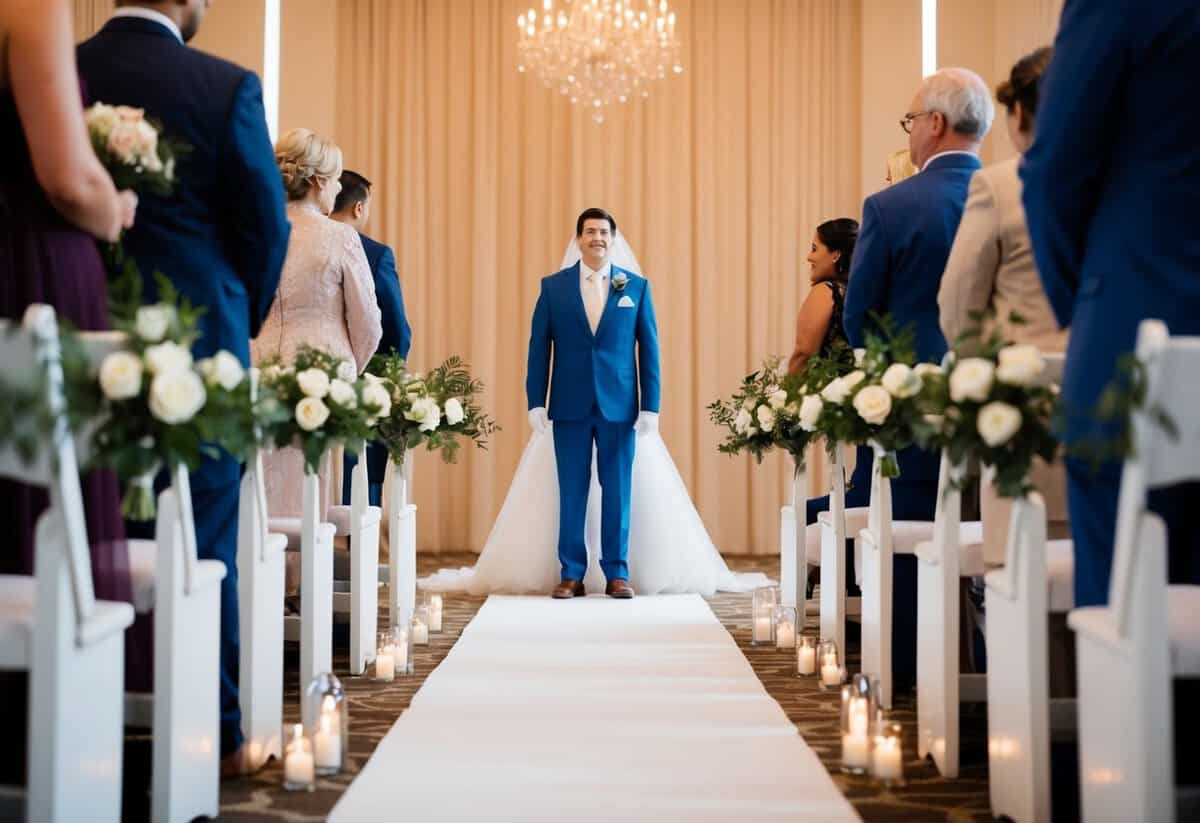
You can decide whether to have your father, stepfather, or both escort you on your special day. Some brides even opt to walk alone or with another loved one, like a sibling or grandparent, to honor those important relationships. Embracing these modern choices can help create a meaningful moment that respects your family’s unique situation.
Ultimately, it’s about celebrating your love while navigating the complexities of family dynamics. Choosing who walks you down the aisle can set a positive tone for your wedding and show how you blend traditions with your own story.
Considering Family Dynamics and Communication
When planning your wedding, it’s essential to consider the feelings and roles of all family members involved.
Open communication can help ease potential tensions and ensure everyone feels included in your special day.
Handling Delicate Conversations
Talking to your biological parents about their roles in your wedding can be sensitive. You need to approach these discussions with tact and diplomacy.
Start by expressing your desire to honor both of them equally. Make it clear that you value their support.
You might suggest a family meeting to discuss how everyone feels. This creates a space where everyone’s opinions are heard. Be prepared to address any concerns, especially if one parent has a new partner. It’s important to include them in the conversation, as their feelings matter too.
The Role of Step Parents in the Ceremony
Including stepparents in the ceremony can be a thoughtful gesture. If you have a stepfather, consider asking him to join your biological father in walking you down the aisle. This shows respect for all parental figures in your life.
If you’re unsure about how to include stepparents, ask them directly how they would like to be involved. Their input will help shape a meaningful role. Remember, family politics can be tricky, so keep lines of communication open to avoid misunderstandings. Balancing feelings can bring everyone closer together as you celebrate your wedding.
Traditions and Innovations
When parents are divorced, navigating wedding traditions can be challenging. You may want to keep some customs while also adapting to modern practices that reflect your family’s unique situation.
Respecting Wedding Traditions
One of the most cherished wedding traditions is the act of giving away the bride. Typically, this role is held by the father of the bride. This gesture symbolizes the uniting of two families and shows support for the couple’s new life together.
If your father is still involved in your life, he can walk you down the aisle. However, if the relationship is strained or you want to include both parents, you can adjust this tradition. Some brides choose to have both parents walk them down the aisle, showing recognition to both sides of the family.
Embracing Modern Changes
Modern weddings often reflect a mix of personal choice and tradition. Couples today embrace creativity when deciding who walks them down the aisle.
For example, you might opt for a step-parent or a beloved relative to escort you. This approach respects family relationships while honoring your unique story.
Using phrases like “my family” when asked who gives the bride away can be a respectful way to acknowledge everyone’s role in your life. This allows you to create a ceremony that feels right for you and your loved ones. Traditional roles can be reshaped in a way that celebrates your journey and your loved ones’ support.
The Main Event: Walking Down the Aisle
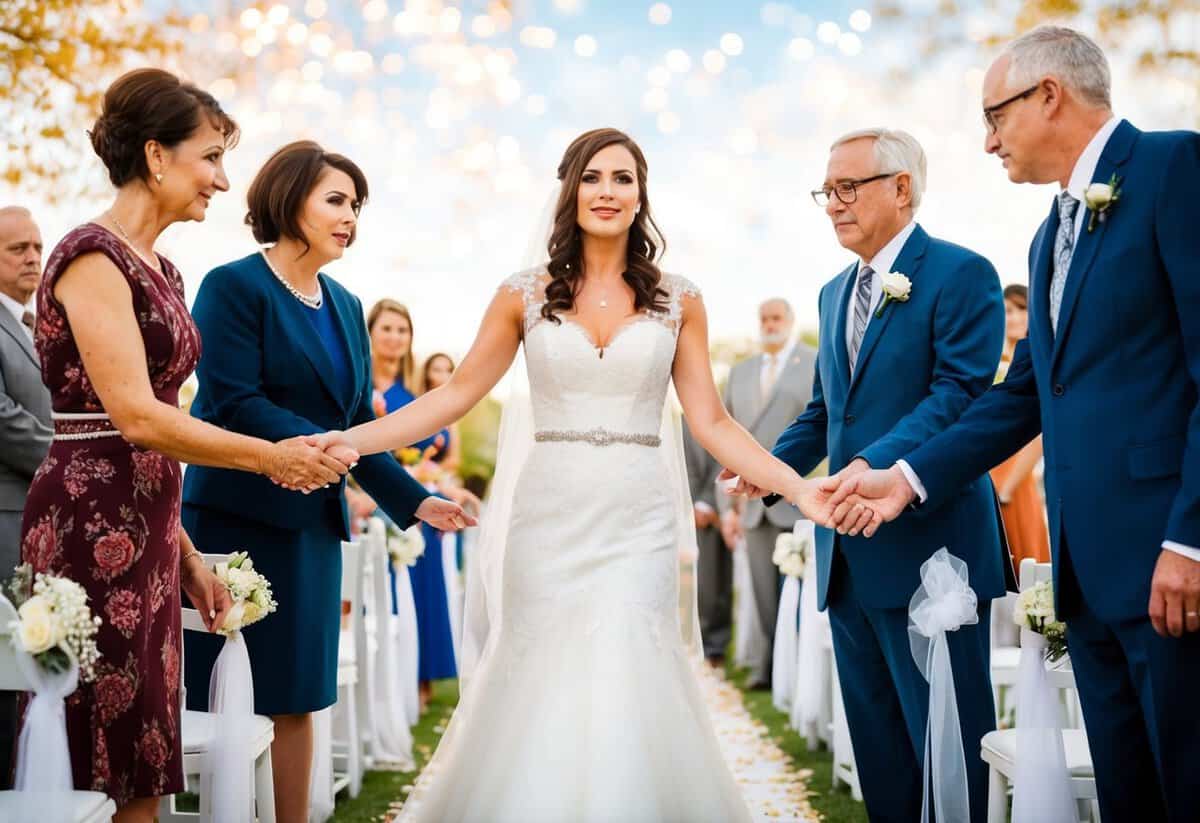
Choosing who will walk you down the aisle can be an emotional and significant decision, especially when parents are divorced. It’s important to consider family dynamics and your personal feelings as you make this choice.
Who to Choose When Parents Are Divorced
When it comes to walking down the aisle, you have several options to consider. Traditionally, the biological father often has this honor, but this may not always feel right for you.
If your relationship with your father is strained, consider involving a stepfather instead. This can honor both your biological father and stepfather, showing respect for their roles in your life.
You might also choose to have both parents walk you down the aisle. This option promotes unity and acknowledges your family’s complex dynamics. Sometimes a close friend can fulfill this role if family ties feel too complicated. Think about what feels most comfortable for you.
Coordinating the Processional
Coordinating the processional requires careful planning, especially with divorced parents. Start by talking openly with the individuals involved about your wishes. Discuss how the processional will unfold.
You might create a list that outlines who walks in which order. If both parents are involved, you can have them walk you down together or stagger their entrances. You could also include stepparents, which adds another layer of support.
Don’t forget to discuss this with your wedding planner or coordinator. They can help smooth out any potential tensions and ensure everyone knows their role for the big day. Clear communication will help make the process seamless and enjoyable for everyone involved.
Post-Ceremony Considerations
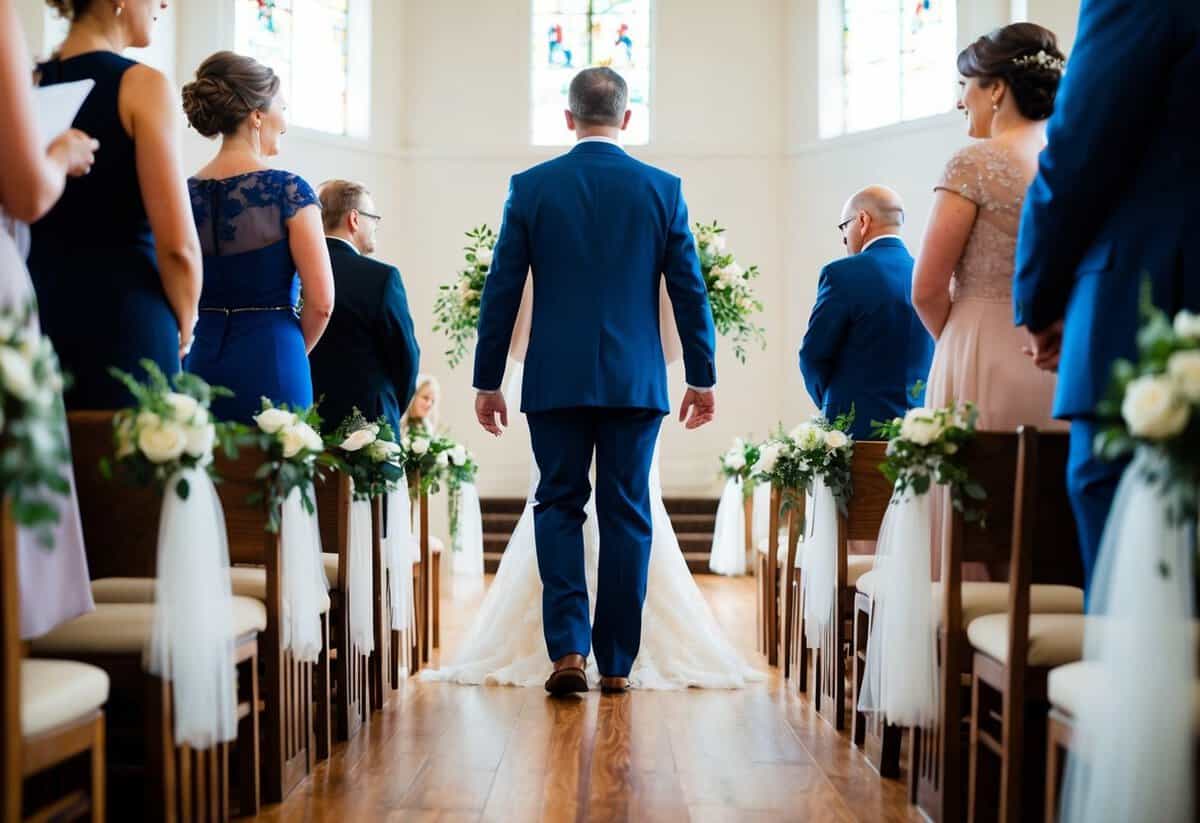
After the ceremony, there are several important factors to keep in mind. These include how to arrange seating effectively and how to handle traditional elements that may involve divorced parents.
Effective Seating Strategies
Seating arrangements can greatly impact the comfort of everyone involved. Consider creating a thoughtful seating plan that allows divorced parents to sit at a distance, if necessary. You might seat one parent at the front and the other further back to avoid tension.
For your wedding breakfast, think about a sweetheart table. This allows you and your partner to sit together while giving space for your families. In addition, consider a seating chart that clearly indicates where guests should sit to avoid confusion.
Include a mix of family members and friends at each table, which helps create a relaxed atmosphere. Discuss your seating plan with someone in your family or a wedding planner to make final decisions that work best for everyone.
Navigating Post-Ceremony Traditions
Traditional elements like the receiving line, family photos, and dances can be sensitive when parents are divorced. The receiving line is a great way to greet guests, but you can adjust it to ensure everyone feels comfortable.
For family photos, discuss the best arrangements in advance. You might choose to have photos with one parent at a time to reduce any awkwardness.
During the wedding reception, think about how to handle special moments like the father-daughter dance. You can opt to dance with both parents or select another family member to join you.
Keep communication open during the wedding planning. Knowing each other’s preferences can help everyone enjoy the day without added stress.