
When People Don’t Show Up to Your Wedding: Understanding the Reasons and Moving Forward
Planning your wedding is an exciting time, but it can also bring unexpected challenges, especially when it comes to your guest list. You may find yourself wondering what to do when some guests don’t show up on your big day. Understanding the reasons behind wedding no-shows can help you manage your expectations and plan accordingly.
Sometimes, life gets in the way, and guests may have valid reasons for missing your celebration, such as illness or scheduling conflicts. It’s important to remember that these things happen. Knowing how to handle RSVP responses and potential no-shows can alleviate some stress.
Creating a detailed guest list and sending out reminders can help ensure that your loved ones are there to celebrate with you.
While no-shows can be disappointing, they don’t have to ruin your special day. Taking the time to follow up with guests who couldn’t make it can provide closure and keep your relationships strong.
By being prepared and informed, you can focus on enjoying your wedding while keeping any surprises at bay.
Crafting Your Wedding Invitations
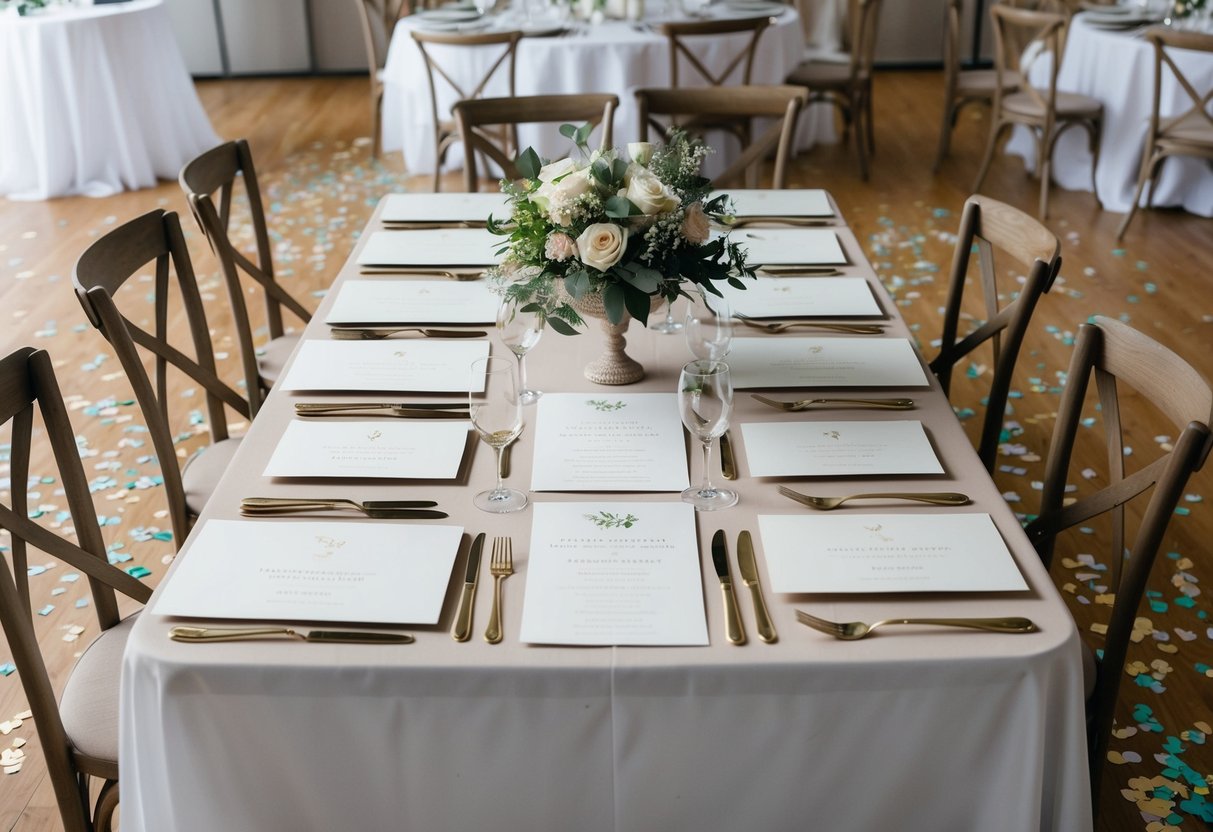
Creating your wedding invitations is a crucial step in planning your big day. The right invites set the tone for your celebration and help ensure that your guests know how to respond. Here are some key aspects to consider for effective communication.
RSVP Etiquette and Timing
When designing your invitations, always include an RSVP card. Make sure it has a clear RSVP date, typically specified as “Please respond by [date],” so guests know when to reply. This allows you to finalize your guest count ahead of time.
Adding a line like “We hope to see you there!” can encourage your guests to respond.
Remember to factor in time for guests to receive and send back their RSVP cards. Sending save-the-dates can also help prompt early responses.
It’s polite to mention the importance of RSVP in your invitation, highlighting that their presence matters greatly to you. Consider including an email or phone number for guests to confirm if they prefer not to use the traditional card.
Clear Communication on Invites
Your wedding invitation should provide all essential details in a clear and concise manner. Start with the hosts’ names, followed by a warm invitation line. Include the couple’s names, the wedding date, time, and venue.
To avoid confusion, make sure the details are easy to read and organized. Using bullet points can help present the information clearly.
It’s also helpful to specify whether children or plus-ones are invited.
Don’t forget to remind guests about dress codes or special instructions, if any. Being straightforward in your invites helps guests understand what to expect and how to prepare, leading to a smoother experience for everyone involved.
Managing and Understanding RSVPs
Navigating RSVPs can be tricky, especially when guests forget to respond or don’t show up. Knowing how to handle these situations helps ensure your wedding runs smoothly and remains stress-free.
Dealing With Missing RSVPs
When you have missing RSVPs, it can feel overwhelming. Start by following up with your guests. A friendly phone call or text can jog their memory. Many people forget to reply, so a gentle reminder is often appreciated.
If you still have non-responders after multiple attempts, consider these strategies:
- Set a clear deadline: Make sure your invitation states when RSVPs are due.
- Assume a no-show: If the deadline passes and you haven’t heard from them, you may want to plan without them.
It’s common for about 15% of guests to not respond. This means you should be ready to adjust your final headcount accordingly.
Adjusting for Unexpected Guests
Unexpected guests can alter your plans, so prepare for this possibility. It’s wise to pad your vendor contracts by an extra 5-10 people. This way, if a non-rsvp or unexpected guests show up, you’ll have enough food and seating.
Before finalizing any arrangements, consider these steps:
- Track your RSVPs: Keep a list of who has replied and who hasn’t.
- Communicate with your vendors: Let them know about potential changes in numbers.
By planning for these situations, you can easily accommodate surprises.
Handling No-Shows and Last-Minute Changes
Planning a wedding comes with many moving parts, and no-shows can add to the stress. Understanding their impact and exploring ways to minimize them can help you feel more in control on your special day.
Impact of No-Shows on Wedding Planning
When a guest does not attend your wedding, it can affect several aspects of your planning. First, you’ve likely based decisions on your RSVPs, including seating charts and catering numbers. A missing guest can create an awkward situation with seating, especially if you’ve arranged specific placements.
Moreover, caterers often require a final headcount, which means paying for meals that won’t be used. This can lead to wasted resources.
Common reasons for no-shows include unforeseen circumstances such as family emergencies or childcare issues. While you can’t control these events, you can prepare for them and adjust your mindset to focus on those who are there to celebrate with you.
Strategies for Minimizing No-Show Guests
To reduce the chances of no-shows, clear communication is key. Make it easy for guests to RSVP, whether through email, text, or an online platform. Sending reminders a few days before the wedding can help ensure your guest list remains accurate.
Another strategy is to offer help with childcare for families attending. This can ease concerns about leaving kids with a babysitter or missing celebrations.
Consider personal touchpoints, like calling guests who replied “yes,” to ensure they’re still able to attend. By engaging with families and friends, you can reduce uncertainty and improve guest attendance on your big day.
Post-Wedding Etiquette
After your wedding, you may wonder how to handle those who didn’t show up. It’s important to stay gracious while ensuring that your relationships remain intact. Here’s how to navigate the situation.
Following Up with No-Show Guests
It’s a good idea to reach out to guests who didn’t attend. A simple message expressing that you missed them can go a long way.
Consider phrasing like, “We missed celebrating with you!” This keeps things light and friendly. If you feel comfortable, ask if everything was okay on their end.
Sometimes, guests forget to RSVP or have last-minute issues, such as illness or travel problems.
A friendly reminder can help them feel connected to your special day, even if they couldn’t be there. If they express regret, it can strengthen your bond and clear any awkwardness about their absence.
Reviewing Guest List After the Event
After the event, take some time to review your guest list, especially if you had an adults-only or destination wedding. Look at RSVPs and compare them to who actually attended.
This can help you understand any patterns or reasons for no-shows. For example, some guests may have felt uncomfortable attending due to the event’s location or size.
Understanding these dynamics helps for future planning, making your next event even better.
Also, keep in mind etiquette advice from experts like Emily Post. Reflecting on these insights can enhance your future gatherings and engagements.