
When Should a Bride Get Her Dress? Timelines and Tips for the Perfect Fit
Choosing the right time to buy your wedding dress is a vital part of your wedding planning journey. Generally, you should start shopping for your dress about 6 to 9 months before your special day. This timeline allows ample time for ordering, fittings, and any necessary alterations to ensure the dress fits perfectly.
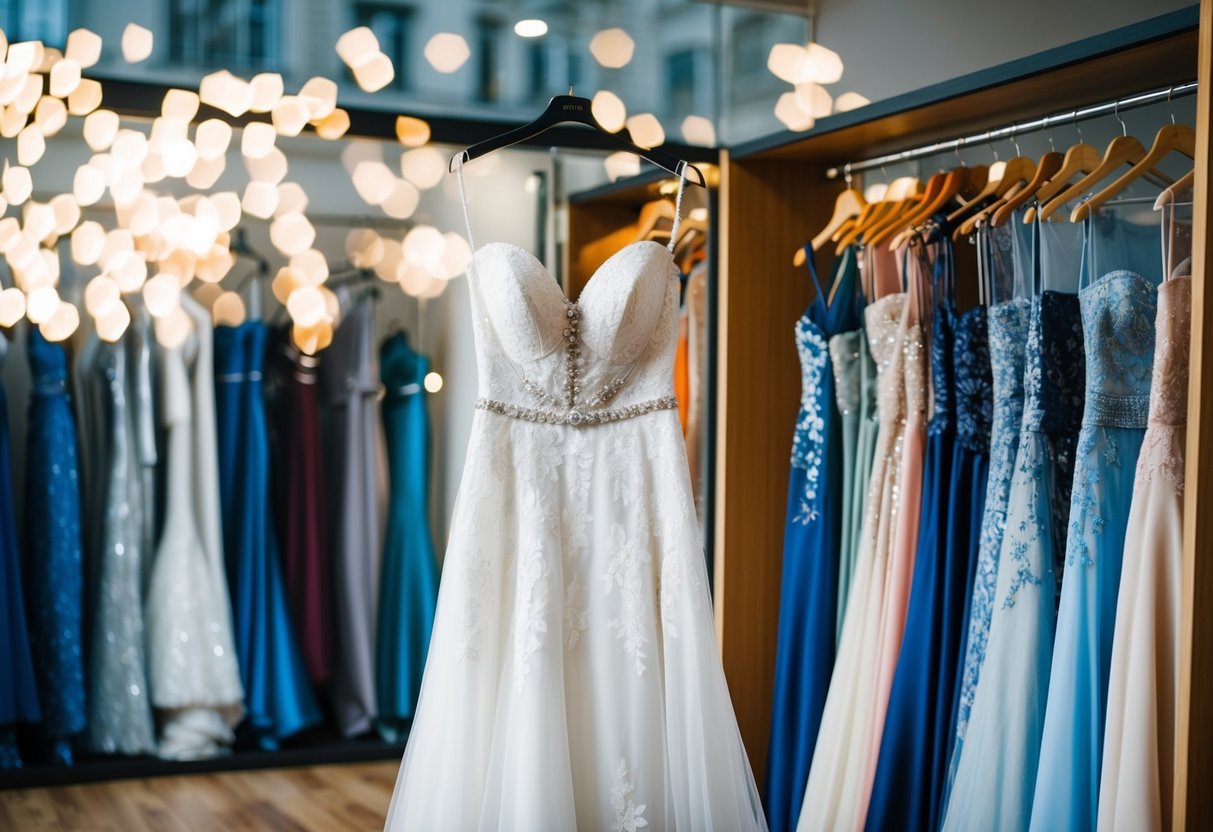
During your engagement, you’ll likely have many decisions to make, and selecting your wedding attire should be a priority. By beginning your dress search early, you can explore various styles, fabrics, and designers to find the perfect gown that reflects your personality and vision for the day.
Every bride deserves to feel beautiful and confident walking down the aisle, so taking the time to secure your dress will help ease some of the stress as your wedding date approaches. Embrace this exciting part of the planning process and enjoy finding the dress of your dreams!
Timing Your Wedding Dress Purchase
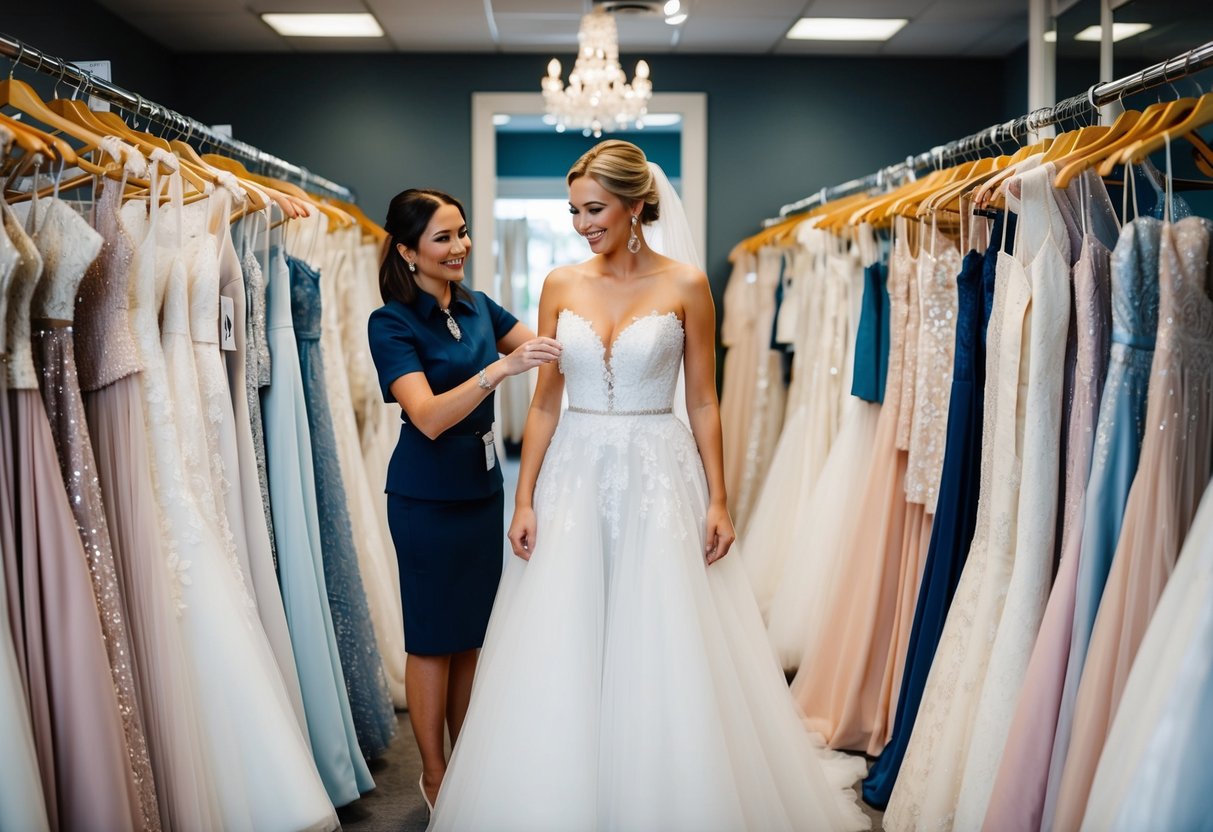
Choosing the right time to buy your wedding dress is key to a smooth planning process. To ensure you get the perfect dress, consider the timeline associated with wedding dress shopping and how your wedding date and venue can influence those decisions.
Understanding the Wedding Dress Timeline
Most experts recommend that you start shopping for your wedding dress between eight to ten months before your wedding. This timeframe allows ample time for production and alterations. Some dresses can take up to five months to arrive, so planning ahead is crucial.
Begin by visiting multiple salons and exploring different styles. Note that some bridal shops may have seasonal sales, making certain times ideal for browsing. Don’t rush your decision; take time to try on various designs that reflect your style.
Setting a budget early also helps streamline your search. Remember to account for additional costs such as alterations, accessories, and maintenance. Starting early not only reduces stress but also ensures you have enough time for fittings and adjustments.
Accounting for Wedding Date and Venue
Your wedding date and venue significantly affect your shopping timeline. Consider the season when planning your dress. For example, if you’re getting married in the spring or summer, you will want to shop early to find light, breathable fabrics.
Also, think about your venue. If you are having a formal ceremony in a grand hall, you might prefer a more elaborate gown. On the other hand, a beach wedding may call for a simpler, flowy design.
Engagement length can also dictate how much time you have. If your engagement is shorter, start dress shopping immediately after the proposal. This proactive approach ensures you find the right dress for your special day without feeling rushed.
Choosing the Perfect Dress
Finding the right wedding dress involves knowing your personal style and understanding how different styles flatter your body shape. It’s also important to explore various bridal boutiques and salons that can provide a wide range of options tailored to your unique look and theme.
Determining Your Style and Body Shape Compatibility
Start by identifying your body shape, as it will help narrow down suitable dress styles. Common body shapes include:
- Hourglass: Fitted silhouettes, like mermaid or sheath dresses, highlight curves.
- A-Line: Great for pear-shaped figures, this style flares from the waist down.
- Rectangle: Look for dresses with volume, like ball gowns, to create curves.
Consider your personal style too. Are you drawn to classic elegance, bohemian vibes, or modern minimalism? Think about fabric, neckline, and sleeve options. Each detail contributes to your bridal look. Don’t forget to consider your wedding theme, as this can also guide your choices.
Exploring Bridal Boutiques and Salons
Visiting bridal boutiques and salons is a key step in the dress selection process. Start with local shops known for their diverse selections. Many boutiques offer expert staff who can help you find a bridal gown that matches your style and body shape.
When you go to a salon, make an appointment. This allows for a personal experience and dedicated time with a stylist. Try on various styles to see what feels right. Take notes on what you love and what doesn’t feel comfortable.
Don’t hesitate to explore different shops, as each may carry unique brands and designs. Remember, it’s all about finding the right match for your special day.
Navigating the Dress Shopping Experience
Finding the perfect wedding dress is a journey filled with excitement and choices. To help make your shopping experience smooth, consider important aspects like budgeting, who to bring along, and timing for sales or rentals.
Setting a Budget and Considering Options
Before you start shopping, it’s essential to set a budget for your wedding dress. Prices can vary widely, so knowing your limit can guide your choices.
- Consider all costs: Your budget should include not just the dress but also alterations, accessories, and any necessary undergarments.
- Explore options: You can choose an immediate purchase, which lets you take home an off-the-rack wedding dress, or consider custom gowns that may take longer.
Research brands and shops to find what fits within your budget. Many boutiques offer gowns in various price ranges, so keep an open mind while you explore.
Bringing Your Wedding Dress Shopping Crew
Choosing who to bring with you on your dress shopping journey is critical. Your wedding dress shopping crew can greatly influence your experience. Here are some tips to consider:
- Select trusted friends or family: Bring people whose opinions you value. They can help you feel supported and offer honest feedback.
- Limit distractions: Too many opinions can confuse you. A small group is often more helpful than a large crowd.
Make sure to inform your crew about your budget and any styles you like. This can keep everyone on the same page and make shopping more enjoyable.
When to Consider Sample Sales or Rentals
Sample sales and rentals offer great options if you’re looking for a lovely dress without a hefty price tag.
- Sample sales: These events allow you to purchase runway or boutique samples at a lower cost. Be ready to act quickly, as these dresses are often sold on a first-come, first-served basis.
- Rentals: If you want to save money and wear something stunning, consider wedding dress rentals. This option is especially great for trendy or designer pieces that you may not want to keep.
Look for local shops that announce these sales and plan ahead so you don’t miss out on the best selections.
Managing Alterations and Final Touches
Getting your wedding dress ready is a crucial part of your planning. Managing alterations and adding final touches helps ensure that your gown fits perfectly and looks amazing on your big day.
Scheduling Fittings and Alterations
Start scheduling fittings about 6 to 8 months before your wedding. This gives your dressmaker enough time to make necessary alterations without rushing. Each bride’s body changes, so having multiple fittings can be key.
- First Fitting: Focus on the main fit, such as the bodice and hem.
- Second Fitting: Make adjustments based on your body changes or style preferences.
- Final Fitting: This should occur about a week before the wedding. Confirm that everything fits perfectly and make last-minute tweaks if necessary.
Remember to discuss timelines with your tailor. Some alterations may require extra time, especially for complex changes. Inform them about any accessories you plan to wear for the fittings, such as your wedding shoes.
Accessorizing with Shoes, Lingerie, and More
Don’t forget about the essentials that will enhance your overall look. Choosing the right wedding shoes is important since they affect the dress hem length. Bring your shoes to fittings to ensure proper adjustment.
Also, consider what lingerie you’ll wear. Supportive and well-fitted pieces can enhance your gown’s silhouette.
Packing everything in a garment bag helps keep your dress safe until the big day. Make sure you also factor in time for hair and makeup trials. This will ensure your look is cohesive with the dress.
If you’re on a tight schedule, check for any possible rush fees with your tailor to avoid last-minute stress.