
When Should a Bride Not Wear White? Exploring Alternative Bridal Attire Options
Choosing the perfect wedding dress is a significant decision for any bride. While many opt for the traditional white gown to symbolize purity and innocence, some situations might not be the best choice for wearing white. If the wedding has specific cultural or personal reasons that favor other colors, it’s essential to consider those before deciding on your attire.
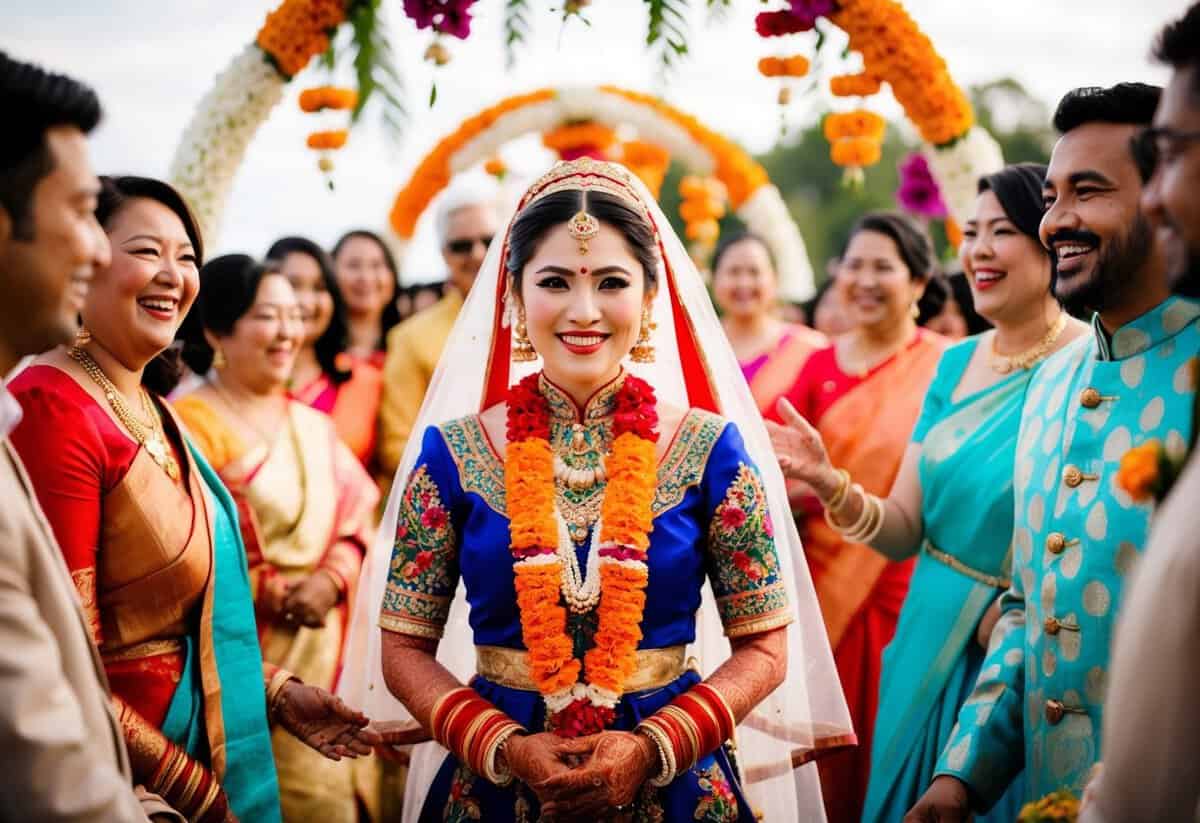
Historically, the white wedding gown became popular thanks to Queen Victoria in the 19th century, but not all brides feel that this color represents their style or story. Some might want to wear colors that reflect their personality or heritage, which can add a personal touch to their big day.
For example, if you’re celebrating in a way that honors your family traditions, there may be a specific color that holds special meaning.
Ultimately, your wedding day is about you and what makes you feel beautiful. It’s perfectly fine if your perfect gown is not white. The important thing is that you choose a dress that feels right for you and the celebration you envision.
The History and Significance of White in Bridal Wear
The tradition of brides wearing white is rich with history and cultural meaning. Understanding its origins and what it symbolizes can help you appreciate the choice of color for your big day.
Origin of the White Wedding Dress
The custom of wearing a white wedding dress began with Queen Victoria of England. In 1840, she wore a white gown for her marriage to Prince Albert. This choice was unusual at the time since brides typically wore dresses in various colors.
Queen Victoria’s dress was made of delicate white silk satin, highlighting her purity and virtue. After her wedding, many brides started to emulate her style. Wearing white soon became a symbol of wealth, as these gowns were more expensive to maintain versus colored dresses that could be worn multiple times.
Cultural Significance of Color
In many cultures, white symbolizes purity and innocence. This idea has been vital in shaping the perception of brides on their wedding day.
The association with purity also reflects traditional values and societal expectations. By choosing white, brides often wish to represent a fresh start, emphasizing their commitment to their partner.
While this tradition remains strong in Western cultures, some brides from diverse backgrounds may opt for different colors. These choices often reveal personal stories and cultural beliefs, allowing them to express their identity on one of the most important days of their lives.
When Opting for Colors Other Than White Is Ideal
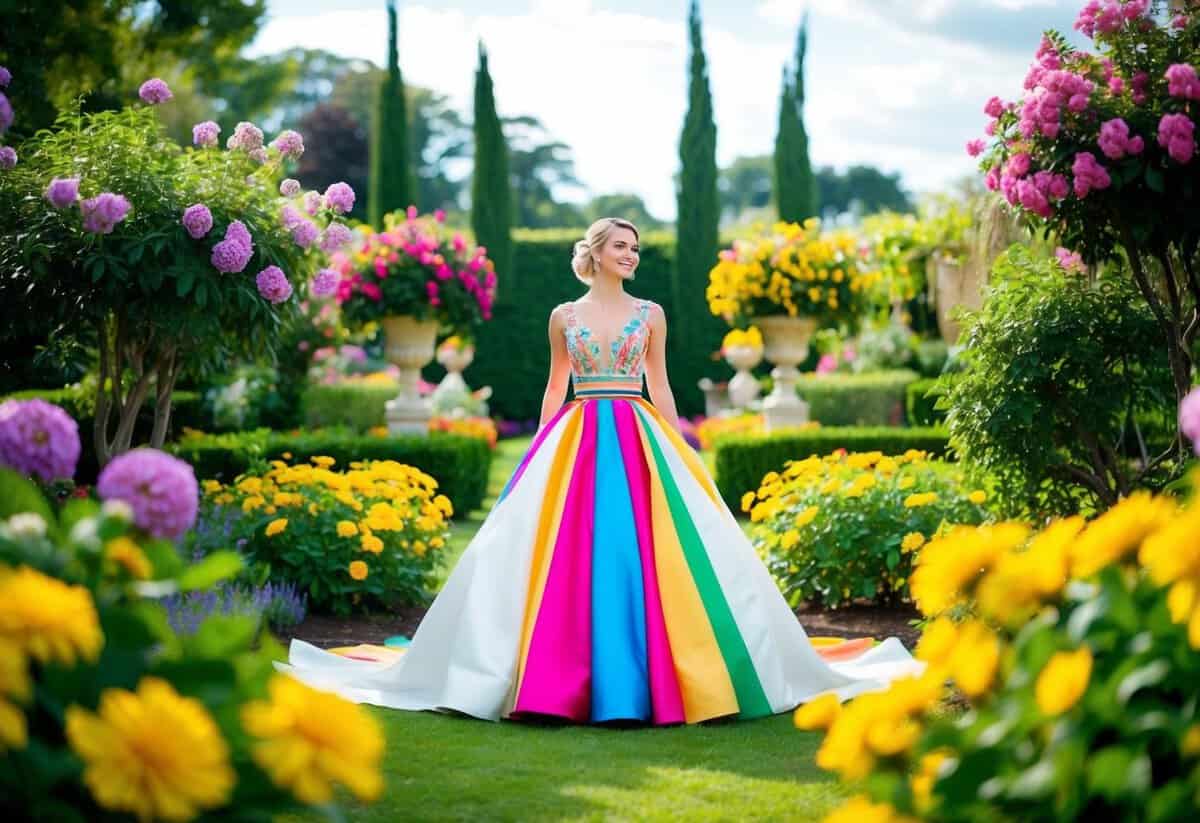
Choosing to wear colors other than white can be a personal choice that reflects your unique style and the specific circumstances of your wedding. This decision often ties into the wedding theme, your personal expression, or the fact that it may be a second or subsequent marriage.
Wedding Theme and Aesthetics
The theme of your wedding plays a big role in your color choice. If you have a specific color palette, wearing a dress that complements these colors can enhance the overall look of your event.
For example, if your wedding theme features deep blues and golds, a gown in a rich blue hue will fit right in.
Consider how your dress color will look in photos, too. Colors like burgundy or emerald green can create stunning contrasts against floral arrangements and décor. This thoughtfulness in color choice can elevate your wedding’s aesthetic and create beautiful memories.
Personal Style and Expression
Your wedding day is a celebration of you. If white doesn’t reflect your personality or style, then wearing a different color can make you feel more authentic and confident.
Maybe pastels, bold colors, or even prints resonate with your personal style.
It’s important to select a color that makes you feel comfortable and beautiful. Whether you envision a sleek, modern look or a romantic vintage vibe, your dress color should mirror your style. You want to shine on your special day, so choose a color that feels just right for you.
Second or Subsequent Marriages
For second or even third marriages, wearing white can sometimes feel out of place or tradition-bound. Many second-time brides opt for colors that symbolize their journey, like a vibrant red or soft lavender, which reflect their growth and celebration of love.
Wearing a non-white dress allows you to embrace a fresh chapter in your life. Think of colors that carry personal significance or hold meaning for you. This approach not only honors your past but also highlights the joy of starting anew. Embracing color in these scenarios can truly make your day special and personal.
Wedding Dress Codes and Guest Attire Etiquette
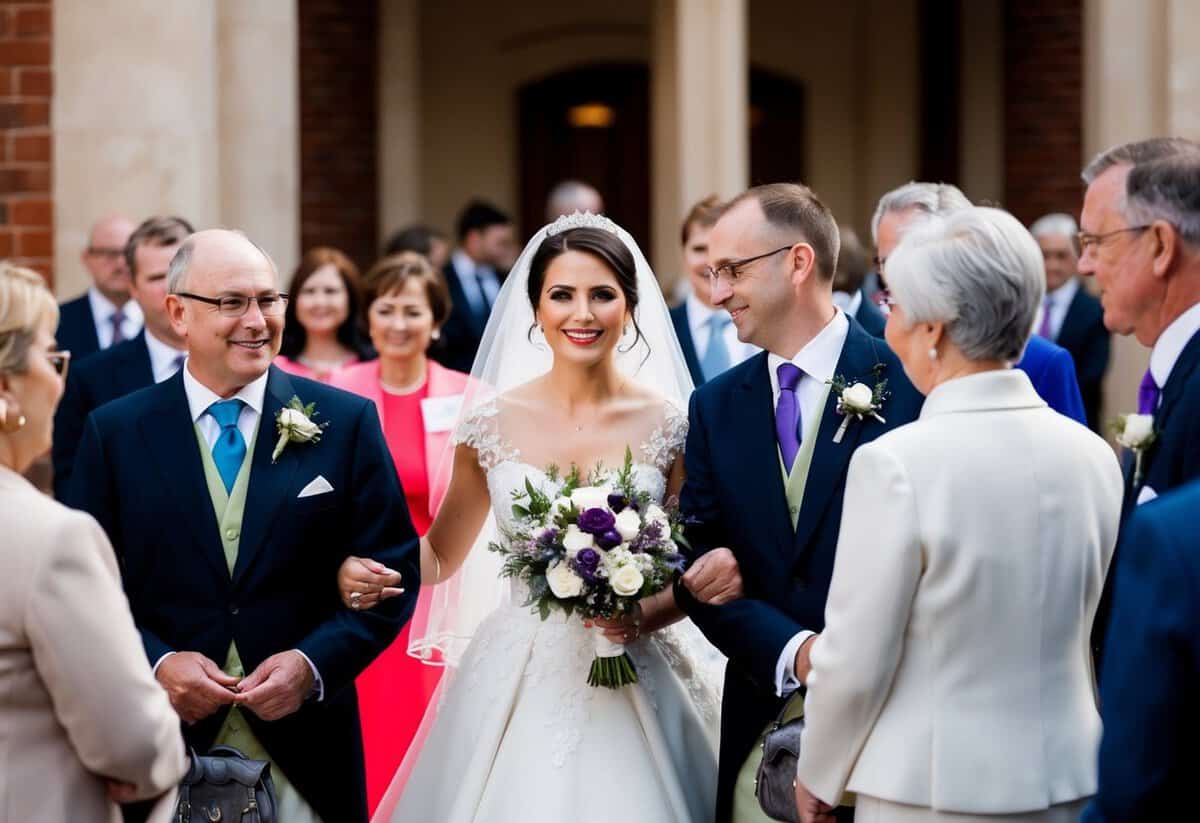
When attending a wedding, it’s important to understand the dress code and show respect for the couple’s wishes. Following these guidelines helps create a harmonious atmosphere and ensures that you look appropriate for the celebration. Here are some key points to consider.
Understanding Wedding Dress Codes
Different weddings have specific dress codes that guide what you should wear. Common codes include:
- White Tie: The most formal. Men wear tuxedos, and women wear floor-length gowns.
- Black Tie: A step down in formality. Tuxedos for men and formal dresses for women are expected.
- Cocktail: A fun, semi-formal look. Men can wear dark suits, while women can choose knee-length dresses.
- Casual: More relaxed. Smart jeans or nice dresses work here.
Always pay attention to the invitation for guidance on the dress code. Understanding these codes allows you to choose an outfit that is both stylish and appropriate for the occasion.
Respecting the Couple’s Wishes
One of the most important aspects of wedding guest attire is respecting the couple’s wishes. If they request specific colors or styles, aim to follow those requests.
It’s generally advised not to wear white, cream, or similar colors unless the couple has specifically invited you to do so. This shows respect for the bride’s special day and the tradition surrounding it.
Consider the venue as well. Is it a formal setting, like a grand hall, or a casual outdoor event? Your outfit should match the tone of the wedding. Always aim to blend in with the theme while still feeling comfortable and confident.
Alternative Bridal Attire Options
If you’re considering breaking away from the traditional white wedding dress, there are many exciting alternatives for you to explore. From bold colors to unique patterns, your options can reflect your personality and wedding theme.
Exploring Vibrant Wedding Dress Designs
Vibrant wedding dress designs can truly make your special day memorable.
Floral prints are a wonderful choice if you want something fresh and romantic. These patterns can add a touch of nature and color to your look.
Metallics are another option that can add glamour and shine. Think shimmering gold or silver tones to stand out beautifully.
All-black gowns can also convey elegance and sophistication. They break tradition while still making a stunning statement.
Renowned wedding dress designer Madeline Gardner is known for her innovative styles.
Her designs often feature bold colors and intricate details, perfect for the modern bride looking for something unique. Consider trying on these vibrant options to find what resonates with you!