
When Should Guests Be Seated at a Wedding? A Guide for Timely Arrivals
When planning your wedding day, seating arrangements play a key role in creating the right atmosphere. Guests should ideally be seated 15 to 30 minutes before the ceremony starts to ensure everyone is settled in time for the main event. This helps set the tone for your ceremony and prevents any last-minute chaos.
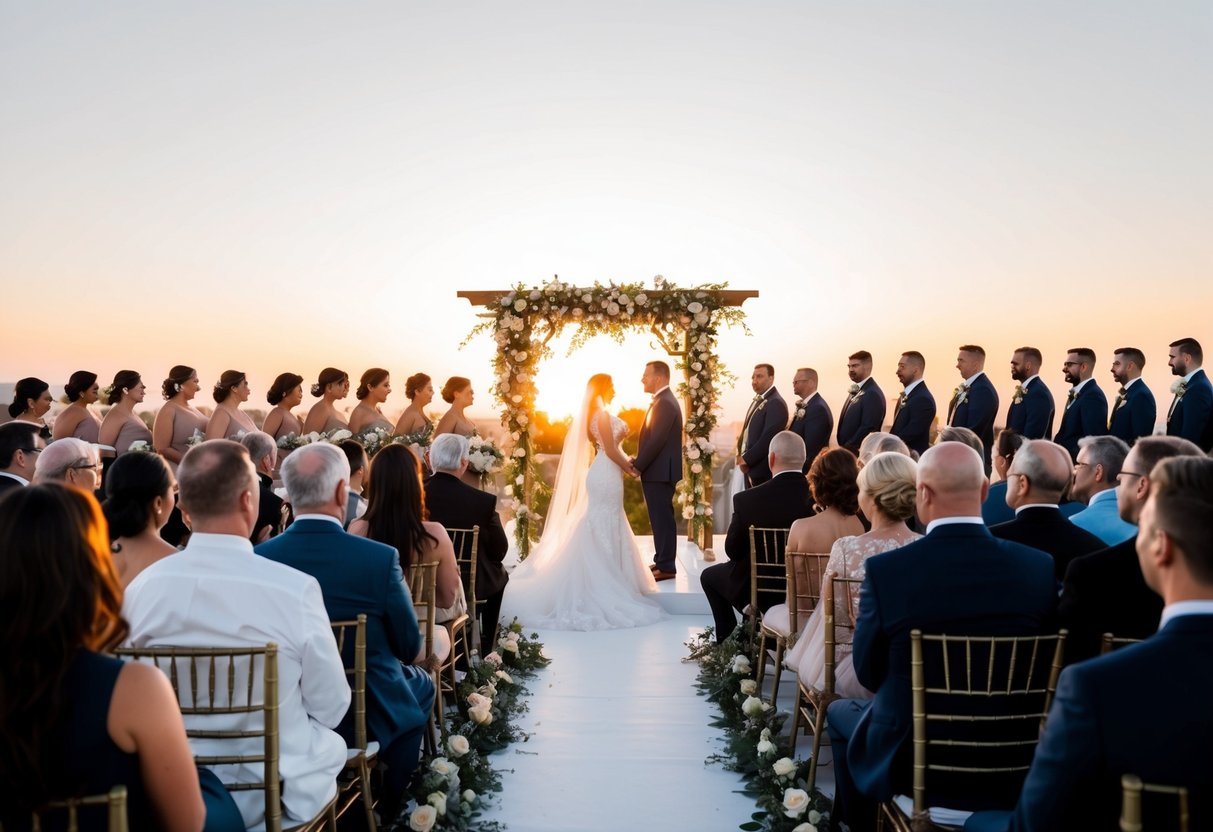
Seating etiquette is important for making everyone feel comfortable and welcomed. By allowing guests time to find their seats, you also give them a chance to settle down and enjoy the moment. Don’t forget to communicate any special arrangements or reserved seats to avoid confusion on your special day.
Understanding the proper timing for when guests should be seated can enhance the overall experience for both you and your attendees. By following these guidelines, you can create a smooth transition into your ceremony that reflects thoughtful wedding etiquette.
The Importance of Proper Seating Arrangements
Proper seating arrangements at your wedding can greatly enhance the experience for you and your guests. It’s not just about filling chairs; it’s about creating a pleasant atmosphere where everyone feels comfortable and connected.
Understanding Seating Etiquette
Seating etiquette plays a crucial role in wedding receptions. You want to ensure that families and friends can enjoy the day together. Start by considering the relationships among your guests. For example, seat family members near each other and group friends by their connections.
Using a wedding seating chart can help visualize your plan. Ensure your chart reflects any special considerations, like dietary needs or guest dynamics. Remember to provide place cards at each seat or use escort cards that guide guests to their tables. This attention to detail helps everyone find their spot easily.
Designing Your Seating Plan
Designing your seating plan is an important task during wedding planning. Think about the layout and flow of your venue. A well-thought-out floor plan can improve guest interactions and ensure comfort.
Consider how large your tables will be and how many guests will sit at each one. When creating the seating chart, balance the tables to avoid overcrowding. You may also want to mix up familiar groups to help guests meet new people. This creates a lively environment that everyone will appreciate.
The Ceremony: When to Seat Your Guests

Seating your guests at a wedding ceremony is an important detail that can help set the tone for the event. You’ll want to ensure that everyone is comfortable and knows where to go. Here’s what you need to consider when it comes to the timing and process of seating.
Guest Arrival and Usher Roles
As your guests start to arrive, make sure you have ushers ready to assist. Ushers can greet guests and guide them to their seats. Their presence helps prevent confusion and allows guests to settle in comfortably.
For smaller weddings, you may only need one or two ushers, but for larger gatherings, consider having at least one usher for every 50 guests. This way, you avoid bottlenecks and any delays in seating.
Make sure ushers are familiar with the seating chart and can inform guests of any reserved areas, ensuring a smooth process.
VIP Guests and Family Seating
VIP guests, such as close family and friends, should have reserved seating for your wedding ceremony. This can include parents, grandparents, and anyone closely involved in your life.
Typically, the groom’s family sits to the right and the bride’s family sits to the left. You may also want to reserve front-row seats for these guests to make them feel special.
Make sure ushers know these seating arrangements so they can guide VIPs effectively to their designated spots.
General Guest Seating Guidelines
When it comes to general guest seating, here are a few key points to keep in mind:
- Encourage Early Arrival: Ask guests to arrive at least 15-30 minutes early. This way, everyone is settled before the ceremony starts.
- Communicate the Seating Plan: Display a seating chart at the entrance to help guests find their seats quickly.
- Consider Self-Seat Options: For a more casual approach, you can allow guests to choose their seats, but it’s good to have ushers available for guidance.
By following these guidelines, you’ll create an organized environment that enhances the experience for all your guests during the ceremony.
Reception Seating Dynamics
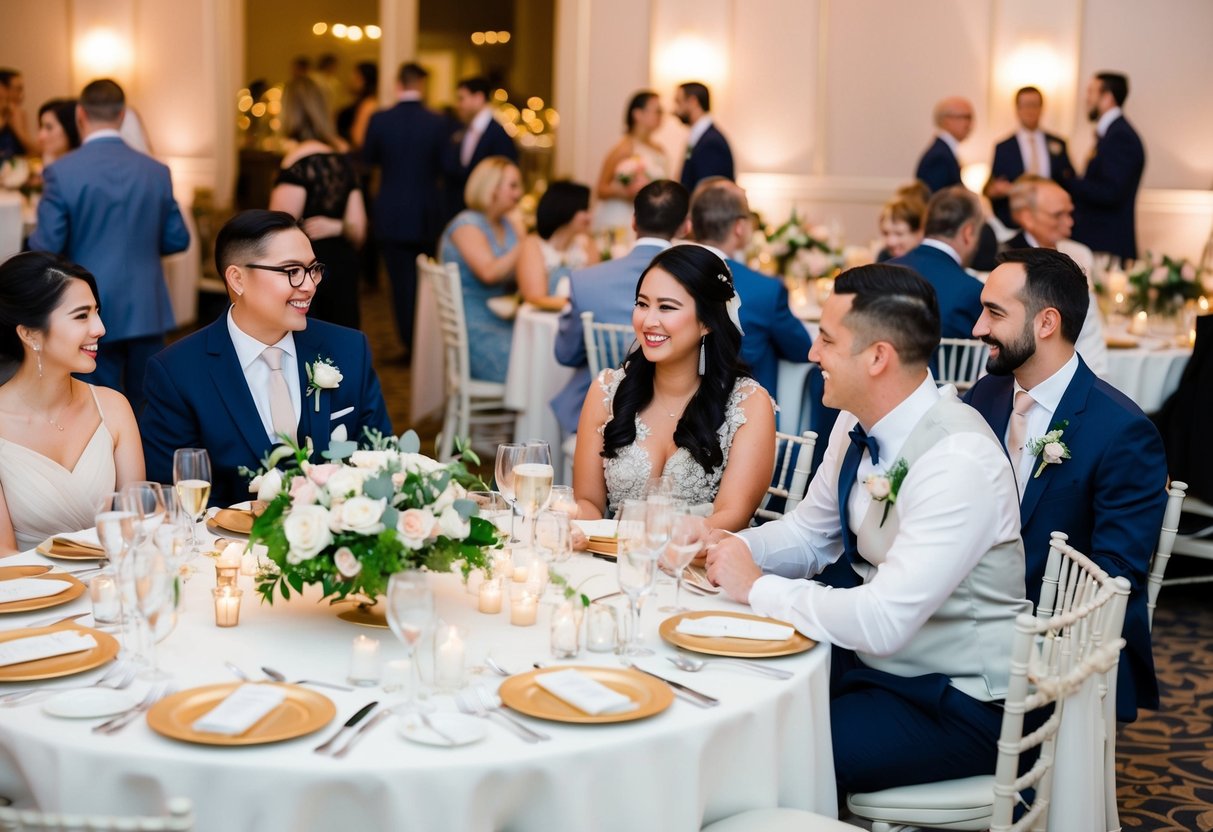
When planning your wedding reception seating, consider how to create a comfortable and engaging atmosphere. It’s important to choose between assigned seating and open seating and develop strategies that ensure everyone feels included.
Assigned Seating vs. Open Seating
With assigned seating, you have more control over who sits where. This can help prevent conflicts and make it easier for guests to find their seats quickly. You might assign close relatives and special friends to tables near the head table or sweetheart table.
Using a seating chart is a great way to display this information clearly. Make sure it’s easy to read and located in a spot all guests can easily access. On the other hand, open seating allows guests to choose where they want to sit. This option can make your reception feel more relaxed and social, but it may lead to confusion if not everyone knows where to find seats.
Wedding Reception Seating Strategies
To enhance your wedding reception seating, think about grouping guests by familiarity. This can foster connections among guests. For example, place families together and consider a kids’ table if there are many little ones.
You might also balance the tables by mixing singles with couples to encourage interaction. When it comes to the head table, traditionally the wedding party, parents, and close family sit here. The sweetheart table, meant for just you and your partner, can create a private space amid the festivities, making it special for both of you during the reception.
Smooth Transition Between Ceremony and Reception
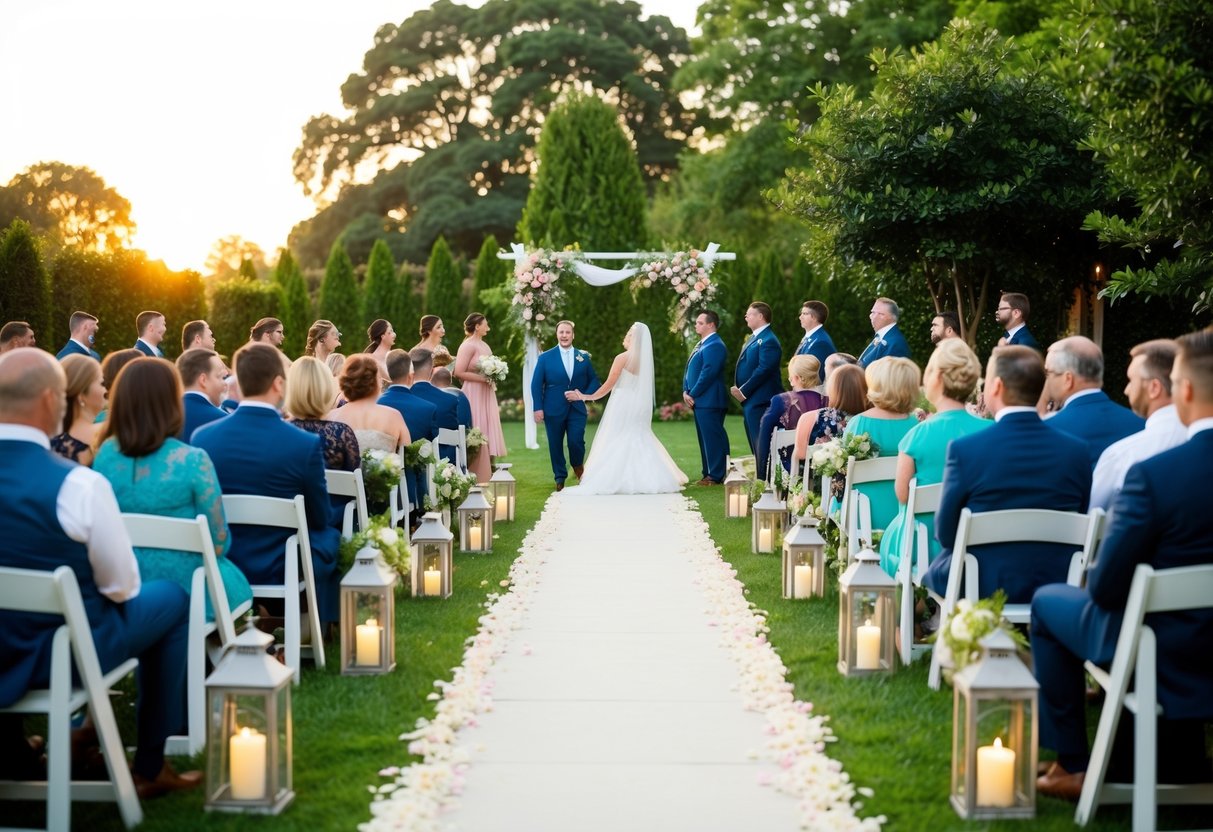
Moving smoothly from the ceremony to the reception is key for a fun celebration. Here are some simple tips to help you.
Plan a Cocktail Hour
Consider hosting a cocktail hour. This gives guests time to mingle, stretch, and enjoy drinks. You can use this break for photos or to greet your guests.
Create a Clear Timeline
Work with your wedding planner to create a timeline. Share it with your vendors and helpers. This ensures everyone knows when to shift from one part to the next.
Set Up Signage
Use clear signs to guide your guests. Place them in visible spots to show where the reception is. This helps everyone find their way easily.
Involve Your Officiant or DJ
Ask your officiant or DJ to help with the transition. They can make announcements to encourage guests to move to the next area. This will keep things organized and smooth.
Consider Your Guest List
If you have a large guest list, make sure everyone knows where to go after the ceremony. The sooner they know, the less confusion there will be.