
When Should Guests Respond to RSVP? A Friendly Guide to Timely Replies
When attending weddings, knowing when to respond to an RSVP can make a big difference. As a guest, it’s best to reply within two weeks of receiving your wedding invitation, or no later than four weeks before the ceremony. This allows the couple to finalize their guest list and make necessary arrangements with the venue and caterer.

The RSVP process is an important part of wedding planning. By responding promptly, you help your friends or family plan their special day without added stress. Plus, it shows your appreciation for their invitation and excitement to celebrate with them.
Remember, the RSVP deadline is there for a reason. It helps the couple manage their budget and plan the perfect celebration. So, when you receive that wedding invitation, take a moment to reply as soon as possible!
Decoding the RSVP
Understanding the RSVP process can help you know when to respond and why it matters. Effective communication with hosts allows for better planning and ensures a smooth experience for everyone involved. Here’s what you need to know about RSVPing.
Importance of RSVPing
RSVPs are crucial for hosts, especially for events like weddings. When you receive an invitation, the host needs to know how many guests will attend. This number helps with catering, seating, and planning activities.
When you don’t respond, it can create confusion and uncertainty. Your timely reply shows respect for the host’s efforts. Aim to send your response within 24 hours of receiving the invitation, if possible. If there’s an RSVP deadline on the card, make sure to stick to it for proper planning.
Understanding RSVP Cards
RSVP cards are often included with wedding invitations. These cards have specific instructions that tell you how to respond. You might see phrases like “Please respond by” or “Regrets only.”
Many RSVP cards also include a pre-stamped return envelope. This convenience makes it easier for you to mail back your response. If the card states to reply digitally, check for an online link or email address. Make sure to follow the instructions clearly, as it helps the host finalize details.
Digital vs. Physical RSVP Options
With technology, responses can now be sent online or through traditional mail. Digital RSVPs are becoming popular because they are quick and easy. You can simply click a link and fill out a form.
Physical RSVPs, like cards, still have their charm, especially for formal events. If you prefer mail, ensure your RSVP card and pre-stamped envelope are readily available. Whichever method you choose, make sure to respond promptly, as it helps your host make their event a success.
RSVP Timeline and Deadlines

Setting a clear deadline for RSVPs is key to a successful wedding. This ensures you can plan well and know how many guests to expect. Different situations, like destination weddings, may need special attention. It’s also important to follow up with guests who haven’t responded.
Setting an RSVP Deadline
Aim to have your guests respond at least six weeks before your wedding date. This timeframe allows you to confirm arrangements with your venue and caterer.
If you’re sending out invitations, make sure they go out eight weeks ahead. This gives guests enough time to reply without feeling rushed. For destination weddings, consider sending invites 10 to 12 weeks in advance. Guests will need to book travel and accommodations, so a longer timeline is appreciated.
RSVPs for Destination Weddings
Destination weddings often demand a different approach to RSVPs. Guests need extra time to plan for travel and lodging. It’s wise to specify that RSVPs for these events should be returned two months prior to the date.
Include information about accommodations and travel in the invitation. This helps guests understand the logistics they need to manage. Also, consider creating a wedding website where guests can find all necessary details about the event and RSVP easily.
Reminder Etiquette
It’s common to send reminder messages to guests who haven’t responded. About one week before your RSVP deadline, send a polite reminder through text or email.
Keep the tone friendly and light. A simple message like, “Hi [guest name]! We’re excited about the big day and just checking in on your RSVP!” can work well. This gentle nudge helps ensure you get a better count for your special day.
Managing Responses and Follow-ups
It’s important for you to track RSVPs and manage guest communication so that your event runs smoothly. Proper follow-ups can help you get a clearer picture of who will attend and ensure that guests feel engaged throughout the process.
Tracking RSVPs and Guest List
Start by creating a simple RSVP tracking system. You can use a spreadsheet or an event management tool to keep a detailed guest list. This should include names, contact information, and their RSVP status.
As guests reply, update their status promptly. If you notice any non-responders as the event date approaches, it might be a good idea to reach out. Having a final headcount is essential for catering and seating arrangements, so make sure to stay on top of this list as you gather responses.
Dealing With Late or No Responses
Late responses can be frustrating, but they are common. Set a reasonable RSVP deadline and communicate it clearly on your invitations. If some guests haven’t responded by that date, follow up gently a few days later.
You could send them a friendly reminder, asking if they will be attending. If you still don’t hear back, be prepared to make your best guess about their attendance. This way, you can finalize numbers without causing too much stress.
Communicating With Guests
Make communication with your guests a priority. A friendly approach goes a long way. For those who do respond, thank them right away. A simple “Thank you for your RSVP!” can encourage others to respond promptly.
If you must follow up with guests who haven’t replied, try to be polite yet clear. A message like, “We’re hoping to finalize the guest list soon. If you could let us know your plans, we’d appreciate it!” makes it easy for them to respond.
Encouraging engagement through personalization can help. You could include light-hearted questions or fun prompts on the RSVP card to motivate responses.
Final Preparations After RSVPs
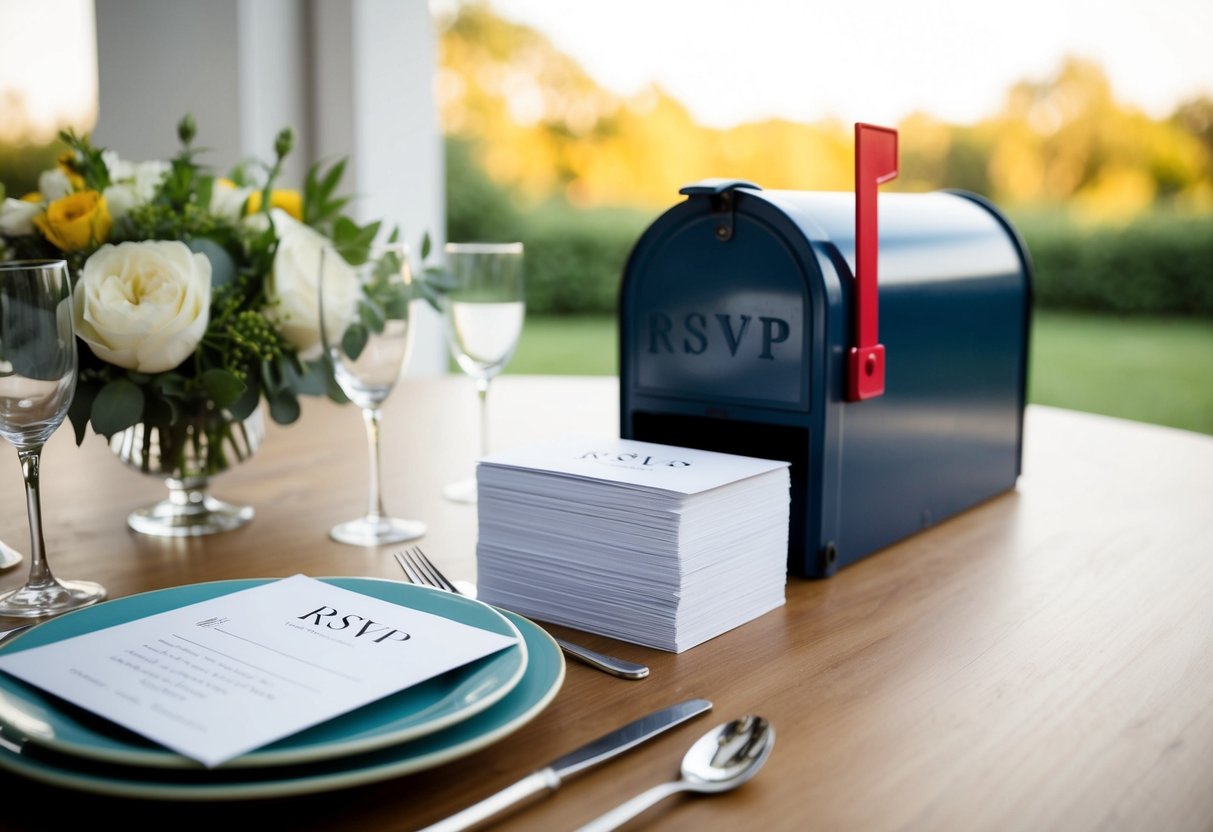
Once you receive all RSVPs, it’s time to dive into the final preparations for your wedding. This includes adjusting your seating chart, finalizing details with your caterer and venue, and coordinating with various wedding vendors. These steps are important to ensure your special day goes smoothly.
Adjusting the Seating Chart
With your final guest count in hand, you can now adjust your seating chart. Start by confirming who will attend and note any special seating requests.
Use a simple table to visualize your layout:
| Table Number | Guest Names |
|---|---|
| 1 | John, Sarah |
| 2 | Emily, Mike, Lucy |
Make sure to create escort cards to guide guests to their seats easily. Keep flexibility in mind, as last-minute changes may happen. A well-organized seating arrangement helps everyone feel comfortable and included.
Finalizing Catering and Venue Details
Next, reach out to your caterer with your final guest count. Confirm the menu, ensuring any dietary restrictions are taken into account.
It’s helpful to double-check the layout of your venue as well. Spend some time discussing logistics with your venue coordinator so that everything aligns. Questions to consider include:
- How will the food be served?
- Are there enough tables and chairs?
- What time will the setup begin?
Clear communication with everyone involved helps you avoid surprises on the wedding day.
Coordinating With Wedding Vendors
Your final count also impacts all your wedding vendors. Notify your florist, photographer, and any other service providers with updated numbers to ensure that everyone is prepared.
For example, your florist needs to know how many centerpieces to create. Meanwhile, your photographer may want to adjust their shots to capture all your guests.
Create a checklist of vendors to contact and details to verify:
- Florist: Confirm floral arrangements based on guest count.
- Photographer: Adjust the timeline to include all guests.
- DJ/Band: Ensure they have the correct number for any requests.
Staying organized and proactive will help make your wedding flawless and enjoyable for you and your guests.