
When Should I Choose a Wedding Florist? Essential Timing Tips for Your Big Day
Choosing the right florist for your wedding is an important step in your planning process. You should select a wedding florist 9 to 12 months before your big day. This gives you enough time to find someone who fits your vision and budget while ensuring their availability.
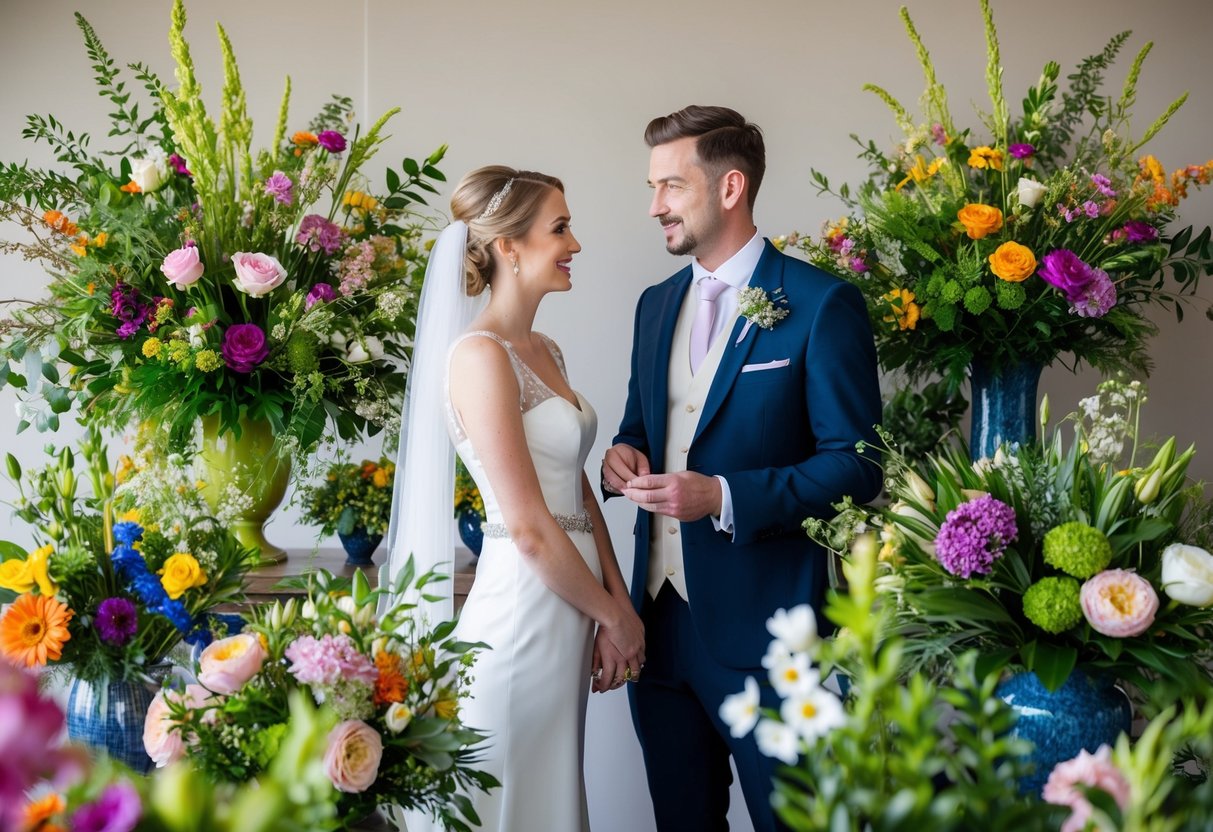
Think about your floral budget, styles you love, and the season when you’re getting married. Researching and reaching out to florists early can help you make a confident choice and avoid any last-minute stress. By starting the process early, you will have the opportunity to explore more options and create a beautiful atmosphere for your celebration.
Finding a florist who understands your needs is key to making your dream wedding a reality. Taking the time to meet with them and discuss your ideas will lead to stunning flower arrangements that truly reflect your style.
Understanding the Role of a Wedding Florist
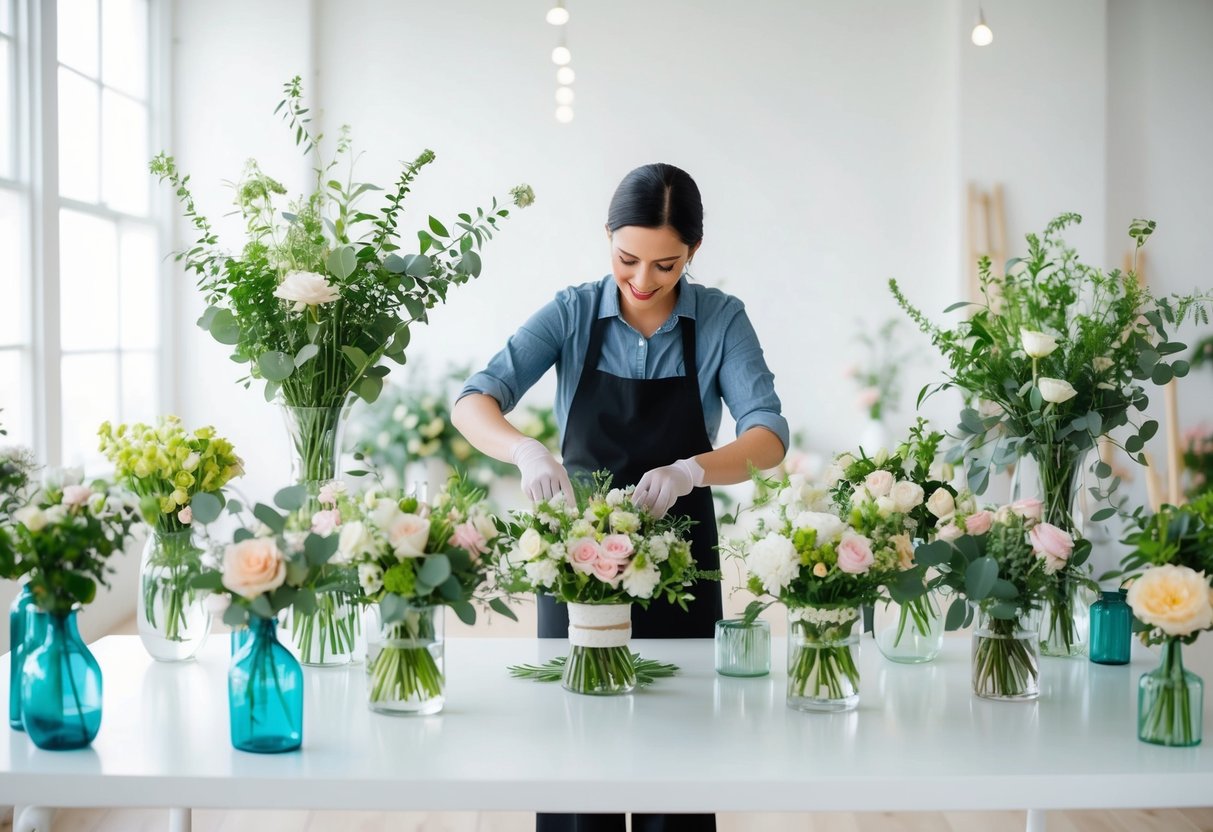
Finding the right wedding florist can truly enhance your special day. They play a crucial part in bringing your vision to life through floral design and decor. Understanding their responsibilities and the significance of their work can help you make an informed choice.
Defining Responsibilities
A wedding florist handles many important tasks. First, they meet with you to discuss your vision for the wedding flowers and decor. This includes understanding your color scheme, style, and budget.
They create designs for bouquets, centerpieces, and other floral arrangements. This means selecting the right flowers, ensuring they are fresh, and arranging them beautifully.
Florists also manage logistics, like delivery and setup on your wedding day. Having a professional florist allows you to enjoy beautiful decor without worrying about the details.
Significance of Floral Decor in Weddings
Floral decor plays a major role in setting the mood for your wedding. Beautiful arrangements can transform any venue into a stunning space. Flowers can reflect your personality and style, making your wedding unique.
Flowers also enhance the emotional experience. They can create a romantic atmosphere and highlight important areas, like the altar or reception tables.
Consider how different flowers can evoke various feelings. For example, soft pastels can feel delicate and romantic, while bright colors can add a festive touch. When you choose a talented wedding florist, you ensure that your floral decor matches your vision perfectly.
Planning Your Floral Needs
When planning your wedding, it’s important to consider your floral needs carefully. This includes visualizing how your flowers will complement your wedding theme and color scheme, checking seasonal availability, and establishing a floral budget that works for you.
Visualizing Your Wedding Style and Theme
Start by thinking about your wedding theme. Are you going for a classic, rustic, or modern look? Pinning down your style helps in choosing flowers that blend seamlessly.
Next, consider your color scheme. What colors will dominate your decor? Creating a mood board can help you visualize this better. It might include flowers, fabrics, and other decor elements.
Choosing flowers that match your theme and colors makes everything feel cohesive. For instance, delicate blush roses may fit a romantic theme, while sunflowers could brighten a rustic fall wedding.
Assessing Seasonal Availability
Understanding what flowers are in season during your wedding date is essential. Flowers that are in season are usually fresher and more affordable.
Check local resources or speak with florists to learn about your options. For example, peonies are popular in late spring, while dahlias bloom in late summer and early fall.
Also, think about your wedding season. Spring flowers, such as tulips and daffodils, are vibrant, while winter weddings might call for evergreens or amaryllis.
Being flexible with your choices can help your floral arrangements shine.
Determining Your Floral Budget
Establishing a floral budget is crucial to prevent overspending. First, think about how much you can afford to allocate.
Floral budgets can range widely, but a common average for couples is around $2,200. Break it down by items: bouquets, centerpieces, and ceremony flowers.
Consider if you want to include extra services, like setup and teardown. Sometimes florists offer these services, which could simplify your planning.
Being clear about your budget helps you make informed decisions when selecting your flowers. This way, you can enjoy the planning process and stay within your limits.
Selecting the Perfect Florist
Finding the right florist is an essential part of your wedding planning. You want someone who understands your vision and can bring it to life with beautiful arrangements. There are several key areas to consider, including research, viewing portfolios, and evaluating experience.
Research and Recommendations
Start your search by asking for florist recommendations from friends, family, or other wedding vendors. They can provide valuable insights based on their experiences.
Use online platforms to read reviews and gather a list of potential florists. Websites like social media or wedding directories can help you find local florists with great feedback.
Take note of florists who specialize in styles you like. Look for those who are familiar with wedding flower trends. This way, you can ensure your flowers will be fresh and in line with current styles.
Reviewing Portfolios and Sample Arrangements
Once you have a list of florists, schedule consultations and ask to see their portfolios. A good florist will have a collection of past work that reflects their style and expertise.
Pay attention to sample arrangements they’ve created. This gives you a clear idea of their creativity and skill.
Ask specific questions about how they can customize arrangements to fit your theme. Consider styles you like, whether it’s rustic or elegant. This will help ensure that their offerings align with your vision.
Evaluating Experience and Flexibility
Experience matters when selecting a florist. You want someone who has worked on weddings similar to yours. Ask how many weddings they coordinate each year. This will give you confidence in their ability to handle your big day.
Flexibility is also important. Weddings can change, and you want a florist who can adapt to those changes.
Discuss how they handle last-minute requests or issues. A florist with a positive attitude and problem-solving skills can make your experience smoother. This will ultimately lead to a more enjoyable wedding planning process.
Finalizing Your Floral Arrangements
As you prepare for your wedding, it’s crucial to make decisions about your floral arrangements. Choosing the right flowers, designing your bridal and bridesmaid bouquets, and coordinating with your wedding venue are all essential steps in creating a beautiful, cohesive look.
Choosing Flowers and Centerpieces
Start by selecting flowers that match your wedding theme and color palette. Think about seasonal blooms, as they can be more affordable and fresher. Popular choices include roses, peonies, and hydrangeas.
For centerpieces, consider using a mix of heights and shapes. You could opt for tall arrangements on some tables and shorter ones on others. Adding elements like candles or greenery can enhance the look without overwhelming your guests. Remember to consider how these arrangements will fit in with your table settings.
Detailing the Bridal and Bridesmaid Bouquets
Your bridal and bridesmaid bouquets should reflect your personal style. Choose blooms that you’ll love holding throughout the day. Think about the shape, size, and colors that work best for you and your wedding.
Don’t forget to discuss boutonnieres for the groom and groomsmen. These little touches can complete the overall look. Make sure to communicate any specific requests with your florist to achieve the desired look. Every detail matters for a polished finish.
Coordinating with Your Wedding Venue
When you communicate with your wedding venue about your floral arrangements, discuss what spaces will be decorated. For example, you can talk about the ceremony area and reception. This helps you visualize where flowers will go and how they’ll enhance the setting.
You should also ask about any restrictions your venue might have regarding decorations. Knowing these details upfront can save you time and effort later. Ensuring that your floral arrangements complement the venue’s style will create a harmonious atmosphere for your special day.