
When Should I Start Losing Weight for My Wedding? Tips for a Stress-Free Journey to Your Perfect Day
Your wedding day is one of the most important events in your life, and looking your best is likely a top priority. Experts recommend that you start your weight loss journey about 6 to 12 months before the big day. This timeline allows you to lose weight gradually and healthily, helping you feel confident as you walk down the aisle.

Starting earlier means you can adopt sustainable habits without the stress of last-minute pressure. You can focus on a balanced diet and regular exercise, making the process enjoyable rather than overwhelming. This approach not only helps in achieving your weight goals but also sets you up for lasting health benefits beyond your wedding day.
So, if you’re wondering when to begin your journey, the sooner, the better! Give yourself the time to transform and enjoy the experience as you prepare to say “I do.”
Getting Started on Your Weight Loss Journey

Starting your weight loss journey for your wedding is an exciting step. You want to feel your best on your special day. To do this, it helps to focus on realistic goals, nutrition basics, and keeping yourself hydrated. Here are some key points to consider.
Setting Realistic Weight Loss Goals
When planning your weight loss, set achievable goals. Aim for a healthy weight loss of about 1 to 2 pounds per week. This means creating a calorie deficit by consuming fewer calories than you burn. Start by calculating your daily calorie intake based on your current weight, activity level, and target weight.
Write your goals down and be specific. For example, you might aim to lose 10 pounds in three months. Breaking your overall goal into smaller milestones can help you stay motivated. Celebrate each success, no matter how small! Remember to be patient with yourself; sustainable weight loss takes time.
Understanding Nutrition and Diet Basics
Nutrition plays a vital role in your weight loss success. Focus on a balanced diet that includes a mix of fruits and vegetables, healthy fats, proteins, and carbohydrates. Aim to fill half your plate with colorful fruits and veggies at every meal.
Make sure to include sources of protein like lean meats, beans, and nuts. This helps you feel full and supports muscle mass. Don’t forget about healthy fats, such as avocados and olive oil, which are important for overall health. Avoid drastic diets; instead, choose a healthy weight loss plan that allows for occasional treats while keeping you on track.
The Importance of Hydration in Weight Loss
Staying hydrated is essential for weight loss. Drinking enough water can help control your appetite and support your metabolism. Aim for at least 8 glasses of water a day, or more if you exercise.
Try drinking a glass of water before meals. This can help you feel fuller and prevent overeating. You can add some flavor with slices of lemon or cucumber if plain water isn’t appealing. Remember that other beverages, like herbal tea and infused water, also contribute to your daily intake.
Creating a Sustainable Exercise Routine

A well-rounded exercise routine is key to achieving your weight loss goals for your wedding. Focus on a mix of strength training, cardio exercises, and possibly working with a personal trainer to keep you motivated and on track.
Incorporating Regular Exercise and Strength Training
To start your weight loss journey, develop a routine that includes regular exercise. Aim for at least 150 minutes of moderate physical activity each week. This can be broken down into manageable sessions, such as 30 minutes a day, five days a week.
Incorporate strength training 2-3 times a week. Exercises like squats, lunges, and push-ups help build muscle. More muscle increases your metabolism, which can aid in healthy weight loss. Don’t forget to include stretching or yoga to improve flexibility and prevent injury.
The Role of Cardio Exercises in Fat Loss
Cardio exercises are a great way to burn calories and lose fat. Activities such as running, cycling, or swimming can get your heart rate up. Aim for at least 75 minutes of vigorous cardio each week.
High-Intensity Interval Training (HIIT) is also effective. This type of workout alternates between intense bursts of activity and short rest periods. It not only saves time but can also improve your endurance and aid in weight loss.
Working With a Personal Trainer
Consider hiring a personal trainer to help you with your exercise program. A trainer can create a customized plan that fits your goals and lifestyle. They can also teach you proper form to prevent injury and maximize results.
Working with a trainer adds accountability. Knowing someone is tracking your progress can motivate you to stay consistent. They can also provide support and encouragement throughout your fitness journey, making workouts more enjoyable.
Nutrition Strategies for Wedding Weight Loss
Eating right is crucial when you’re working toward your wedding weight loss goals. Focusing on meal planning, avoiding processed foods, and managing your alcohol intake can make a big difference in how you feel and look on your special day.
Meal Planning and Healthy Snacks
Creating a meal plan helps you stay on track and cut unnecessary calories. Try to include a variety of lean proteins, colorful greens, and whole grains. Planning your meals in advance means you won’t rush into unhealthy choices.
In between meals, consider healthy snacks. Options like raw veggies, nuts, or smoothies are great for keeping you satisfied. Smoothies can be packed with fruits, spinach, and even a scoop of protein powder. This helps you avoid nutritional deficiencies and gives you lasting energy.
Avoiding Processed Food and Empty Calories
Processed foods can derail your weight loss efforts. Items high in sugars and unhealthy fats are often full of empty calories. These foods may taste good but provide little nutritional value. Always check labels for hidden sugars and additives.
Focus instead on whole foods. Incorporate plenty of fruits, veggies, and unprocessed grains into your meals. Making simple recipes with fresh ingredients can be both tasty and satisfying. Think of meals that are balanced with nutrients, which may help you feel fuller longer.
Navigating Alcohol Consumption During Pre-Wedding Events
It’s important to enjoy celebrations leading up to your wedding, but be mindful of alcohol. Drinks can add hidden calories that hinder your progress. Limit your intake and choose drinks wisely.
Try to stick to lower-calorie options, like dry wine or spirits mixed with soda water. Also, alternate alcoholic beverages with water to stay hydrated and minimize alcohol’s impact. Green tea is another great choice, as it may boost metabolism and help you stay on track.
Maintaining Your Achievements Post-Wedding
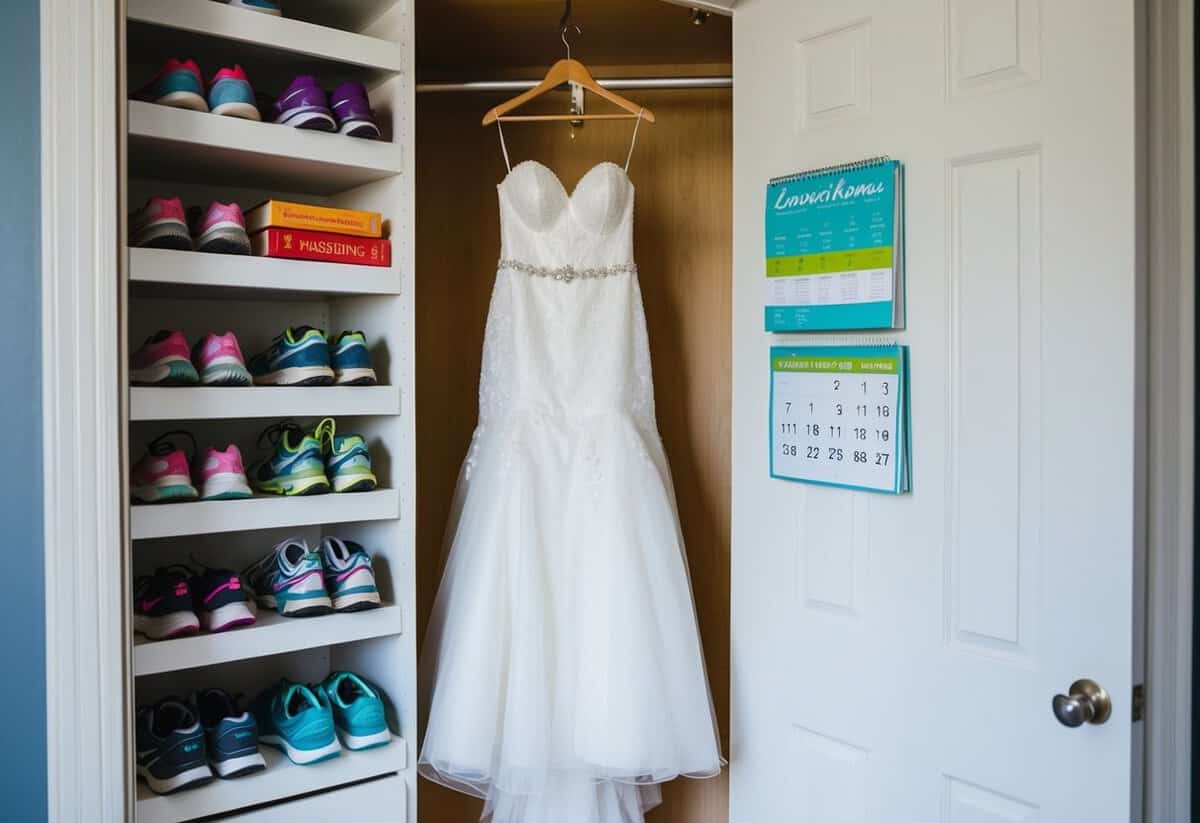
After your wedding, it’s important to focus on maintaining the weight loss you’ve achieved. This can be challenging, but with the right approach, you can sustain your healthy lifestyle and prevent post-wedding weight gain.
Embracing a Lifestyle for Sustainable Weight Loss
To keep your achievements, adopt a healthy lifestyle rather than viewing your weight loss as a temporary fix. Start by creating a daily routine that combines balanced meals and regular exercise. Choose whole foods like fruits, vegetables, lean proteins, and whole grains. Consider practicing intermittent fasting if it suits you, as it can help some people with weight maintenance.
Make sure to incorporate fun activities like hiking, swimming, or dancing to stay motivated. Focus on self-care by ensuring you get enough rest and manage stress. This holistic approach will help you not only maintain your weight but also improve your overall well-being.
Dealing With Post-Wedding Weight Gain
It’s common to experience some weight fluctuations after your big day. If you find yourself gaining weight, don’t panic. First, assess your current weight loss plan. Check if you’ve strayed from your routine. Return to a balanced diet and fitness schedule that worked for you before.
Monitor your portion sizes and keep an eye on snacks. Staying diligent with your choices can prevent unwanted pounds. Also, recognize any nutritional deficiencies, and consider speaking with a healthcare professional for guidance. Small adjustments can make a big difference in maintaining your progress.
Building a Support System for Long-Term Maintenance
Creating a support system is crucial for long-term success. Share your goals with friends and family who can help keep you accountable.
Join fitness classes or community groups where you can connect with others on similar journeys.
Regularly engaging with supportive networks can motivate you to stay on track.
Consider working with a nutritionist or a personal trainer for professional guidance. Their expertise can help adjust your approach and keep you focused.
Surrounding yourself with positive influences will make maintaining weight loss easier and more enjoyable.