
When Should Save the Date Go Out for Destination Wedding? Key Timelines to Ensure Your Guests Can Join You
Planning a destination wedding can be an exciting yet challenging adventure. One of the essential steps in this process is sending out your save-the-dates. For a destination wedding, you should mail your save-the-dates 9 to 12 months ahead of the date. This ensures your guests have enough time to make travel plans. This timeline helps you balance the excitement of your big day with the practical needs of your friends and family.
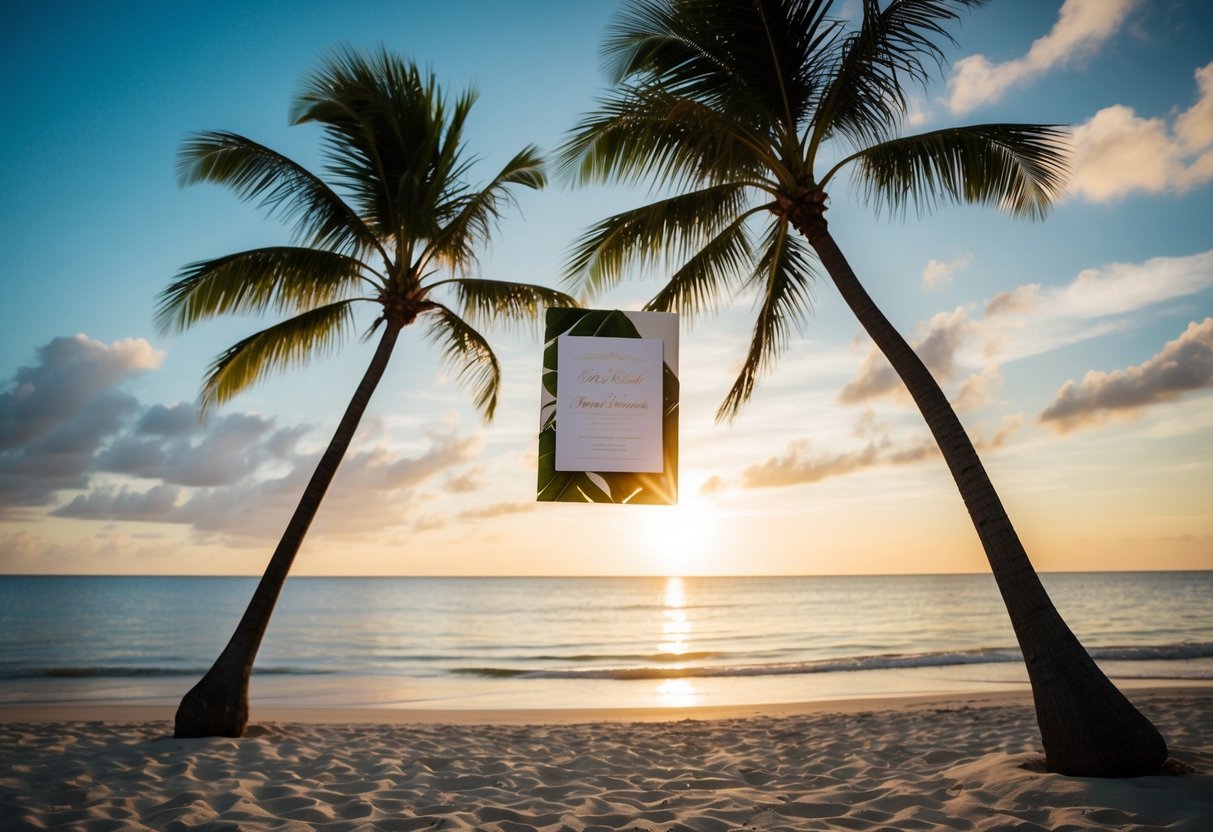
Understanding save-the-date etiquette is crucial, especially for a wedding that requires travel. Guests will appreciate early notice, so they can arrange accommodations and plan their schedules. The sooner you send these out, the more organized everyone will feel as they look forward to celebrating with you.
With proper timing and thoughtful planning, you can ensure a smooth start to your wedding journey. So let’s explore the best practices for sending out those all-important save-the-dates and how to make your destination wedding a memorable occasion for all!
Understanding the Basics of Save-the-Dates
Save-the-date cards are an important first step in wedding planning. They help inform your guests about your wedding date and location so they can mark their calendars. This section will explain the purpose of save-the-dates and clarify how they differ from formal invitations.
Purpose of Save-the-Dates
The main purpose of save-the-date cards is to notify your guests when and where your wedding will take place. This is especially important for destination weddings, where travel plans may be necessary.
Sending them out early allows guests to make arrangements. Aim to send these cards 8 to 12 months in advance for a destination wedding. This gives your loved ones time to plan ahead.
Typically, save-the-dates include a few key details:
- Wedding date
- Location (even a general area is helpful)
- A note indicating that a formal invitation will follow
A clear save-the-date can help ensure that everyone you want to be there does not book another commitment for your special day.
Save-the-Date vs. Formal Invitation
It’s important to understand that save-the-dates are not the same as formal invitations. While save-the-dates are an early announcement, formal invitations come later and provide more detailed information such as the venue, time, and dress code.
Formal invitations usually go out about 6 to 8 weeks prior to the wedding. In contrast, save-the-dates are more about getting the date on your guests’ calendars.
When sending out save-the-dates, include a message like “formal invitations to follow.” This helps manage your guests’ expectations. You can also mention any special details, like travel arrangements or accommodations, in the future invitations to ensure everyone is well-informed.
Timing Your Save-the-Dates
Knowing when to send your save-the-dates is important for a destination wedding. This timing helps your guests plan their travels and make necessary arrangements. Below are key details to keep in mind.
Ideal Timeline for Destination Weddings
For destination weddings, it’s best to send your save-the-dates 6 to 12 months before your wedding date. If your ceremony is during a holiday or in a popular travel spot, leaning towards the 12-month mark gives guests more time to make plans.
Consider including the date and location on the save-the-date. This way, your guests can start thinking about their travel arrangements early. If your wedding is in a bustling season, giving ample notice helps ensure your guests secure accommodations.
By sending them on time, you encourage an enjoyable experience for everyone involved as they plan for your special day.
Factors Affecting When to Send
Several factors may influence when you should send out your save-the-dates. Guest list size can play a role. If you expect a large number of attendees, consider sending them sooner. Larger groups can take more time to coordinate travel.
Think about RSVP deadlines too. Give guests enough time to respond so you can finalize your headcount. If you want to know your numbers early, a longer lead time on your save-the-dates can help.
Finally, don’t forget about the travel arrangements your guests need to make. Flights and hotel bookings may require early planning, especially for popular destinations. Adjust your timeline based on these considerations for smoother preparations.
Choosing and Designing Your Save-the-Dates
When planning your destination wedding, choosing and designing your save-the-dates is key. This is your chance to share important details while showcasing your personal style. Consider how you want to communicate this special announcement to your guests.
Digital vs. Tradition-Bound Preferences
Deciding between digital and traditional save-the-dates can depend on your style and comfort. Digital save-the-dates are quick and eco-friendly. They allow you to add fun elements like animation or video. Plus, you can easily track who opens your message.
On the other hand, save-the-date cards have a tangible charm. They offer a personal touch and can be kept as keepsakes. If you choose the classic route, think about unique designs that reflect your wedding theme.
Incorporating Your Style and Wedding Details
Your save-the-dates should match your wedding style. Use colors, fonts, and motifs that fit your theme. If you’re having a beach wedding, consider tropical designs or colors. If it’s a formal event, elegant card stock might be ideal.
Feel free to include engagement photos for a personal touch. These images can make your cards feel special and invite your guests into your story. This is a great way to build excitement for the upcoming celebration. Use elements that tie your save-the-date to your wedding details so guests feel the connection.
Must-Have Information on Every Save-the-Date
Regardless of the design, every save-the-date needs certain information. First, include your names—this helps guests know who is tying the knot.
Next, provide the wedding date and the location. For destination weddings, sharing the city and venue helps guests plan ahead. Include extra information, if necessary, such as travel details or wedding website links.
Remember, your save-the-date is the first impression of your wedding. So, make it informative yet visually appealing!
Managing Guest Interactions and Expectations
Handling guest interactions for your destination wedding is crucial. Clear communication can help reduce confusion and ensure everyone feels welcome and informed. Here are some important areas to focus on:
Creating an Efficient RSVP System
To keep track of your guests, create a simple RSVP system. Include a response deadline that gives guests plenty of time to decide. You can also offer multiple ways to RSVP, like through email, your wedding website, or even a phone call.
Make a list of who has confirmed and who hasn’t. This helps you finalize your guest list well before the big day. Remember to follow up with those who haven’t responded. A friendly reminder can go a long way in ensuring everyone has their plans in place.
Communicating Accommodation and Travel Plans
Share accommodation options with your guests early. Research nearby hotels that fit various budgets. This shows you care about their comfort. Include special group rates if available.
Provide details on transportation from the airport to the venue. If there are shuttles or car services, let your guests know. This makes their travel experience smoother and less stressful.
Consider sharing a packing list that highlights what guests may need to bring for your specific destination. This small touch can make a big difference.
Utilizing a Wedding Website for Updates
A wedding website is a helpful tool for managing information. You can use it to share your story, wedding details, and important links.
Include sections for travel plans, accommodations, and the itinerary.
Keep your website updated with the latest information as your wedding date approaches. Guests can visit anytime for changes without needing to contact you personally.
Also, encourage guests to leave questions on the site. This allows you to address common concerns while easing their minds.
A friendly, informative website helps everyone feel included in the planning process.