
When Should You Not Wear a Veil? Insights for Special Occasions
Deciding whether to wear a veil on your wedding day can feel overwhelming. But, there are times when skipping the veil might be the perfect choice for your bridal look. If the veil doesn’t match your personal style or your wedding day attire, it’s okay to leave it out. Many brides choose to forgo this traditional accessory to feel more themselves on their special day.

Consider your venue and the vibe of your wedding. If you’re having a casual outdoor ceremony, a veil might seem out of place. Similarly, if you prefer a sleek and modern bridal look, you might want to stick with simpler accessories. Your comfort and confidence should always come first.
Ultimately, the decision is yours. Your wedding day should be a reflection of who you are, and if that means skipping the veil, embrace it fully. Remember, there are many ways to create a stunning bridal look without following every tradition.
Understanding Veil Significance
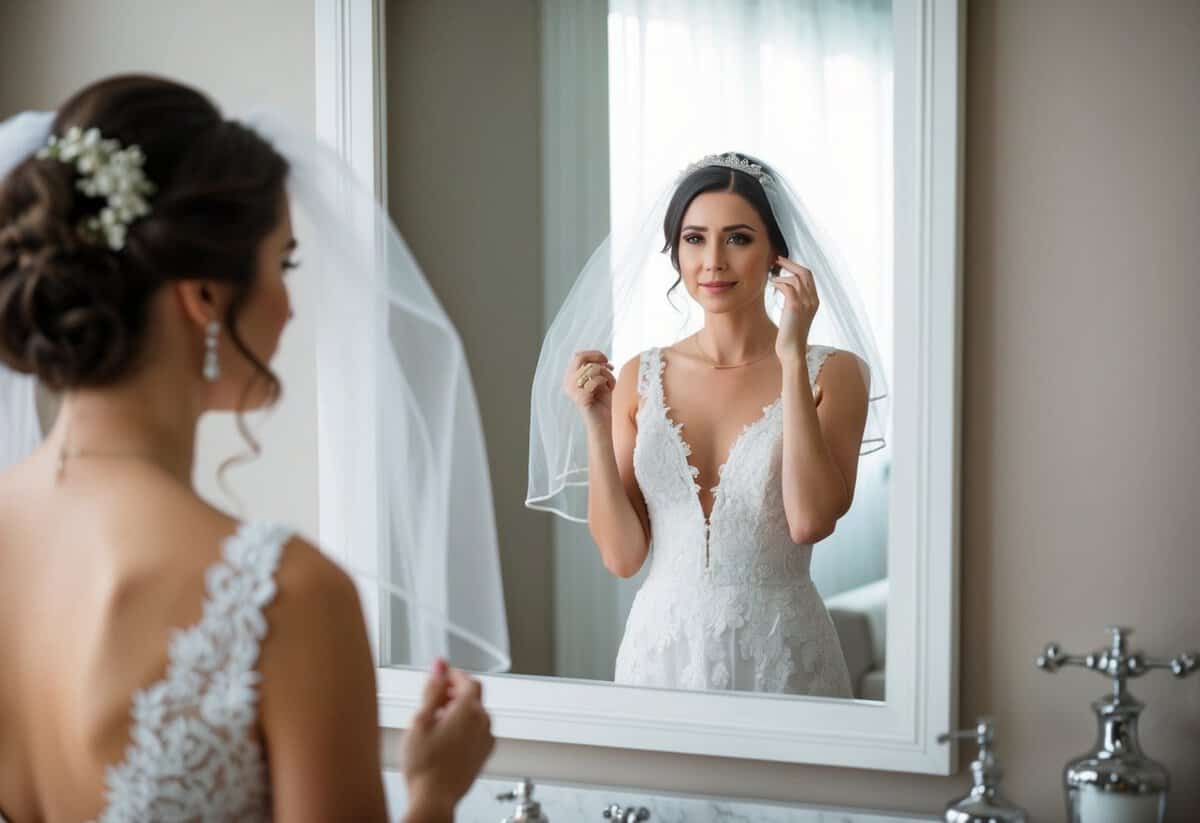
Wearing a veil can carry deep meaning and tradition. It is essential to consider cultural, religious, and modern contexts when deciding whether to wear one. Below, you will find important insights into these aspects.
Cultural and Religious Considerations
In many cultures, veils symbolize purity and modesty. For example, in some religious traditions, such as Islam and Catholicism, the veil serves as a sign of respect and devotion. Muslim women often wear hijabs, demonstrating faith and commitment. Similarly, in Catholic practices, veils are worn during Mass. They signify a connection to the sacred and are not just for brides. These cultural values can help you decide if a wedding veil holds meaning for you within your own background.
Veil Meaning in Modern Weddings
Today, the perception of wedding veils has evolved. Many brides still opt for a traditional veil, wanting to honor the classic look. However, some choose not to wear one to express individuality. The wedding veil meaning has shifted as trends change. Some brides see veils as outdated, while others embrace them as part of the bridal aesthetic. Deciding against a veil can be a powerful statement about your personal style. It’s important to choose what feels right for you on your special day.
Choosing the Right Veil for Your Wedding
Selecting a veil is an exciting part of your wedding planning. It should enhance your look and reflect your style. Here are important factors to consider, including styles, how to match with your dress, and coordinating with your hairstyle and accessories.
Veil Styles and Lengths
There are various veil styles and lengths to choose from. The birdcage veil offers a vintage touch and typically falls just over your face. Fingertip length veils are versatile, reaching your fingertips and complementing most styles. For a dramatic look, consider a cathedral veil, which extends beyond your dress for an elegant flair. Then there’s the chapel length veil, which is slightly shorter than cathedral veils. Each style brings a unique feel to your wedding attire, so think about which one makes you feel beautiful and confident on your big day.
Matching Veil with Wedding Dress
When selecting a veil, it’s crucial to match it with your wedding dress. Start by considering the fabric of your gown. For example, if your dress is lace-detailed, a lace-edged veil can create a lovely blend. If your dress is simple, a veil with more embellishments may add flair. Make sure the color of the veil complements your gown. Classic white veils suit most white dresses, while ivory or colored veils can add a unique touch. Don’t forget to consider the overall shape of your gown; a structured dress pairs nicely with heavier veils, while softer gowns look great with lighter styles.
Coordinating with Hairstyles and Accessories
Your hairstyle plays a big role in choosing the right veil. Whether you go for an updo, loose waves, or a sleek look, the veil should complement it. For an updo, consider attaching a birdcage veil or a small tiara for elegance. If you prefer flowing hair, a long veil can add a beautiful contrast. Accessories like headbands or floral elements can work well. Be sure they don’t compete with your veil. Discuss options with your hairstylist to create a cohesive look that enhances your signature style while ensuring comfort throughout your special day.
Practical Considerations When Planning to Wear a Veil
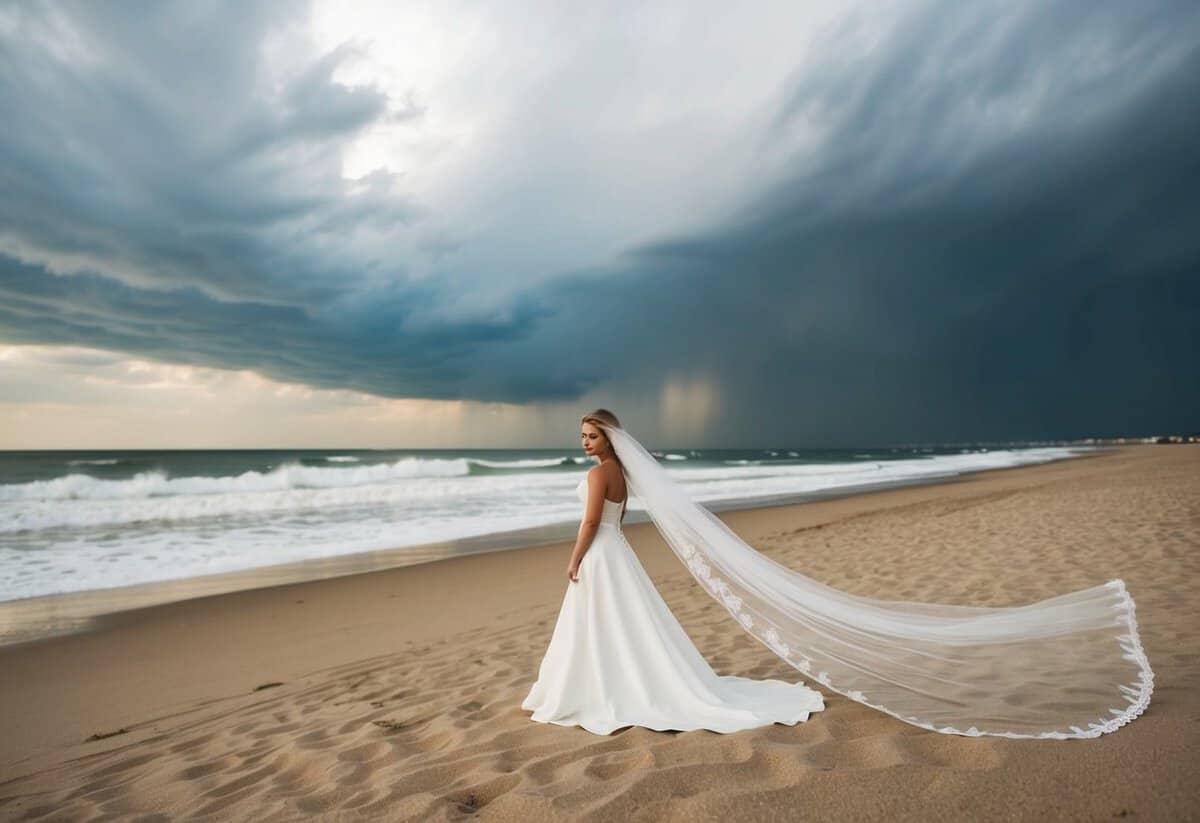
When considering whether to wear a veil, there are several practical factors you should think about. Your comfort, the weather at your wedding venue, and the importance of family heirlooms all play a role in your decision.
Comfort and Manageability
Some veils can be heavy or cumbersome, making them challenging to wear throughout the day. If you’re having a long wedding or will be moving around a lot, think about how the veil will feel on your head. You might prefer lightweight options or shorter styles that are easier to manage. Remember, you’ll want to enjoy your day without constantly adjusting your veil during the ceremony or while taking wedding photos.
Weather and Venue Appropriateness
Consider the weather and the location of your wedding. If you’re planning an outdoor wedding, wind can make wearing a veil tricky. A lightweight veil may blow around and become bothersome. Additionally, think about the type of venue. In a more casual setting, such as a civil ceremony, a formal veil might look out of place. Make sure your veil matches the tone of your wedding and feels appropriate for the occasion.
Heirlooms and Personal Values
If you have a family heirloom veil, it may hold sentimental value. This can add deep meaning to your wedding day.
Consider the history behind it and how it aligns with your values.
Wearing something passed down through generations can make your ceremony feel more special.
Be sure to think about how you can honor your family’s traditions while also reflecting your personal style on your big day.