
When Should You Not Wear a Wedding Ring? Key Situations to Consider
When it comes to your wedding ring, there are times when you might choose not to wear it. Taking off your wedding ring is often okay, especially when you’re in situations that could damage it or when you want to avoid discomfort. It’s important to remember that your love and commitment to your partner goes beyond this symbol of your marriage.
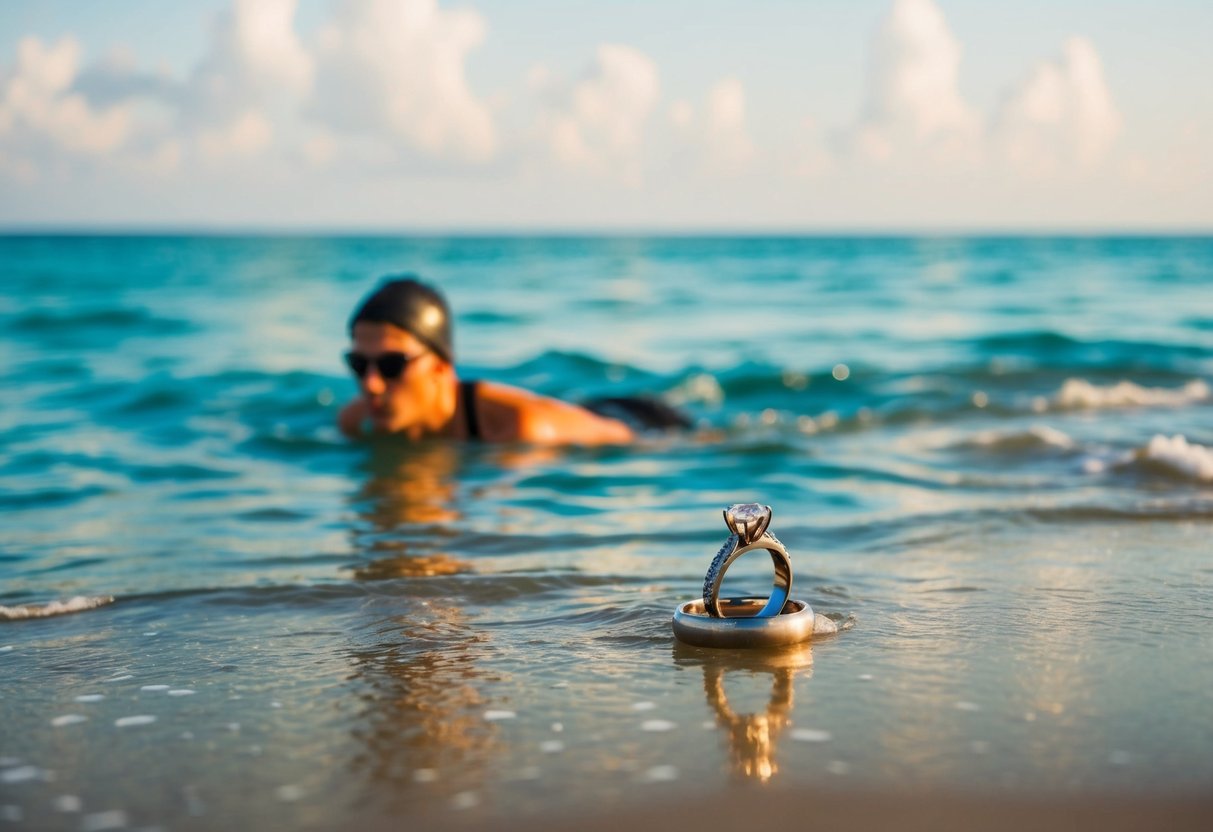
You might find that certain activities, like working out, gardening, or swimming, make it practical to leave your ring off. In these moments, focusing on your emotional connection with your spouse is what truly matters. After all, it’s the promise exchanged during the wedding ceremony that defines your bond, not just the ring itself.
Some people might worry that not wearing your ring could raise questions about your commitment. But open communication with your partner can ease any concerns. Exploring when it’s appropriate to remove your wedding ring can help you feel more at ease while still honoring your relationship and the love you share.
Understanding Wedding Ring Etiquette
When discussing wedding ring etiquette, it’s essential to recognize the cultural and personal significance behind the wedding band. This includes understanding the symbolism of the ring and the traditions surrounding the exchange of rings during the marriage ceremony.
Symbolism of the Wedding Band
The wedding band is not just a piece of jewelry; it represents a deep commitment between partners. It serves as a constant reminder of your marital vows and the love you share.
Wearing a wedding ring signifies your marital status to others. It can convey your dedication to your spouse. In some cultures, the absence of a ring may be seen as a sign of lack of commitment, which is why many choose to wear it daily.
A wedding band is often described as a symbol of eternity. The circular shape has no beginning or end, signifying a never-ending bond between you and your partner.
Exchanging Rings and Marital Vows
Exchanging rings is a crucial moment in most wedding ceremonies. This act usually occurs after reciting your marital vows. It represents the promise to love and support each other throughout life’s ups and downs.
During this exchange, each partner places the ring on the other’s finger. This gesture signifies acceptance of the vows being taken. It also marks the official commitment to a shared life.
In various traditions, the rings are blessed or exchanged in front of family and friends, enhancing their meaning. This public display can further emphasize the bond between you and your spouse. Recognizing the importance of this ritual can help you appreciate the significance of wearing your wedding ring.
Situations Where Removing a Wedding Ring Is Advisable
There are specific situations where it’s wise to take off your wedding ring. Doing so can help protect both your ring and your skin from potential harm. Below are some important circumstances to consider.
During Physical and Outdoor Activities
When you engage in activities like gardening, playing sports, or heavy lifting, it’s best to remove your ring. During these tasks, there is a chance of the ring getting caught on objects or causing harm to your finger.
In gardening, your hands come into contact with soil and other materials. This can lead to dirt getting trapped under the ring, which can be uncomfortable and unhygienic.
Additionally, during physical activities, sweat can build up, causing irritation. Keeping your ring safe and your fingers comfortable is the goal here.
When Exposed to Harsh Chemicals
Harsh chemicals found in cleaning products or gardening supplies can harm your ring and skin. Chlorine, often used in pools and cleaning products, can damage certain metals and stones.
When cleaning or using chemicals, remove your ring to prevent discoloration and wear. For example, using bleach or other strong cleaners can weaken the integrity of your ring over time.
If you are gardening and need to use pesticides or fertilizers, the chemicals can not only affect your ring but can also irritate your skin.
While Swimming or Bathing
Swimming in a pool, hot tub, or ocean is another time to consider removing your wedding ring. Chlorine from swimming pools can lead to tarnishing and dulling of your ring’s shine.
In salt water, the minerals can stick to your ring, making it look less appealing. Cold water can also cause your fingers to shrink slightly, increasing the risk of losing your ring while swimming.
When bathing, soap can create a slippery situation where your ring might easily slip off. To keep your ring secure, it’s smart to take it off during these water activities.
Types of Wedding Rings and Their Care
Knowing the types of wedding rings and how to care for them is essential for keeping your rings looking beautiful. Different materials require specific attention to maintain their shine and durability.
Considering Material Durability
When choosing your wedding ring, keep in mind the material’s durability. Titanium rings are popular due to their strength and light weight. They resist scratching, making them perfect for everyday wear.
Gold and platinum rings, on the other hand, are softer and prone to scratches. If your ring is made of these metals, avoid activities that could lead to damage, like gardening or heavy lifting.
Consider your lifestyle when selecting a ring. If you’re active, a titanium wedding band might be better suited for you. Take care to clean your rings regularly to prevent dirt buildup. A soft cloth and gentle soap will do the trick!
Special Care for Unique Rings
Unique rings, like engagement rings with gemstones, require special attention. The settings can loosen over time, so it’s wise to have them checked periodically.
If you have rings with sentimental value or intricate designs, avoid wearing them during activities like cooking or exercising. Chemicals in lotions can dull your ring’s shine.
To clean these rings, use a mixture of mild soap and water. For more delicate gems, consult a professional jeweler for advice on cleaning. Remember to store rings separately to avoid scratching, especially when you’re not wearing them.
Personal Preferences and Communication

Choosing whether to wear a wedding ring often comes down to personal preference and communication with your partner. Understanding each other’s views is key to maintaining a healthy relationship.
Respecting Personal Choice
Not everyone feels the need to wear a wedding ring all the time. This choice can be influenced by many factors, such as comfort, allergies, or lifestyle.
You might prefer to leave your ring off when doing certain activities that can cause damage, like exercising or working with your hands.
It’s important to respect these choices. Wearing a wedding ring should not feel like an obligation but a representation of your commitment. Many couples agree that love and connection matter more than the physical symbol of a ring.
Discussing Ring-Wearing Habits with Your Partner
Open communication is essential when it comes to wearing a wedding ring. If you choose not to wear yours, talk to your partner about it. This conversation can help prevent misunderstandings or feelings of neglect.
Ask about their feelings on ring-wearing too. You might find that they also have specific preferences.
Discussing this openly shows that you value their thoughts and feelings. The goal is to ensure both partners feel comfortable and respected in their choices regarding wearing a ring.