
When Should You Start Organising a Wedding? Tips for a Smooth Planning Journey
Starting to plan your wedding can feel overwhelming, but it doesn’t have to be. You should start organizing your wedding as soon as you get engaged. This gives you ample time to explore options, set a budget, and select your ideal venue without the pressure of last-minute decisions.
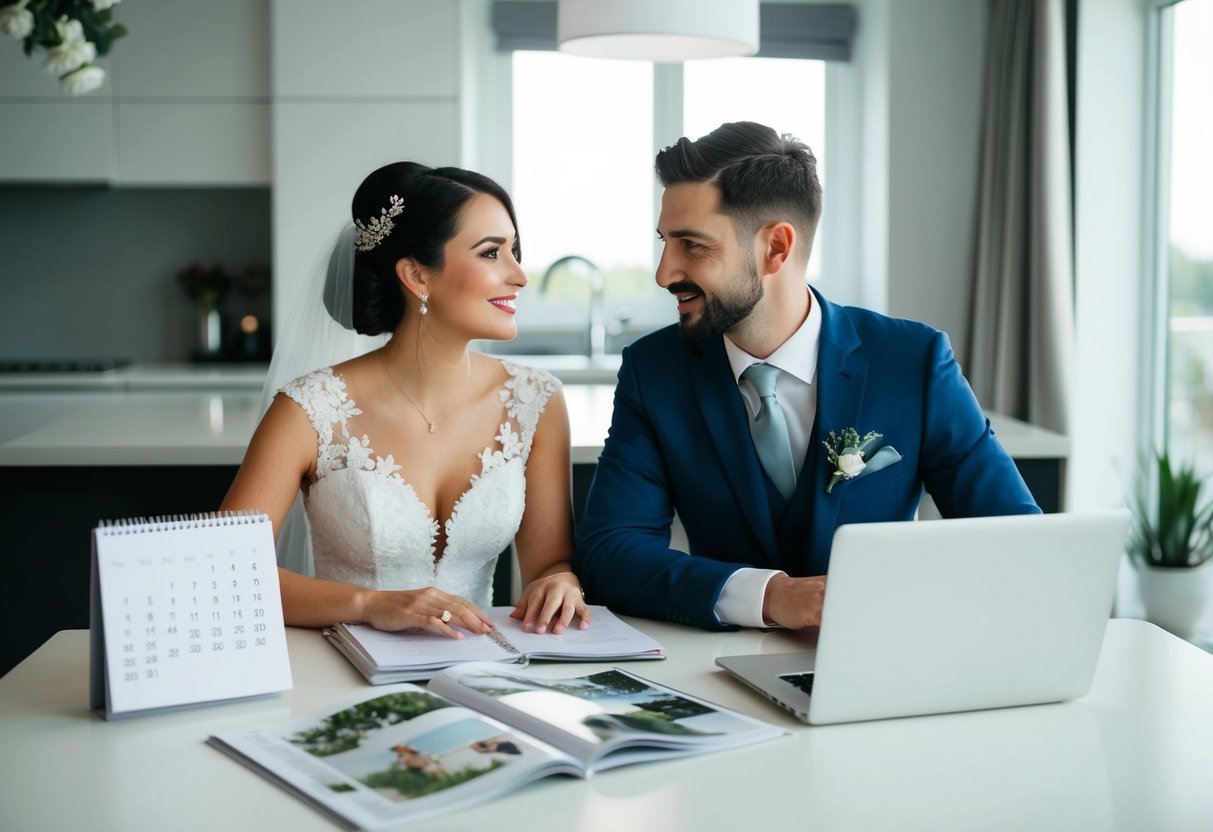
When you take those first steps early, you can enjoy the journey of creating your special day. Consider all the details, from choosing vendors to designing invitations. Planning ahead allows you to carefully consider every aspect of your wedding, making it a celebration that truly reflects you and your partner.
Remember, wedding planning is not just about the big day; it’s about making memories along the way. Starting early means you can savor each moment of this exciting time in your life.
Setting Your Wedding Vision and Priorities

Before diving into planning, it’s essential to clarify your wedding vision and priorities. This foundation will guide your decisions and create a celebration that feels true to you as a couple.
Determining Your Wedding Style
Your wedding style reflects who you are as a couple. Think about themes that resonate with you both. Is it rustic, modern, vintage, or romantic? Each style can impact every part of your wedding, from invitations to decor.
Consider creating a list of words that describe your ideal wedding. For instance, do you want it to be elegant, fun, or cozy? This list can help you stay on track when making decisions. Also, don’t shy away from discussing preferences openly with your partner.
Creating a Mood Board for Inspiration
A mood board is a visual tool that can spark creativity and clarify your vision. Gather images, colors, and textures that fit your wedding style. Use platforms like Pinterest or physical boards with cutouts from magazines.
Start by choosing a color palette that resonates with both of you. Then, add images of flowers, venues, and decorations that inspire you. This board will serve as a reference throughout your planning. It helps to filter ideas and keep your vision consistent, ensuring everything aligns with your desired theme.
Creating Your Wedding Planning Timeline and Checklist
Starting to plan your wedding can feel overwhelming, but having a clear timeline and checklist will help you stay organized. Knowing when to tackle specific tasks is key to a smooth planning experience.
Choosing Your Wedding Date
Selecting your wedding date is one of the first and most important steps. Your date affects everything from venue availability to guest attendance. Think about seasons, holidays, and any significant dates in your relationship.
When choosing a date, consider the following:
- Venue Availability: Popular venues book quickly, especially in peak season.
- Guest Travel: If you have out-of-town guests, choose a date that’s easy for travel.
Aim for a date at least a year away. This gives you time to plan without feeling rushed. Consider creating a tentative list of dates and discussing these with your partner to pick a date that feels right for both of you.
Understanding Essential Milestones
Once your date is set, you can develop a wedding planning timeline and checklist. Here are some essential milestones to include:
- Engagement Announcement: Share your exciting news with friends and family.
- Budgeting: Determine how much you can spend, and create a budget.
- Guest List: Start drafting your guest list, as this will impact your venue choice and budget.
- Vendor Research: Research and book key vendors like the venue, caterer, and photographer.
Consider using a wedding planning checklist to track these milestones. Regularly reviewing it can help you stay on track and adjust your plans as necessary. Adjust timelines based on your specific needs, as no two weddings are the same.
Securing the Main Wedding Elements
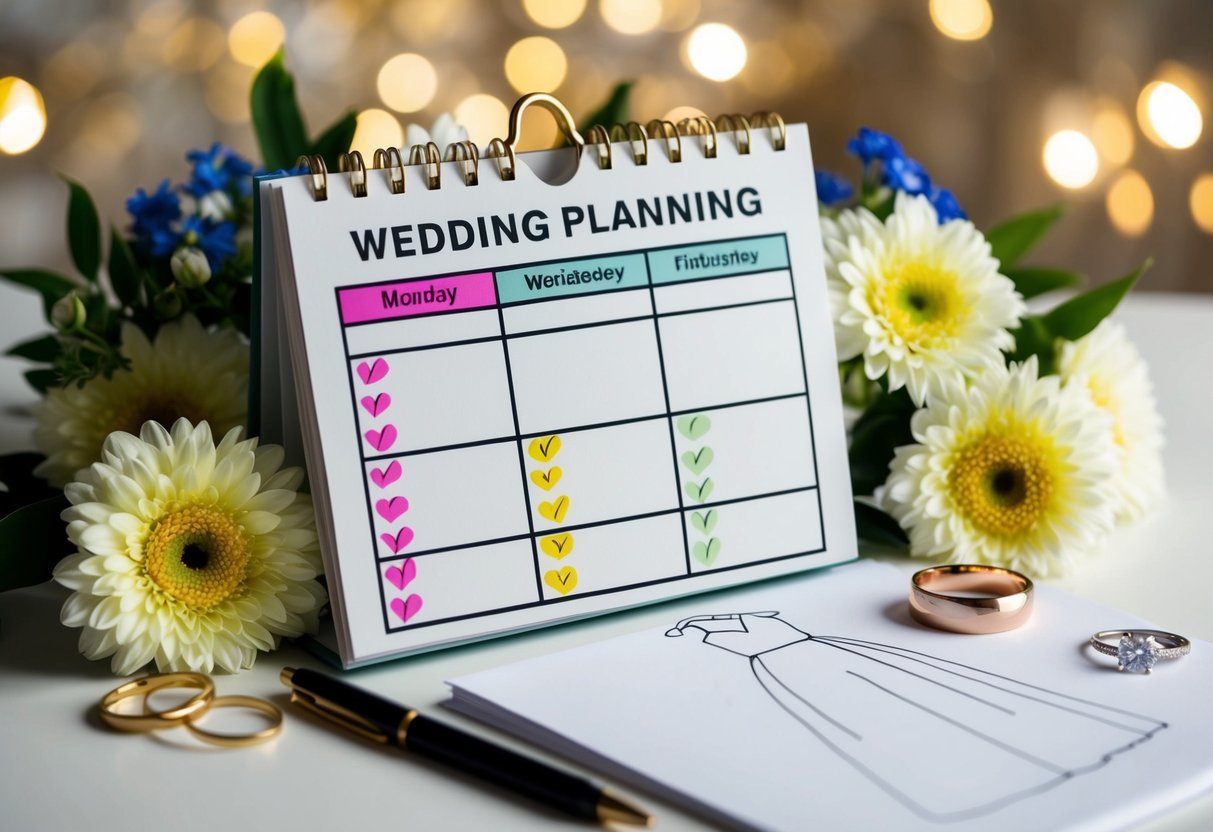
When you start planning your wedding, securing the main elements is crucial. You’ll need to focus on booking your venue, hiring vendors, and curating your guest list. These steps set the foundation for your big day.
Booking Your Wedding Venue
Choosing a wedding venue is one of the first decisions you’ll make. It’s important to select a location that fits your style and size requirements.
Think about the following:
- Type of venue: Do you prefer a garden, beach, or barn?
- Guest capacity: Make sure it can comfortably host your list.
- Availability: Popular venues often book up fast, so check dates early.
Once you have some options, schedule visits to get a feel for each place. Don’t forget to ask about things like catering restrictions and décor policies. This helps you understand what you can and cannot do.
Hiring Key Vendors and Wedding Planner
Once your venue is set, it’s time to hire key vendors. You’ll want to think about:
- Caterers: Great food can elevate your celebration. Ask about menus and tasting sessions.
- Photographers/Videographers: Look for someone whose style matches your vision. Review portfolios and ask for recommendations.
- Florists: Flowers add beauty. Discuss your theme and budget.
Consider hiring a wedding planner for extra help. They can coordinate everything, find the best vendors, and save you time. A planner is especially helpful if you feel overwhelmed.
Curating Your Guest List and Wedding Party
Creating your guest list is both exciting and challenging. Start with a rough list of family and friends you want to invite.
Then, think about the criteria:
- Capacity: Make sure your venue can accommodate everyone.
- Budget: More guests mean higher costs, so prioritize who matters most.
As for your wedding party, choose people who will support you. Think about family members and close friends who make you feel loved. This commitment helps create a special atmosphere on your day.
Finalizing the Details
At this stage, you’ll focus on completing important tasks that will make your wedding day feel more polished and organized. This includes sending out invitations, choosing your attire, and coordinating all the necessary logistics for a smooth celebration.
Sending Out Invitations and Save-the-Dates
Start with sending out save-the-dates to give your guests a heads-up about your wedding date and location. This can be casual and allows everyone to mark their calendars. You should send these out about six to eight months before the wedding.
For formal invitations, aim to send them approximately eight weeks prior to the big day. Make sure your invitations match your wedding theme and include essential details like the venue, date, time, and RSVP information.
Don’t forget to consider how many invitations you’ll need. It’s wise to order a few extra to account for any last-minute changes. Also, think about wedding insurance to protect against potential issues that could arise.
Choosing Wedding Attire and Fittings
Choosing your wedding dress is one of the most exciting parts of planning. Start shopping early, around six to eight months before the ceremony, as some dresses may take time for special orders.
You’ll also need to consider attire for your bridal party. Plan fittings for bridesmaid dresses, tuxedos, and any other outfits. Make sure everyone has time to try on their clothing and make adjustments.
Schedule multiple fittings so your dress fits perfectly. Don’t forget accessories like shoes, veils, and jewelry. These should complement your dress and complete your overall look for the ceremony and reception.
Coordinating Logistics for the Day
To ensure everything goes smoothly, outline the logistics for your wedding day. This includes setting up the timeline for the ceremony and reception.
Create a detailed schedule that includes vendor arrivals, setup times, and key moments like the first dance.
Communicate your timeline with vendors, including the caterer, florist, and the DJ or band. Confirm their arrival times and make sure they have all the necessary details.
Consider creating a checklist to track these logistics. It helps in ensuring nothing is forgotten.
Keeping these details organized will help reduce stress and allow you to enjoy your special day.