
When Should You Start Organising a Wedding? A Helpful Timeline for Couples
Starting to plan your wedding can feel overwhelming, but it doesn’t have to be. The best time to begin organizing your wedding is about 12 to 18 months before your big day. This timeline gives you enough room to breathe and make thoughtful choices without rushing, which is especially important when selecting your venue and vendors.

Once you get engaged, the first steps are crucial. You can start by creating a vision for your wedding, discussing your budget, and drafting a guest list. Knowing when to act on these tasks can set the tone for the rest of your planning journey. By taking things one step at a time, you’ll find the process can be enjoyable rather than stressful.
With the right timeline in mind, you can focus on the details that truly matter. Planning your wedding gives you the chance to make unforgettable memories with your loved ones. Embrace the excitement and love that comes with each decision you make along the way!
Setting Your Wedding Priorities

Setting your wedding priorities is a key step in planning. Focusing on what matters most to you will make the planning process smoother and more enjoyable. It’s important to consider your budget, establish a timeline, and envision your unique style.
Determining Your Budget
Begin by outlining your wedding budget. Knowing how much you can spend helps guide your decisions. List your priorities, like venue costs, food, and décor.
- Break down your budget: Allocate funds to each area.
- Consider hidden costs: Include tips, taxes, and extra fees.
Don’t hesitate to discuss finances with your partner. Being transparent helps avoid surprises later on. Prioritizing your spending ensures you can focus on what’s truly important for your special day.
Establishing a Timeline
Creating a wedding planning timeline is essential. It helps keep everything organized and ensures you complete tasks in a timely manner. Start by setting your wedding date, then work backward.
- Make a checklist: Include important tasks like booking the venue and sending invitations.
- Set deadlines: Assign specific dates for each task to stay on track.
Consider the time needed for vendors and other arrangements. Planning ahead reduces stress and gives you peace of mind as the big day approaches.
Envisioning Your Wedding Style
Your wedding style reflects your personality as a couple. Think about the overall vibe you want for the day. Consider elements like colors, themes, and décor. This vision will guide your choices throughout the planning process.
- Gather inspiration: Use platforms like Pinterest to collect ideas.
- Discuss your vision: Share thoughts with your partner to align on your dream wedding.
Deciding on a style early will simplify decisions about attire, flowers, and venue. Focus on what resonates with you both. This connection to your vision makes for a more meaningful celebration.
The Essentials of Wedding Planning

Planning a wedding involves several key tasks that lay the groundwork for your special day. From choosing a date and guest list to securing the venue and hiring vendors, each step is crucial for a smooth planning process.
Selecting the Perfect Date
Your wedding date sets the tone for the entire event. Begin by considering the season or month that best fits your vision. Popular months often require earlier bookings.
Important factors to consider:
- Availability: Verify the availability of your desired venue.
- Holidays: Avoid busy holiday weekends to ensure better attendance.
- Weather: Think about the typical climate during your chosen season.
Once you have a date in mind, send out save-the-dates to your guests. This will give them ample time to plan for your big day.
Creating the Guest List
The guest list is essential as it affects nearly every aspect of your wedding. Start by listing everyone you would like to invite, then group them into categories like family, friends, and work colleagues.
Consider these points:
- Budget: Remember, more guests often mean higher costs.
- Venue capacity: Make sure your venue can comfortably accommodate your list.
- Plus-ones: Decide if you will allow guests to bring a partner or a friend.
Keep your list flexible. It can change as you finalize details or receive RSVPs.
Booking Your Dream Venue
Choosing the right venue is crucial for your wedding. Begin your search with a clear vision of what you want. Consider indoor vs. outdoor options, as well as location.
Key steps to booking:
- Visit multiple venues: Schedule tours to experience spaces firsthand.
- Ask questions: Inquire about packages, capacity, and any restrictions.
- Book early: Popular venues fill up quickly, so secure your date as soon as possible.
Don’t forget to review the contract carefully to understand all fees and policies related to cancellations or changes.
Hiring Your Wedding Vendors
Vendors play a vital role in making your wedding day enjoyable. This includes everyone from caterers to photographers.
Important vendor considerations:
- Research: Look for recommendations from friends or use wedding sites.
- Interviews: Meet with potential vendors to discuss your vision and expectations.
- Compare prices: Always ask for quotes and check what is included.
Vendors to consider include a wedding planner, catering service, photographer, florist, and the bakery for your wedding cake. Ensure that each vendor aligns with your budget and style preferences.
Design and Attire
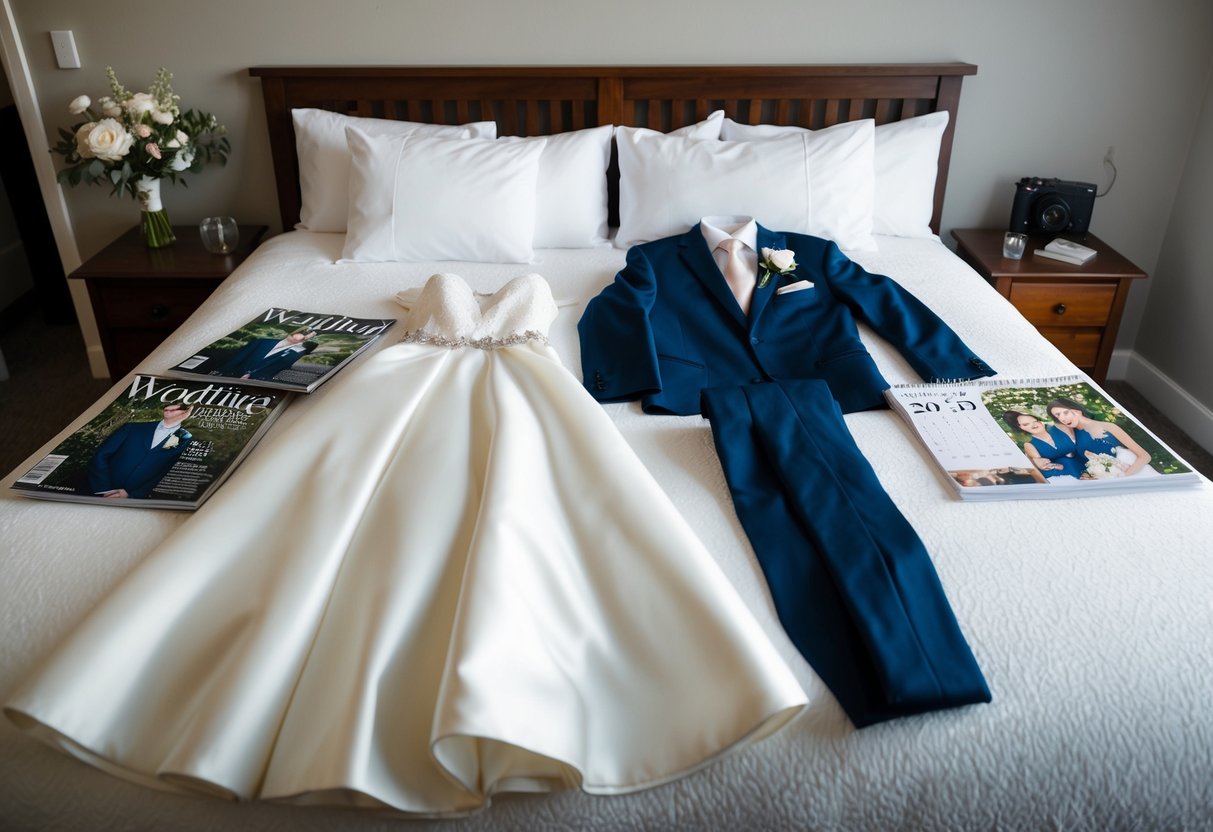
Your wedding attire and design choices play a key role in setting the mood for your special day. From selecting the perfect wedding dress to designing for your theme, each choice makes your wedding uniquely yours.
Selecting Your Wedding Attire
Choosing your wedding dress is one of the most exciting parts of planning your wedding. Start shopping early, as many dresses take months to arrive. Visit bridal boutiques and try on various styles to find the one that flatters you best.
Don’t forget bridesmaid dresses! These outfits should complement your dress and fit the wedding theme. Consider the dress code for your event. Will it be formal, semi-formal, or casual? This helps you choose the right attire for everyone involved.
Schedule fittings to ensure everything fits correctly. Bring your shoes and any accessories during these appointments. This way, you can see how everything comes together!
Designing for Your Wedding Theme
Designing your wedding to match a specific theme brings everything together beautifully. Start by identifying your theme and color palette. A mood board is a great way to visualize how these elements will work.
Consider decorations, floral arrangements, and even the cake. Each detail should reflect your chosen theme. If you’re going for a vintage look, select vintage-inspired decor and attire.
Pay attention to the little things, like table settings and invitations. All these elements should harmonize with your overall vision. Once you have a clear design idea, your wedding will truly feel like a reflection of you and your partner.
Communication and Final Touches
Clear communication is key during the final stages of your wedding planning. You want to ensure everyone is on the same page and that all details are sorted out. Here are some essential areas to focus on as you prepare for your big day.
Sending Out Invitations
Start by finalizing your guest list. Knowing the total headcount helps with invites and seating. Once you have your list, choose whether to send physical invitations or use a digital format.
Creating a wedding website can streamline communication with your guests. Include details about the venue, date, and time. Plus, share information like RSVP links and accommodations. Social media can also be a helpful tool. Use a specific hashtag for your wedding, so guests can share photos and experiences.
Finalizing Details with Vendors
As the big day approaches, confirm the final details with all your vendors. This includes the caterer, florist, photographer, and entertainment. Provide each vendor with a detailed schedule of when and where they need to be.
Double-check that all items like wedding favors and décor are ready. Send a friendly reminder email about a week before the event. Clear communication prevents misunderstandings and ensures everyone is aligned with your vision.
Coordinating Hotel and Transport
If your venue is a bit far from where most guests will stay, arrange hotel room blocks. Reach out to local hotels for group rates.
Make sure to share the hotel information on your wedding website. Include how to book and any discounts available.
Lastly, plan for transportation on your wedding day. Hiring shuttles can make it easy for guests to get to and from the venue.
Confirm timelines with your driver, ensuring they know the schedule for transporting guests. This way, everyone can relax and enjoy the day!