
When Shouldn’t You Wear a Wedding Ring? Understanding the Situations to Consider
Wearing a wedding ring is a meaningful expression of your love and commitment. It symbolizes the bond you share in your marriage. Yet, there are moments when it may be wise to take off your ring to protect both the ring and your finger.
You should avoid wearing your wedding ring during activities that may damage it, such as swimming, cooking, or exercising. These situations can lead to scratches, loss, or even injury. Knowing when to remove your ring can help maintain its beauty and significance.
In this article, you’ll discover various situations where it’s better not to wear your wedding ring. From practical scenarios to personal preferences, understanding these moments can help you navigate your daily life while honoring your commitment.
Understanding the Symbolism of Wedding Rings
Wedding rings hold a special meaning beyond their physical beauty. They symbolize eternity and commitment between partners, and they reflect cultural traditions and practices that vary around the world.
Symbol of Eternity and Commitment
A wedding ring represents the unending love between you and your partner. The circular shape symbolizes eternity, with no beginning and no end. This serves as a constant reminder of your commitment to one another.
When you wear your wedding band, it signifies that you are devoted to your relationship. Many couples cherish the moments tied to their rings, like the vows exchanged during the ceremony. This act of putting the ring on signifies the bond created at that moment, honoring the love you share.
Traditionally, wearing the ring on the fourth finger of the left hand is common. This custom traces back to beliefs about a vein that connects this finger directly to the heart. Wearing a wedding ring lets everyone know about your commitment and the love you hold for your partner.
Cultural Significance and Traditions
Wedding rings also embody various cultural traditions. Different cultures have their unique customs surrounding these symbols of love. For instance, in some cultures, couples exchange rings during engagement and at the marriage ceremony.
In others, wedding bands may be worn differently or incorporate specific materials and designs that reflect cultural heritage.
Some traditions even implement unique rituals during the ring exchange, solidifying the bond in a way that honors family or community ties. The significance of the wedding ring varies, but it is always a cherished symbol of love and commitment in any relationship.
Occasions When Removing a Wedding Ring Is Advisable
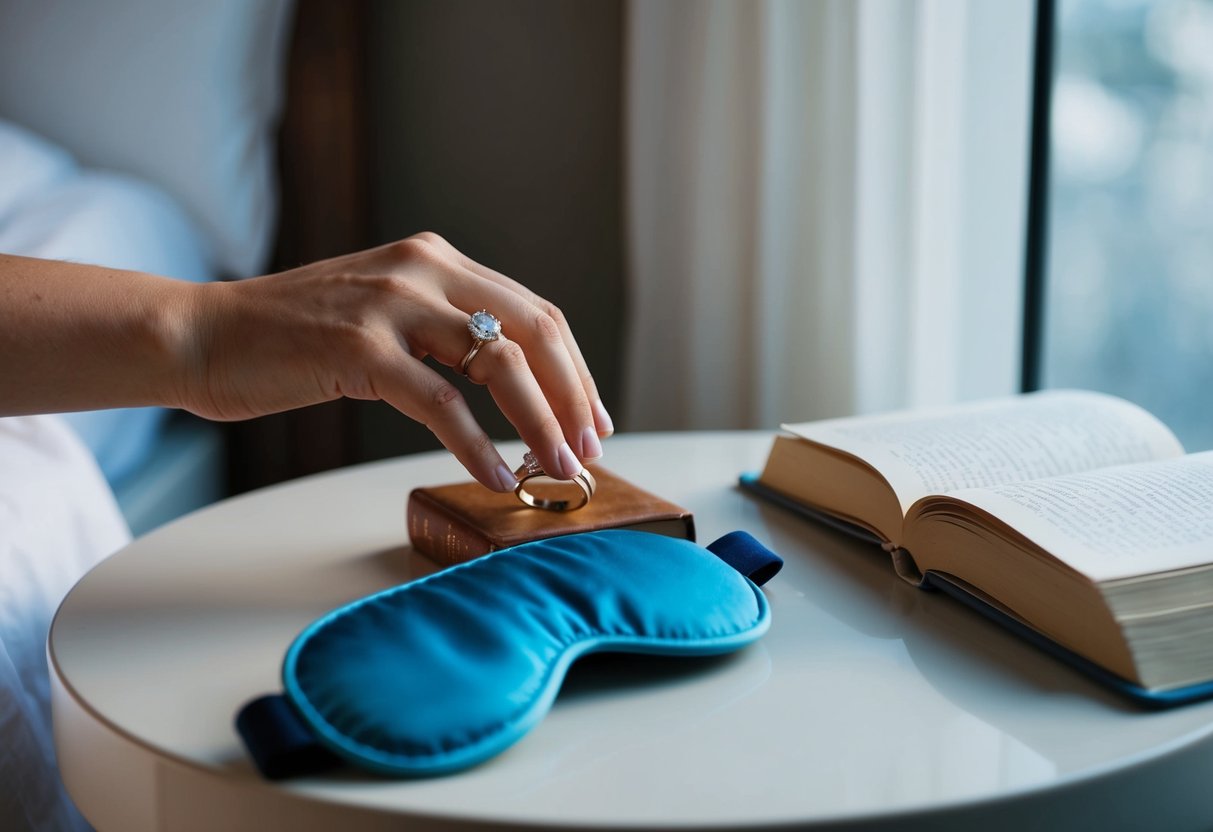
There are specific situations where taking off your wedding ring is important for your safety, comfort, and hygiene. Understanding when to remove your wedding jewelry can help avoid damage to the ring and ensure your hands stay protected during various activities.
Professional and Safety Reasons
In some jobs, wearing a wedding ring can pose safety risks. If you work with heavy machinery or in a medical environment, it’s best to take off your ring.
For example, if you’re a mechanic, a ring can get caught in machinery, leading to serious injuries. In medical settings, jewelry can harbor bacteria. It’s wise to keep your ring in a safe place while on the job to prevent accidents and maintain hygiene.
During Physical Activities
Engaging in physical activities such as sports, exercise, or manual labor can also be a reason to remove your ring. During these activities, the ring can cause discomfort or even injury.
For instance, if you’re lifting weights, the ring might constrict your finger or get damaged. Playing sports can result in scratches or nicks. Take off your wedding ring before participating to protect both your ring and your hands.
When Cleaning or Handling Chemicals
Certain household chores can be tough on your wedding jewelry. When cleaning with strong chemicals or bleach, it’s a good idea to remove your ring.
Chemicals can react with the metals in your wedding ring and damage its finish. Even dish soap can dull the shine over time. To keep your ring looking its best, take it off during chores that involve harsh cleaning agents.
Personal and Social Contexts Affecting Wedding Ring Wear
Your choice to wear or not wear a wedding ring can depend on personal feelings and social situations. Understanding these aspects can help clarify your decision.
Respecting Individual Preferences
Everyone has unique reasons for wearing or not wearing their wedding rings. Some people find comfort in the ring’s symbolism of love and commitment. Others may feel restricted by it, especially if they are new to wearing jewelry.
Consider these common personal preferences:
- Comfort: Some rings can be uncomfortable or cumbersome in daily life.
- Allergies: Certain metals may cause skin reactions, leading to avoidance.
- Lifestyle Changes: If your routine changes, such as starting a new job, it may affect your decision.
Married couples should support each other’s choices about their rings. Understanding that preferences vary is key to maintaining respect in your relationship.
Navigating Relationship Dynamics
Any relationship can experience changes that influence whether you wear a wedding ring. These dynamics may arise from personal situations or external pressures.
For example, if you or your partner feel uncertain about the relationship, you might hesitate to wear your ring. Situations like separation or emotional distance often lead to this.
Awkward moments can arise from the following:
- Social Situations: You may choose not to wear your ring when meeting new people or during outings without your partner.
- Cultural Norms: In some cultures, not wearing a wedding ring may be more acceptable.
Your relationship status can shape how you feel about your ring. Maintaining open and honest communication with your partner is essential in these cases.
Special Considerations for Different Types of Rings
When choosing when to wear your rings, consider factors like skin sensitivities and the durability of the materials. Not all rings are made the same, and understanding these details can help prevent discomfort and make your rings last longer.
Allergies and Skin Sensitivity
Some people experience allergies or sensitivities to certain metals. If you have sensitive skin, be cautious with rings made from nickel, commonly used in cheaper jewelry. This can lead to rashes or irritations.
Porous stones in some engagement rings may also harbor bacteria if they come into contact with lotions or soaps, leading to skin issues. If you notice irritation, it might be best to avoid wearing your ring during your daily skincare or cleaning routines.
Choosing titanium rings can be a good option since they are hypoallergenic and less likely to cause allergic reactions. Always check the materials before purchasing a ring, especially if you have had skin issues in the past.
The Durability of Metal Types
Different metals affect how and when you should wear your wedding band or engagement ring. For instance, gold and silver rings are soft, which means they can scratch or bend easily. You risk damaging these rings if you wear them during heavy work or exercise.
In contrast, titanium rings are known for their strength and resistance to scratching. This means you can wear them in more active situations without fear. If your lifestyle involves a lot of physical activity, you might prefer a stronger metal.
Consider the settings and stones in your rings as well. Some gemstones can be more delicate, making certain engagement rings unsuitable for daily wear during rigorous activities. By evaluating the durability of your ring, you can better decide when it’s best to take it off.