
When to Do Parent Dances at a Wedding: Timing Tips for a Memorable Moment
Timing your parent dances at a wedding is important for creating a memorable atmosphere. The best times to do parent dances are right after your first dance or just after dinner. This allows for a natural flow of events and keeps guests engaged.
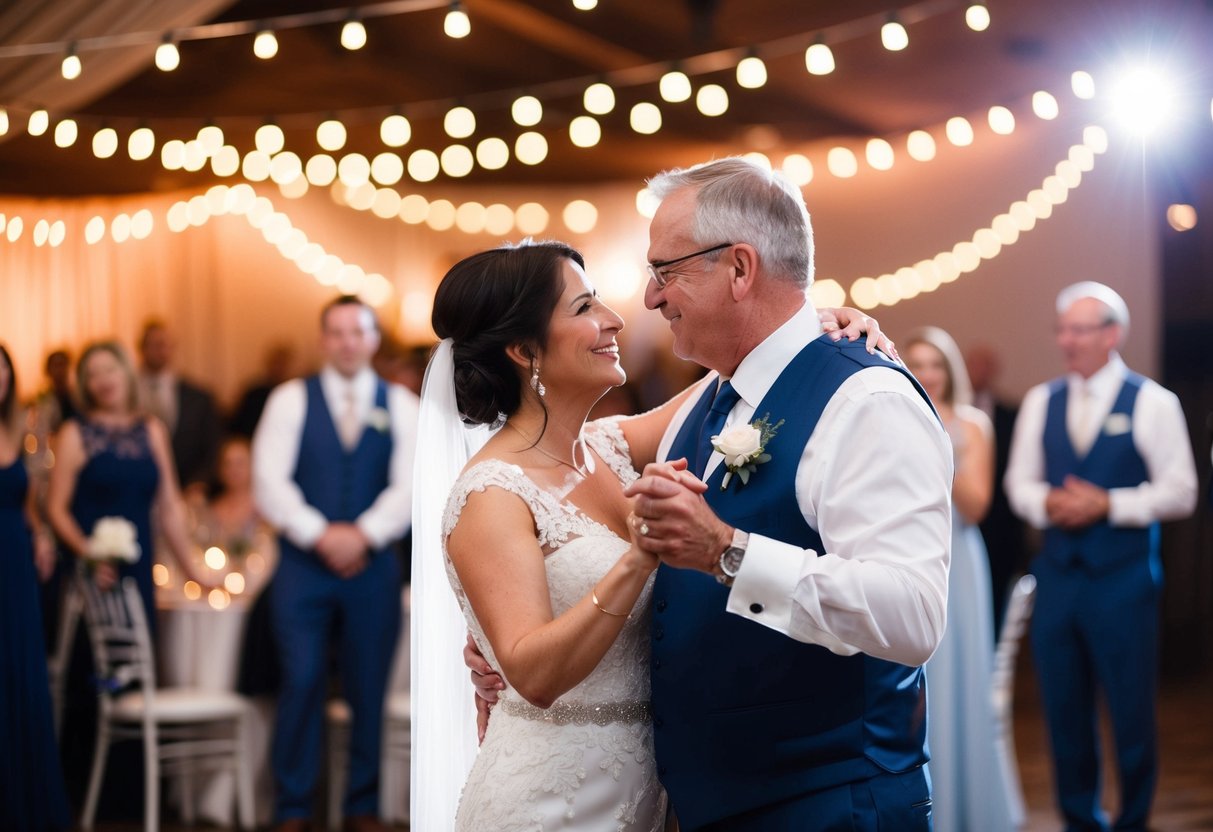
During these moments, you can highlight the significance of family, making it a touching experience for everyone involved. Choosing the right time helps set the mood for the rest of the celebration, ensuring that everyone feels included.
As you plan your big day, consider how these dances fit into the overall timeline. You want to make sure your cherished moments with parents are enjoyed by your guests and enjoy a special place in the heart of your wedding.
Planning Your Wedding Reception Timeline
Creating a timeline for your wedding reception is essential for keeping the event organized and enjoyable for everyone. This involves determining the order of events and incorporating traditional elements that make your celebration special.
Determining the Order of Events
Start by laying out the major parts of your reception. This might include the cocktail hour, grand entrance, dinner service, parent dances, and cake cutting.
- Cocktail Hour: This is a nice time for guests to mingle. It usually lasts about an hour.
- Grand Entrance: After cocktails, you’ll want to have a grand entrance. This kicks off the reception with energy.
- Dinner and Dances: After the meal, you can schedule special dances. The first dance is often followed by parent dances and then general dancing.
Deciding the timing of each event helps ensure a smooth flow throughout the evening.
Incorporating Traditional Elements
Many couples choose to include traditional elements like the first dance, parent dances, and cake cutting during their reception. Here’s how to incorporate them effectively:
- First Dance: Typically happens right after the meal is served or shortly after the cake cutting. This moment allows you to share a special dance that sets the mood for your evening.
- Parent Dances: You can hold these just after your first dance or right after dinner. This honors your parents and adds sentimental value to the evening.
- Cake Cutting: The cake cutting usually happens shortly after parent dances. It’s not only a sweet moment but also marks a transition to the fun part of the reception—general dancing.
By organizing these elements thoughtfully, your reception can be both memorable and enjoyable for you and your guests.
Navigating the Dance Floor Dynamics
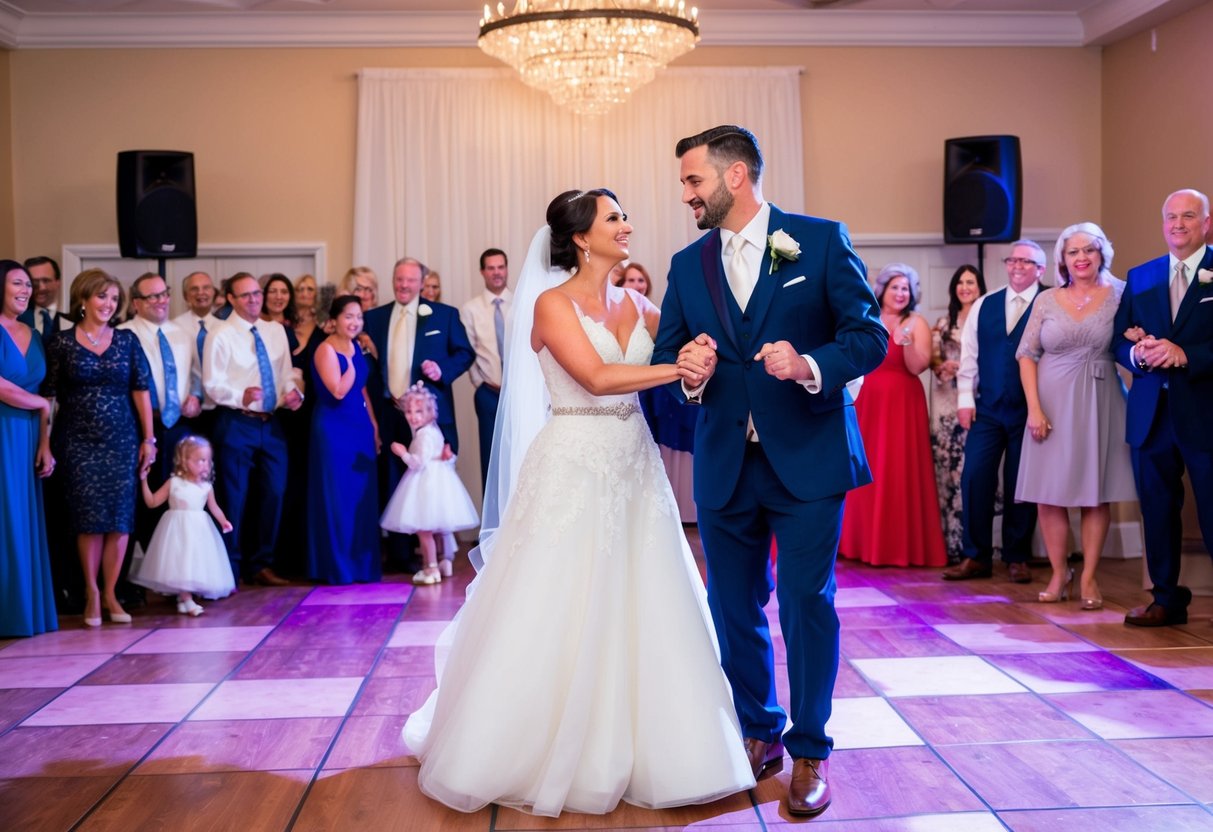
The dance floor is a special space at your wedding. It’s where memories are made during important moments like parent dances and your first dance as a couple. Understanding the flow of these dances can help create a joyful atmosphere for you and your guests.
Choosing the Right Moment for Parent Dances
Timing is crucial when deciding when to have parent dances. Many couples choose to have these dances after the toasts. This timing allows a smooth transition from speeches to the fun of dancing.
Another popular option is to place the dances right after the couple’s first dance. This keeps all eyes on the dance floor and enhances the emotional impact of the moment.
You can also consider having the parent dances during a natural break, such as between courses during dinner. This way, guests will be seated and ready to enjoy the moment, making it memorable for everyone.
Creating a Memorable First Dance
Your first dance as newlyweds is a highlight of the evening. Choosing a song that is meaningful to both of you can make this moment unforgettable. Think about the lyrics and the mood of the song—do you want something romantic or fun?
Plan a short rehearsal ahead of time. This practice can help ease any nerves and ensure you feel comfortable on the dance floor.
You can also add personal touches, like a special intro or a surprise switch in music. Keeping it personal makes the moment stand out and creates a lasting memory.
Sequencing the Special Dances
After your first dance, the sequencing of parent dances is important. Often, the father-daughter dance is next. This dance typically carries a lot of sentiment, so choosing the right song is key. It should reflect your relationship and the bond you share.
Following the father-daughter dance, the mother-son dance often takes place. This dance is just as meaningful and should also be planned with care.
By sequencing these dances thoughtfully, you can maintain a seamless flow on the dance floor. Engaging the audience during these dances helps create a warm and inviting atmosphere.
Concluding with the Last Dance
Ending the night with a special last dance can leave a lasting impression. Many couples choose a particular song that has significance to them. This can be a romantic ballad or a fun tune that encourages everyone to join in.
Consider an anniversary dance, where couples are invited to the floor based on the number of years they’ve been married. This adds an interactive element and can be a touching tribute to the lasting bonds of love.
Ending with an emotional or fun group dance can ensure your wedding closes on a high note. This leaves everyone feeling connected and celebrating your special day together.
Celebratory Aspects of Wedding Dances
Wedding dances are a joyful way to include your loved ones in the celebration. These moments create lasting memories and add a personal touch to your big day. They also offer a chance for everyone to enjoy the spotlight.
Involving Loved Ones in Dance Moments
Incorporating loved ones into your dance moments makes your wedding even more special. Think about including your parents, siblings, and close friends in dedicated dances. The mother-daughter dance and father-daughter dance are classic options that highlight these important relationships.
You can also designate a special dance for siblings or even grandparents, making them feel cherished. These dances can serve as a beautiful reminder of family bonds. Involving different family members creates a sense of community during the celebration, allowing everyone to feel connected.
Highlighting Special Dances Beyond Tradition
While traditional dances like the first dance are essential, consider adding unique options to your wedding. You might want to have a group dance that gets everyone involved on the dance floor. This creates an energizing moment that can turn into a fun party dance.
Additionally, spotlight moments can be set up for special songs that hold meaning for you and your loved ones. Think about a song that brings back memories or represents your journey together. These personal touches will enhance the festive atmosphere and invite everyone to celebrate, making your wedding unforgettable.
Personalizing Your Dance Experience
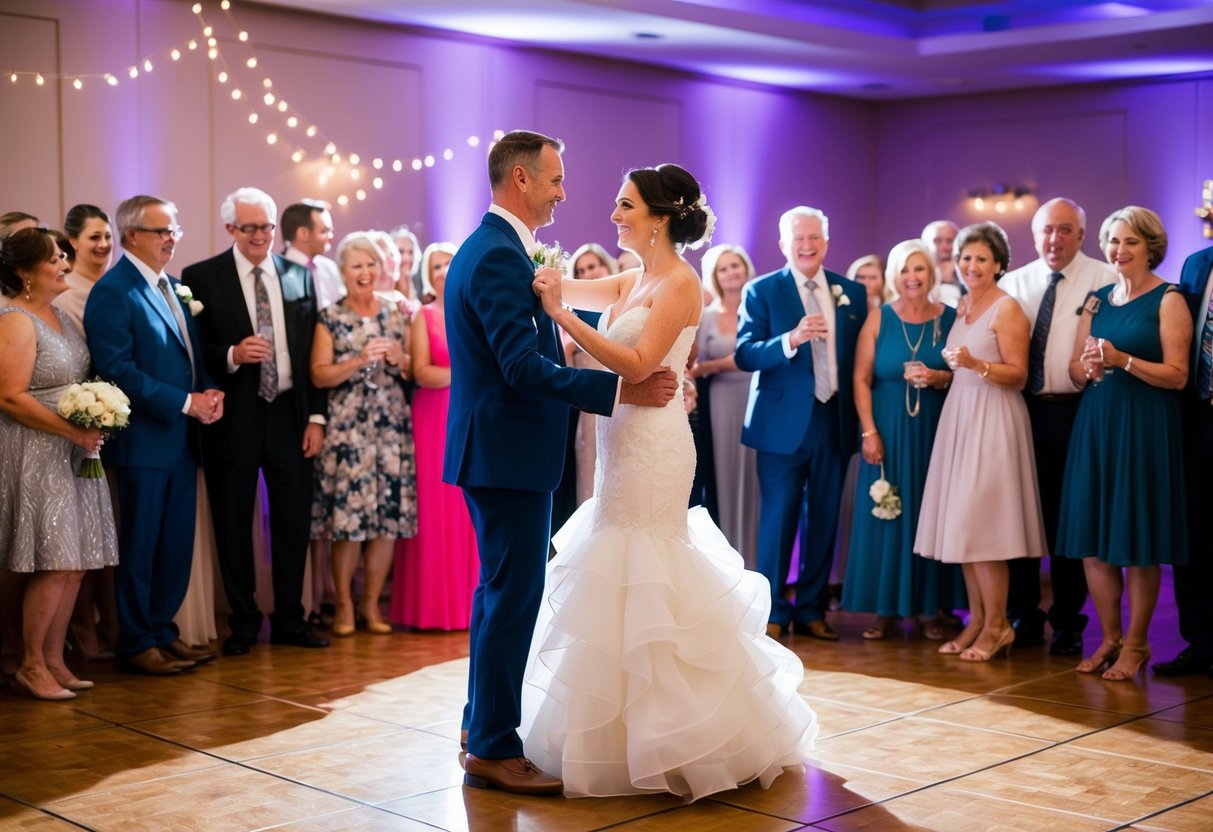
Creating a memorable dance experience at your wedding involves thoughtful choices. From considering professional dance lessons to selecting the right DJ or bandleader, each decision can enhance that special moment. Personal touches like unique customs can make your dance feel even more personal.
Considering Professional Dance Lessons
Taking professional dance lessons can boost your confidence and make your parent dances more enjoyable. You might choose a classic waltz or a fun swing dance.
Here are a few tips:
- Start early: Aim for at least a month before the wedding.
- Select a style: Pick a dance style that you and your parents feel comfortable with.
- Choose a local studio: Look for places that offer wedding dance packages.
Lessons can help you learn choreographed steps or even a fun routine to surprise guests.
Choosing the Right DJ or Bandleader
The right DJ or bandleader sets the tone for your wedding, especially during parent dances. A skilled DJ will know how to read the crowd and create a lively atmosphere.
Consider the following:
- Experience: Look for someone who has done weddings before.
- Song selection: Make sure they can play your chosen songs for the dances.
- Interactiveness: A good DJ engages with guests, which can make the dance more fun.
Don’t hesitate to discuss your specific needs, like the timing of the dollar dance or garter toss, to ensure everything flows smoothly.
Deciding on Unique Dance-Related Customs
Adding unique dance customs can personalize your experience. Traditions like the money dance (or dollar dance) allow guests to dance with you for a small donation, giving you blessings for your new life.
You might also consider a memorable moment, like having both parents join you for a special song.
Think about:
- Incorporating family traditions: Maybe relate to your culture or something unique to your families.
- Choosing songs with meaning: Pick songs that tell your story or reflect your relationship with your parents.
These elements can make your parent dances truly unforgettable, adding joy and connection to the celebration.