
When to Send RSVP for a Wedding: A Handy Guide for Guests
Planning a wedding involves many details, and one important aspect is managing guests’ RSVPs. You should send your invitations at least eight weeks before your big day, giving guests ample time to respond. This timeline ensures you have time to finalize your guest list and make necessary arrangements with your venue and caterer.

As you dive into the wedding planning process, consider the best practices for gathering RSVPs. Sending out invitations early allows your friends and family to save the date and respond in a timely manner. This step is crucial for ensuring everyone can celebrate with you and helps avoid any last-minute stress.
Understanding when to ask for RSVPs can make the planning smoother. By following a clear timeline, you can stay organized and focused on creating a wonderful celebration for you and your guests. You’ll feel relieved knowing that you have everything under control as the big day approaches!
Understanding RSVP Etiquette
RSVP etiquette is essential for a smooth wedding planning process. Knowing the importance of RSVPs and understanding the significance of deadlines can help you contribute positively to the event.
The Importance of RSVPs
When you receive a wedding invitation, responding with an RSVP shows respect for the couple and their planning efforts. This simple action helps the couple finalize their arrangements.
Timely RSVPs provide crucial information for the final guest count. It allows the couple to plan for seating, food, and other necessary arrangements. If you delay your response, it can create confusion and stress for the hosts.
Remember, your timely response aids in a hassle-free wedding experience for everyone involved. So, don’t forget to send your RSVP as soon as you can!
RSVP Deadline Significance
RSVP deadlines are there for a reason. Typically, couples should set their RSVP deadline for about four weeks before the wedding date. This timeframe allows them to confirm the final guest count with vendors.
You should always respond by this date to help keep everything organized. Guests are encouraged to send their responses at least eight weeks after receiving the invitation.
Being mindful of deadlines shows consideration for the couple’s time and effort. Proper RSVP etiquette not only keeps the planning on track but also fosters a positive atmosphere leading up to the big day.
The Timeline for Sending Invitations
Timing is key when it comes to sending wedding invitations. You want to ensure your guests have enough notice to plan for your special day. Here’s a breakdown to help you organize the timing for sending out your announcements.
Save-the-Dates and Early Notices
Save-the-dates are the first step in keeping your guests informed. You should send these cards about 6 to 12 months before the wedding. This early notice gives guests ample time to adjust their schedules.
Make sure to include all essential details like the wedding date and location. If you’re planning a destination wedding, mention that so everyone can factor in travel arrangements. Sending pre-stamped return envelopes can also help guests confirm their attendance quickly.
Formal Invitations and RSVP Cards
Your formal invitations should go out about 6 to 8 weeks before the wedding. This timeline allows guests to plan accordingly and respond in time. If you’re having a larger wedding, consider mailing them out even earlier, around 10 to 12 weeks in advance.
Include an easy way for guests to RSVP, such as a card with a return envelope. Clearly mark the RSVP date, typically set for 2 to 3 weeks before the wedding, so you can finalize your guest list and seating arrangements.
Adjusting for Destination Weddings
When it comes to destination weddings, timing is even more critical. Invitations should be sent out 10 to 12 weeks in advance. This gives guests enough time to plan their travel and accommodations.
Make sure to highlight travel tips or special arrangements in your invitation package. If your wedding is in a popular location, inform guests about nearby attractions, too. Helping them feel excited about the trip can boost attendance and make it more enjoyable for everyone!
Best Practices for Managing RSVPs
Managing RSVPs can feel overwhelming, but following a few best practices can simplify the process. Utilizing digital tools, keeping track of guest responses, and effectively communicating with those who haven’t responded will help you stay organized and informed.
Utilizing Digital RSVPs and Event Platforms
Using online RSVPs is a game-changer. Digital platforms streamline the process, making it easy for guests to respond quickly. You can even choose an event management platform that offers customizable invitation designs.
These platforms often send automatic reminders, helping to nudge guests who might forget to respond. Plus, they allow out-of-town guests to easily manage their travel plans. You can compile all their responses in one place, saving you time and effort.
Keeping Track of Guest Count and Responses
A clear system for tracking RSVPs is essential. Create a simple spreadsheet that lists all your guests, their contact info, and their RSVP status. This will allow you to visualize your guest count and make any necessary adjustments.
Make categories like “Accepted,” “Declined,” and “Pending” to keep it organized. Regularly updating this list helps you finalize details with your caterer and venue. Don’t forget to account for any special dietary requirements or specific seating arrangements.
Communicating with Guests Who Do Not RSVP
It’s common for a few guests to overlook RSVPs. To follow up, send a friendly reminder email or text. Keep it light and polite, expressing your hope that they can join the celebration.
Be sure to mention that their response is important for your planning. If they have questions or concerns, let them know you are available to help. This can encourage them to finalize their decision and respond promptly.
Finalizing Your Wedding Preparations
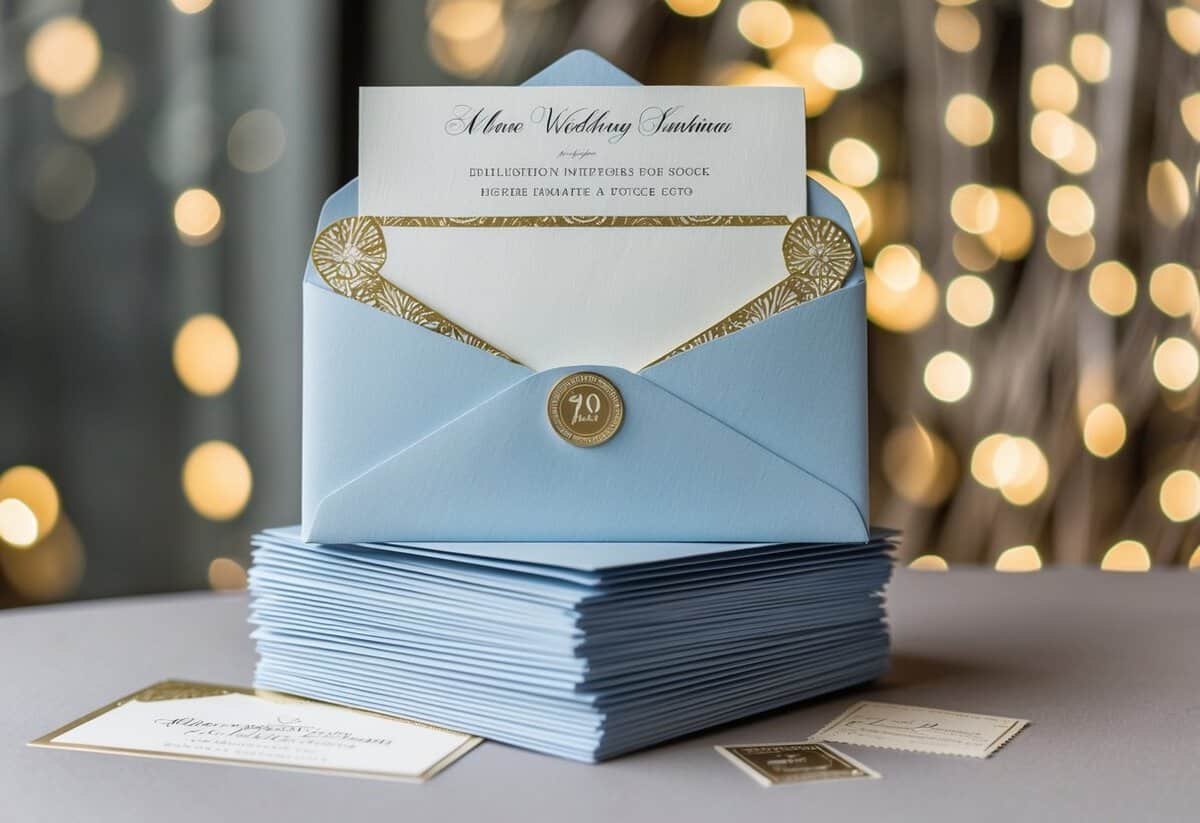
As you prepare for your big day, it’s important to organize the details that will ensure everything runs smoothly. Key aspects include creating a seating plan and accommodating special requests from your guests.
Seating Plans and Chart Creation
Creating a seating chart is essential for managing your guest list effectively. Once your guests have sent in their RSVPs, you can finalize an accurate headcount. This helps you determine how many tables and chairs you will need.
Start by grouping guests by their relationship or common interests. For example, consider placing family members together and friends in close proximity. You can also create escort cards to guide your guests to their designated tables.
Your seating arrangement will make a big difference in the atmosphere. Good seating can encourage connections among guests, making the event more enjoyable. Don’t forget to factor in any special requests you might have from guests, such as their desire to avoid certain people or any accessibility requirements.
Guest Accommodations and Special Requests
It’s thoughtful to consider your guests’ needs for your wedding date. Gather any specific guest requests early on so you can accommodate them. This might include dietary restrictions or special song requests for the reception.
When guests RSVP, ask them to indicate if they have any accommodations. This will help you plan better and ensure everyone feels comfortable.
An effective way to collect this information is through your wedding stationery or a simple online form.
Additionally, keep a list of wedding favors to express gratitude toward your guests. Consider personalized gifts tailored to individual preferences. By paying attention to these details, you’ll create a welcoming environment for all your loved ones.