
When to Start a Wedding DIY: A Helpful Timeline for Your Big Day
Starting a DIY wedding can be an exciting journey, filled with creativity and personal touches that reflect your unique love story. You should start your DIY wedding planning as soon as you get engaged. This gives you plenty of time to explore ideas, gather materials, and really make the day your own.
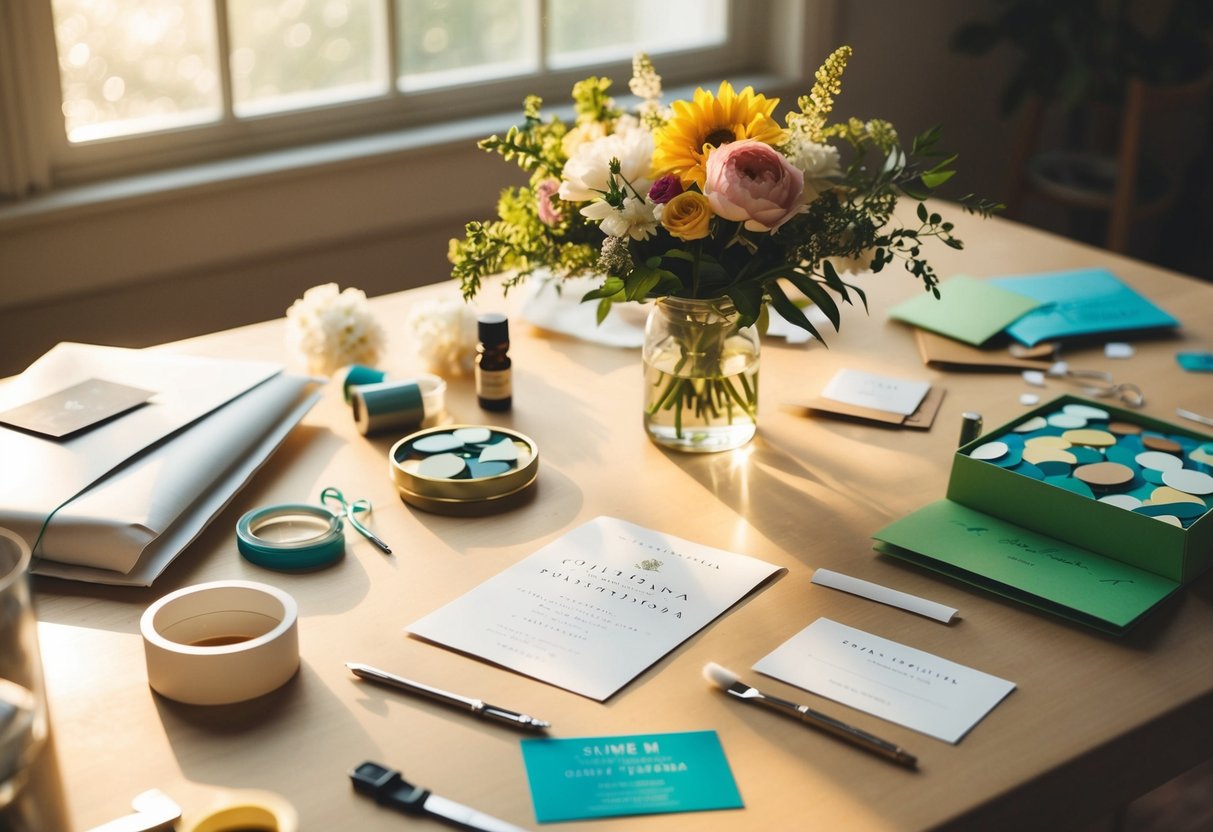
As you dive into the wedding planning process, think about what aspects you want to DIY. From invitations and centerpieces to favors and décor, planning early helps ensure that everything fits together perfectly.
You’ll also have more time to make decisions without the pressure of looming deadlines.
Remember, the key to a successful DIY wedding is organization. Create a timeline for each project, and don’t hesitate to ask for help from friends and family. With careful planning, you can enjoy the creative process and make your special day truly memorable.
Establishing Your Vision and Priorities
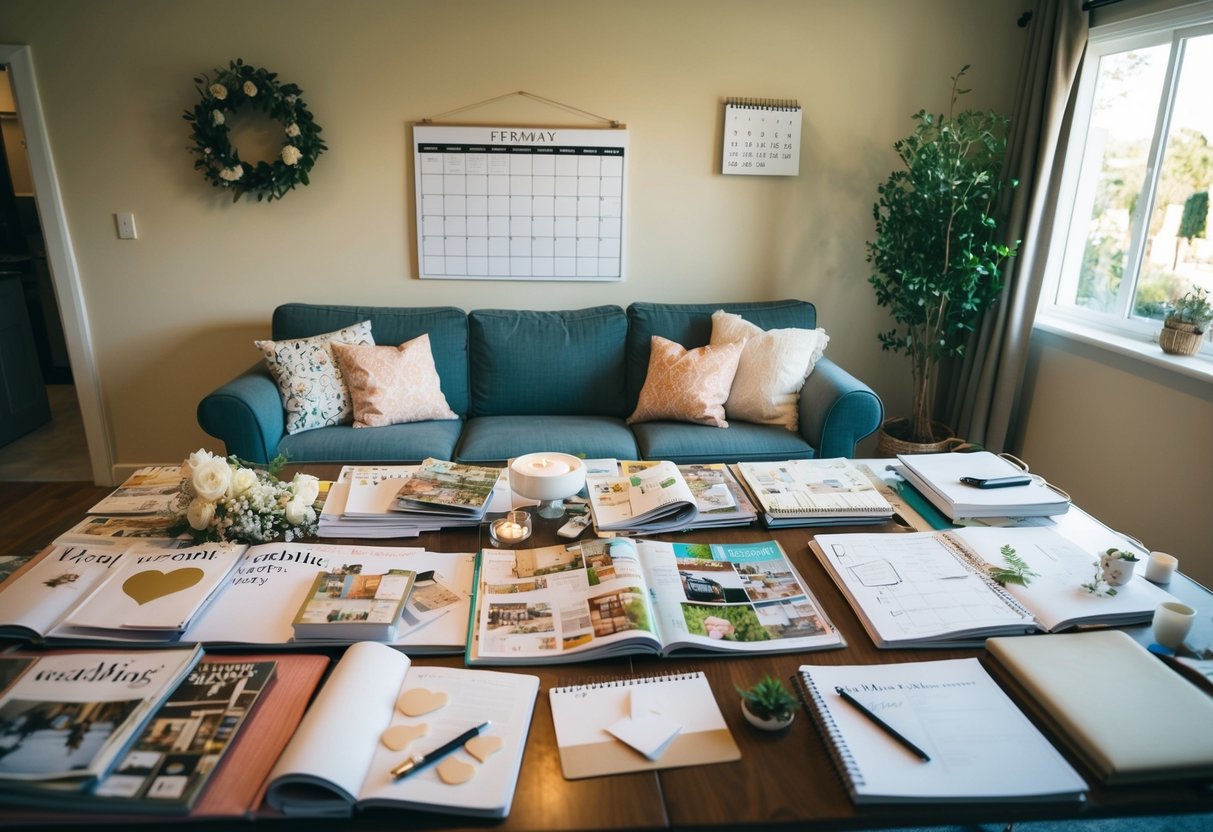
Creating a wedding vision is a key step in DIY planning. It sets the tone and guides your decisions. You’ll want to determine a wedding theme, choose colors, and set a timeline. These elements will help you stay organized and aligned with your goals.
Choosing Your Wedding Theme and Colors
Start by defining your wedding theme. Think about what reflects your relationship. This could be rustic, modern, vintage, or bohemian.
Once you have a theme, choose a color palette that fits.
For example, if your theme is rustic, colors like earthy greens and deep browns might work well. Popular color combinations include:
- Blush pink and navy
- Gold and ivory
- Lavender and sage green
Using these colors in your invitations, decor, and attire creates a cohesive look. Make sure to share your theme and colors with your vendors, so they can help bring your vision to life.
Setting the Wedding Date and Timeline
Establishing a wedding date is crucial. This sets your planning timeline into motion. Think about the season, venue availability, and any family commitments.
Create a timeline that outlines key tasks, like sending out invitations and booking vendors. Consider including:
- Engagement party: Plan it a few months after your engagement announcement.
- Engagement photoshoot: Capture this special time before your big day.
Aim to finalize your date at least six months ahead. This allows you enough time for all essential arrangements and helps ensure a smooth planning process.
Budgeting and Organizing

Creating a wedding budget and organizing your guest list and wedding party are key steps in your planning process. These elements help you stay focused and ensure your special day aligns with your financial goals.
Creating a Wedding Budget
Start by deciding how much you can spend. This is often the most important step in wedding planning. Write down your top priorities, such as venue, food, and attire.
Consider all the costs, including hidden fees. Use a wedding budget checklist to keep track of your expenses.
Break down your budget into categories like:
- Venue
- Catering
- Decorations
- Photography
Be flexible. If one area costs more than expected, adjust another area to balance. This will help maintain control over your overall spending.
The Guest List and Wedding Party
Next, focus on your guest list and wedding party. Decide who matters most to you. Keep your budget in mind. A larger guest list means higher costs for food and seating.
When creating your guest list, ask yourself:
- Who are the important people in your life?
- What is your ideal size for the wedding party?
Once you have your list, use a printable wedding planning checklist to keep track of RSVPs and meal choices. This makes organization easier.
Be sure to communicate with those closest to you about their roles. A clear understanding helps everyone feel involved and excited about your day.
DIY Projects and Personal Touches
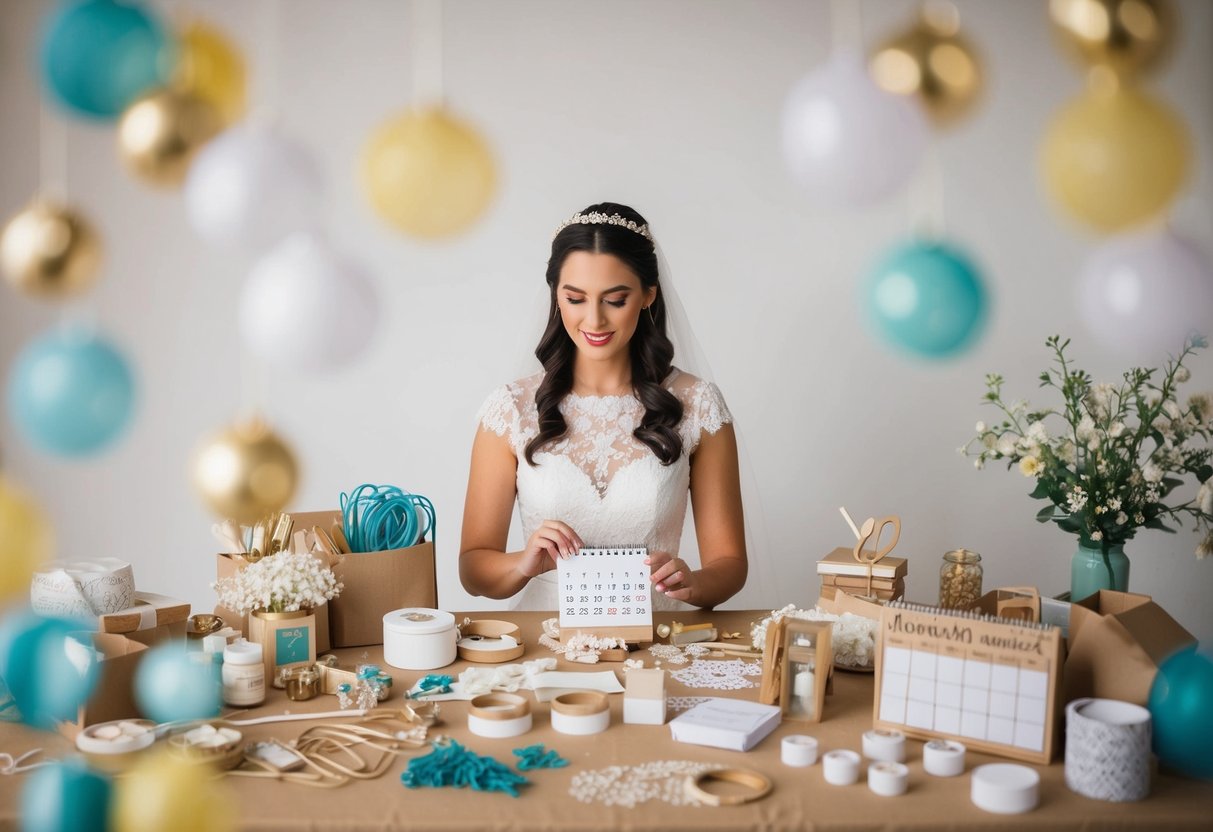
When planning your wedding, adding personal touches can make the day even more special. You can create unique decor and stationery that reflects your style and story, making everything feel personalized and meaningful.
Handcrafting Your Decor and Stationery
Creating your wedding decor is a fun way to show off your personality. You can start by handcrafting items like centerpieces, table settings, and wall hangings.
Seasonal flowers, candles, and personal photos can all play a role in making your space feel warm and inviting.
For your stationery, consider incorporating calligraphy to add a touch of elegance. DIY invites and place cards not only save money but also give you a chance to express your creativity.
Use unique materials like textured paper or themed designs that match your decor.
To get creative, you might even create a wedding registry for hand-made items that friends and family can help with. They can contribute by making parts of your decor or collaborating on the invitations.
Personalizing Your Ceremony and Reception
Your wedding ceremony is a significant moment, and personal touches can make it even more memorable. Think about custom vows that express your love story. You might want to include elements that represent your journey together, like a meaningful reading or a special song.
Incorporate personal details into the reception, too. Create a timeline showcasing your relationship’s milestones. You can also set up a photo booth with props that represent your hobbies or interests together.
Consider small touches like individual favors for guests. Perhaps handmade candles or custom bookmarks can serve as thoughtful mementos. Each detail you choose can reflect your unique journey, leaving guests with a memorable experience.