
When to Start Buying Stuff for a Wedding: A Timely Guide for Stress-Free Planning
Planning your wedding can be both exciting and overwhelming. Usually, the best time to start buying things for your wedding is around 10 to 12 months before your big day. This gives you ample time to explore options, fit into your budget, and avoid the stress of last-minute shopping for essential items.
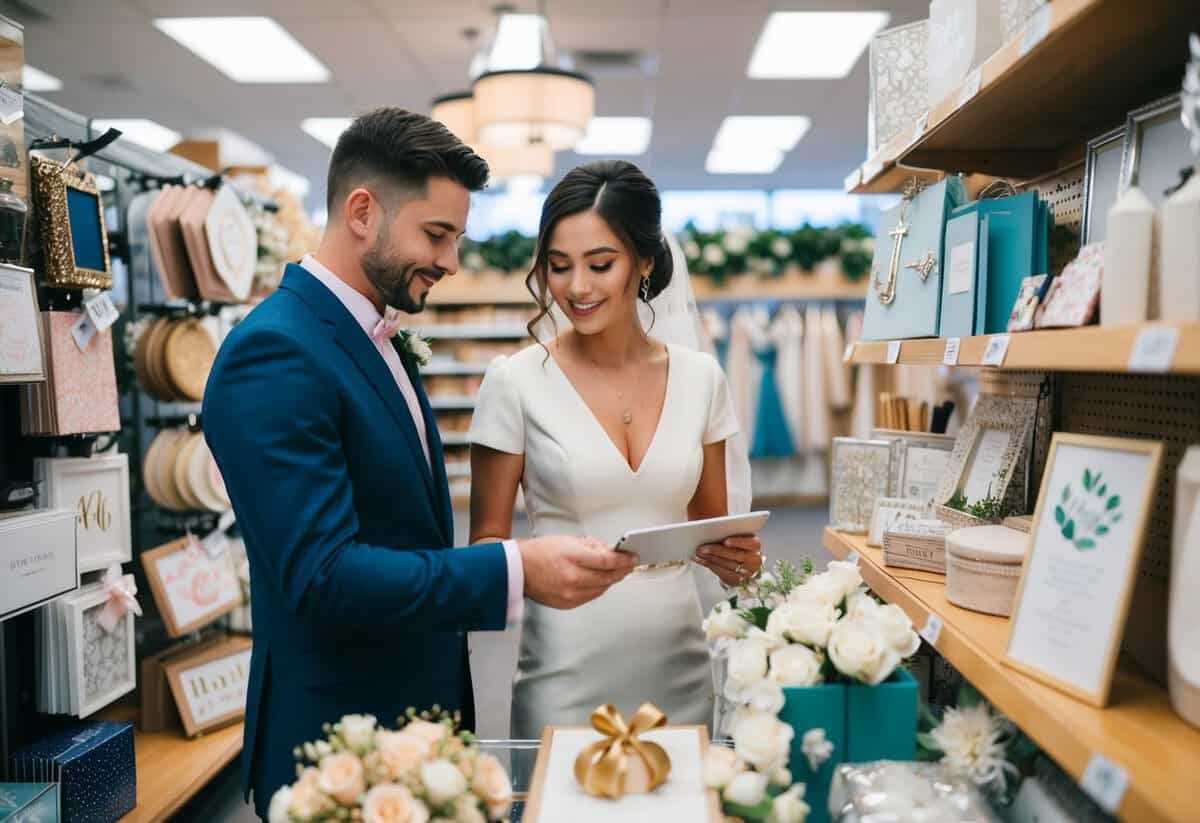
You’ll want to focus on key items first, like your wedding attire, venue decorations, and other important details. Keeping track of your wedding budget during this process is vital. By prioritizing what to buy early on, you can ensure that your special day goes as smoothly as possible while staying within your financial limits.
As you gear up for this journey, remember to enjoy each step. Finding the perfect pieces for your wedding should be fun, so take your time and make thoughtful choices that reflect your style!
Initial Wedding Planning Steps
Starting your wedding planning journey can be exciting and a bit overwhelming. Before diving into buying items, focus on key steps like setting a budget, deciding on a guest list, and considering whether to hire a wedding planner.
Determining Your Wedding Budget
Your wedding budget is the foundation for all planning. Begin by discussing financial contributions with family or friends if applicable. This helps clarify how much you can spend overall.
Next, break down your budget into categories such as venue, catering, attire, and decorations. Here’s a simple list to guide you:
- Venue
- Catering
- Photography
- Flowers
- Attire
Aim to keep a little extra for unexpected costs. Remember, your budget should reflect what’s most important to you and your partner. Try to stick to your plan but remain flexible for changes.
Creating Your Guest List
Creating a guest list can be tricky but is essential for setting a budget and venue size. Start by discussing with your fiancé about who is most important to invite.
Make a list with three categories:
- Must Invites: Close family and friends.
- Nice to Invites: Extended family and friends.
- Others: Coworkers or acquaintances.
Be sure to consider each guest’s impact on your budget, as more guests mean more food, drinks, and seating. Keep this list updated to avoid surprises later on.
Hiring a Wedding Planner
Deciding whether to hire a wedding planner depends on your needs and budget. A planner can save you time and reduce stress with their expertise. They can help coordinate every detail and connect you with trusted vendors.
When considering a planner, think about these points:
- Experience: Do they have a strong portfolio?
- Budget: Can you fit their fees into your wedding budget?
- Style: Do they understand your vision for the day?
If you choose to hire a planner, schedule meetings with a few options to find the right fit. This can make the planning process much smoother and enjoyable.
Choosing Your Wedding Attire
Selecting your wedding attire is a big part of your planning. It sets the tone for your special day and reflects your personal style. From dresses and suits to accessories, each piece is important for your look.
Selecting the Perfect Wedding Dress
Finding the right wedding dress can be an exciting yet daunting task. Start by considering your wedding theme and venue. Different styles work better in different settings. For example, a beach wedding may call for a lighter, flowy dress.
It’s best to shop at least 6-12 months in advance. This gives you time for fittings and any needed alterations. Think about the fabric as well; silk and lace offer different feels and looks.
Don’t forget to try on several styles. A-line dresses flatter many body types, while ball gowns give a classic feel. Consider adding a personal touch—like embroidery or unique patterns—to make it yours.
Suiting Up: Wedding Suits and Tuxedos
For those choosing a suit or tuxedo, start your search 4-6 months before the wedding. This timeframe allows for customization and fitting. Choose a color that complements your wedding theme, whether it’s classic black or a bold color.
Fit is crucial. A well-fitted suit can elevate your look. You might consider a custom option or renting if you need to save some money.
Accessorizing is key. Think about ties, pocket squares, and cufflinks that match your color palette. A stylish pair of shoes can complete the look.
Accessorizing with Jewelry and Veils
Jewelry adds the perfect finishing touch to your wedding attire. Think about what enhances your dress without overwhelming it. Simple earrings or a delicate necklace often work best to highlight your features.
Veils can also transform your look. Consider a chapel-length veil for drama or a birdcage style for vintage charm. Whatever you choose, make sure it fits comfortably and complements your hairstyle.
Don’t forget about other accessories like hairpieces or tiaras. They can add sparkle and elegance to your wedding day look.
Importance of Comfortable Undergarments
Your undergarments play a significant role in how you feel on your big day. Take the time to find the right fit and style that works with your wedding attire. Comfortable undergarments ensure you feel confident all day.
Consider shape wear for a smooth silhouette. Make sure to try it on with your dress to see how it affects the overall look.
Choose materials that breathe well, especially if your wedding day will be long. You want to feel comfortable and free to enjoy your celebration without distractions.
Invest in quality pieces that offer both comfort and support, because your comfort is key to feeling your best on your special day.
Securing Wedding Essentials
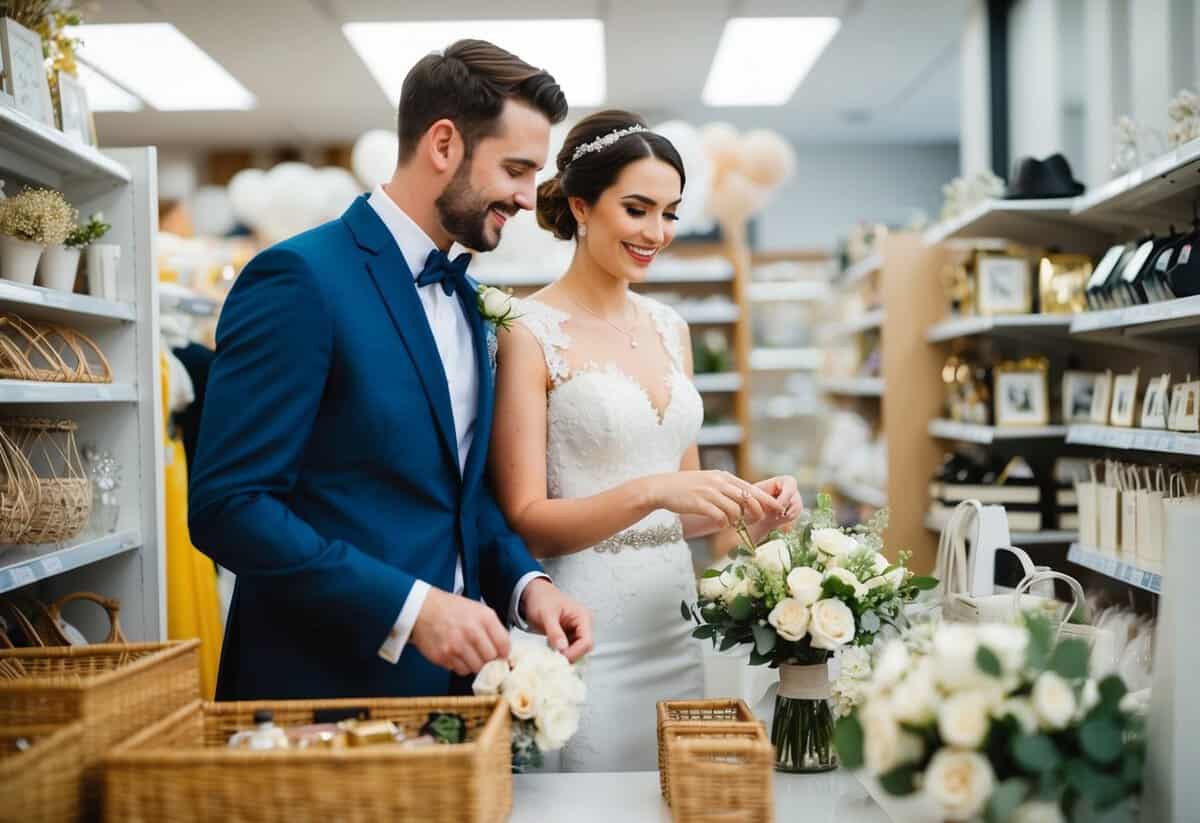
When planning a wedding, securing the right essentials is crucial for a smooth day. Key items include invitations, wedding bands, and decorative elements like table runners and candle holders. Each part plays a role in making the event truly special.
Ordering Invitations and Thank-You Notes
Start by designing your wedding invitations. Choose a style that reflects your theme, and make sure to order them at least 3-4 months before the wedding. You should send them out about 6-8 weeks prior. Consider including details like the venue, date, and time.
Don’t forget about thank-you notes. It’s a good idea to order these at the same time as your invitations. This way, you’ll have them ready when it’s time to express your gratitude to your guests for their gifts and presence. Personalizing them with a small note can make them even more special.
Selecting Durable Wedding Bands
Wedding bands are a symbol of your love and commitment. Start shopping for them at least 2-3 months before the wedding to allow time for sizing and any customizations. Think about your lifestyle when choosing materials. For example, gold is classic, while titanium is more durable.
Ensure you both pick bands that you will be comfortable wearing every day. Consider options that include matching designs or elements that connect to your wedding theme. Visit various jewelers, compare prices, and read reviews to find the best options.
Decor Elements: Table Runners and Candle Holders
Table runners add a nice touch to your reception tables. Choose colors and fabrics that align with your wedding theme. Ordering several weeks in advance will help ensure you have everything you need. Consider the length and width of your tables when selecting the right size.
Candle holders can create a warm atmosphere. Decide on the types you want to use, whether they are simple glass votives or ornate stands. Think about the lighting effects as well. Mixing different heights can create a visually interesting table setting. Be sure to order extras to accommodate last-minute guest changes.
Final Preparations and Day-Before Details
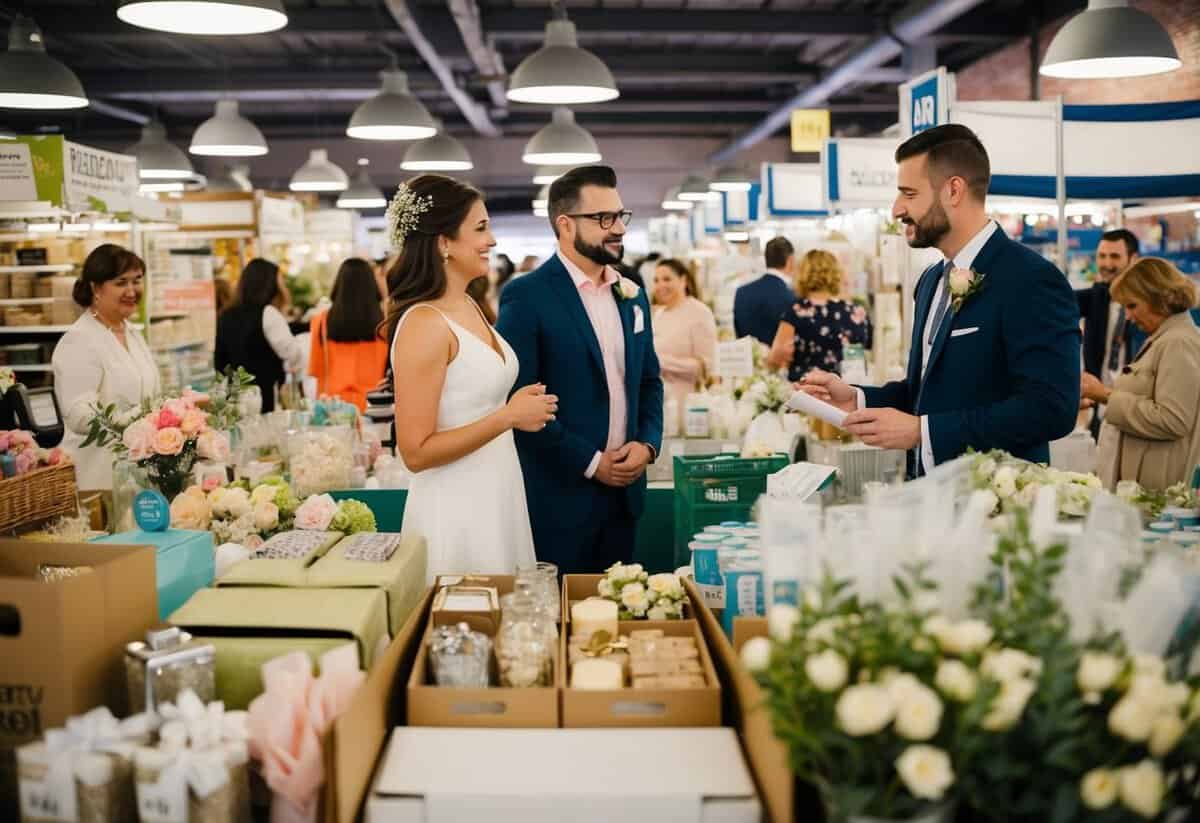
As your wedding day approaches, focusing on final details is crucial. You want everything to be perfect and ready. Here’s what to tackle the day before the big celebration to ensure a smooth experience.
Finalizing Details With Wedding Vendors
In the final hours, it’s essential to confirm everything with your wedding vendors. Reach out to all key people, including the caterers, florist, photographer, and DJ. Make sure they know the schedule and any changes to the plan.
Creating a simple checklist can be helpful. Write down the vendor’s name, contact information, and what you need to confirm. This way, you can ensure everyone is aligned and ready for the big day.
Don’t forget about important items like your engagement photos. If they are part of the decor, confirm with your photographer about their arrival time and how you’d like them displayed.
Rehearsing the Ceremony
Rehearsing the ceremony is vital for everyone involved. Gather your bridal party and family for a quick run-through. This will help everyone understand their roles and where they should be.
Practice walking down the aisle with your bridal party. If you have special music, play it during the rehearsal to set the mood. Communicating with your officiant is also key. Make sure they know how the ceremony will flow.
Lastly, remind everyone to keep their phones off during the actual ceremony to avoid distractions. A smooth rehearsal will make you feel more relaxed when it’s time for the real thing.
Gathering Day-of Wedding Jewelry
You should collect your wedding jewelry the day before your wedding. Make sure you have everything prepared and laid out in one place. This includes your engagement ring, wedding bands, earrings, necklace, and any other accessories.
It’s a good idea to have someone responsible for your jewelry on the wedding day. This person can help you put on your items and keep track of them. Keep your jewelry in a safe, memorable box or pouch that matches your wedding theme.
Lastly, don’t forget to double-check that your groom has his ring ready too. After all, this day is as much about him as it is about you!