
When Was Obey Removed from Wedding Vows in the UK? A Look at Changes in Marriage Ceremonies
The phrase “obey” in wedding vows has stirred much discussion over the years. In 1922, the Church of England removed the word “obey” from wedding vows. The Catholic wedding vows also saw changes during the 1970s. Many couples now prefer vows that emphasize partnership and equality, reflecting modern views on marriage.

The Episcopal Church also made notable changes, removing “obey” for brides to better align with evolving values. This shift highlights a broader movement across various denominations to update traditional ceremonies. The Book of Common Prayer, a significant text in shaping wedding vows, originally included the promise to obey, which has since been reconsidered in light of contemporary beliefs.
As you explore the history of wedding vows in the UK, you’ll discover how cultural shifts have led to a new understanding of commitment and love in marriage.
History of Wedding Vows in the UK
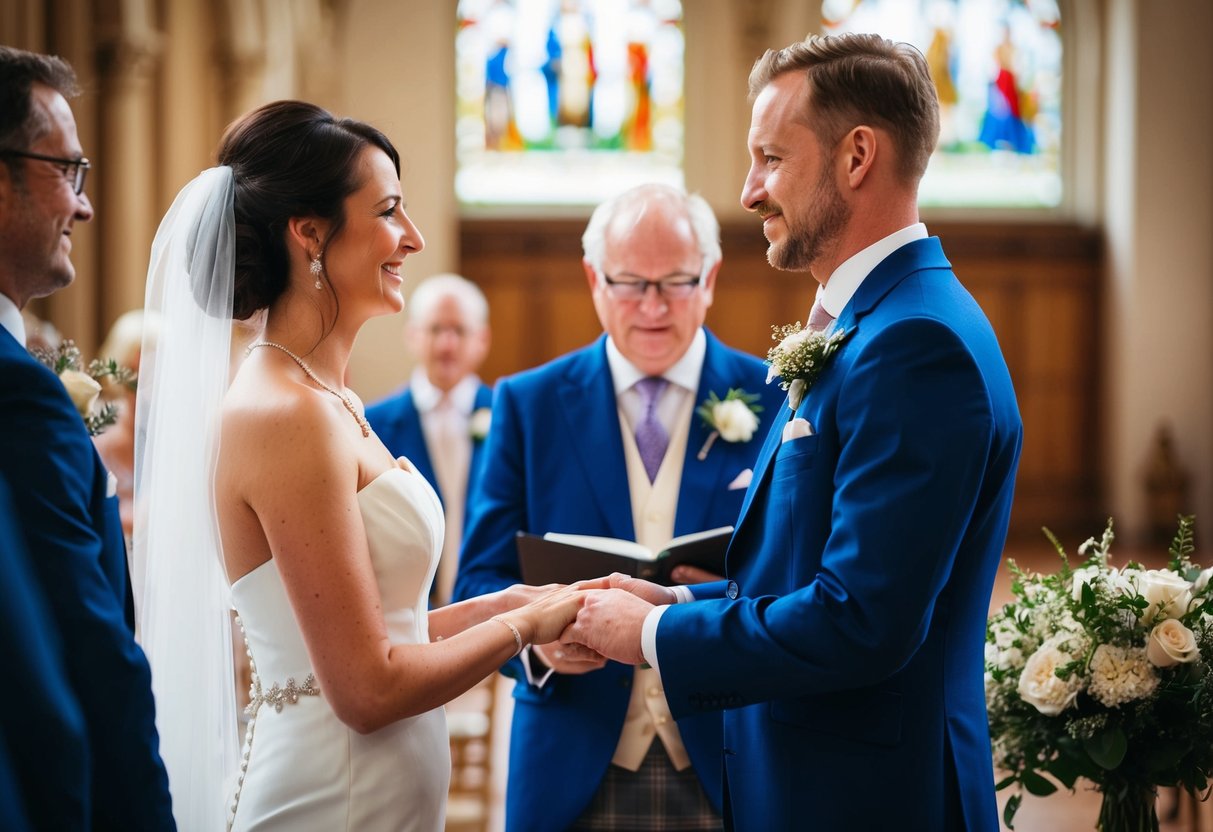
Wedding vows in the UK have a rich history that reflects changing views on marriage. Traditional wedding vows date back centuries and were often based on religious texts.
The Church of England played a significant role in shaping these vows. The first Book of Common Prayer was published in 1549, establishing a standard for Anglican weddings. These vows included the promise to “obey.”
By the 20th century, social changes began to influence wedding vows. The women’s suffrage movement fought for equality and rights. This change in attitudes led to a reevaluation of the word “obey” in vows.
In 1928, the Episcopal Church removed “obey” from the bride’s vows. This change reflected the growing belief in mutual respect in marriage. Many couples wanted their vows to show equality.
For example, during the wedding of Queen Elizabeth II and Prince Philip, traditional vows were used, but there was awareness of the changing norms.
Today, couples often choose vows that suit them best. Many may decide to keep or remove elements like “obey,” based on their beliefs. This flexibility allows every couple to express their unique commitment.
Changes in the Church of England
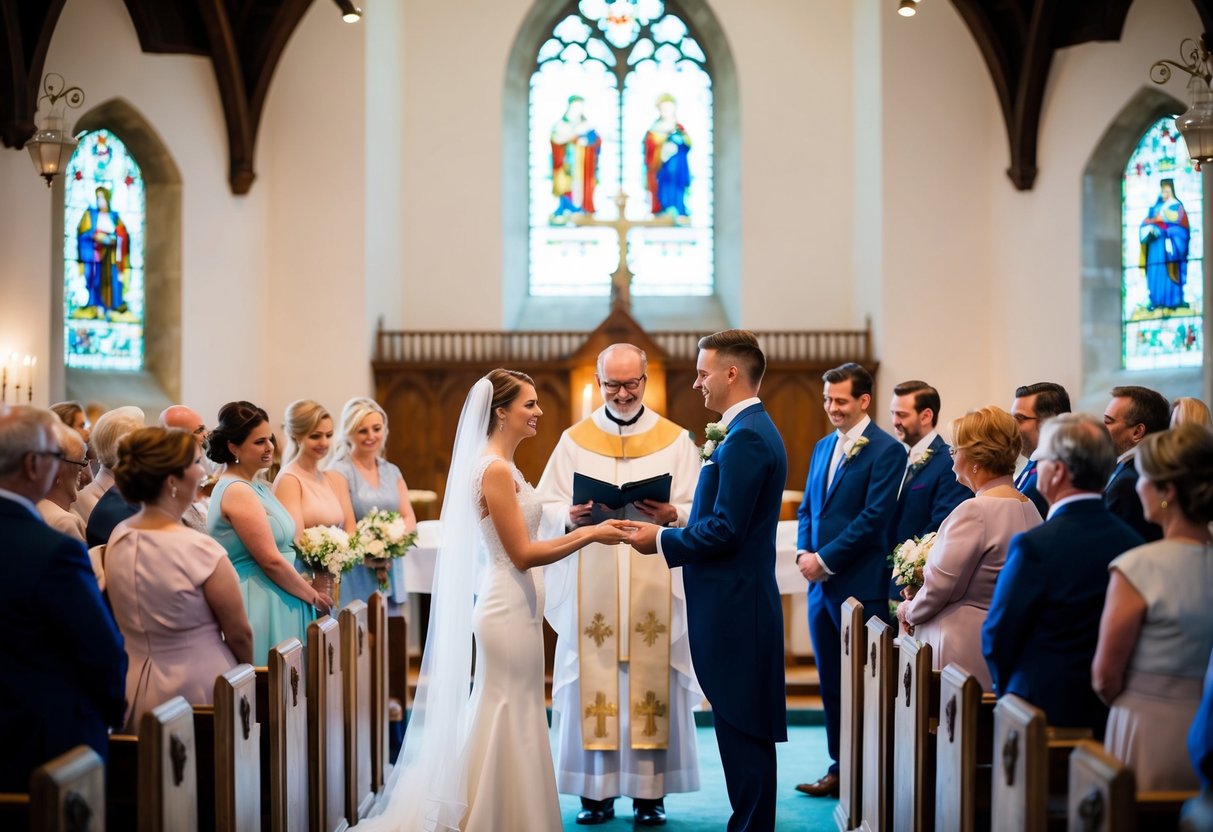
In recent years, the Church of England has adjusted its approach to wedding vows, particularly regarding the word “obey.” These changes reflect broader societal shifts and influence from significant royal ceremonies.
Removal of ‘Obey’ from Anglican Vows
The word “obey” has a long history in wedding vows, but it was officially removed from the vows used in Anglican ceremonies. This change was part of a movement by the Church of England to modernize its practices.
The Church of England Archbishops’ Council played a key role in this decision. They recognized that many people found the term outdated and problematic. Over the years, several couples have opted for vows that emphasize equality and partnership rather than submission. This shift aligns with contemporary values about marriage and respect between partners.
Influence of Royal Weddings
Royal weddings often set trends that the public follows. When Prince Charles and Princess Diana married, traditional vows were used, including “obey.” However, when Kate Middleton and Prince William wed, the vows were more modern, reflecting changing norms.
Most notably, Meghan Markle chose not to include “obey” in her vows during her ceremony with Prince Harry. This decision received widespread attention and highlighted the ongoing evolution in how vows are viewed. The influence of such high-profile ceremonies has encouraged many couples to adopt more inclusive language in their own weddings, moving away from older, traditional vows.
Evolution of Catholic Wedding Vows
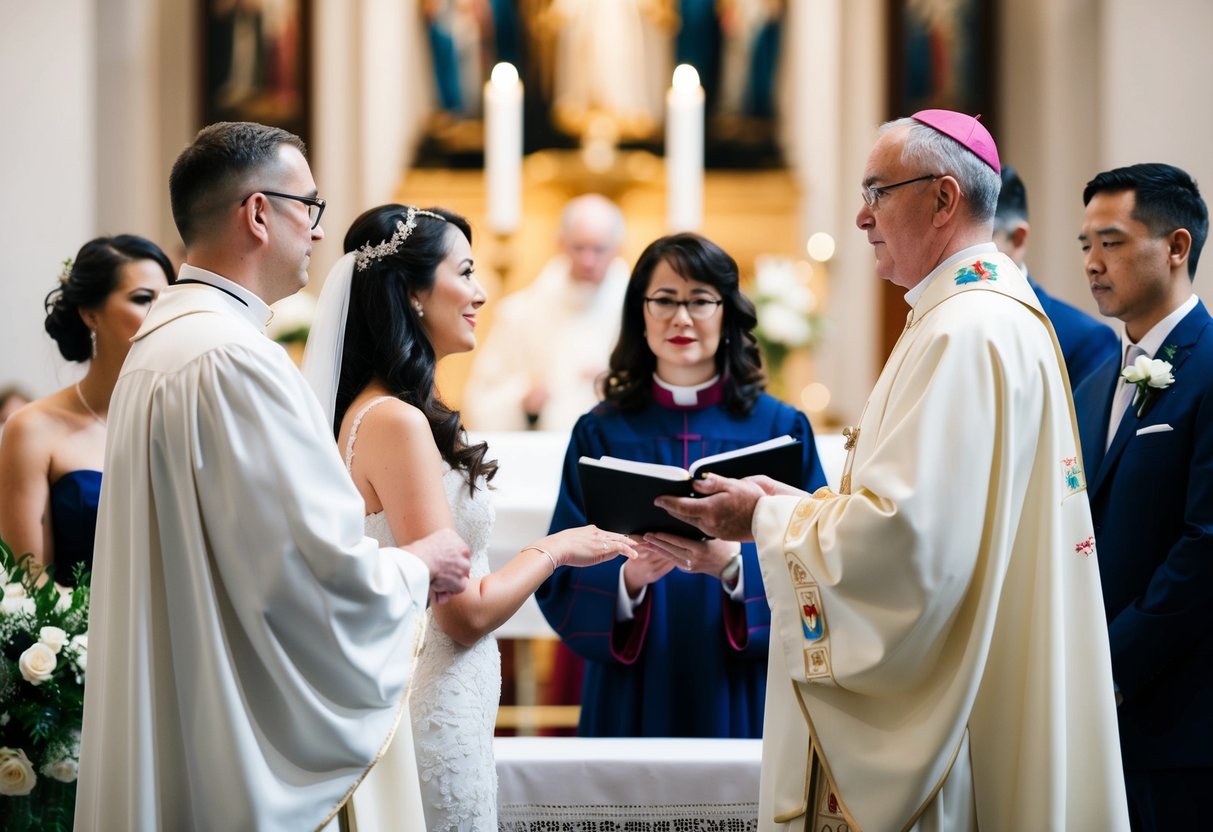
Catholic wedding vows have undergone significant changes over the years. These changes reflect shifts in cultural values and a deeper understanding of marriage. Two key moments in this evolution are the Second Vatican Council and the introduction of the New Rite of Marriage.
Second Vatican Council and Liturgical Reforms
The Second Vatican Council, held from 1962 to 1965, aimed to modernize the Catholic Church. This event led to important liturgical reforms that impacted many aspects of church practices, including marriage.
A major focus was to promote equality and mutual respect in marriage. The council sought to ensure that vows reflected a partnership rather than a hierarchy. This shift was part of a broader move to make Catholic ceremonies more relatable to modern couples. You may have noticed this change when attending ceremonies post-1970s.
The New Rite of Marriage
In the 1970s, the Catholic Church introduced the New Rite of Marriage. This rite replaced older vows that typically included phrases like “love, honor, and obey.” The removal of “obey” was a significant step.
The New Rite emphasizes love and partnership. It encourages couples to speak freely about their commitment to each other. This change aligns with the growing belief that marriage is a journey shared equally by both partners. Many couples now feel that these vows better represent their relationship and values.
Modern Interpretations and Practice
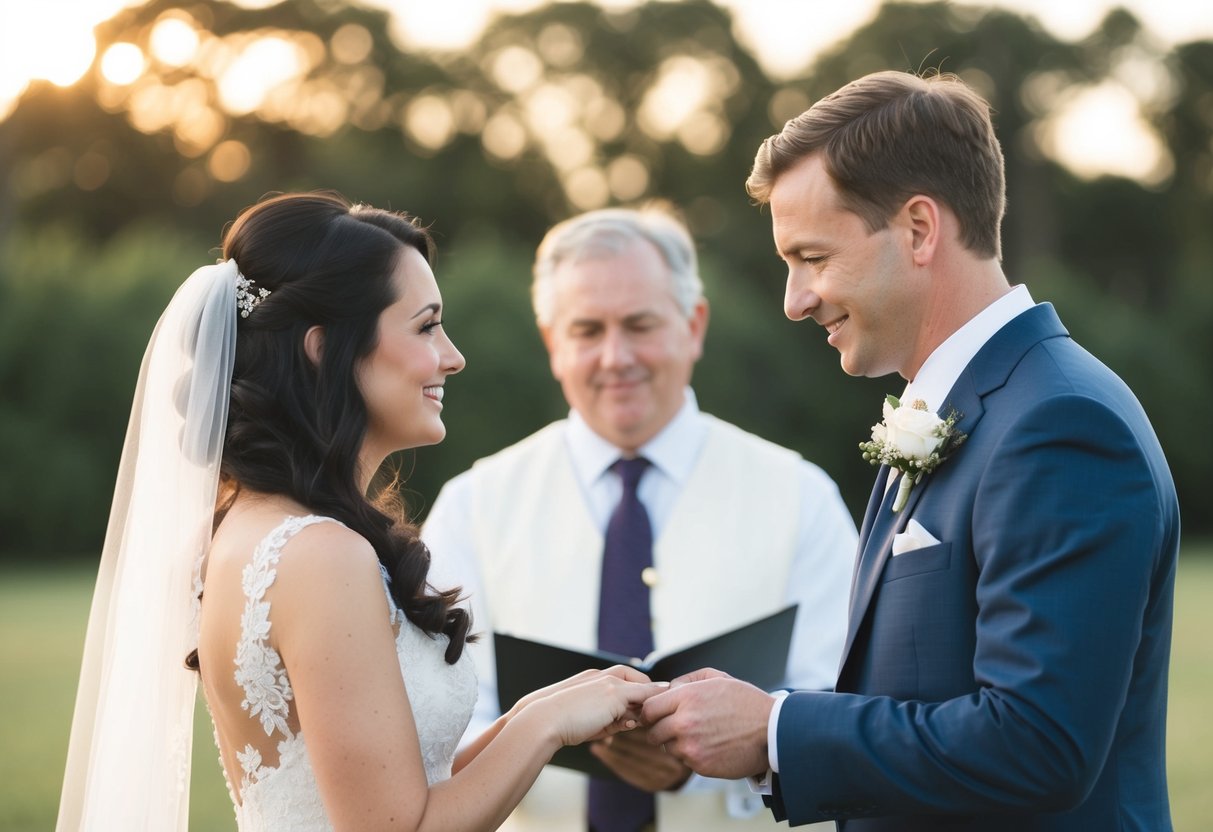
In modern weddings, vows often reflect values like mutual love, commitment, and equality. Many couples choose to create their own vows. This allows you to express your beliefs and promises in a way that feels genuine.
The phrase “love, honor, and cherish” often replaces the word “obey.” This change emphasizes an equal partnership. You and your partner can support each other without the traditional hierarchy.
Adjusting vows to focus on mutual respect strengthens the meaning. By highlighting partnership, you pave the way for a healthier relationship.
Most couples today prefer vows that align with their shared values. This practice highlights the holy institution of marriage as a collaboration rather than a set of rules.
Here are some contemporary phrases that couples might use:
- “I promise to support and respect you.”
- “I will stand by your side through life’s challenges.”
- “Together, we will create a loving home.”
These modern interpretations reflect shifting views on marriage. You can personalize your vows to fit what love and commitment mean to you both.