
When You Shouldn’t Wear Your Engagement Ring: Essential Tips for Care and Safety
Your engagement ring is a beautiful symbol of love, but there are times when it’s best to remove it. Knowing when to take off your engagement ring can help protect it from damage and keep it looking stunning for years to come. Certain activities can put your ring at risk, whether it’s gardening, exercising, or cleaning.
You might not think twice about wearing your ring during everyday tasks, but harsh chemicals and physical strain can harm both the metal and stones. Additionally, there are times when removing your ring is just safer and more practical.
By being aware of these moments, you can enjoy your engagement ring without worry. So let’s explore the situations where it’s wise to leave it off and keep your ring in top shape!
Understanding Your Engagement Ring
Your engagement ring is a delicate piece of jewelry that often carries sentimental value. Knowing its materials and design helps you care for it and decide when to wear it safely.
Materials and Design Considerations
Engagement rings come in various materials like gold, platinum, and silver. Each metal has different properties. For example, platinum is strong and resistant to tarnishing, while gold can be softer and more prone to scratches.
The choice of gemstone also affects wearability. Diamonds are hard and durable, making them ideal for everyday use. In contrast, softer stones like emeralds and sapphires can scratch more easily.
Additionally, consider the ring design; if it has raised settings or intricate details, it may be more vulnerable during daily activities.
Daily Activities and Ring Safety
Certain activities can put your engagement ring at risk. It’s wise to remove your ring when doing chores like cleaning or cooking. Chemicals in cleaners can damage both the metal and stone.
Gardening is another activity where dirt and debris can scratch your ring. Water activities pose risks too. When swimming, rings can slip off easily. Chlorine in pools might harm certain materials over time.
To keep your ring safe, establish a routine to remove it during these tasks. This will help maintain its beauty and condition for years to come.
Caring for Your Ring During Routine Tasks
Taking care of your engagement ring is important, especially during daily activities. Knowing when to remove your ring and how to maintain it will keep it looking beautiful and protect it from damage.
When to Remove Your Ring
You should consider taking off your ring during specific tasks. Activities like cooking, baking, gardening, or doing household chores can expose your ring to harsh cleaning products and physical stress.
Here are key times to remove your ring:
- At the Gym: Sweaty workouts can increase the chance of slipping or losing your ring.
- While Washing Dishes: Dish soap and hot water can dull the shine.
- During Heavy Cleaning: When moving furniture or using strong cleaning agents, remove your ring to prevent scratches and damage.
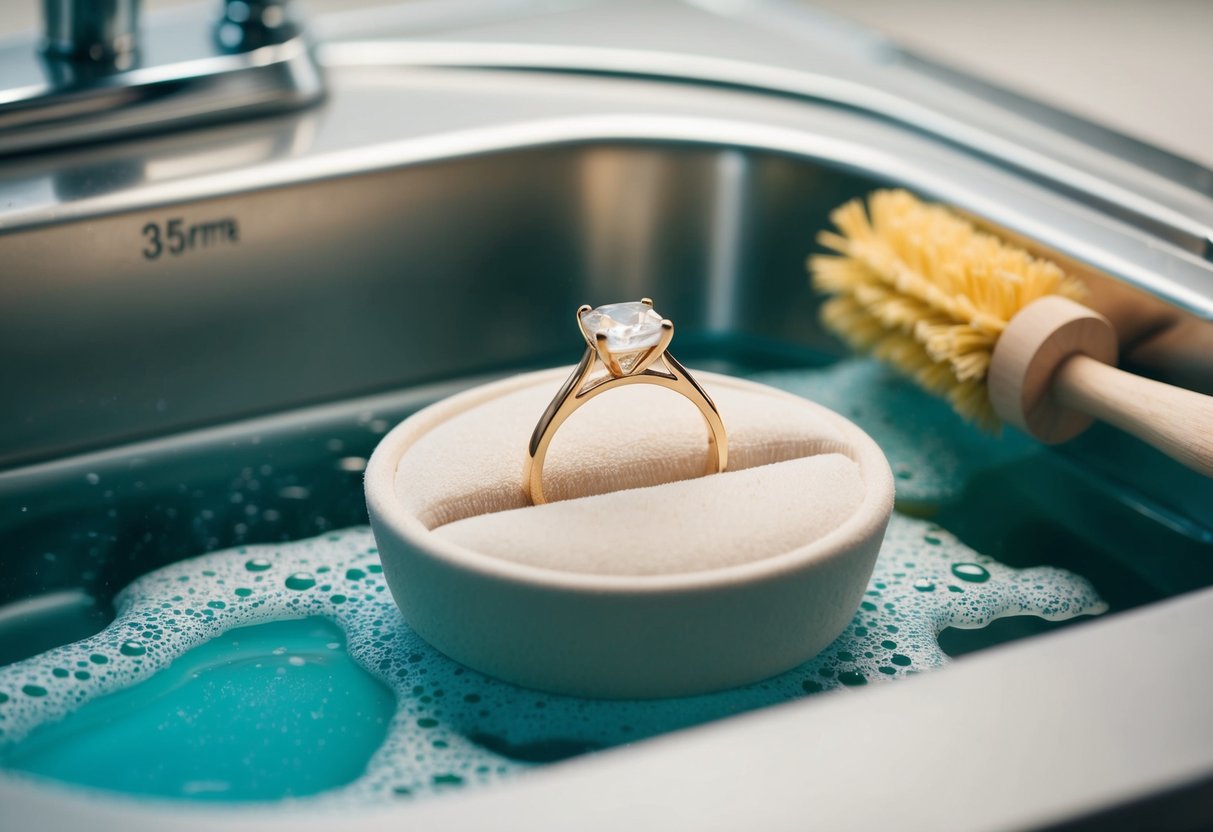
Wearing gloves while doing chores is a smart way to protect your ring if you choose to keep it on.
Cleaning and Maintenance Tips
Regular maintenance keeps your ring shining bright. Here are some simple cleaning tips:
- Use Gentle Soap: When washing your hands or cleaning your ring, opt for a mild soap and warm water solution.
- Avoid Abrasive Chemicals: Strong cleaning products can damage the metal and stones, so always read labels.
- Jewelry Cleaning: Consider using professional jewelry cleaning services regularly. This can help preserve rhodium plating on white gold rings.
Quick Maintenance Checklist:
- Remove your ring during strenuous activities.
- Clean with gentle soap.
- Schedule professional cleanings as needed.
By caring for your ring during routine tasks, you help ensure it remains a stunning symbol of your love.
Protecting Your Ring From Chemicals and Moisture
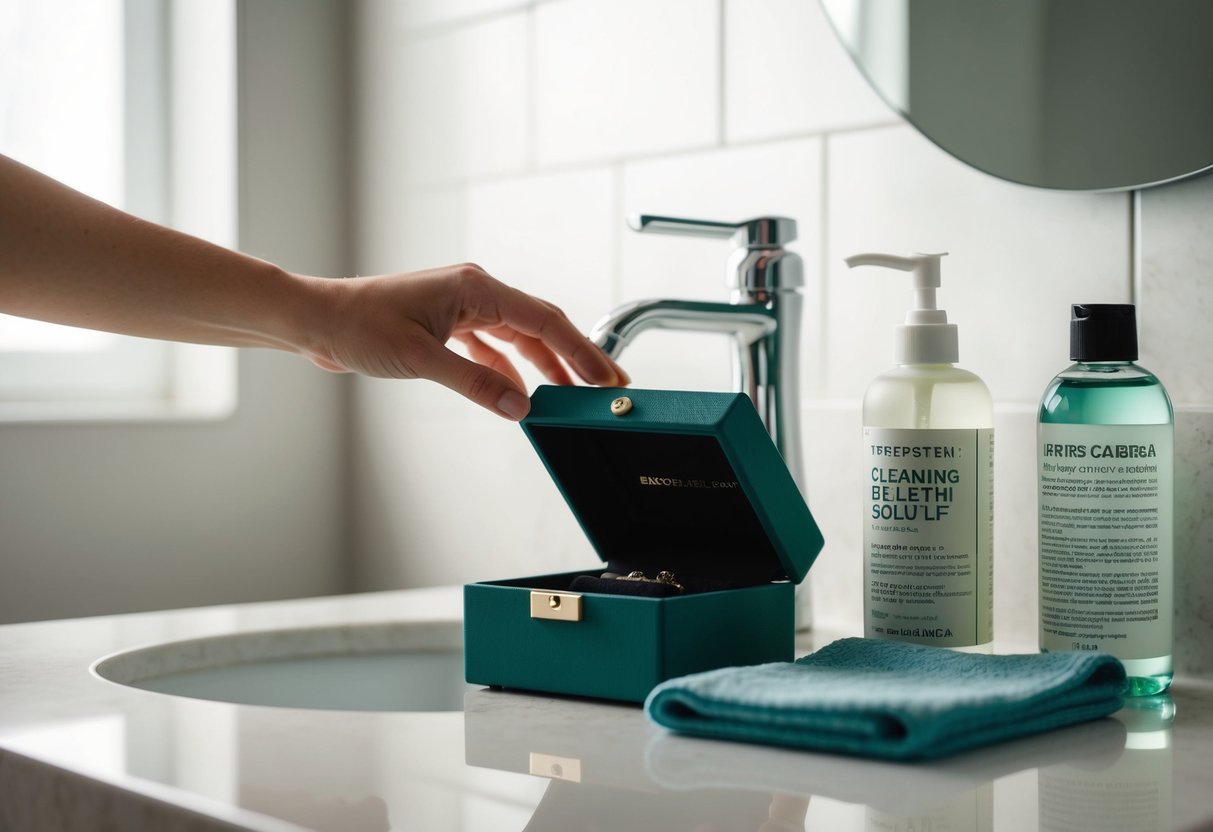
Taking care of your engagement ring means being mindful of the substances it comes into contact with. Certain chemicals and moisture can damage both the metal and the stones in your ring. Here are some specific things to watch out for.
Avoiding Beauty and Harsh Chemicals
When applying lotion or moisturizer, take off your engagement ring. Lotions can leave a film on the ring, making it look dull. Additionally, many lotions contain chemicals that can harm the metal or the stone.
Always be cautious with beauty products. Items like hair spray, perfume, and cleaning supplies can contain harsh ingredients. These can scratch or damage the ring.
If you’re gardening or doing chores, it’s best to remove your ring beforehand. Cleaning supplies often use strong chemicals that can erode the finish and polish of your ring.
Water-Related Activities to Be Cautious Of
Water can also be problematic for your engagement ring. If you’re swimming in a pool or the ocean, remove your ring. Chlorine and saltwater can cause lasting damage.
Showering is another time you should think about taking off your ring. Soap and shampoo can make your ring slippery and may lead it to slip off your finger.
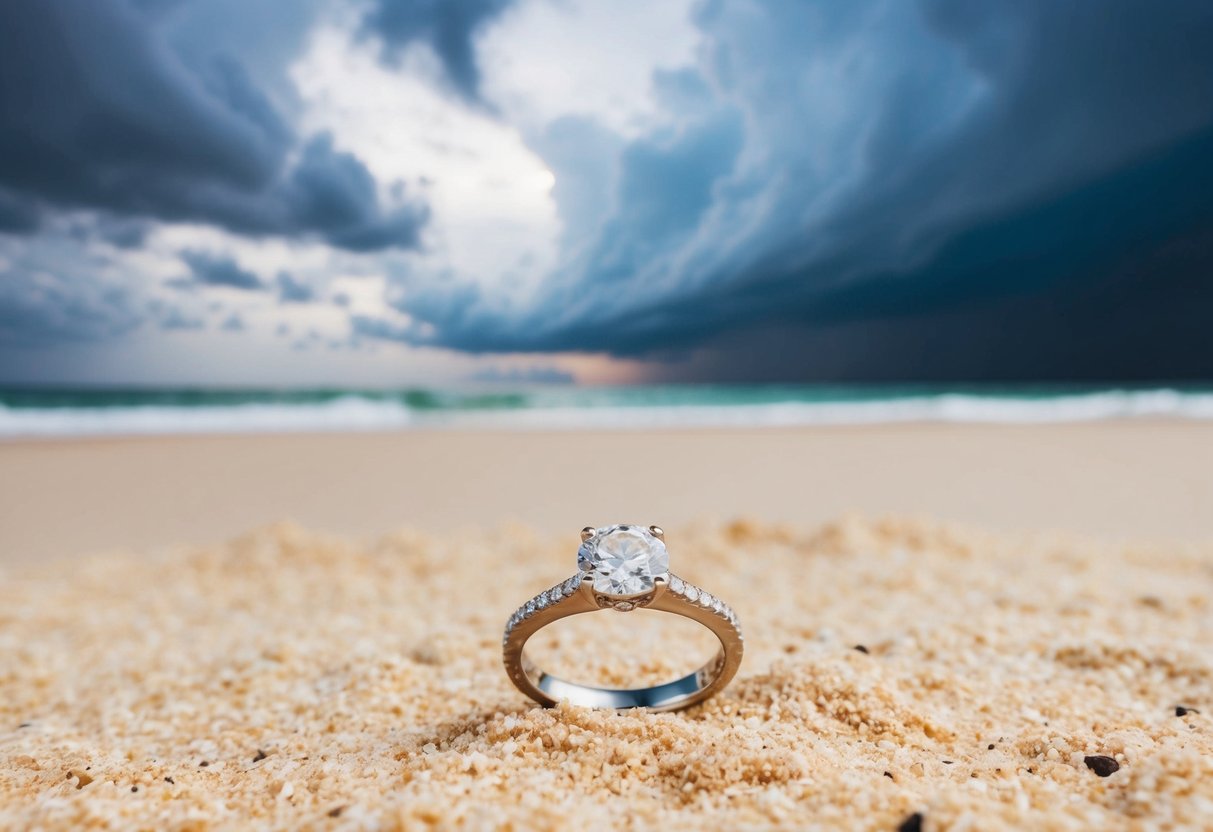
When at the beach, the sand can scratch the surface of your ring. It’s not worth the risk when enjoying time in the sun. Always keep your ring safe from moisture and harsh environments.
Safekeeping Your Engagement Ring
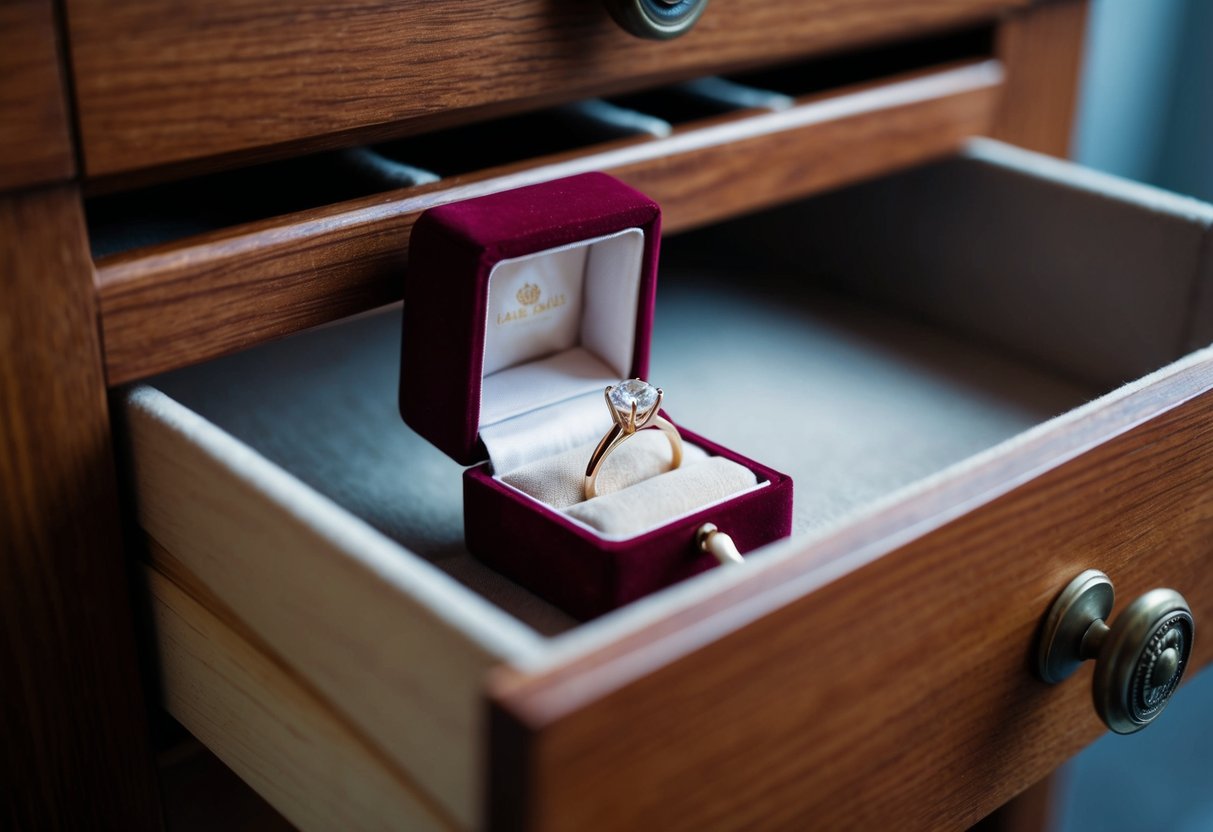
Taking good care of your engagement ring is important. Knowing when and how to keep it safe can help protect it from damage or loss. Here are some key tips to ensure its security.
Smart Storage Solutions
When you’re not wearing your ring, it’s best to store it properly. Use a ring box or a soft pouch to keep it safe from scratches. Consider keeping it in a designated spot at home. This prevents confusion and reduces the chances of misplacing it.
If you’re worried about damage, a silicone ring or silicone band can be a great temporary replacement. These alternatives let you enjoy activities without worrying about your precious ring. Jewelry insurance is also a good idea. It helps protect your investment if something unexpected happens to your ring.
Travelling With Your Ring
Packing for a trip? Make sure to consider whether to bring your engagement ring. If you’re planning activities like hiking or swimming, it’s wise to leave it at home.
When you do take your ring, use a secure travel case to avoid loss. A hard-shell case can protect it from impacts and scratches. Also, keep your ring in your carry-on luggage during flights. Finally, always check your insurance coverage before traveling. This ensures you’re protected in case of loss or theft.