
When You Stop Wearing Your Wedding Ring? Understanding the Reasons and Emotions Behind the Change
Deciding when to stop wearing your wedding ring is a deeply personal decision that varies from person to person. You should remove it when it feels right for you and your situation. Whether it’s after a separation, divorce, or the passing of a spouse, your comfort level and emotional readiness play a crucial role in this choice.

You might feel pressure to take off your ring, especially if your marital status has changed, but remember that this is about your feelings. Some people find that keeping the ring on helps them hold onto meaningful memories, while others may feel ready to let go and start a new chapter in their lives.
Ultimately, it’s essential to honor your feelings and take your time with this decision. Listening to your heart can guide you toward what’s best for you.
Understanding the Symbolism of Wedding Rings
When you think about wedding rings, it’s clear they carry deep meanings. They symbolize commitment, love, and connection between partners. Understanding these meanings can help you reflect on your own feelings about wearing or not wearing these rings.
The Meaning of Rings in Marriage
Wedding rings are more than just jewelry. They represent a promise made during your marriage ceremony. Wearing a ring shows that you are committed to your partner. The circular shape of the ring symbolizes eternity, with no beginning or end, reflecting an everlasting bond.
When you wear your wedding ring, it is a constant reminder of your vows. Many couples view their rings as sacred, a visible symbol of their love and partnership. An engagement ring also carries significant meaning, marking the start of your journey together.
Sentimental Value and Emotional Attachment
The sentimental value of your wedding ring can be profound. Each scratch and mark tells a story of your shared experiences. Many people feel a strong emotional attachment to their rings because they represent important moments in their lives.
If you choose to remove your ring, it may trigger feelings of loss. Some people stop wearing rings due to changes in their relationship status or personal choice. Reflecting on what the ring means to you can help clarify your emotions. Whether you keep it on or take it off, understanding its value is key to processing your feelings.
Navigating Relationship Changes
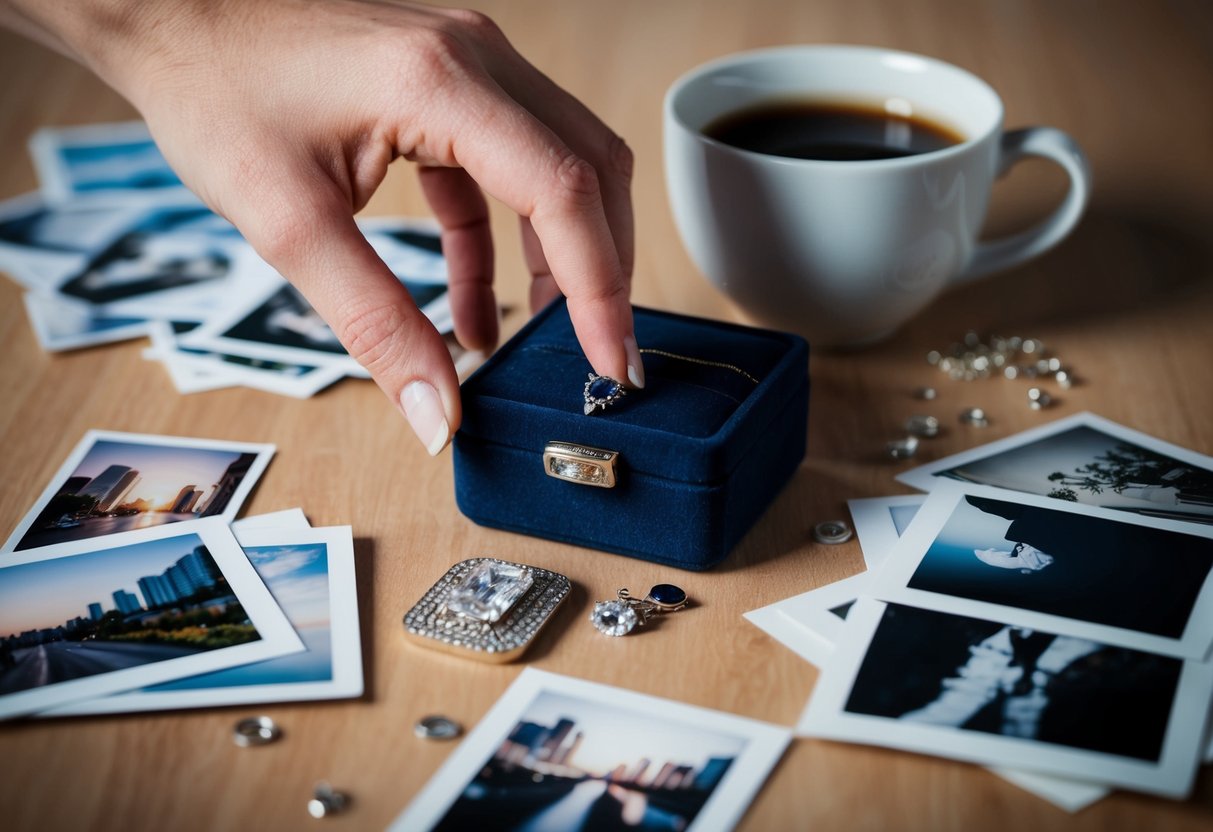
As you navigate the emotional landscape of changing relationships, it’s important to address the distinct situations you may face. Whether you are considering separation or divorce, grappling with loss as a widow or widower, or starting to date again, each step is unique and significant.
Considering Separation or Divorce
When faced with separation or divorce, reflecting on your feelings is vital. Ask yourself how wearing your wedding ring impacts your emotions. For many, the ring symbolizes commitment and love, so removing it can be a powerful step. Discuss your feelings with trusted friends or a professional.
Consider seeking support groups where you can connect with others undergoing similar experiences. Sharing your story can help you process your emotions. Remember that taking time to heal is important.
Dealing with Loss and Grief as Widows or Widowers
Experiencing the loss of a spouse brings profound grief, making decisions about your wedding ring even more challenging. The ring serves as a constant reminder of your beloved. Take time to mourn and remember that it’s okay to feel a mix of emotions.
Support from friends and family is crucial. You might find comfort in writing about your feelings or joining a grief support group. This can help you share your journey with others who understand.
Understanding when to remove the ring is a personal choice. You may decide to keep it on for a while longer if that feels right to you, or remove it for healing.
The Process of Moving On and Dating Again
Starting to date again can be exciting but also brings uncertainty. As you consider dating, reflect on your readiness.
You may want to take off your wedding ring as a sign to yourself and others that you are open to new relationships. Establishing boundaries is key. Communicate your feelings and intentions with potential partners. Take things slowly to avoid feeling overwhelmed.
Sharing your past can help you establish connection but only if you’re comfortable. Remember, it’s okay to seek support from friends or counselors during this time. Enjoy the journey of getting to know new people, while honoring your past.
Making the Personal Choice
Deciding when to stop wearing your wedding ring is a deeply personal choice. It involves understanding your emotions, seeking support, and navigating the healing process. Here are some key areas to consider.
Coping with the Emotional Decision
Removing your wedding ring can be tough. You might feel sadness, anxiety, or relief. These emotions are normal.
Take time to reflect on what the ring means to you. Is it a symbol of love or a reminder of loss? This understanding helps in making a decision.
Journaling can also be helpful. Write down your feelings or thoughts about wearing the ring. This practice guides you in coping with these changes in a healthy way.
When to Seek Guidance from Family and Friends
Talking about your decision with family and friends can provide support. Choose those who understand your situation and can listen without judgment.
Share your feelings about stopping to wear the ring. This might help clarify your emotions and lead to new insights.
Sometimes, others can offer perspectives you may not have considered. Their experiences can help you see your choices more clearly.
The Importance of Healing and Support Networks
Your healing process is essential as you make this choice. Surrounding yourself with supportive people can make a difference.
Support networks, whether friends or support groups, can help you feel less alone. These connections foster a sense of belonging during tough times.
Consider joining a group focused on healing after separation. Here, you can share experiences and learn from others. This community respect can be vital as you navigate your emotions and decisions.