
Where Did the Term June Bride Come From? Unraveling the Tradition and Its Origins
You might have heard the term “June bride” before, but do you know where it comes from? The term stems from ancient traditions that link June weddings to prosperity and fertility, making it a popular choice for couples starting their married lives together. Many believe that if a bride marries in June, she is more likely to have a happy marriage and healthy children.
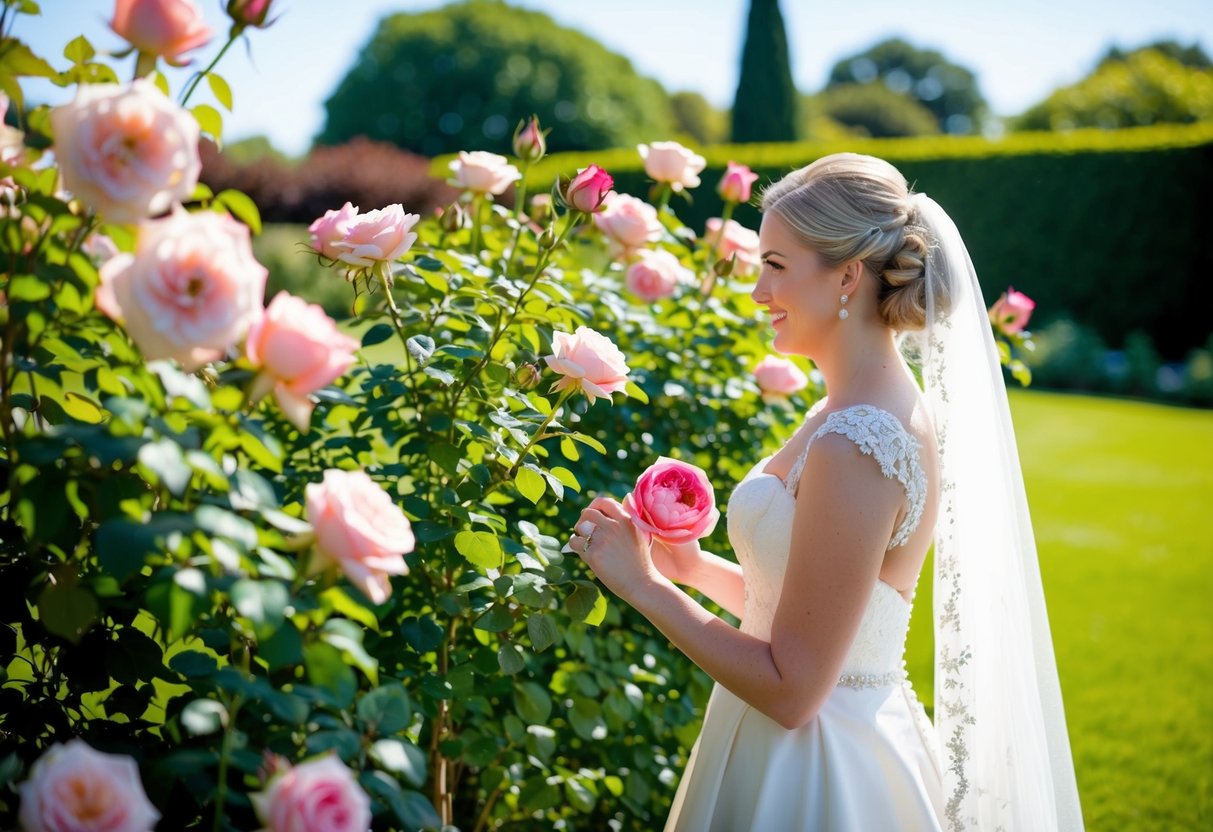
Tradition plays a big role in why June became favored for weddings. People have long associated the month with the Roman goddess Juno, who represents marriage and childbirth. This belief has influenced the timing of weddings for centuries, as couples look to leverage the positive connotations of this special month.
As you explore the history of the June bride, you’ll find a rich tapestry of customs and meanings connected to marriage. The charm of a June wedding continues to capture the hearts of many, making it an ideal time for your big day.
Historical Origins of June Weddings
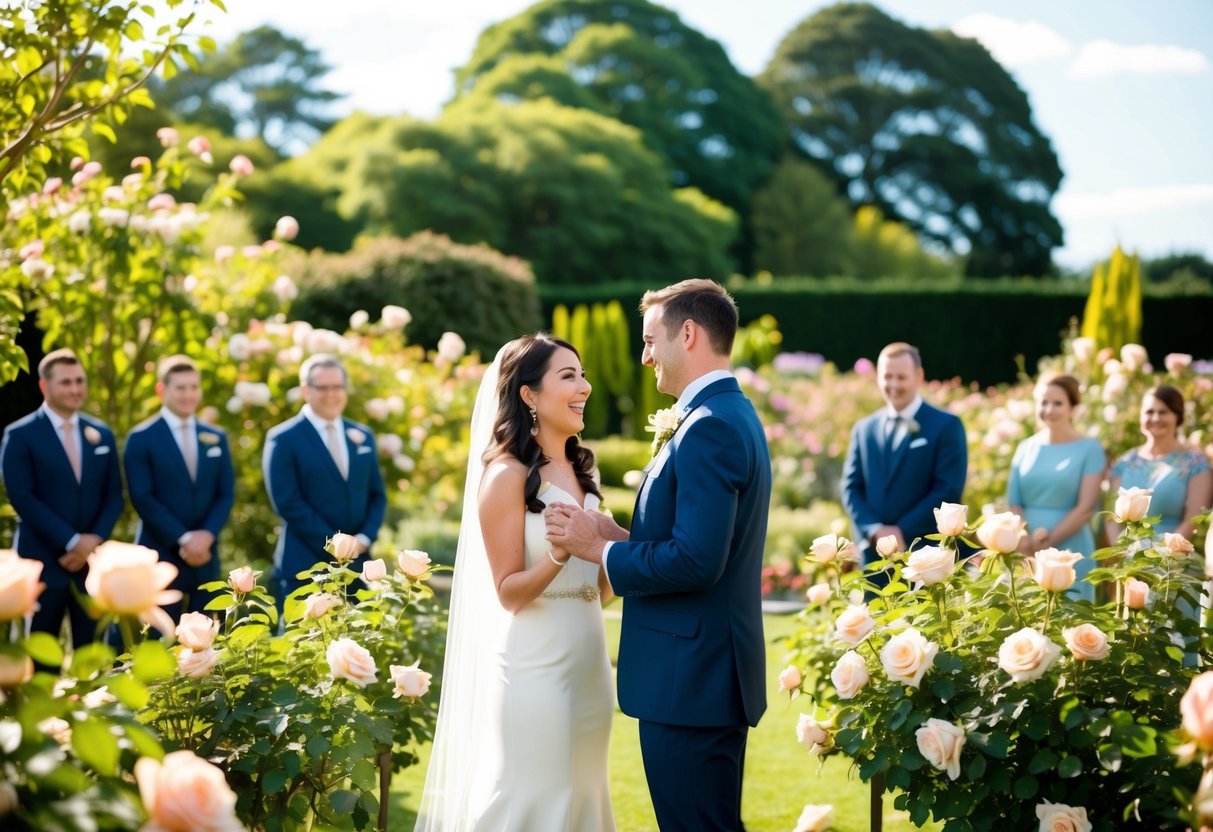
June has long been considered a favored month for weddings due to its rich history and traditions. The roots of this practice can be traced back to ancient Rome, where significant cultural beliefs shaped the timing of marriages. Additionally, during Medieval Europe, customs surrounding June weddings evolved, reinforcing its popularity.
Roman Beginnings and Goddess Juno
In ancient Rome, the month of June was named after the Roman goddess Juno. She represented marriage and childbirth, making June an auspicious month for weddings. Couples believed that marrying in June would bring them good fortune and a prosperous life together.
Brides often honored Juno by wearing white, symbolizing purity. They also participated in rituals, such as offerings to the goddess, to seek her blessings. The tradition of celebrating weddings in June started gaining traction and became a significant cultural aspect of Roman society.
Medieval Europe and June Nuptials
During Medieval Europe, the trend of June weddings continued to flourish. Many couples chose June for practical reasons. Marrying in this month allowed brides to give birth in the spring, ensuring they would recover before the busy harvest season.
Additionally, the warmer weather and blooming flowers made June a beautiful backdrop for ceremonies. The sense of renewal and hope associated with summer also contributed to the belief that marrying in June would bring happiness and fertility to the couple. These customs solidified June’s status as a prime wedding month in various cultures.
Cultural Significance and Superstitions
June brides enjoy a rich history filled with cultural significance and charming superstitions. These elements enhance the romantic allure of weddings in June, linking them to blessings, purity, and age-old folklore.
Blessings and Prosperity
Getting married in June has long been associated with blessings and prosperity. Many cultures believe that couples who marry in this month will enjoy good luck and a happy marriage. This is partly due to the ancient Roman goddess Juno, who is linked to marriage and childbirth.
In many traditions, it was thought that June weddings would bring prosperity to the couple’s future. This belief still influences many couples as they choose to tie the knot in June, hoping to start their life together on a lucky note.
Purity and Fresh Flowers
Purity plays a key role in the symbolism of June weddings. Historically, brides wore white to symbolize their purity and innocence, which adds a special significance to the term “June bride.” Fresh flowers also have deep meanings, representing new beginnings and love.
In June, flowers like roses, peonies, and daisies are in full bloom, making them popular choices for bouquets and decorations. Their vibrant colors and lovely scents add to the joyful atmosphere of weddings, enhancing the overall experience for you and your guests.
Folklore and Symbolism
Folklore surrounds the concept of June brides, enriching the wedding experience. Various cultures have beliefs about how marrying in this month can affect your future. For example, some say that a couple who marries in June is destined for happiness and good fortune.
Symbolically, June is seen as a time of growth and fertility, reflecting the blooming season. This connection to nature adds a touch of magic to the celebration. By marrying in June, you embrace not just a date but a celebration of love that draws on traditions and stories passed down through generations.
Modern Interpretations and Practices
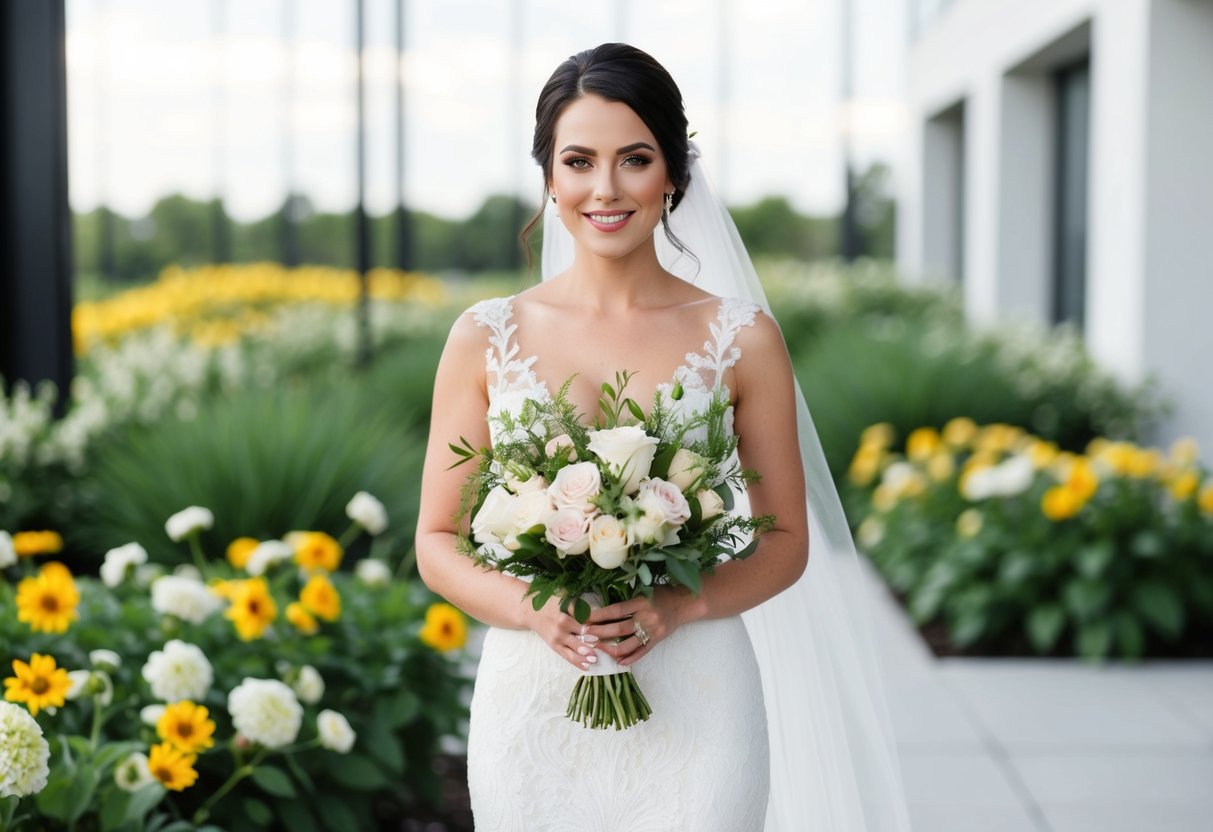
As you think about the term “June Bride,” it’s essential to explore how modern couples celebrate this tradition today. Many still prefer June for weddings, while others find new meanings and styles in their ceremonies. Let’s dive into how wedding ceremonies and venues have evolved, along with the seasonal popularity of June weddings.
Wedding Ceremonies and Venues
Today, wedding ceremonies are as unique as each couple’s love story. Many couples personalize their vows and choose venues that reflect their personalities.
Popular choices include:
- Outdoor Ceremonies: Gardens, beaches, and vineyards offer beautiful backdrops.
- Destination Weddings: New locations create unforgettable experiences for you and your guests.
You might also consider themed weddings, such as vintage or rustic styles. The rise of micro-weddings, with smaller guest lists, allows for more intimate celebrations. Think of creative ways to involve your bridesmaids and bridegroom in planning to make it even more special.
Seasonal Popularity of June Weddings
Many couples prefer June weddings. History and practicality influence this choice. Traditionally, marrying in June meant brides would have children in spring. This provided time for recovery before harvest.
Today, June’s advantages include:
- Mild Weather: Ideal for outdoor celebrations.
- Vacation Time: Guests often find it easier to attend summer weddings.
While June leads in popularity, other months like August and July are becoming trendy too. Many couples are redefining what it means to be a June bride. You might embrace traditions or create new ones that fit your vision for such a significant milestone.