
Where Do DJs Get All Their Songs From? Exploring Sources and Tips for Music Discovery
When you think about DJs, one key question often arises: where do they get all their songs? DJs source their music from a variety of places, including digital download stores, streaming services, and even record pools. This music collection is essential for crafting the perfect set that keeps the dance floor alive and buzzing.
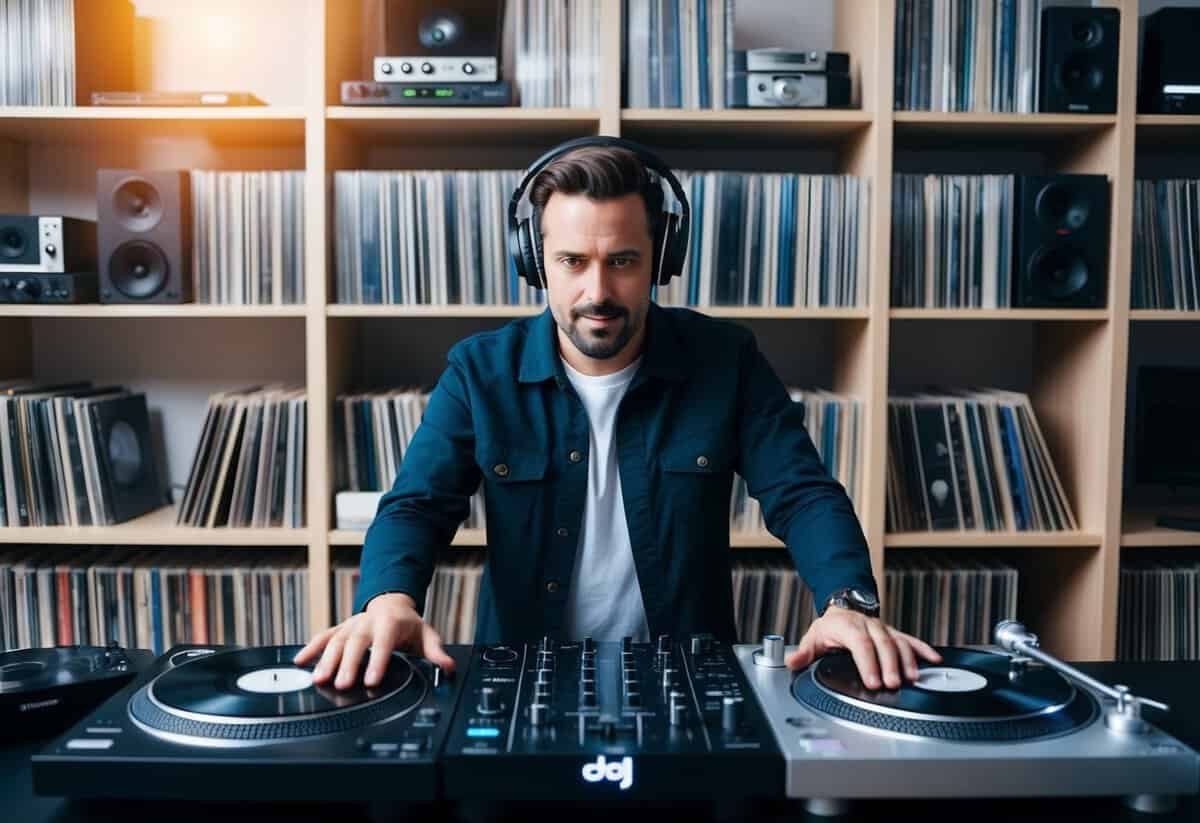
In today’s music industry, discovering new tracks is easier than ever.
With platforms like SoundCloud and Spotify, you can explore vast libraries and find hidden gems that suit your style.
Many DJs also follow podcasts or music blogs to find fresh mixes and new genres that inspire their performances.
Whether you’re a budding DJ or simply curious about the craft, knowing where to find music can enhance your experience. The journey of building a music collection filled with unique tracks is both exciting and rewarding.
Sources of Music for DJs
As a DJ, finding the right tracks is essential to keep your sets fresh and engaging. You have several options to explore, from digital DJ pools to streaming services. Each source offers unique advantages to help you build a diverse music library.
Digital DJ Pools
Digital DJ pools are some of the best resources for DJs like you.
These platforms provide access to a vast selection of music, including new releases, exclusive remixes, and club-ready tracks.
Services like DJCity, BPM Supreme, and Digital DJ Pool allow you to download songs quickly and often offer tracks that are not available elsewhere.
By subscribing to these pools, you can stay ahead of trends and access music tailored for DJ performances. You’ll find various genres, making it easier to discover hidden gems and must-have tracks for your collection.
Online Music Stores and Platforms
Online music stores also play a significant role in how you acquire tracks.
Sites like Beatport, Juno Download, and Traxsource cater primarily to DJs, offering high-quality digital downloads. You can purchase and download the latest hits and classic tracks with just a few clicks.
Platforms like iTunes and Amazon Music allow you to buy individual tracks or entire albums, making it easy to expand your library.
Additionally, Bandcamp offers independent artists a place to sell their music, giving you access to unique sounds and fresh talent.
Streaming Services
Streaming services have changed how you discover and play music.
While platforms like Spotify and Apple Music mainly cater to casual listeners, many DJs find creative ways to incorporate them into their sets.
You can create playlists, explore curated charts, and listen to new tracks daily.
Some services also have features like digital radio and algorithm-driven playlists, which can help you discover music outside your usual genres. Remember that while streaming can be great for discovery, always check the terms for using these tracks in professional settings, as licensing may vary.
The Role of Social Media and Online Communities

Social media and online communities are vital for DJs as they discover new music and connect with others in the industry.
Platforms like YouTube and various music blogs provide opportunities for finding fresh tracks, while community engagement helps build relationships and access exclusive content.
YouTube and Podcasts
YouTube is a goldmine for DJs looking for new songs.
Many artists post music videos, live sets, and even entire albums. You can explore various genres and see the latest trends through user-generated playlists.
Podcasts are also gaining popularity as a music discovery tool.
Many podcasts focus on music news and feature interviews with artists. Some even share exclusive tracks, making it a unique way to find new sounds that you may not see elsewhere.
Music Blogs and Promotional Emails
Music blogs play an essential role in music discovery.
Sites like Boomkat and Bleep provide reviews and tracklists that help you know what’s worth listening to. They often highlight under-the-radar artists, focusing on various genres.
Signing up for record label mailing lists and promotional emails is another great strategy.
Labels often share exclusive content and free music with subscribers. This can lead to discovering fresh tracks before they hit the mainstream, keeping your sets up-to-date and exciting.
Physical and Traditional Sources
When building your music collection, physical and traditional sources play an important role.
Many DJs rely on these methods to find unique tracks and exclusives that digital platforms may not offer. You can discover a range of genres, from hip-hop to electronic dance music, using these classic methods.
Vinyl Records and CDs
Vinyl records and CDs are timeless tools for DJs.
They give you access to exclusive remixes, extended versions, and even acapellas that are hard to find online.
Many record stores still carry a wide selection of genres, including rock, country, dancehall, reggae, and Latin.
Visiting a local record store can lead to exciting finds and nostalgic treasures. You can connect with other music lovers and get help from knowledgeable staff. Often, they can recommend underground artists or limited releases that fit your style.
Collecting vinyl also adds a unique touch to your DJ sets. The warm sound of vinyl can create a richer experience at live events. CDs, while less popular now, still provide reliable quality and can be easily organized for your gigs.
Radio Shows and Record Labels
Radio shows are a great source for discovering new music. Many stations feature DJ sets that introduce listeners to fresh tracks. Some shows even spotlight underground or rising artists, giving you exclusive access to what’s coming.
Record labels are another crucial resource. They offer a variety of genres and often release exclusive tracks. Subscribing to newsletters from your favorite labels can keep you updated on new releases.
Listening to radio can inspire your own mixes and give you ideas for your sets. Plus, connecting with labels may provide opportunities to acquire pre-releases and special collaborations tailored for DJs like you. This traditional method keeps you connected to the music community and helps you stay ahead in your performances.