
Where Do Groomsmen Sit at a Wedding Ceremony? A Simple Guide for the Big Day
Knowing where the groomsmen sit can help everything run smoothly on the big day. Typically, groomsmen will stand at the altar, flanking the groom on his right side. This arrangement aligns with traditional seating etiquette that sets clear roles for everyone involved. If you’re planning your ceremony, understanding this can also ease concerns for guests about where to look and focus during the event.
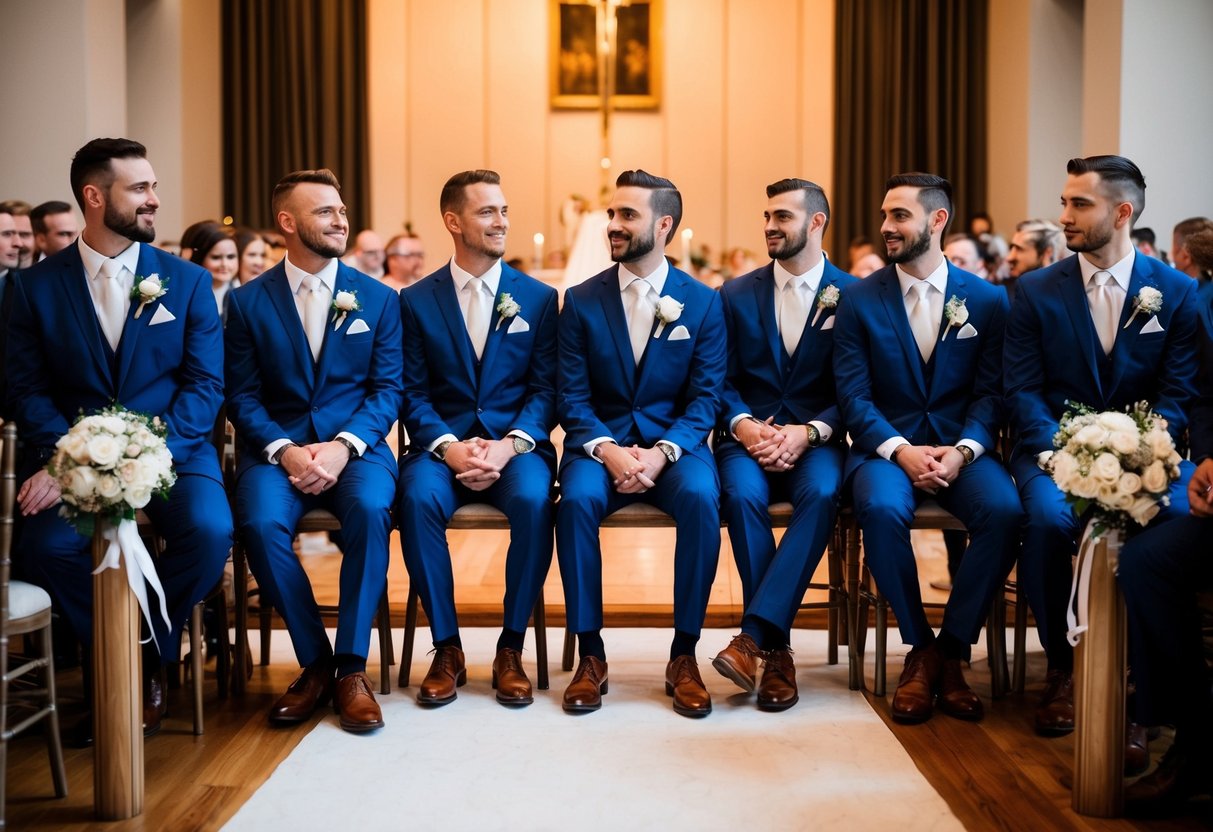
In addition to standing by the groom, groomsmen may need to sit in designated areas during parts of the ceremony when they are not needed. It’s common for them to sit in the front rows with other members of the wedding party, ensuring they’re close for easy entry and exit. This way, they can support the groom while also making it easy for everyone involved to enjoy the event.
The seating arrangement can vary based on the couple’s preferences and any cultural traditions they may want to include. Whatever your choice, knowing where groomsmen fit into the wedding ceremony seating plan will allow you to create an enjoyable and organized atmosphere for your guests.
Understanding Ceremony Seating
Ceremony seating plays a key role in ensuring that your wedding is organized and enjoyable for all guests. Knowing where everyone sits helps create a respectful and harmonious atmosphere during the ceremony.
Traditional Ceremony Seating
In traditional ceremonies, seating typically follows specific protocols. The groom’s guests sit on the right side of the aisle, while the bride’s guests occupy the left side. This arrangement highlights the couple’s family and friends.
Elderly guests and those with disabilities should be seated towards the front or near the aisle for easy access. In some cultures, like Jewish weddings, parents often stand under the chuppah with the couple instead of sitting.
You can also consider seating children and their guardians at the end of the rows. This allows for a quick exit if the little ones get restless. Think about these elements when planning your seating arrangement to ensure everyone feels comfortable.
Modern Twists on Seating Etiquette
Many couples today embrace modern interpretations of seating etiquette. This might mean mixing guests from both sides to encourage interaction and conversation during the ceremony.
For same-sex marriage ceremonies, seating arrangements can be even more flexible. Couples might choose to have all guests sit together, breaking traditional norms. You can personalize the layout to reflect your style and relationships.
Some couples also opt for creative seating arrangements, such as circular or amphitheater-style layouts. This setup allows all guests to see the ceremony, creating an inclusive experience. Be open to ideas that make your special day unique while respecting your guests’ comfort!
Roles and Responsibilities
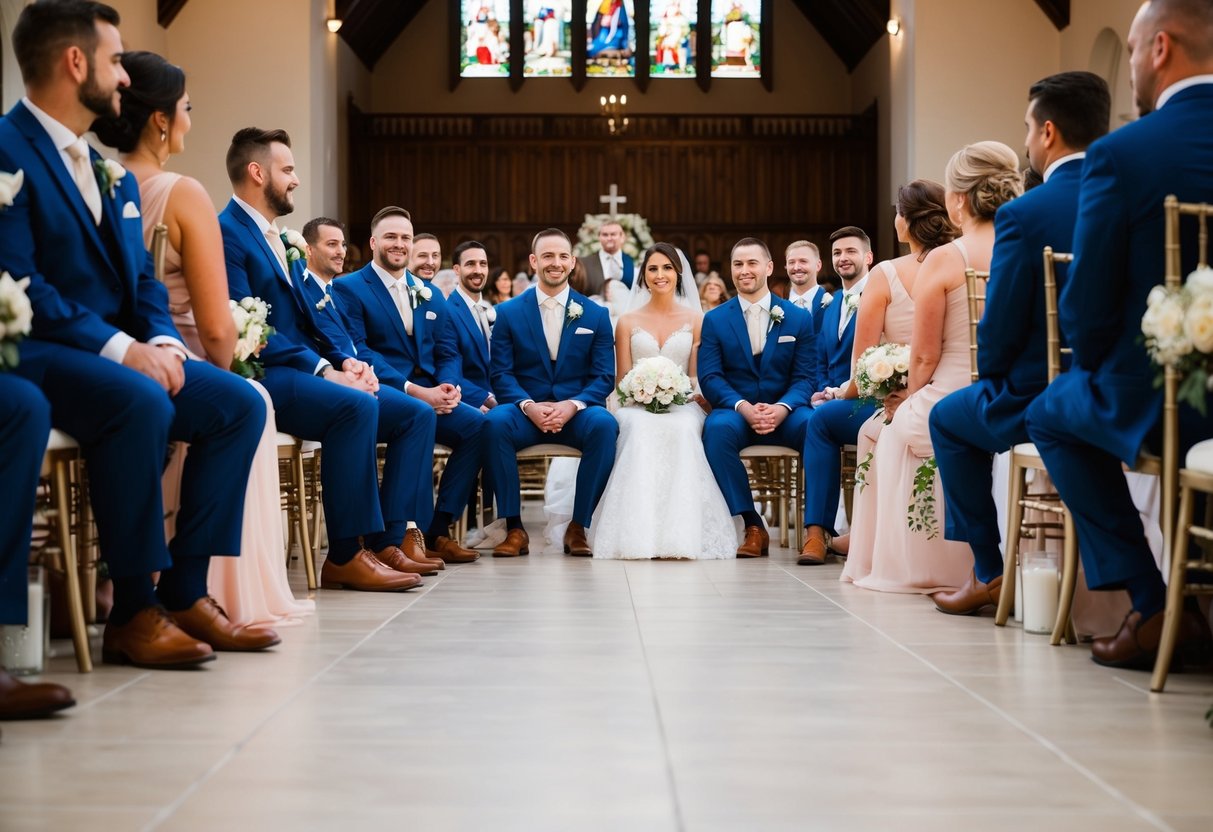
Understanding the roles and responsibilities at a wedding ceremony helps ensure a smooth and enjoyable experience for everyone. You need to be aware of where ushers fit in, how to honor VIP guests, and how to manage seating arrangements, especially for divorced parents.
The Role of Ushers
Ushers play an essential part in your wedding. Their main responsibility is to guide guests to their seats. This role helps create a welcoming atmosphere and keeps things organized.
Typically, ushers will seat guests, starting with the closest family members, such as the parents of the bride and groom. They will then seat other VIP guests.
It’s also helpful if ushers know the seating plan in advance. This way, they can assist guests with any questions and ensure everyone feels comfortable.
VIP Guests and Special Considerations
VIP guests often include parents of the bride and groom, grandparents, and very close friends. It’s important to give these guests special attention during the seating process.
Seating should take into account relationships and family dynamics. For instance, it might be best to seat parents of the bride and groom close together but ensure a positive atmosphere by considering any prior conflicts.
If there are notable VIP guests, such as family leaders or mentors, you might want to reserve seats in a prominent location. This shows appreciation for their important role in your life.
Seating Divorced Parents
Seating divorced parents at your wedding can be tricky but manageable. Consider their comfort and the dynamics of their relationship. It might help to seat them in separate sections to avoid any tension.
If they can be civil, you might choose to seat them in adjacent rows with other relatives in between. This allows them to be a part of the ceremony without direct interaction.
Discuss your plans with them ahead of time to ease any concerns. Clear communication can help you create a positive environment for everyone involved.
Detailed Seating Arrangements
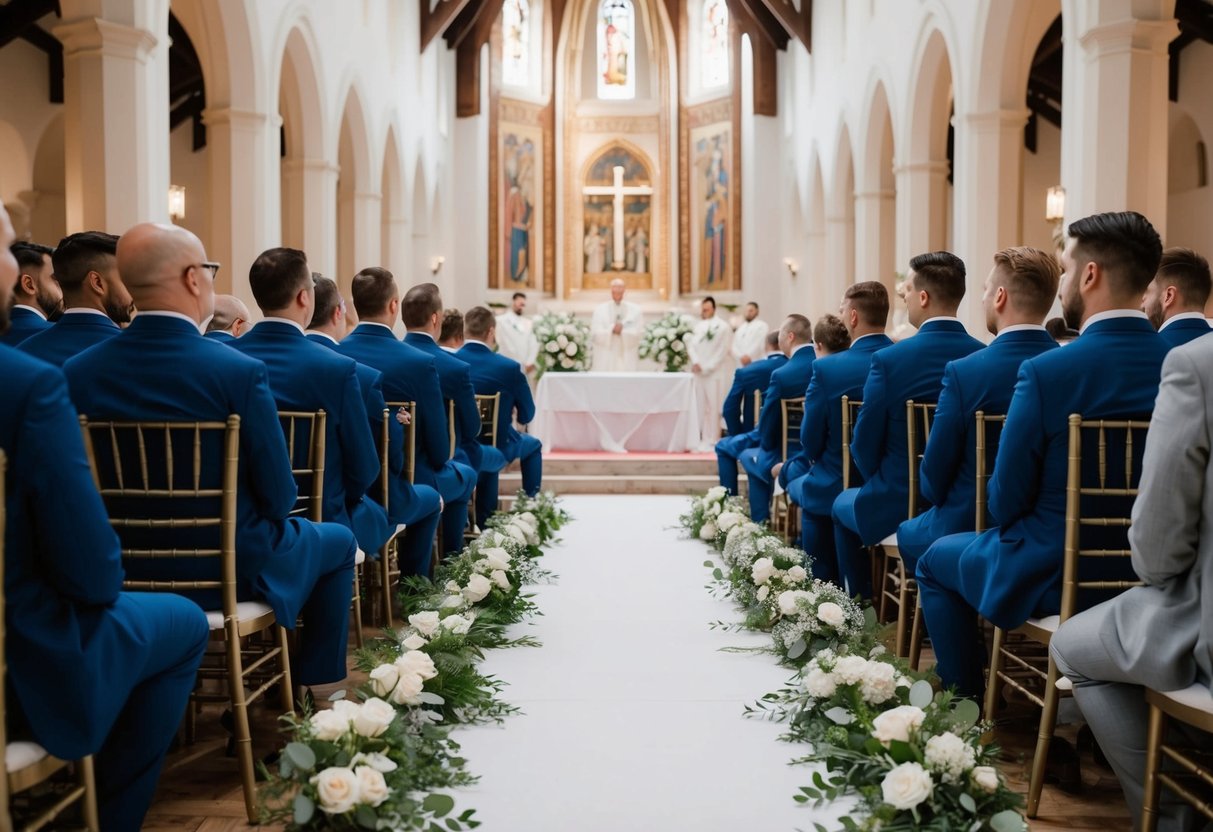
When planning seating arrangements for groomsmen, it’s important to consider the type of wedding and the roles of various guests. The seating will often reflect the traditions of Christian and Jewish ceremonies, as well as special considerations for honored guests.
Christian Weddings Seating Plan
In Christian weddings, seating follows a traditional pattern. The bride’s guests typically sit to the left side of the aisle, while the groom’s guests are seated on the right.
- Groomsmen often sit on the groom’s side, usually in the front rows.
- They may occupy seats near the aisle or be positioned just behind the groom’s family.
This arrangement helps symbolize unity and support for the couple as they begin their marriage. Additionally, the wedding processional is an important part of the ceremony, where the seating structure plays a role in guiding the movement of attendants and family members.
Jewish Weddings Seating Plan
In Jewish weddings, the seating arrangement can differ significantly. Traditionally, parents of the couple stand beneath the chuppah, while guests sit in a manner that reflects their roles.
- Groom’s guests sit on the right and the bride’s guests on the left.
- Special considerations are made for elderly or disabled guests, who should be seated towards the front or at the end of the aisle for easier access.
These arrangements emphasize community and support, showcasing the importance of family and friends in a Jewish ceremony.
Guests of Honor Seating
Designating seats for guests of honor is essential regardless of the wedding type. You should recognize key figures such as grandparents, parents, and other close relatives.
- Front rows are typically reserved for immediate family, ensuring they have the best view of the ceremony.
- Consider reserving props or special keepsakes for these honored guests, adding a personal touch.
This thoughtful seating shows appreciation and acknowledges the important role they play on this special day. Make sure to communicate seating specifics to your guests ahead of time to avoid confusion on the day.