
Where Do Most Weddings Take Place? Discover the Top Venues Loved by Couples
When planning your special day, you might wonder where most weddings take place. Las Vegas is the most popular city in the United States for weddings. Around 114,000 couples tie the knot there each year. This vibrant city, often known as the “Wedding Capital of the World,” attracts couples who seek both convenience and excitement.
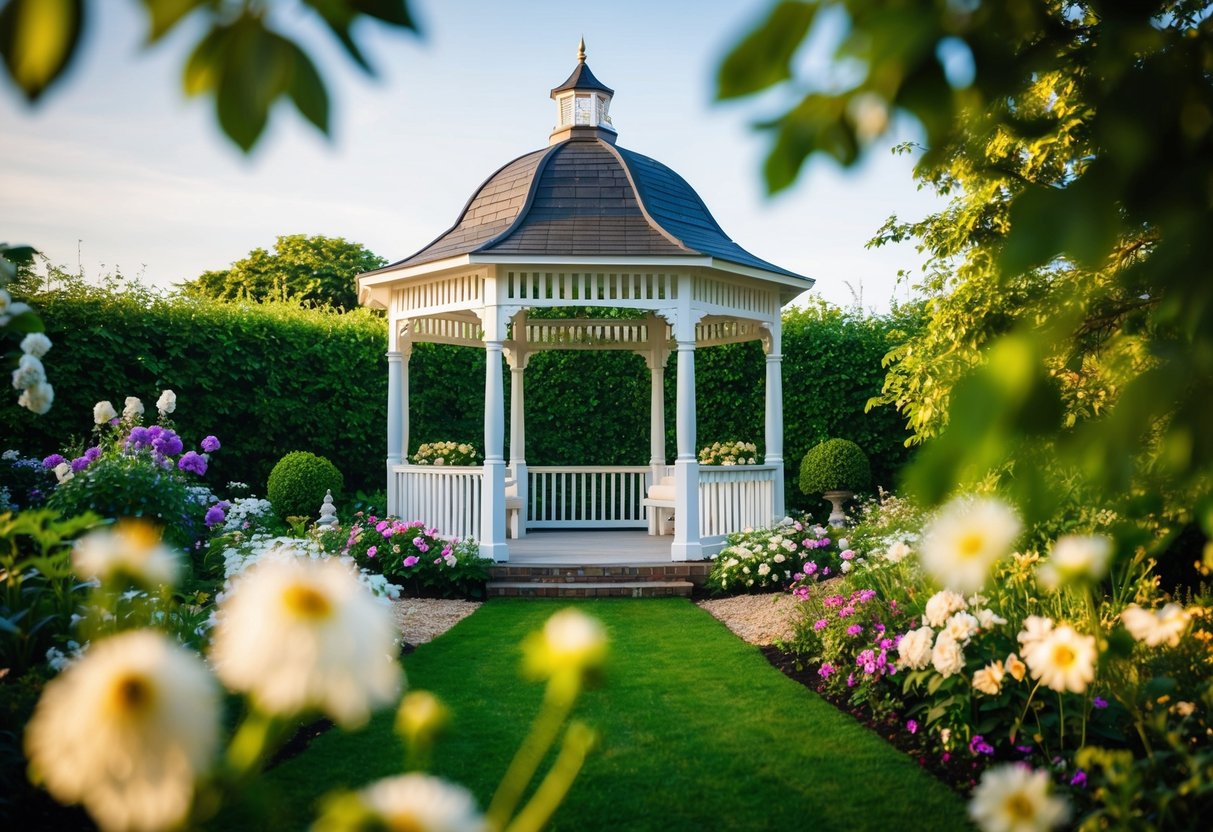
While Las Vegas leads the charts, many weddings also happen in churches and synagogues. Nearly 80% of ceremonies take place in these traditional settings. Whether you dream of a grand celebration or a more intimate affair, knowing where most weddings occur can help you choose the perfect venue for your big day. Millions of couples navigate the wedding planning process each year, and understanding these trends can make a meaningful difference in your own plans.
Choosing the Perfect Wedding Location
Finding the right wedding location is crucial for your big day. Consider your vision for the event, explore different destinations, and make sure to understand the legal requirements.
Understand Your Wedding Vision
Start by thinking about the type of wedding you want. Will it be formal, casual, outdoor, or at a venue? Visualize the ambiance you want to create. This vision will guide your choice of location.
Make a list of must-have features. Do you want a beach, garden, or historic building? Each setting provides a unique backdrop. Keep in mind the season and how it influences your chosen spot.
Budget is another essential part of your vision. Some locations may have higher rental fees. Make sure your location matches both your style and your budget.
Exploring Popular Wedding Destinations
Certain destinations are popular for weddings. Locations like Hawaii, Mexico, and Europe offer stunning views along with different experiences. Think about what matters most to you.
Check what services each destination offers. Some venues provide packages that include catering, flowers, and decorations. This can simplify planning.
Consider the convenience for your guests. Will they need to travel? Look at accommodations and local attractions. Making it easy for guests enhances their experience.
Ask friends or family for recommendations too. Personal insights can lead you to hidden gems. Also, online reviews can help you get a sense of what to expect.
Securing a Marriage License
Don’t forget the legal side of things when choosing your location. A marriage license is necessary, and requirements vary by state and country. Research what documents you need to provide.
Visit local government websites for accurate information. Some places require blood tests or waiting periods, while others may have different rules. Make sure to start this process early to avoid stress.
Plan a visit to the local licensing office if possible. This will help you understand the procedure better. Knowing what to expect can make this step smoother.
Stay organized by keeping all documents in one place. It will help you stay on track during wedding planning. This way, you can focus more on enjoying your special day.
Navigating the Wedding Industry

Planning a wedding can feel overwhelming. Understanding the wedding industry, its trends, and how to manage costs can help you navigate this special journey with more ease.
Working with Wedding Planners
Hiring a wedding planner can be a game-changer for your big day. These professionals bring valuable expertise and can save you time and stress.
When choosing a planner, consider their experience, reviews, and style. Ask for a detailed breakdown of services and fees so you know what to expect.
Most planners help with vendor selection, timeline creation, and day-of coordination. This support allows you to focus on enjoying the moment rather than juggling multiple details.
Be sure to discuss your vision and budget upfront. A good planner will work within your financial limits and provide options that fit your taste.
Wedding Industry Trends and Statistics
The wedding industry is constantly evolving, influenced by cultural shifts and technological advancements. For instance, destination weddings are popular, with 23% of couples tying the knot away from home, reflecting the desire for unique experiences (wedding industry statistics).
Some current trends include personalized ceremonies and eco-friendly choices. Couples often seek out venues that provide meaningful backdrops.
Understanding these trends can help you plan a wedding that feels authentic. Keep an eye on platforms like social media for inspiration and emerging trends that might appeal to you.
Cost Management Strategies
Managing your wedding budget is crucial to avoid financial strain. The average cost of a wedding can exceed $30,000, so setting a realistic budget is key.
Begin by listing all potential expenses: venue, catering, attire, and photography. Consider using a spreadsheet to track your spending.
Prioritize what matters most to you. For example, if a stunning venue is essential, you might skimp on flowers.
Exploring off-peak wedding dates can also reduce costs. Many vendors offer discounts during slower seasons, so inquire about their pricing.
By actively managing your budget, you can create a beautiful wedding that fits your financial plans.
Designing Your Wedding Experience
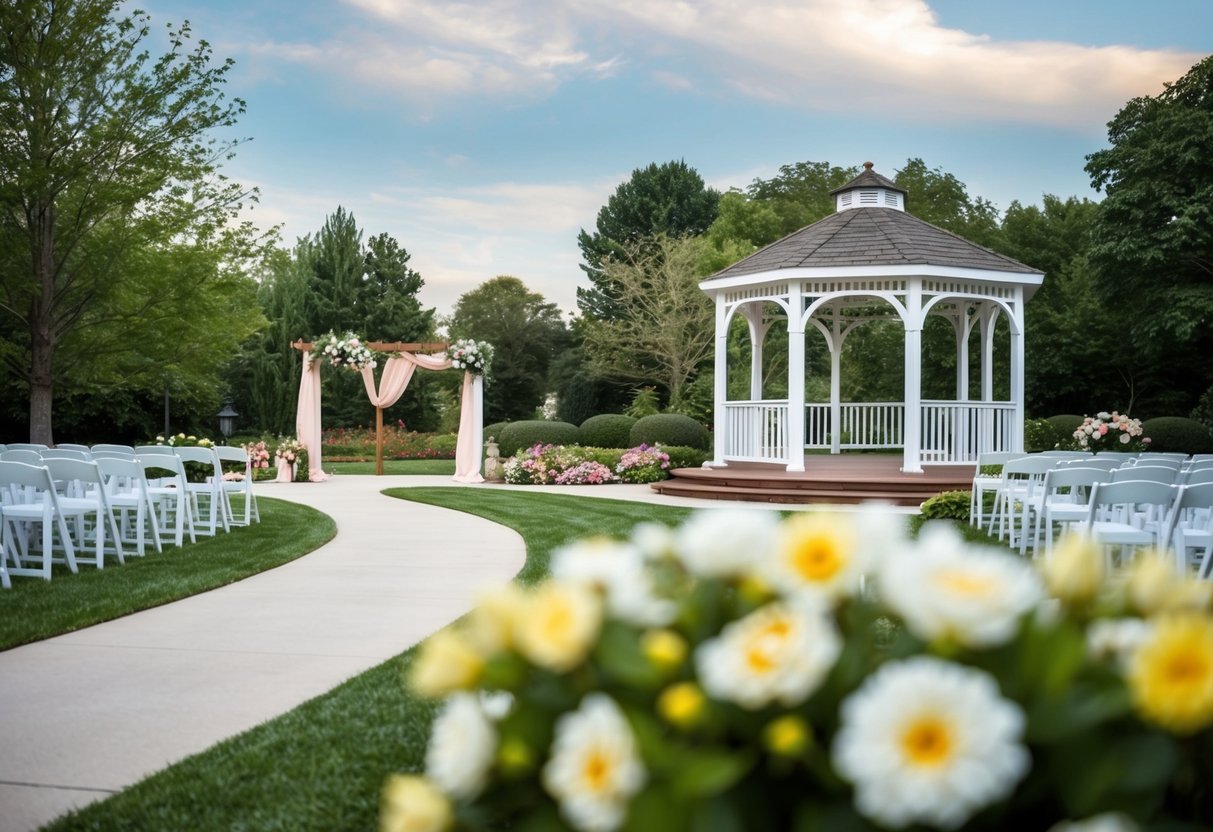
Creating a memorable wedding experience involves carefully selecting your ceremony type, dining options, and entertainment for your special day. Each choice contributes to the overall atmosphere and enjoyment for you and your guests.
Ceremony Types and Traditions
When planning your wedding ceremony, consider the different types available. You can choose from civil ceremonies, which are legal and often simple, or religious ceremonies that incorporate spiritual traditions. Many couples opt for a mix of both, allowing personalized touches alongside meaningful customs.
Think about the setting too. Outdoor locations, like gardens or beaches, offer stunning backdrops, while indoor venues provide comfort and shelter. Whether you want a large gathering or an intimate setting, make sure it reflects your style and values.
Dining and Entertainment
Selecting dining options is crucial for keeping your guests happy. You can choose from buffet-style meals, plated dinners, or even food stations. Don’t forget about special diets; offering vegetarian, vegan, or gluten-free options shows consideration for your guests’ needs.
Entertainment is just as important. Think about live music, DJs, or even a fun photo booth. Some couples include interactive options like dance lessons or games. These elements can make your wedding feel lively and unforgettable.
Wedding Services and Amenities
To ensure everything runs smoothly, consider wedding services and amenities. Hiring a wedding planner can help you manage logistics and reduce stress. They can recommend trusted vendors for catering, photography, and floral arrangements.
Also, think about amenities for your guests. Consider shuttle services to transport them from the ceremony to the reception. A comfortable environment with lounge areas and restrooms is also essential. These details enhance the overall experience and make your wedding enjoyable for everyone.