
Where Do Parents of Bride and Groom Sit at Wedding Reception? A Guide to Seating Arrangements
Planning a wedding involves many details, and one important choice is deciding where to seat the parents of the bride and groom at the reception. Traditionally, the bride’s parents sit on the left side and the groom’s parents on the right side of the head table. This arrangement helps honor both families and creates a warm atmosphere for the celebration.
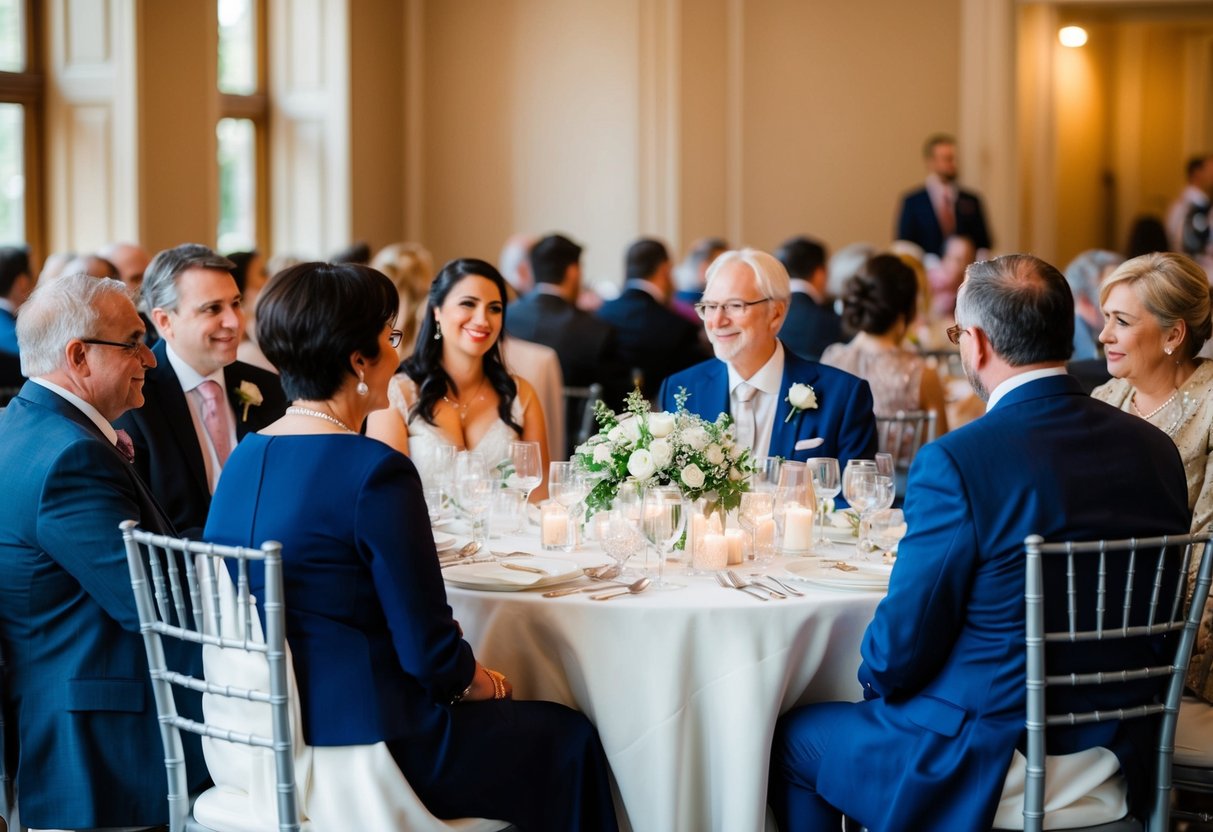
You might wonder if this rule applies to all weddings, especially with today’s diverse celebrations. In some cases, couples may opt for a more personalized setup, perhaps seating parents with close friends or other family members. Understanding these options can help you create a comfortable and enjoyable experience for everyone.
As you plan your seating arrangements, it’s essential to consider the dynamics between both families and how best to acknowledge each one.
By making thoughtful choices about seating, you can set the stage for a joyful reception filled with love and connection.
Understanding Wedding Reception Seating Basics
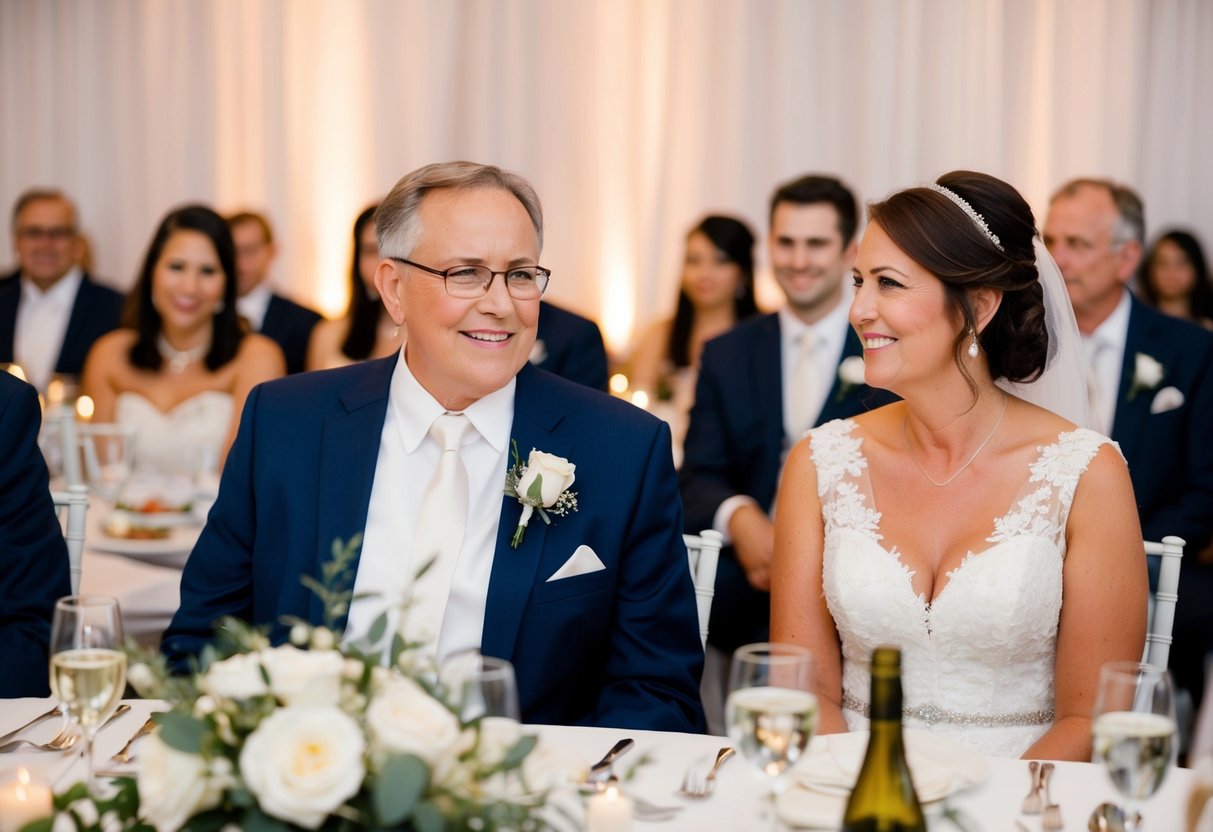
Planning seating for a wedding reception is important for everyone involved. You will want to create a comfortable atmosphere while making sure family and friends connect well. Understanding the types of seating arrangements can help you achieve this.
The Significance of Seating Chart
A seating chart serves as a guide to help everyone know where to sit. It helps you place people in areas that encourage conversation and avoid potential awkwardness.
When designing your chart, consider relationships. For example, family members should sit near each other.
You might place the bride’s parents at the head table or a top table, while the groom’s parents sit nearby.
Don’t forget close friends! They can fill seats at the sweetheart table or mix in at other tables.
A well-planned seating chart shows that you care about your guests’ comfort and enjoyment.
Types of Tables at Receptions
There are several table options for your wedding reception. It’s essential to consider what works best for your guests.
-
Head Table: This is often where the bride and groom sit with their bridal party. It is a focal point and makes you feel special.
-
Sweetheart Table: Just for the couple, this smaller table allows for intimacy during your meal. It’s perfect for enjoying the moment together.
-
Top Table: This can include parents and family members of both the bride and groom. It often sits prominently in the room, allowing for easy visibility.
-
Guest Tables: These tables can be round or rectangular and seat family and friends together. Mixing guests can create a friendly atmosphere.
Choosing the right tables and making a thoughtful seating chart will help everyone feel at ease and enjoy the celebration.
Seating Arrangements for the Parents
Planning the seating for the parents at a wedding reception is essential for a smooth event. It involves understanding family dynamics and ensuring everyone feels comfortable. Here are some important considerations.
Bride and Groom’s Parents
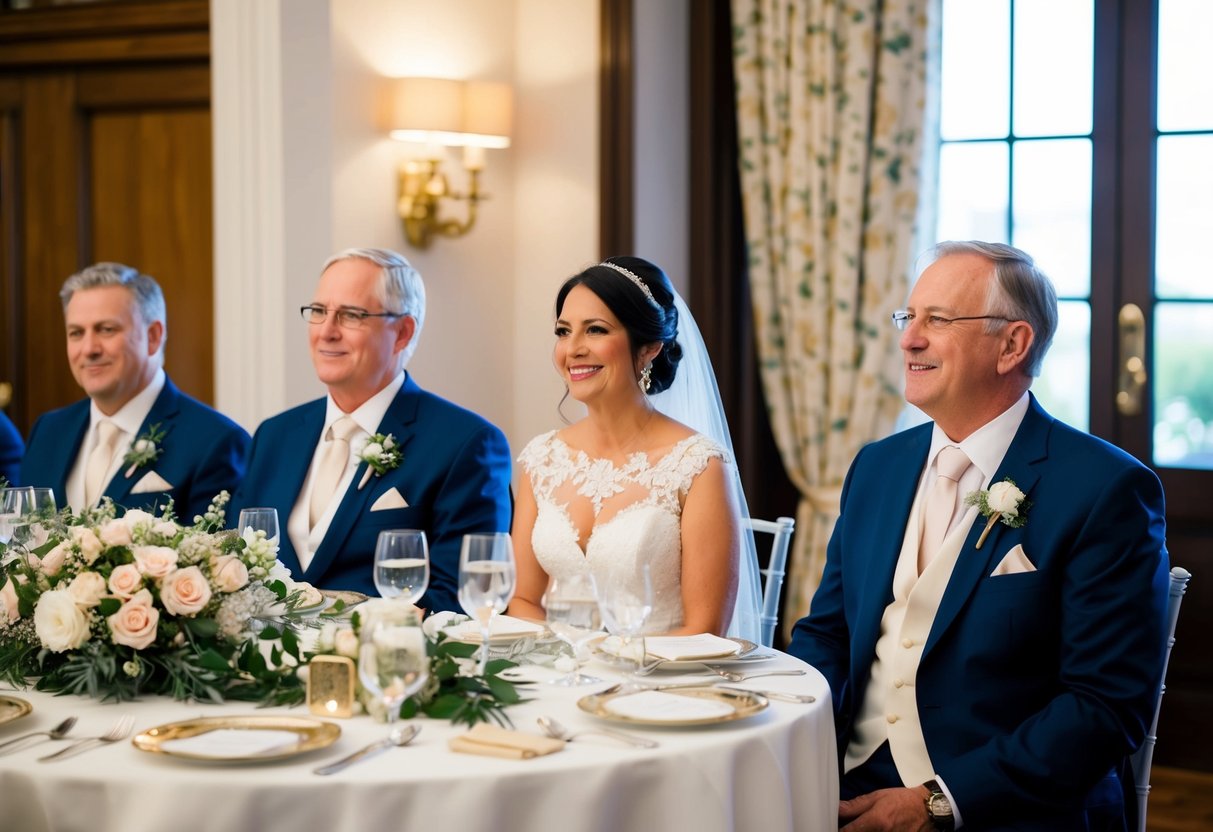
Traditionally, the bride’s parents sit on the left side, while the groom’s parents sit on the right during the ceremony. At the reception, they often accompany the couple at the head table or have their own special table nearby.
This arrangement allows for easy interaction and visibility.
You can also choose to have a “table of honor” where both sets of parents, along with grandparents, are seated prominently. This can help create a sense of unity among the families.
Divorced Parents Considerations
When dealing with divorced parents, it is vital to be sensitive to their feelings. You may want to seat them at separate tables to avoid any discomfort.
Consider placing them at different tables with supportive family or friends nearby. Some couples choose to have one parent sit with the bride and the other with the groom to maintain equilibrium. Setting clear expectations with both parents beforehand can help ease tensions.
Extended Family and Stepparents
In many families, stepparents also play significant roles. It’s best to include them in the seating arrangement thoughtfully.
You might seat stepparents with their children to foster connection. If there are complex family dynamics, consider having separate tables for each parent’s family or blending them if it feels more comfortable.
This approach allows everyone to feel included and respected during the celebration.
Important Roles and Table Etiquette
Setting the right atmosphere at your wedding reception starts with proper seating arrangements. Understanding where each important role fits in helps ensure that your family and friends enjoy the event. Here’s a closer look at essential aspects of seating.
The Head Table Layout
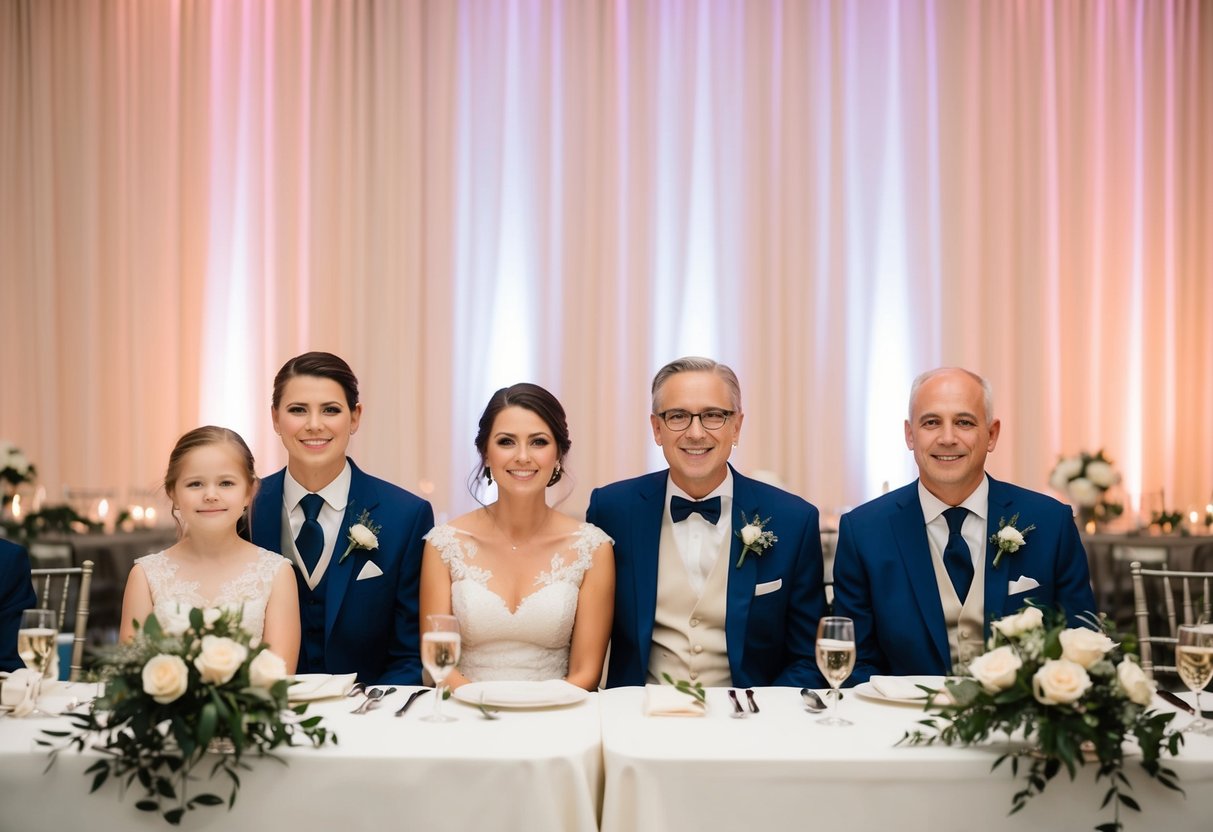
The head table is typically where you, your partner, and your wedding party will sit. Traditionally, this table is positioned front and center so you can easily interact with guests.
It’s common for the head table to include the bride, groom, maid of honor, best man, and sometimes the wedding parents.
Choose seating that encourages conversation. If space allows, consider a longer table to give everyone enough room.
You can also personalize the head table with flowers or decorations that match your theme. This creates a beautiful focal point and enhances the overall feel of the reception.
Maid of Honor and Best Man
Your maid of honor and best man play key roles during the wedding. Their seating is usually at the head table, right next to you. This placement acknowledges their importance and makes it easy for them to participate in toasts and other activities.
If you have multiple bridesmaids or groomsmen, consider giving them their tables near yours. This keeps everyone close and allows for easy socializing.
A great idea is to mix tables with friends of the couple to create a fun atmosphere.
Giving your maid of honor and best man a chance to shine throughout the night helps keep things lively and ensures that they feel valued for the support they’ve given you.
VIP Guests and Special Seating
Aside from family and the wedding party, you may have VIP guests who deserve special seating. This might include grandparents, cherished aunts, or mentors who have supported you.
Consider placing them at a table close to the head table for easy access to you during the reception.
Make sure to communicate these important seating arrangements to your venue staff. Clear signage or place cards can help guide guests to their designated spots. This ensures they feel acknowledged and appreciated.
Don’t forget to include your close friends in this VIP category. Their presence means a lot, and arranging for them to sit nearby reinforces your bond.
Children at the Wedding Reception
If children will be part of your guest list, think about their seating arrangements. For child-friendly receptions, consider designating a specific table for kids. Having them together can create a fun and interactive environment.
To keep children entertained, plan activities or provide kid-friendly meals. This can be a great way to make your wedding welcoming for families in attendance. If the seating area is too far from the main action, children may feel left out.
Remember, kids often need supervision. If you have a mix of ages, placing parents nearby can help everyone stay engaged and happy throughout the event.
Logistics and Final Touches
Getting your seating arrangements just right is essential for a smooth wedding reception. You’ll want to ensure everyone knows where to sit, even when last-minute changes occur.
It helps to have a plan for managing RSVPs and creating place cards while keeping in touch with your wedding planner.
Managing RSVPs and Last-Minute Changes
To start, keeping track of RSVPs is crucial. Create a simple system, like a spreadsheet, to log responses. This helps you know exactly how many guests will attend.
Be prepared for last-minute changes. Guests may cancel or bring a plus one unexpectedly.
Having a flexible seating chart allows you to make quick adjustments as needed. Don’t hesitate to reach out to those who haven’t responded. A gentle reminder can help finalize your guest list.
Place Cards and Table Names
Place cards are a great way to help guests find their seats easily. It’s helpful to list the names on the cards in a way that matches your seating chart.
Consider using small holders or decorative options that match your wedding theme.
Table names can add a personal touch. Choose names that reflect something meaningful to you—like places you’ve traveled together. Make sure the names are clearly displayed so guests know where to go.
Consulting with Wedding Planners
Working closely with your wedding planner can make everything easier. Your wedding planner can help design your seating chart and provide creative solutions for placing parents and family members.
Make sure to communicate your vision. Discuss the layout, including the head table and how parents will be seated. A planner’s experience can be invaluable for organizing everything smoothly. Their insights can also aid in managing unexpected challenges on the day of the event.
Stay in touch with them throughout the planning process for the best results.