
Where Does the Groom’s Mother Sit? A Guide to Wedding Seating Arrangements
When planning a wedding, you might wonder about the seating arrangements, especially for important family members. The groom’s mother typically sits on the right side of the ceremony, often in the front row. This tradition emphasizes her special role in the groom’s life and honors her presence during the ceremony.
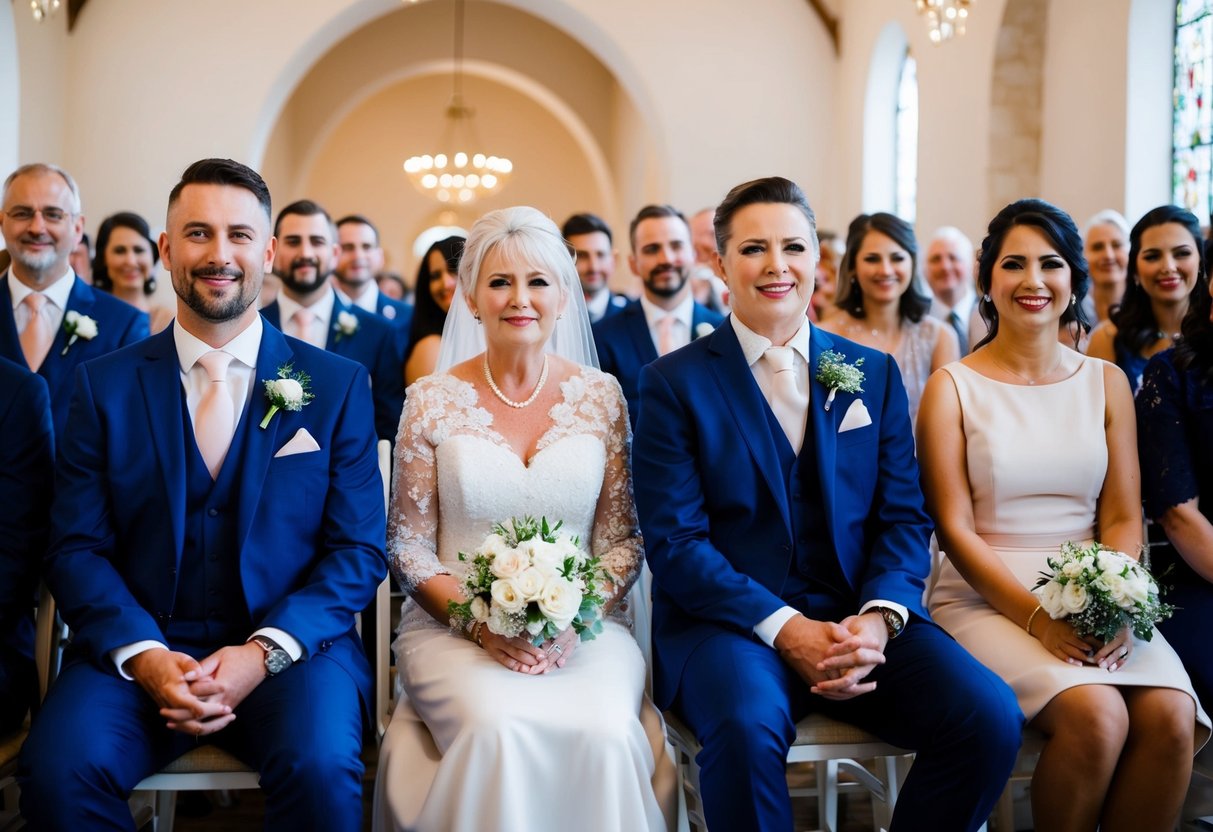
Finding the right spot for the groom’s mother is essential to making her feel included and appreciated. The seating arrangement sets the tone for the day, and having her close allows for a meaningful connection as the ceremony unfolds.
As you plan, consider how these small details can enhance the overall experience for everyone involved.
Thinking about the groom’s mother and her place can help you navigate your wedding planning with care. It’s an important moment not just for her, but for the entire family, as everyone gathers to celebrate your special day together.
Understanding Wedding Ceremony Seating Basics
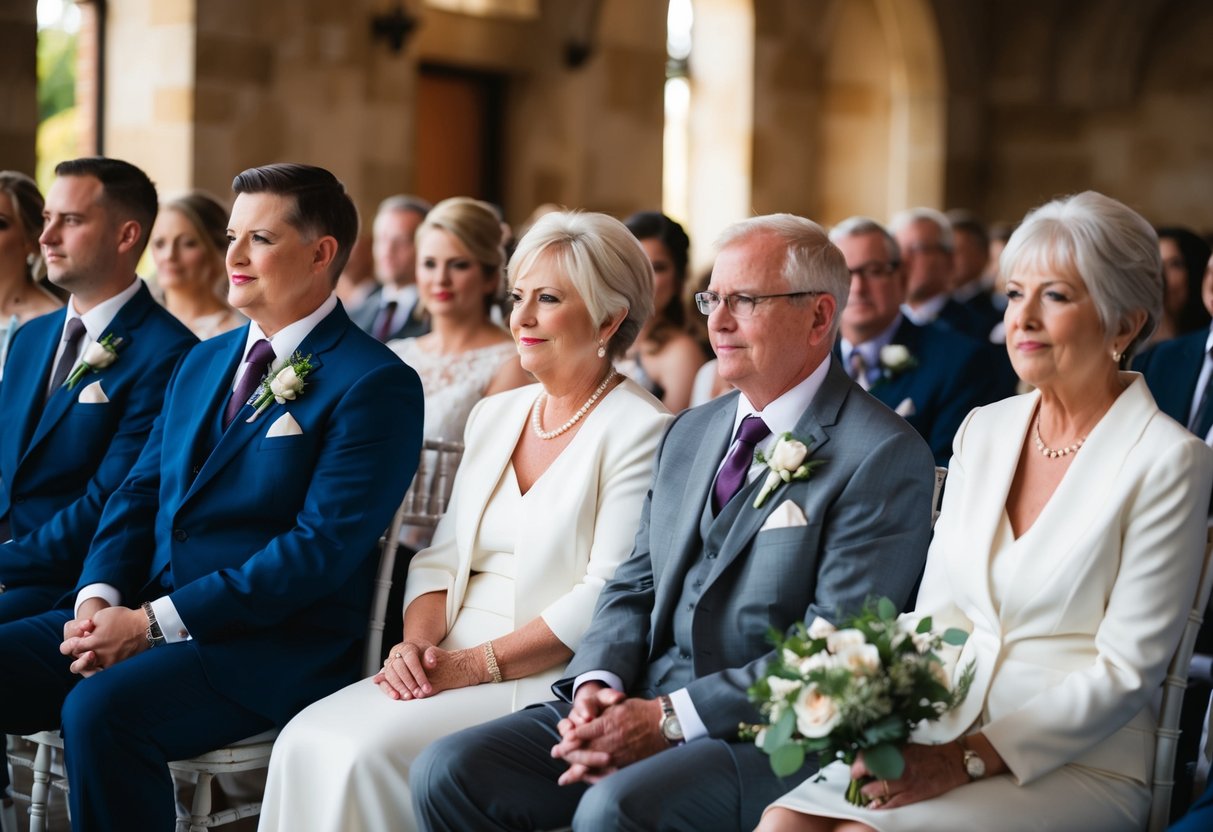
When planning wedding seating, it’s important to know the roles and placement of guests, especially family members. Understanding these basics can help create a harmonious atmosphere during the ceremony.
Role of Ushers in Seating Guests
Ushers play a vital role in ensuring guests are seated correctly. Their job begins before the ceremony, as they greet guests and guide them to their designated seats. It’s common for ushers to seat guests based on the couple’s seating plan.
Typically, ushers will first seat immediate family members. For example, the mother of the bride usually has a special place, often in the front row on the left side. The groom’s mother sits on the right side, creating a nice balance in the seating arrangement. Ushers can also help manage any family dynamics, making sure everyone is comfortable.
General Layout for Seating Family and Close Relatives
Seating arrangement is key for a smooth wedding ceremony. The layout typically divides guests into two sides. The bride’s family and friends are usually seated to the left, while the groom’s family occupies the right.
In the front rows, you’ll often find the parents, grandparents, and other close relatives. The mother of the bride should sit on the left side, near the aisle, to make a grand entrance. The groom’s mother also enjoys a front-row seat on the right. This layout promotes an inclusive feel, making sure both families are represented equally.
By following these seating basics, you can create an inviting space for everyone to celebrate your special day.
Specifics of Seating the Groom’s Mother
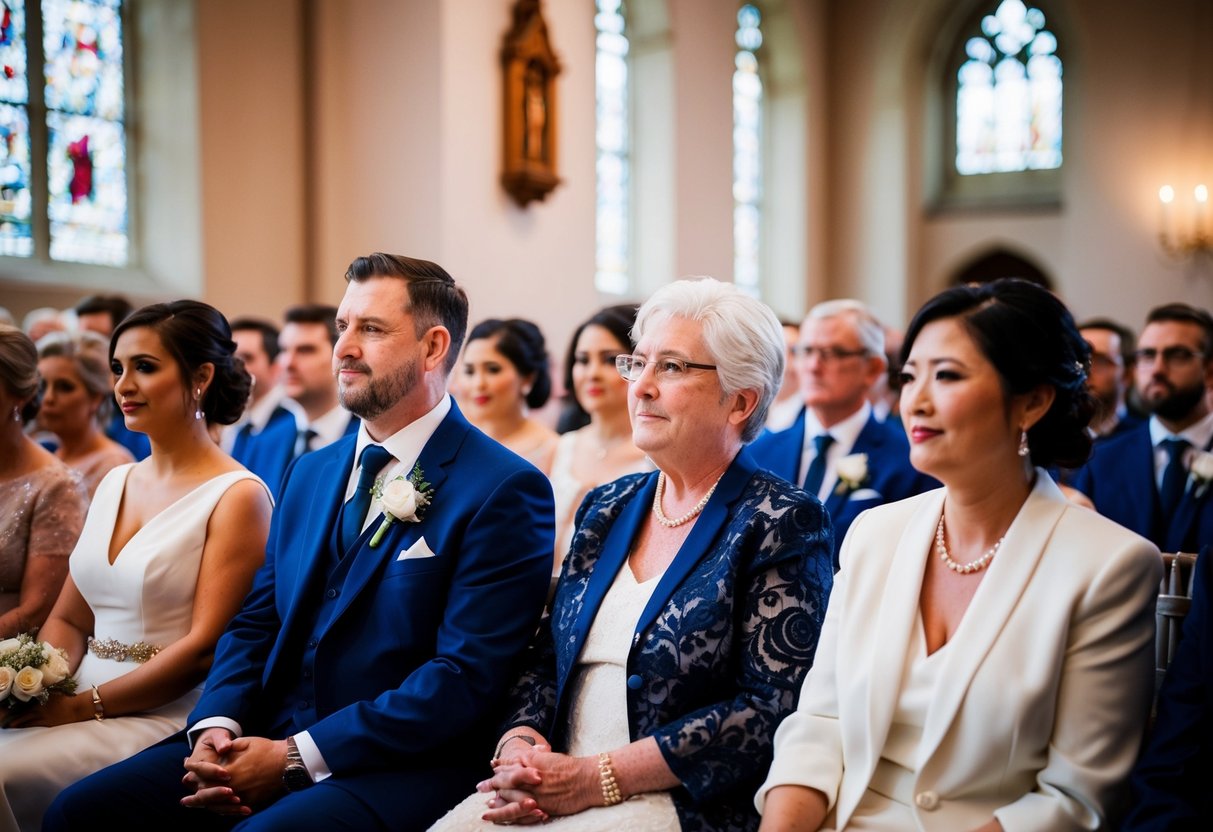
Seating the groom’s mother at a wedding is an important aspect of the ceremony. It honors her role and ensures she feels included. Here’s a look at traditional and modern seating guidelines, how to navigate situations with divorced parents, and the process of escorting her down the aisle.
Traditional and Modern Perspectives
Traditionally, the groom’s mother sits in the first row on the right side of the ceremony space. This position allows her to be close to the groom and feel part of the main event. Unlike the mother of the bride, her seating is less defined but still significant.
In modern weddings, the seating can vary. The couple may choose to create a more inclusive arrangement. This could involve placing the groom’s mother next to the bride’s mother or in another special position. Whether for a traditional wedding or a more contemporary celebration, it is key to respect her role and wishes.
Dealing with Divorced Parents
When handling seating for divorced parents, clear communication is essential. You want to ensure everyone feels comfortable. It is common to seat the groom’s parents on opposite sides to avoid potential tension.
If both parents are amicable, consider placing them together to promote a supportive atmosphere. For same-sex marriage ceremonies, you may assign each family a side, making it clear who sits where. This thoughtful approach can help manage any awkwardness and ensure a positive experience for all involved.
Escorting Down the Aisle
The groom’s mother is typically escorted down the aisle shortly before the ceremony starts. This is usually done by the head usher, the groom, or another family member. It helps to have a clear plan in place for who will escort her.
As she walks, it is customary for guests to stand as a sign of respect. This moment can be emotional and meaningful, so consider discussing it with her in advance. Preparing in this way can make the experience special and memorable for her on this important day.
Ceremony Variations and Cultural Considerations
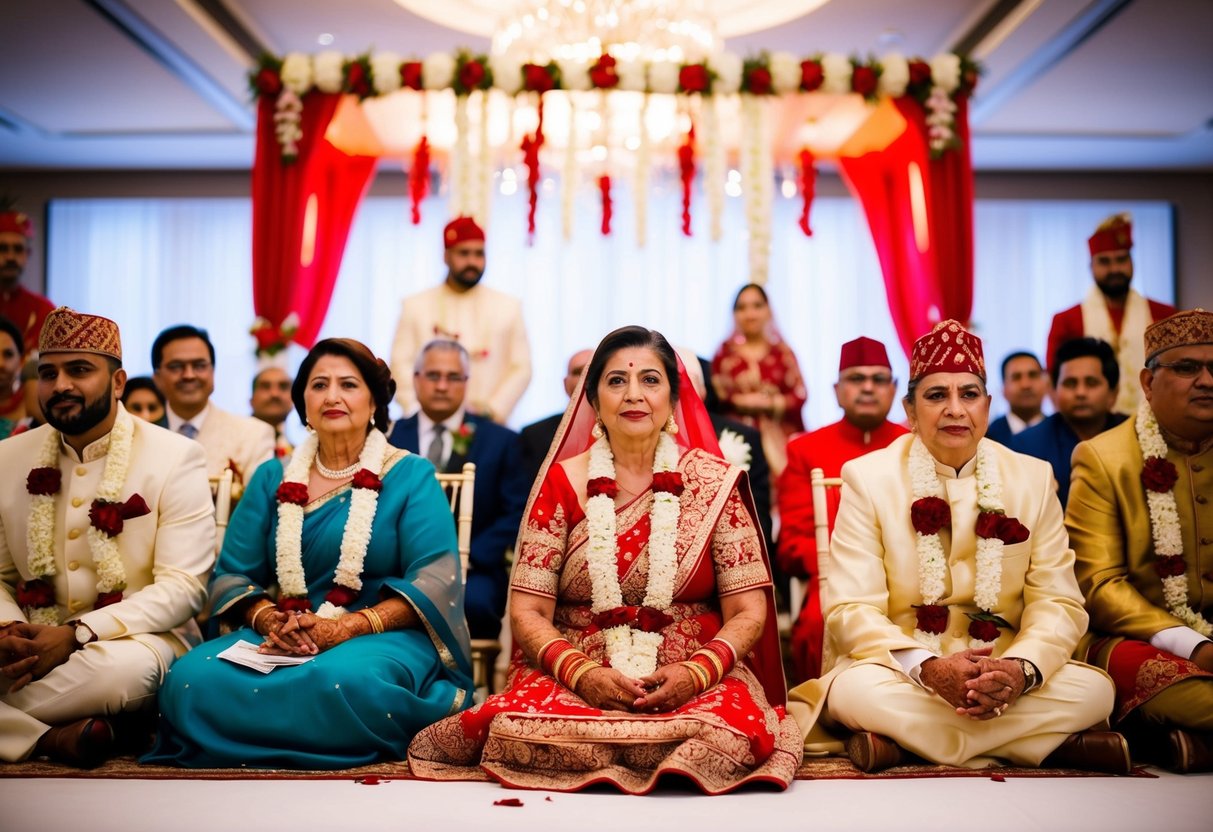
When planning a wedding ceremony, it’s important to consider the various cultural and religious traditions that influence seating arrangements, especially for the groom’s mother. Each type of ceremony has its own customs and expectations, shaping where she and other family members may sit.
Non-Religious and Humanist Ceremonies
In non-religious or humanist ceremonies, there tends to be more flexibility in seating. Couples often choose to create a welcoming environment where everyone feels comfortable.
The groom’s mother may sit wherever she prefers, often in close proximity to the couple. This approach emphasizes inclusivity and unity, allowing families to mingle freely. You might also see mixed seating arrangements, reflecting a blend of both families. This allows guests to bond and enjoy the celebration together.
Christian Weddings
In Christian weddings, seating follows specific traditions. Typically, the groom’s mother sits in the front row on the right side of the aisle. This placement symbolizes her support for her son and his new spouse.
The bride’s family usually sits on the left side. This arrangement highlights the unity between both families as they come together for the couple. Additionally, it’s common for immediate family members to sit together. This ensures they’re present for special moments, such as the lighting of candles or family prayers.
Jewish Weddings
Jewish weddings have unique customs regarding seating. The groom’s mother often sits in the front row on the right side, similar to Christian traditions. This practice highlights her important role in the ceremony.
During a Jewish wedding, there may also be a partition, or “mechitza,” separating men and women. This can affect seating arrangements, especially in Orthodox ceremonies. Family and close friends typically sit together to celebrate this joyous occasion, ensuring that the groom’s mother feels supported and included.
Same-Sex Weddings
Same-sex weddings offer a more personalized approach to seating. Couples can decide how to divide their guests based on comfort rather than traditional gender roles.
You might see signs designating “Bill’s side” or “Kevin’s side,” guiding guests to where they should sit. The groom’s mother can choose to sit wherever she feels most comfortable, often near the couple. This arrangement reflects the idea of love and acceptance shared by all guests, regardless of traditional norms.
Reception and Post-Ceremony Seating Arrangements
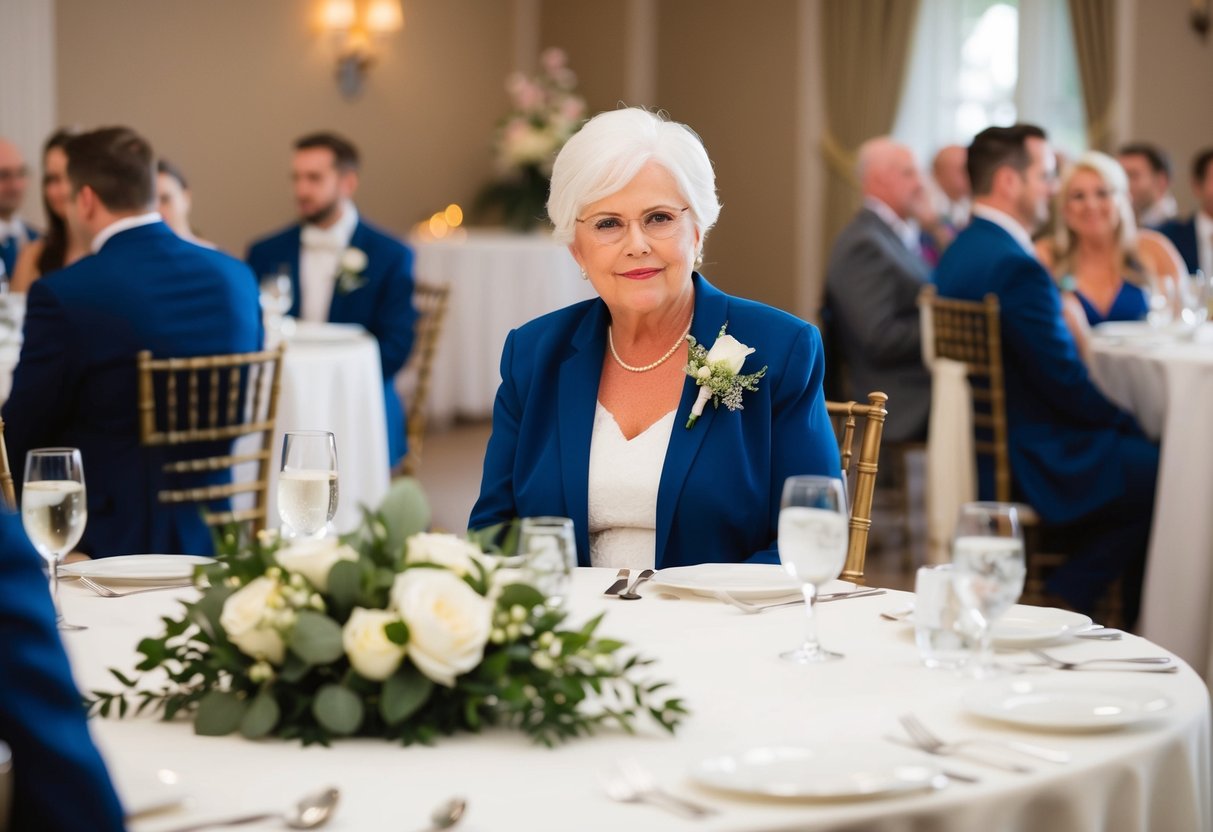
After the wedding ceremony, it’s time to consider where everyone will sit during the reception. This includes organizing the head table and ensuring a kid-friendly atmosphere. Proper planning makes the reception enjoyable for everyone.
Organizing the Head Table
The head table is often a focal point during the reception. Typically, it includes the bride and groom, along with their parents, maid of honor, and best man.
You can choose between a long head table or a sweetheart table. A long table allows for more family members, while a sweetheart table provides intimacy for just the couple.
When organizing the seats, consider placing the groom’s mother next to the bride. This seating arrangement fosters connection between families and helps her feel included in the celebration.
Seating Arrangement Example:
- Head Table: Bride, Groom, Groom’s Mother, Bride’s Mother, Maid of Honor, Best Man
- Sweetheart Table: Bride and Groom only
Creating a Kid-Friendly Reception
If children are attending the reception, planning for them is important. A kid-friendly reception can keep younger guests entertained and happy.
Consider setting up a separate kids’ table with fun activities. This could include coloring books, games, or small toys that keep them engaged.
You might also hire a babysitter or a kid-friendly entertainer. This allows parents to enjoy the reception without worry.
Make sure to offer kid-friendly meal options, like chicken nuggets or macaroni and cheese. Providing these choices will ensure that the younger guests have something they enjoy.
By thinking ahead, you can create a welcoming environment for both adults and children at your wedding reception.