
Where Does the Mother of the Bride Sit? A Simple Guide to Wedding Seating Arrangements
When planning a wedding, seating arrangements can feel overwhelming, especially when it comes to choosing the perfect spot for the mother of the bride. Typically, the mother of the bride sits in the front row on the left side of the aisle. This placement honors her special role in the ceremony and makes it easy for her to be close to her daughter as she walks down the aisle.
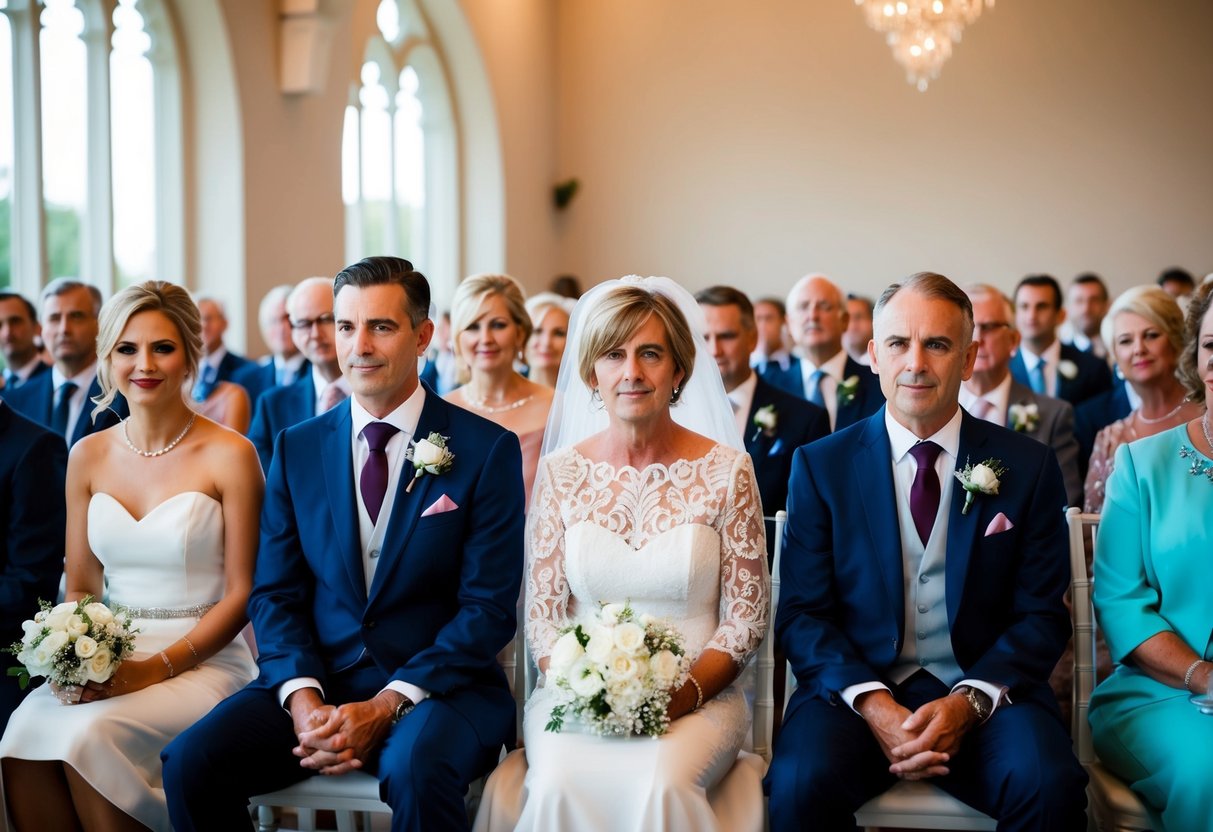
Understanding where the mother of the bride should sit helps with your overall wedding seating etiquette.
It’s also essential to consider family dynamics, as this can influence whether she sits alone, with a partner, or alongside family members. Planning these details thoughtfully ensures a smoother experience for everyone involved.
As you plan your wedding, think about the significance of each seat in the ceremony. You want to create a warm and memorable atmosphere for your closest family and friends, starting with the special spot for the mother of the bride.
Understanding Wedding Ceremony Seating Basics
Seating at a wedding ceremony is crucial for making guests feel welcome and comfortable. Knowing where the mother of the bride sits, along with other important seating arrangements, can help create a warm atmosphere for this special day.
The Role of the Mother of the Bride
The mother of the bride plays a significant role in the wedding ceremony. She is often seen as a key figure who offers support to the couple. Traditionally, she is seated in the first row on the left side facing the altar. This location signifies her importance and connection to the bride.
In many cases, the mother will walk down the aisle ahead of the bride. This moment highlights her role in the ceremony, symbolizing the transition of her daughter into this new phase of life.
Traditional Seating Arrangements
In typical wedding ceremony seating, the bride’s family sits on the left and the groom’s family on the right. This arrangement serves as a visual representation of the joining of two families.
You may also find it helpful to consider who sits where among other close relatives. For example, the bride’s father sits near her mother. Close friends might find seats in the first few rows, depending on your preferences.
Seating for Special Situations
If you have divorced parents, you may need to be sensitive in your seating choices. It’s common to seat each parent on opposite sides to avoid discomfort.
In same-sex marriages, families might be designated as “Bride’s side” or “Groom’s side” to create clarity and comfort. This approach can help everyone feel included while avoiding confusion.
Being thoughtful about these details can create a welcoming and harmonious atmosphere for everyone at your wedding ceremony.
Wedding Reception Seating Dynamics
Seating at a wedding reception involves careful planning to ensure that guests feel comfortable and enjoy the event. Factors such as head table configurations, alternative seating options, and managing RSVPs all play a vital role in creating a welcoming atmosphere.
Head Table Configurations
The head table is often the focal point at a wedding reception. Typically, this table features the bride, groom, and their parents. In a traditional setup, the bride’s mother sits beside her on the left, while the groom’s mother is on the right.
Some couples opt for a sweetheart table for just the bride and groom, giving them a cozy space to connect. This can enhance the intimate setting of the evening. Remember to fit your head table style with the overall theme of your wedding.
Options Beyond the Traditional
Thinking outside the box for seating can add a unique touch to your wedding. You might choose to seat both mothers at the head table or have them sit with their family and friends. This can help honor relationships while still maintaining connections at the reception.
You can also create family-focused tables where close relatives gather. This encourages meaningful conversations and strengthens family bonds. Being flexible in your seating arrangement allows for a more dynamic environment throughout the reception.
Seating Assignments and RSVPs
Managing your seating assignments is crucial for a smooth event. Create a detailed seating chart to guide guests to their tables. This is especially helpful for larger weddings where many guests may not know each other.
Using RSVP responses can help you plan effectively. Knowing who plans to attend allows you to finalize your seating arrangements ahead of time. Clear communication with guests about where they should sit can lessen confusion and enhance everyone’s experience at your wedding reception.
Cultural Considerations in Seating Plans
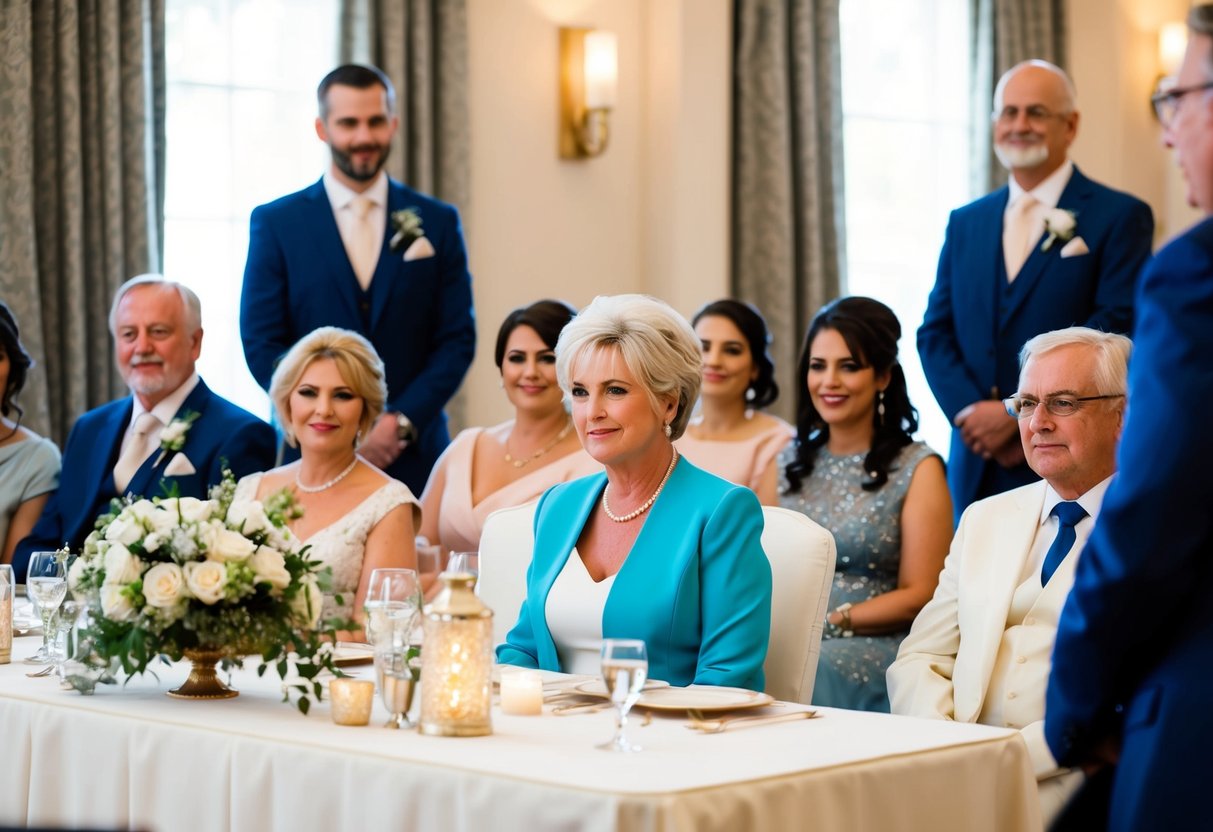
When planning a wedding, cultural traditions can significantly influence seating arrangements. Understanding these customs can help create a respectful environment for all guests involved and ensure everyone feels included.
Jewish Wedding Seating Traditions
In Jewish weddings, seating often follows specific customs. Traditionally, the bride’s family sits on the left side of the aisle, while the groom’s family occupies the right. This arrangement highlights the significance of family roles in the ceremony.
In Orthodox Jewish weddings, this pattern may remain stricter. Women typically sit separately from men, adhering to guidelines on modesty and community. It’s essential to communicate these preferences to your guests ahead of time to avoid confusion on the big day.
Accommodating Various Wedding Traditions
Many couples blend different cultural practices in their wedding planning. For example, combining traditions can make your ceremony more meaningful if you come from different backgrounds.
If one partner has a custom of seating parents in a specific area, you should incorporate this into your plan. Also, discuss preferences with both families.
It may also be helpful to provide a seating chart at the entrance to guide guests where to sit. This approach can enhance the guest experience and honor both families while ensuring everyone feels valued.