
Where is the Easiest Place to Get Married Abroad from the UK? Your Guide to Hassle-Free Destination Weddings
If you’re dreaming of a stunning wedding abroad, you may wonder where to begin your search. Denmark is one of the easiest places for you to get married abroad from the UK. It has straightforward legal requirements and beautiful wedding venues. Many couples flock to this charming country each year, finding it not only simple but also romantic.
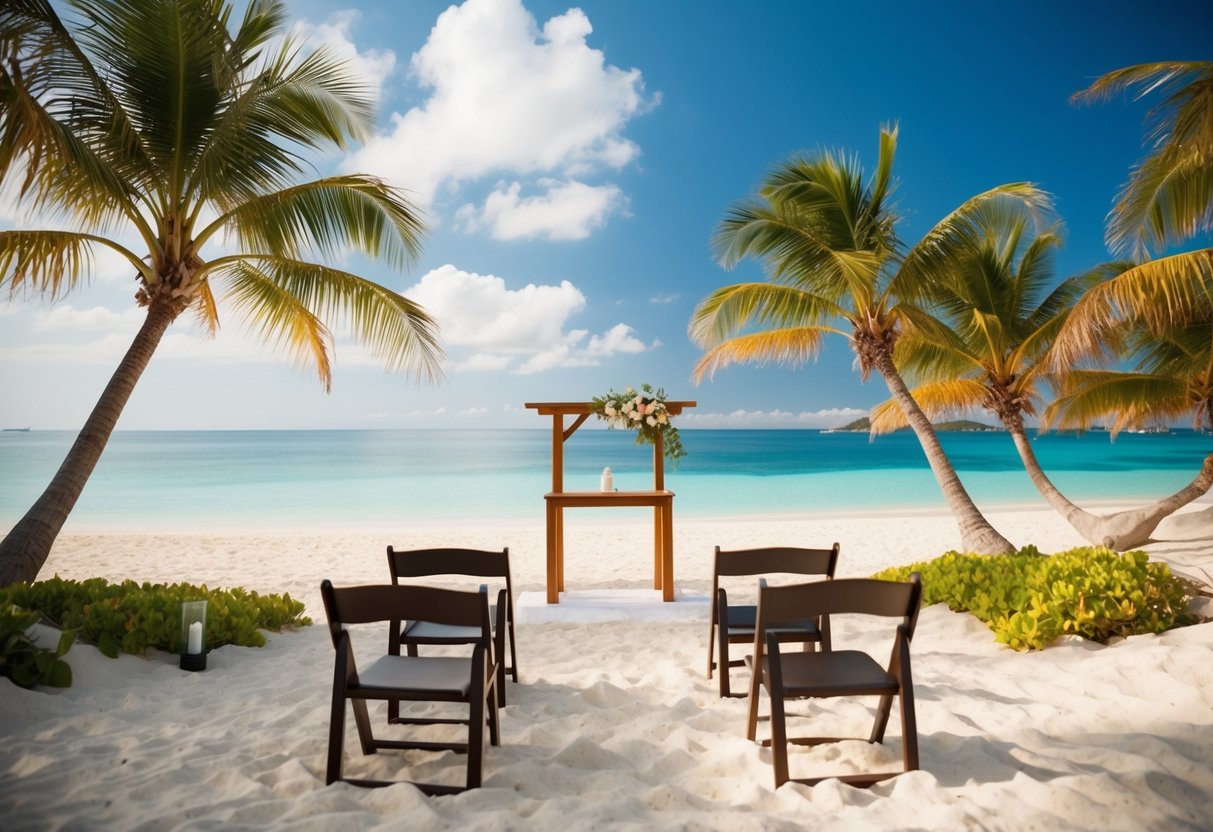
Spain and Gibraltar are also popular choices, offering lovely backdrops for your special day. These locations provide unique experiences, from beach ceremonies to historical settings. As you explore your options, you’ll discover the diverse destinations that can make your wedding memorable.
Choosing Your Ideal Wedding Destination
Selecting the right wedding destination can make your special day even more memorable. You should think about popular places, legal steps, and the local culture. Each factor plays a big role in ensuring your wedding goes smoothly.
Famous Wedding Destinations for Brits
Many couples from the UK choose sunny, beautiful places for their weddings. Cyprus is a top pick with its stunning beaches and warm climate. It’s known for a straightforward marriage process, making it a great choice for you.
Gibraltar offers a unique blend of British and Mediterranean cultures. You can have your wedding with the famous Rock of Gibraltar as your backdrop.
Denmark is another popular option. With picturesque scenery and a relaxed, friendly atmosphere, it’s perfect for an intimate gathering.
For a more exotic feel, consider New Zealand or the Bahamas. New Zealand features breathtaking landscapes, while the Bahamas provides beautiful beaches and tropical vibes. Lastly, Georgia offers a rich culture and stunning architecture that could provide a romantic setting for your wedding.
Considering Legal Requirements
Before choosing a destination, you should know the legal requirements for marriage in that country. Some places, like Cyprus and Gibraltar, have simple rules that may only require a few documents, such as your birth certificate and passport.
In Denmark, there are very few requirements. You can marry quickly, often in just one day. However, places like the Bahamas may require additional documents, such as a marriage license application, which could take some time to process.
Make sure to start gathering necessary paperwork early to avoid any last-minute surprises.
Culture and Scenery
The wedding atmosphere often depends on the location’s culture and scenery. If you dream of a beach wedding, countries like Cyprus and the Bahamas are ideal for you. Picture your ceremony on sandy shores, with waves gently lapping at the coast.
If you prefer something unique, Georgia offers a rich cultural backdrop with stunning historical sites. The local traditions can add a special touch to your wedding.
Consider what type of scenery and cultural vibe you want for your big day. This will help you choose the perfect place that reflects your personality and style.
Understanding Legalities and Documents
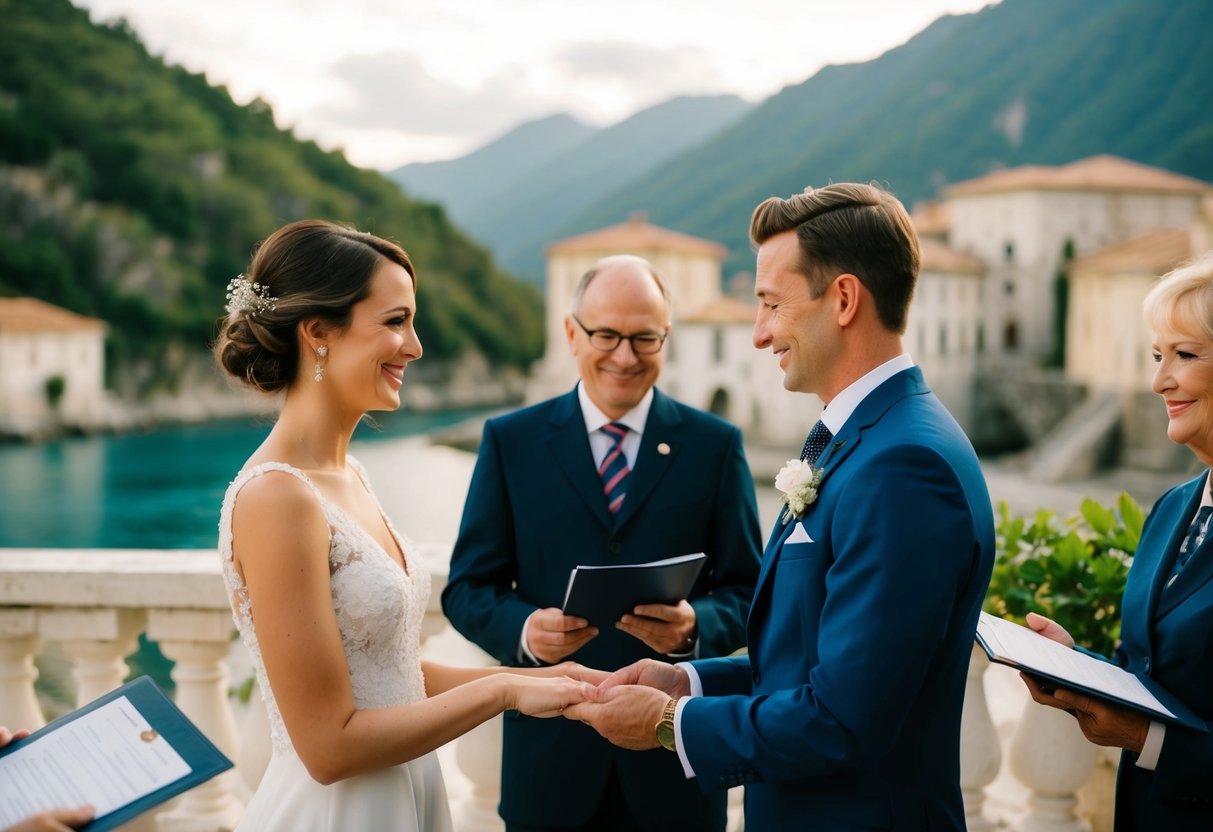
When planning your wedding abroad, make sure to grasp the legal requirements and necessary documents. Understanding what you need can simplify the process and help you focus on your special day.
Marriage Licence and Certificates
To get married in another country, you typically need a marriage licence. This is a legal document issued by the local government where you will marry. The requirements for obtaining a licence can vary by country, so it’s crucial to check in advance.
You may also need to present certain documents, such as your passport and proof of residency. After the ceremony, you will receive a marriage certificate, which is proof that you are legally married. Make sure to keep this document safe, as you may need it for name changes or legal purposes later.
Certificate of No Impediment
A Certificate of No Impediment (CNI) is often required when marrying abroad. This document states that you are legally free to marry. In the UK, you can obtain a CNI from your local registry office.
The process may take several weeks, so plan ahead. You will need to provide personal details and identification. Some countries require this certificate to be presented prior to getting a marriage licence, so having it ready can save you time and hassle at the destination.
Apostille Stamp and Legal Recognition
The Apostille stamp is vital if you want your marriage certificate to be recognized in the UK after your wedding. This stamp verifies that the document is genuine and was issued by a competent authority.
To get an Apostille stamp, you typically need to contact the relevant government body in the country where you married. Afterward, your marriage certificate will be recognized in the UK and other countries that are members of the Hague Convention. Make sure to do this to avoid any issues with legal recognition of your marriage in the future.
Planning and Executing Your Wedding
Planning your wedding abroad can be exciting and a bit overwhelming. You’ll want to consider hiring a planner, understand residency requirements, and choose the ideal venue.
Hiring a Wedding Planner
A wedding planner can make your life much easier when planning a destination wedding. They have local knowledge and connections that can save you time and stress.
When looking for a planner, consider their experience with weddings in your chosen location. Ask about their portfolio and references from previous clients. Many planners offer various wedding packages that cover everything from venue selection to catering.
Having a planner means you can focus more on enjoying your special day. They can handle logistics like vendor communication, contracts, and local regulations.
Residency Requirements
Each country has its own rules about residency for getting married. Some places allow you to get married with little to no residency time, while others may require you to be in the country for a specific number of days.
For instance, if you plan to have a beach wedding in the Caribbean, check their requirements as they can vary significantly. Some countries may require certain documentation, such as birth certificates or affidavits of single status.
Always confirm these requirements well before your wedding date. It’s essential to ensure you have all the necessary paperwork to avoid any last-minute surprises.
Selecting the Perfect Venue
Choosing the right venue is a crucial part of your wedding planning. Think about whether you want a church wedding, a beach ceremony, or a romantic setting in the countryside.
Visit potential venues, if possible, to get a feel for the space and its surroundings. Many locations offer stunning views and unique features which can enhance your ceremony.
Consider factors like guest capacity, accessibility, and availability. Many venues also provide wedding packages that can help simplify your planning process. Look for a venue that aligns with your vision and budget to make your day truly memorable.
Special Considerations for a Smooth Experience
When planning your wedding abroad, special factors can lead to a more enjoyable day. Consider your ceremony type, the local customs, and the necessary paperwork after the wedding. Here are key points to keep in mind for a seamless experience.
Elopement and Intimate Ceremonies
Eloping can be a simple, romantic choice for couples seeking a stress-free wedding. Many destinations, such as Denmark or Cuba, offer easy options for international couples. Civil marriage is often quick to arrange, with fewer legal entanglements.
Even if you want something intimate, it’s important to research the venue and local rules. Some places have specific guidelines for weddings, including the need for witnesses. You can often find beautiful, secluded spots that cater to small ceremonies without an extensive checklist.
Customs and Traditions
Each country has its own unique customs and traditions regarding marriage. Understanding these can enhance your experience and show respect for local culture. For example, in the Czech Republic, couples might enjoy traditional music or food as part of their ceremony.
Research what to expect from local rituals, as some may require specific attire or practices. You might want to incorporate elements that are meaningful to you while still honoring the destination’s customs. This thoughtful approach will create a blend of your personal style with local flair.
After the Wedding: Certification and Legalization
After your wedding, you must obtain the proper marriage certificates. This step confirms your union and is necessary for legal recognition back home. Countries like Gibraltar and Denmark often issue these documents promptly, with no residency requirement.
Make sure to ask about the process for certification. You might need an apostille or additional legalization for your marriage certificate to be valid in the UK. Taking these steps ensures your beautiful day is recognized legally, allowing you to enjoy your new life together without worries.