
Where Should the Wife Sit at the Table? Understanding Seating Etiquette for Family Gatherings
Many people wonder about the best spot for the wife when it comes to seating at the dinner table. Traditionally, the wife sits to the right of her husband at the center of the table, symbolizing her important role in the family dynamic. This placement not only reflects a time-honored practice but also creates a sense of togetherness during meals.
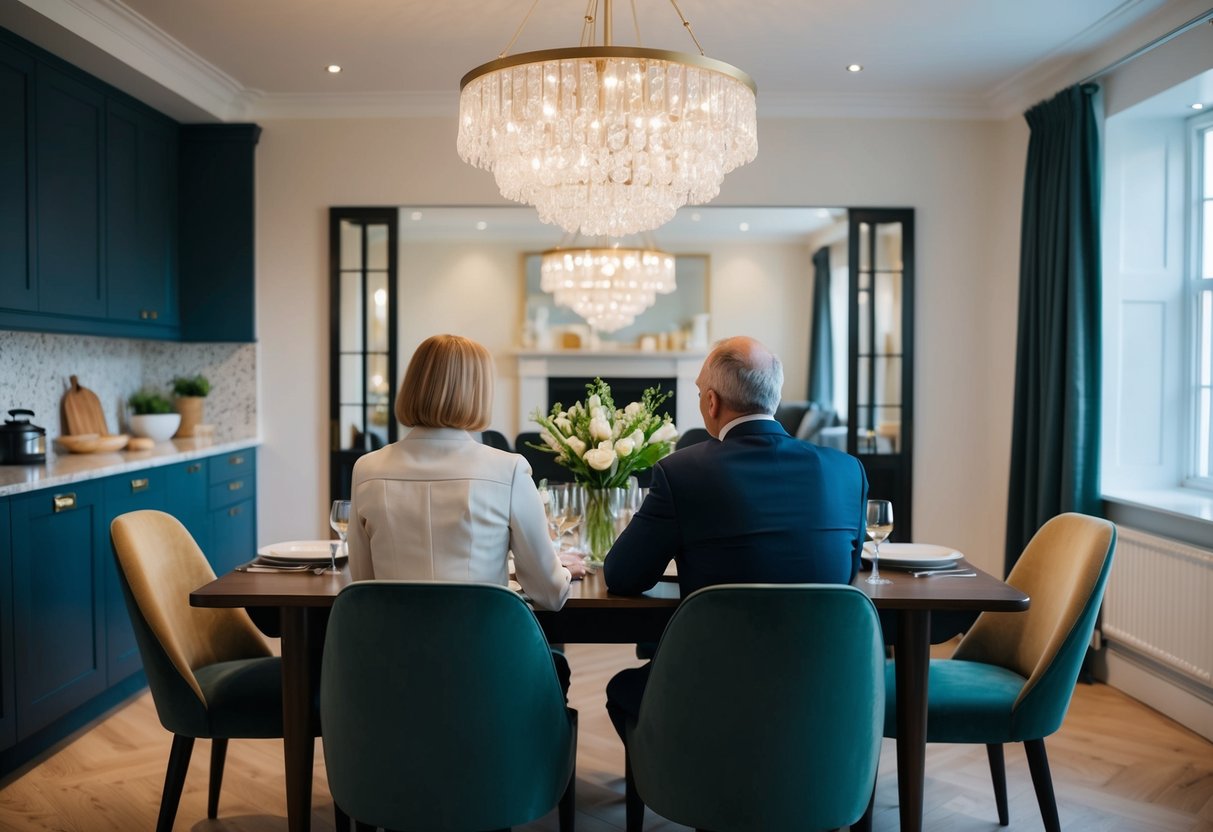
Whether you are hosting a formal dinner or a casual gathering, knowing where to seat everyone can enhance the dining experience. By following seating traditions, you can show respect for guests and keep the atmosphere friendly and welcoming. The arrangement you choose can set the tone for the entire occasion.
As you prepare for your next meal with loved ones, consider the seating arrangements that can make everyone feel special. Understanding the significance of these traditions can help create a more enjoyable and harmonious dining experience for all.
Historical Perspectives on Seating Etiquette
Seating arrangements at the dining table have evolved significantly over time. Understanding these changes offers insights into the roles and expectations held during formal dinners.
Evolution of Dining Etiquette
Dining etiquette has roots in ancient customs and has changed as society progressed. In early times, seating was often dictated by status. The head of the household enjoyed the most prominent seat.
As formal dinners became fashionable, specific rules emerged. For example, it became common for the wife to sit to the right of her husband as a sign of respect. This arrangement highlighted a sense of protection and honor in the relationship.
During the Victorian era, seating arrangements were even more complex. Each guest’s position was carefully chosen, reflecting social standing and relationships.
Today, while traditions remain, there is more flexibility. You can choose seating based on comfort and personal dynamics, rather than strict rules.
Modern Seating Guidelines
When planning a meal, knowing where to seat individuals can enhance the experience. Thoughtful arrangements create a comfortable atmosphere and encourage great conversations.
Seating the Host and Hostess
Typically, the host and hostess have designated spots at the table. The host generally sits at the head, while the hostess takes the seat to the right. This setup allows them to easily interact with guests.
Consider creating a seating chart that reflects this arrangement. It’s a good idea to arrange other guests based on comfort and relational dynamics. By doing this, you foster a welcoming environment where discussions can flow naturally.
Arrangements for Guests of Honor
If there are guests of honor, such as family members or special friends, they should be given prime seating. You can place them directly across from the host or at the sides to allow for easy conversation.
Make sure that guests are not isolated. For example, if the couple is a special pair, consider sitting one next to the host and the other by the hostess. This shows respect and makes them feel valued.
Considerations for Same-Sex Couples and Family Dinners
In today’s more inclusive environment, seating arrangements can be more flexible. It’s important for same-sex couples to feel comfortable and welcomed. You can encourage them to sit together or near supportive friends.
For family dinners, think about grouping families together. Consider their preferences. Some may prefer to sit together to promote connections. Make sure everyone feels included, which can lead to a more enjoyable evening.
The Practicalities of Seating Arrangements
When planning seating arrangements, it’s important to consider how to make guests feel comfortable and engaged. You’ll want to think about methods like place cards for organization and when it might be helpful to consult a butler or professional for formal occasions.
Effective Use of Place Cards
Place cards are a useful tool for managing seating at your table. They help guests find their assigned seats quickly and create a sense of order.
You can design place cards to reflect your event’s theme or style. Choose a simple format with each guest’s name clearly printed. Consider placing them at the center of each plate for easy visibility.
For formal occasions, it’s best to follow traditional seating etiquette. The guest of honor should sit near you, while family and close friends are seated next to one another. This arrangement encourages conversation and helps guests feel included.
When to Consult a Butler or Professional
If you’re hosting a large or formal gathering, consulting a butler or a professional can simplify your seating arrangements. Their expertise ensures that everyone is seated in a way that maximizes interaction, comfort, and harmony.
They can also help strategize placements based on guests’ personalities and relationships. A professional knows how to balance the table, alternating male and female guests to promote lively discussions.
When working with a butler, share any specific requests you have for seating. This way, they can provide tailored suggestions that fit your needs. Their guidance can turn a potentially stressful task into a smooth experience.
Designing Your Own Seating Chart
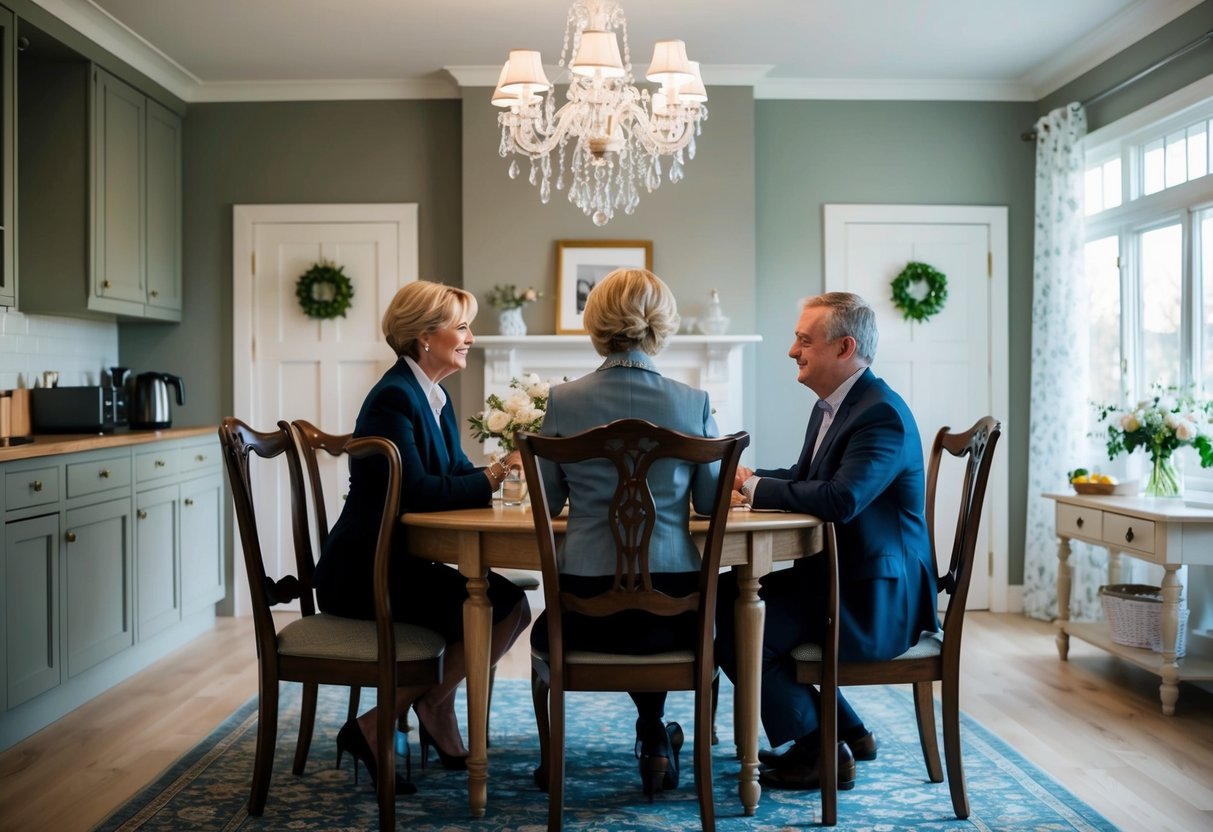
Creating your own seating chart can be a fun and rewarding process. It allows you to shape the dining experience for your guests, ensuring everyone feels comfortable. Here’s how to approach this task while considering personal preferences and modern adaptations.
The Role of Personal Preference
As you design your seating chart, think about your preferences and those of your partner. Do you have a specific vision for where you want to sit? Many couples choose to sit at a sweetheart table, allowing for intimacy during the event.
Consider the dynamics at play when placing your family and friends. For example, if you have a lively group of friends, seating them together can create a fun atmosphere. Use a list to jot down who you want at each table.
You can also create a seating chart diagram to visualize placements in your dining room. This clarity helps in making adjustments easily, as you can see how changes affect the overall setup.
Adapting Traditions for Contemporary Settings
Wedding seating typically follows tradition, but it doesn’t have to dictate your choices. In the past, the typical setup involved strict rules about family placement. You can adapt these rules to fit your stylish approach.
For instance, the bride and groom’s parents were often seated at one big table. Instead, consider seating them at smaller tables with other relatives. This encourages mixing and mingling among guests.
Also, don’t forget about the importance of the host and hostess roles. You should ensure that the people who know how to engage a crowd are seated near the center of the dining room. This can help keep conversations lively and enjoyable throughout the event.