
Which Date Is Not Good for Marriage? Understanding the Best and Worst Days to Tie the Knot
Choosing the perfect wedding date is an important part of your wedding planning journey. It sets the tone for the entire celebration and can impact how your special day unfolds.
December 7, 2024, has been labeled the unluckiest day for marriage this year. If you’re wondering which date to avoid for your wedding, this is one to steer clear of. Superstitions and personal beliefs often shape these decisions, so it’s wise to consider the significance behind certain dates.

As you plan your wedding, think about what makes a date meaningful for you and your partner. While some dates are seen as unlucky, others might hold special significance or be popular for a reason.
It’s always a good idea to weigh your options and keep in mind both traditional beliefs and your unique story as a couple.
Understanding Cultural and Religious Considerations
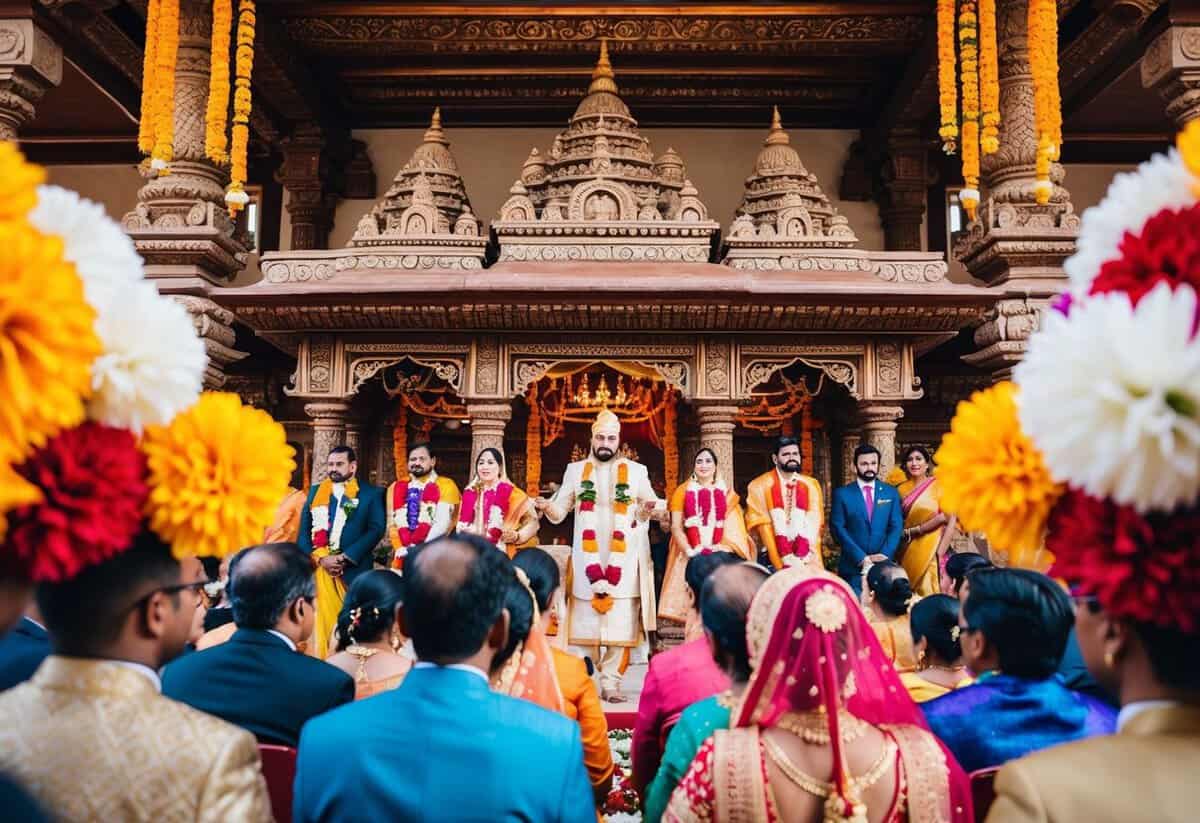
When planning your wedding, cultural and religious factors can significantly influence the selection of a date. Many traditions and beliefs may discourage marriages on specific days or during certain events. Understanding these aspects can help you choose a date that brings joy rather than conflict.
Religious Holidays and Traditions
Religious holidays are important times when many families come together to observe traditions. For example, Ramadan, which is a holy month for Muslims, is a time of reflection and prayer. As a result, celebrations and gatherings are focused on these activities rather than festivities like weddings.
Easter Sunday is another day to avoid, especially for Christians, as it is celebrated with significant rituals centered on family and faith.
In Judaism, certain holidays like Rosh Chodesh and festivals such as Passover can also impact wedding plans. These times are often seen as periods of reflection and commemoration. Taking these religious observances into account can help avoid scheduling a wedding on days that may be considered inappropriate.
Cultural Superstitions and Beliefs
Cultural superstitions greatly influence the choice of wedding dates. For instance, people born in the Year of the Snake or Year of the Monkey may view certain days as less auspicious due to traditional beliefs. In contrast, individuals born in the Year of the Ox or Year of the Dragon often believe these years bring good fortune.
In some cultures, specific months, like Kislev, carry significance. Couples may avoid marrying during this month if it aligns poorly with their family’s traditions. It’s also common for various cultures to have specific days of the week that are seen as lucky or unlucky for marriages. Being aware of these beliefs can guide you to a date that feels right for you and respected by your community.
Considerations for Choosing Your Wedding Date
When thinking about your wedding date, it’s essential to consider various factors that might impact your special day. Certain dates could bring extra stress or limit attendance, while others might offer a sense of luck or celebration. Let’s explore these important aspects.
Key Dates to Avoid in Scheduling
Certain dates can be challenging for weddings. For example, major public holidays like Christmas and Thanksgiving often have family gatherings that may hinder attendance.
Holiday weekends can be tough since many people plan trips during this time.
Days of remembrance, like Memorial Day, may feel inappropriate for a joyous occasion. You might also want to steer clear of unlucky wedding dates, such as Friday the 13th. Instead, focus on auspicious wedding dates that might feel lucky to you or your family.
Personal Dates and Anniversaries
Your personal history plays a big role in what date you choose. Paying attention to significant dates, such as birthdays or past anniversaries, is important.
You wouldn’t want to schedule your wedding on a day that holds special meaning for someone else in your family, which could lead to mixed feelings.
Additionally, thinking about your engagement date might inspire you. While it may seem romantic to tie it in, ensure it doesn’t conflict with any past events that could cause distractions. Personal connections to specific dates are essential to consider.
Numerology and Astrology
If you believe in numerology or astrology, these can add a unique twist to choosing your date. Certain numbers might be considered lucky for your circumstances.
For example, numbers that balance well together or carry a positive meaning can feel right for your special day.
Astrological alignments could influence your choice as well. Some days may be considered more auspicious based on the positions of the stars and planets. Researching these aspects can provide guidance in your decision and might help you feel more confident about your choice.
Practical Aspects of Wedding Dates

Choosing a wedding date involves considering practical factors. You’ll want to avoid major public events and holidays that may conflict with your celebration. Additionally, think about the best seasons and specific weekdays or weekends that work for your plans.
Avoiding Major Public Events and Holidays
Selecting a date during a major public event can impact your wedding. For instance, if your wedding coincides with New Year’s Eve or Thanksgiving, many guests may already have plans, making attendance difficult. Holidays such as Christmas and Independence Day also present challenges.
Big sporting events, like the Super Bowl or the Masters Tournament, can draw attention away from your wedding as well. You may want to avoid these dates or plan around them to ensure more guests can celebrate with you.
Optimal Seasons and Months for Weddings
The best months to get married often fall between late spring and early fall. Many couples find that June is the luckiest month to get married, with favorable weather and more daylight.
Choosing a wedding season can affect venue availability and costs. Peak wedding season tends to be from May to October, which can mean higher prices.
On the other hand, planning a wedding in the off-peak months might save you money. Consider dates in January or February if you want to avoid crowded venues and expensive packages while still securing a lovely location.
Weekday Versus Weekend Weddings
Weekday weddings can offer unique benefits. Venues are often more affordable and available compared to weekends when many couples tie the knot.
If you choose a holiday weekend wedding, be mindful that guests might have plans. Dates like Labor Day weekend or Memorial Day are popular, but they can make travel tricky for some.
If you prefer a weekend, consider Saturday, which is the most popular choice. For a more intimate gathering, Friday evenings can work well. They allow guests to enjoy the festivities without the rush typical of weekends.