
Which First Dance Goes First? A Guide to Wedding Dance Traditions
Your wedding reception is a special moment where you celebrate love with family and friends. One of the most anticipated events of the evening is the first dance. Traditionally, the couple, often the bride and groom, share this special moment immediately after the grand entrance or after the meal. This marks a joyful occasion as you take to the dance floor for the first time together as a married couple.
As you plan your wedding day, timing for the first dance can be flexible. Many couples prefer it right after their grand entrance to kick off the festivities. Others choose to wait until after dinner, allowing everyone to settle in and enjoy the meal.
No matter when you choose to dance, this moment symbolizes your love and unity.
Embracing this tradition offers a unique way to express yourselves as a couple. The first dance sets the tone for the night, bringing everyone together to witness a beautiful celebration of your marriage. So, whether you dance right away or after dinner, make it a moment that captures your hearts and creates lasting memories.
Planning Your First Dance
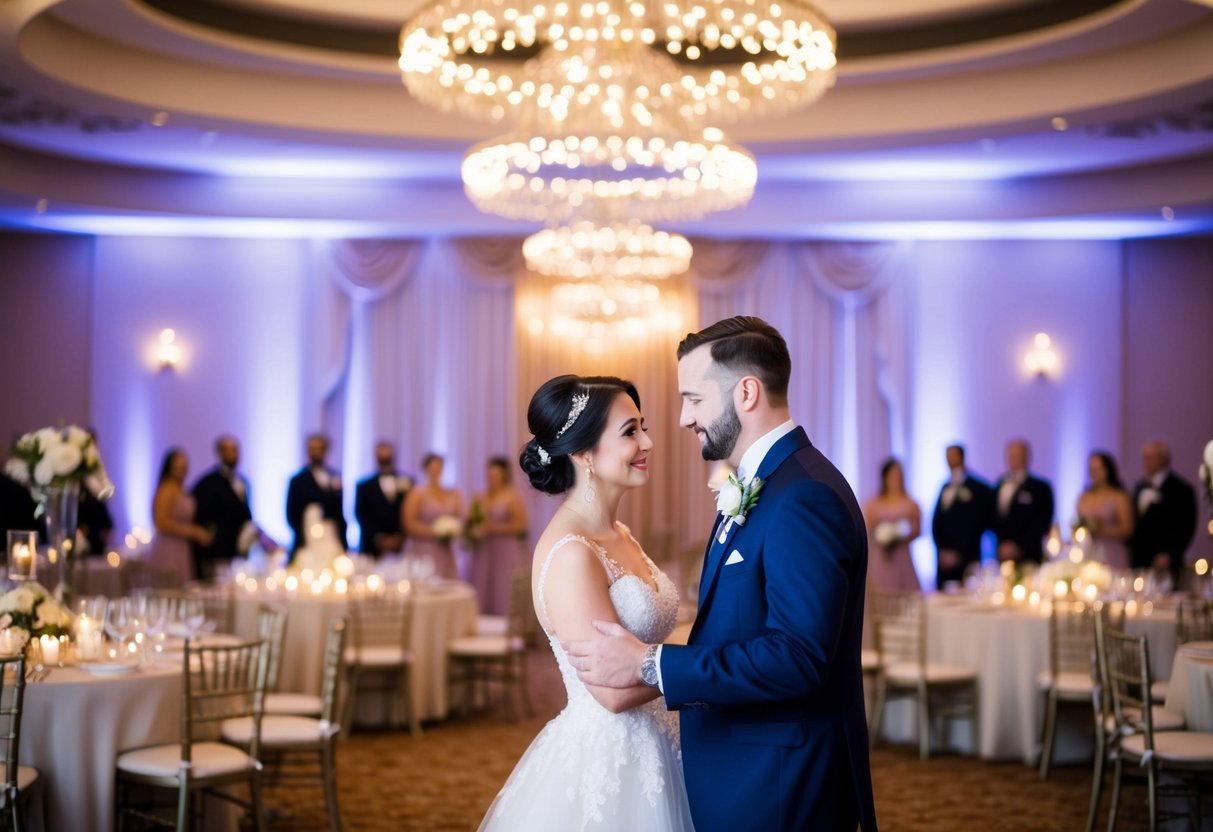
Your first dance is a special moment that sets the tone for your wedding celebration. Proper planning can make this experience magical and memorable. Focus on selecting the right song, choosing a dance style, and involving your wedding party to enhance the joy of this moment.
Selecting the Perfect Song
Choosing the right song is crucial for your first dance. Think about songs that hold significance for you as a couple. Look for lyrics that resonate with your relationship or have personal memories attached.
Consider a mix of classic and contemporary options. Popular choices include “At Last” by Etta James or “Perfect” by Ed Sheeran. Don’t hesitate to ask your DJ or bandleader for suggestions based on their experience.
Make sure to listen to your song a few times. This helps you feel comfortable and excited when it’s time to hit the dance floor. If needed, you can even create a playlist and practice before the big day.
Choosing a Dance Style
Deciding on a dance style is an essential part of your planning. Whether you prefer something traditional, like a waltz, or something more modern, there are plenty of options. Consider taking dance lessons if you want to feel confident.
You might choose to perform a choreographed dance to impress your guests. Choreography can be fun and allows for unique moves that express your personalities. However, keep it simple if you’re nervous. The goal is to enjoy the moment together.
Remember to consider the space you have for dancing. A smaller venue may not support elaborate routines, while a bigger dance floor allows for more freedom.
Involving Your Wedding Party
Including your wedding party in your first dance can add to the fun. You can create a group dance, which engages everyone and makes the moment inclusive. This can be an entertaining surprise for your guests and a way to show unity.
Talk to your friends and family about their willingness to participate. Decide on a song and some simple dance moves that everyone can follow. It doesn’t have to be complicated; sometimes, simple steps can be the most enjoyable.
Make sure to schedule a few practice sessions together or ask a professional to help. Having fun while preparing can make the experience even more memorable for you and your loved ones.
Reception Dance Timeline
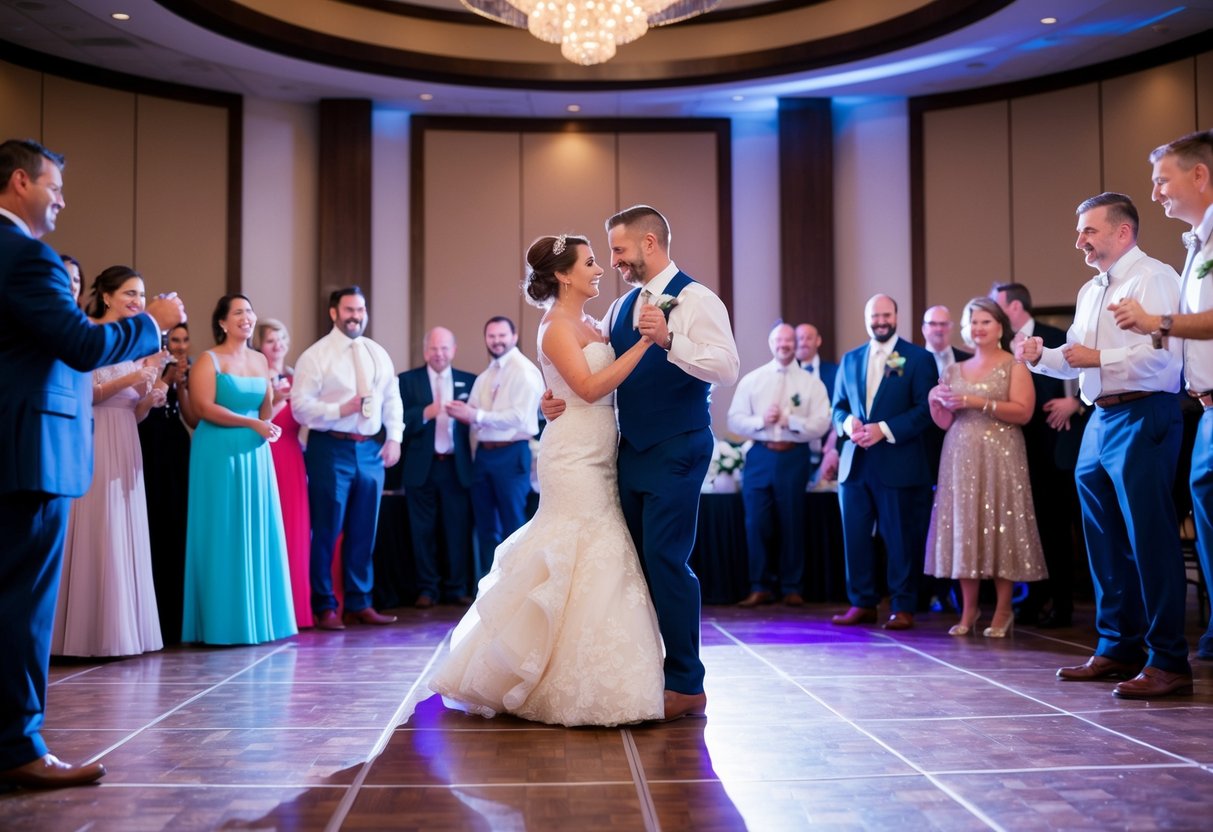
The reception dance timeline is important for guiding your guests through the evening’s dancing activities. Knowing when to kick off the dance floor and how to organize the dances can make your wedding reception flow smoothly and be memorable for everyone involved.
Opening the Dance Floor
You will typically open the dance floor right after your grand entrance. This is often a highly anticipated moment. As a couple, you can choose to start with your first dance, allowing everyone to witness your special moment together.
If you prefer, some couples save the first dance until after dinner. This helps create a more comfortable atmosphere for guests during the meal.
Regardless, be sure to announce when the dancing portion begins. This encourages guests to join you on the dance floor. The energy and excitement will add to the celebration.
Sequence of Wedding Party Dances
After your first dance, it’s common to follow a specific sequence for wedding party dances. Start with the father-daughter dance. This is a heartfelt moment and often evokes strong emotions.
Next, transition to the mother-son dance. This dance also holds great significance for both family and friends.
Following these, you may choose to include other important dances. These can be with grandparents, siblings, or close friends. Each dance helps to create connections among family and guests, inviting them to engage more fully in the celebration.
Interactive Dances with Guests
Interactive dances can bring a lively atmosphere to your reception. After the traditional dances, consider inviting your guests to join in. This can include group dances like the Cha-Cha Slide or Cupid Shuffle.
Such dances are great for getting everyone up and moving. They create fun memories and encourage mingling among your guests.
Also, keep in mind this is a good time for post-cake cutting dancing. By including guests at this point, you maintain the energy and enjoyment of the evening, making the dance floor a focal point of your celebration.
Traditions and Transitions
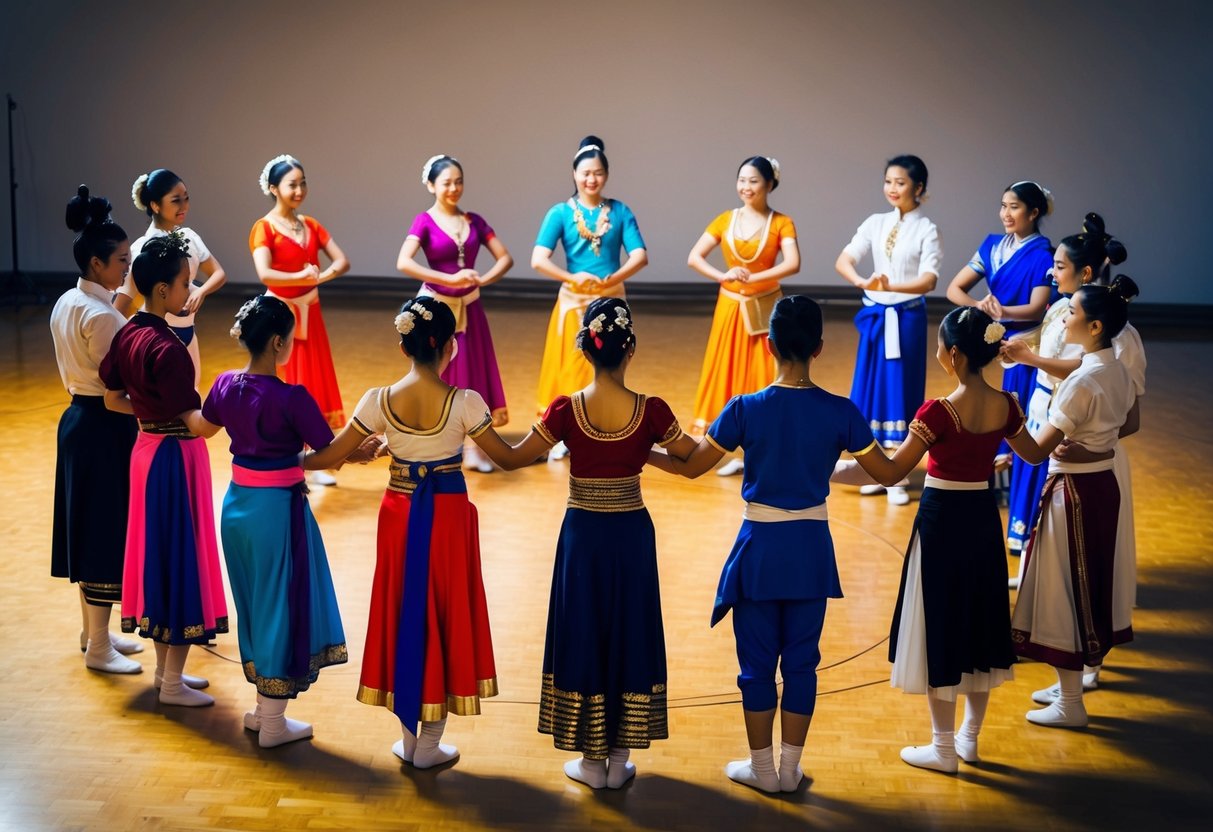
Weddings often blend various traditions and personal touches. Understanding how to honor family and incorporate cultural elements can enhance your celebration. You’ll also learn about the transition between different dance events during the reception.
Honoring Family Members
A wedding is a perfect time to acknowledge family relationships. The father-daughter dance and mother-son dance stand out as special moments. These dances allow you to express love and gratitude to your parents.
Consider including a parent dance that honors both sets of parents. You could even create a special moment for grandparents. This not only enriches the experience but also connects generations. By involving family, you create lasting memories.
Incorporating Cultural Heritage
Including cultural dances in your wedding can make it unique. Traditions like the hora are lively and engage guests. This Jewish custom celebrates joy and community as guests dance in circles.
You might also consider other cultural dances based on your background. Think about incorporating the anniversary dance, which honors couples married for years. This adds a heartfelt touch. Such elements celebrate your heritage while making your wedding memorable for all.
Transitioning Between Events
A fluid celebration requires smooth transitions from one event to another. After the first dance, you might consider the dollar dance. This dance encourages guests to dance with you while contributing to your gift fund.
Following this, the bouquet toss and garter toss keep the energy up. They offer fun moments that engage all your guests. A schedule for these dances can help, so everyone knows when to enjoy the festivities.
Planning the order of these events ensures each moment feels special and connected. These transitions help maintain a joyful atmosphere throughout your reception.