
Which Flower is the Queen of Flowers? Discover the Most Beloved Blossom
When it comes to flowers, one stands out above the rest as the true royalty of the garden. The rose is widely recognized as the queen of flowers, celebrated for its stunning beauty and timeless charm. These beautiful blooms are not only admired for their elegant petals and captivating colors, but they also carry deep meanings and rich symbolism.
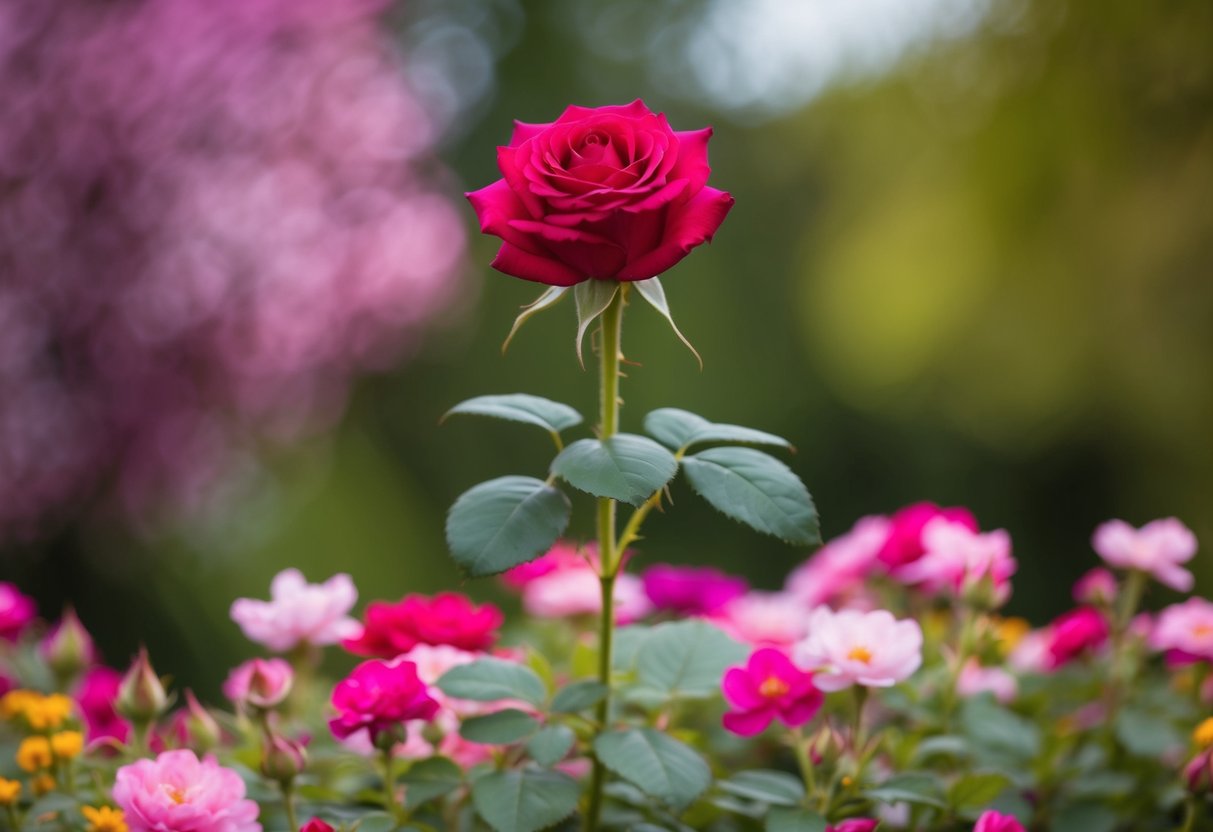
Throughout history, the rose has been a powerful symbol of love and romance. From ancient poetry to modern songs, its presence evokes feelings of passion and tenderness. You may find that giving or receiving roses makes any occasion even more special, as they have a unique ability to express emotions that words sometimes cannot capture.
In this article, you’ll explore the fascinating history and significance of the rose. You’ll also discover why this remarkable flower continues to reign supreme in gardens and hearts around the world. Get ready to delve into the story of the flower that has captivated people for centuries!
The Rose: A Symbolic and Historical Perspective
The rose holds a unique place in both art and literature, rich with symbolism and layered meanings. Its history reveals fascinating connections to mythology and romance, making it a beloved flower across cultures.
Symbolism in Art and Literature
In art, the rose often represents love and beauty. Artists have depicted roses in various forms, symbolizing everything from passion to sacrifice. Famous works, like those of William Shakespeare, highlight the rose’s significance. In his plays, it often stands for romance and deep feelings.
In literature, the rose is used to convey emotions. Authors connect roses to Eros, the Greek god of love. Different rose varieties also carry meanings. For example, red roses symbolize romantic love, while yellow roses represent friendship. This symbolic richness makes the rose a powerful motif in storytelling.
Myth and Ancient Lore
Ancient lore is full of stories about the rose. In Greek mythology, the goddess Chloris created the flower from the lifeless body of a nymph. This transformation symbolizes rebirth and beauty.
The rose was also tied to various myths surrounding love and fate. During the “War of the Roses,” two families used different colored roses as symbols of their houses, shaping English history. This blending of mythology and historical significance shows the rose’s deep roots and lasting impact. Its rich history connects it to human emotions and cultural identity, making it truly the queen of flowers.
Roses in Nature and Gardening
Roses are not only beautiful flowers but also come in various species and varieties that flourish in gardens. Learning how to cultivate and care for them can help you enjoy their stunning blooms in your outdoor spaces.
Species and Varieties
There are many species and varieties of roses you can explore. The most common types include:
- Hybrid Tea Roses: Known for their long stems and large blooms, they are great for cutting.
- Floribunda Roses: These produce clusters of flowers, adding a burst of color to your garden.
- Climbing Roses: Perfect for trellises, they can create stunning vertical displays.
- Wild Roses: These are native species that may have simpler blooms but are hardy and attract wildlife.
With over 100 species in the Rosaceae family, including hybrids, the options are vast. Each type has its own unique characteristics and can thrive in different conditions.
Cultivation and Care
Caring for roses can be simple and rewarding. Here are some essential steps:
- Location: Choose a spot with plenty of sunlight, ideally 6-8 hours a day.
- Soil: Use well-draining soil rich in organic matter. Compost can help improve soil quality.
- Watering: Keep roses hydrated, especially during dry spells. Water at the base to avoid wetting the leaves.
- Pruning: Regularly prune your roses to encourage healthy growth and blooms. Remove dead or diseased wood.
By understanding the needs of your roses, you’ll enjoy their vibrant flowers for many seasons.
The Aesthetic and Sensory Appeal of Roses
Roses are cherished not only for their beauty but also for their enchanting fragrance. Their vibrant colors and exquisite textures make them a favorite in gardens and floral arrangements. You can truly appreciate their appeal when considering how they captivate the senses.
Colors and Fragrance
Roses come in a stunning array of colors, including red, pink, yellow, and white. Each color has unique meanings. For instance, red represents love and passion, while yellow signifies friendship and joy. This variety allows you to choose roses that convey the perfect message.
The fragrance of roses is equally important. Whether it’s a delicate hint of sweetness or a stronger, bolder scent, their aroma can evoke feelings of love and beauty. Many people find that the smell of roses creates a calming effect. You might notice how their scent lingers in the air, inviting you to indulge in their charm.
Textures and Forms
The textures of rose petals play a significant role in their appeal. Many roses have velvety petals that feel soft and luxurious to the touch. This tactile quality enhances their beauty and makes them even more inviting.
Roses also come in various forms. From the tightly packed blooms of hybrid teas to the more open, romantic shapes of garden roses, each variety offers something special. Their elegant curves and graceful presence add depth to any bouquet or garden arrangement. You can admire how their forms change as they bloom, making them a dynamic element in your garden.
Roses in Culture and Social Practices
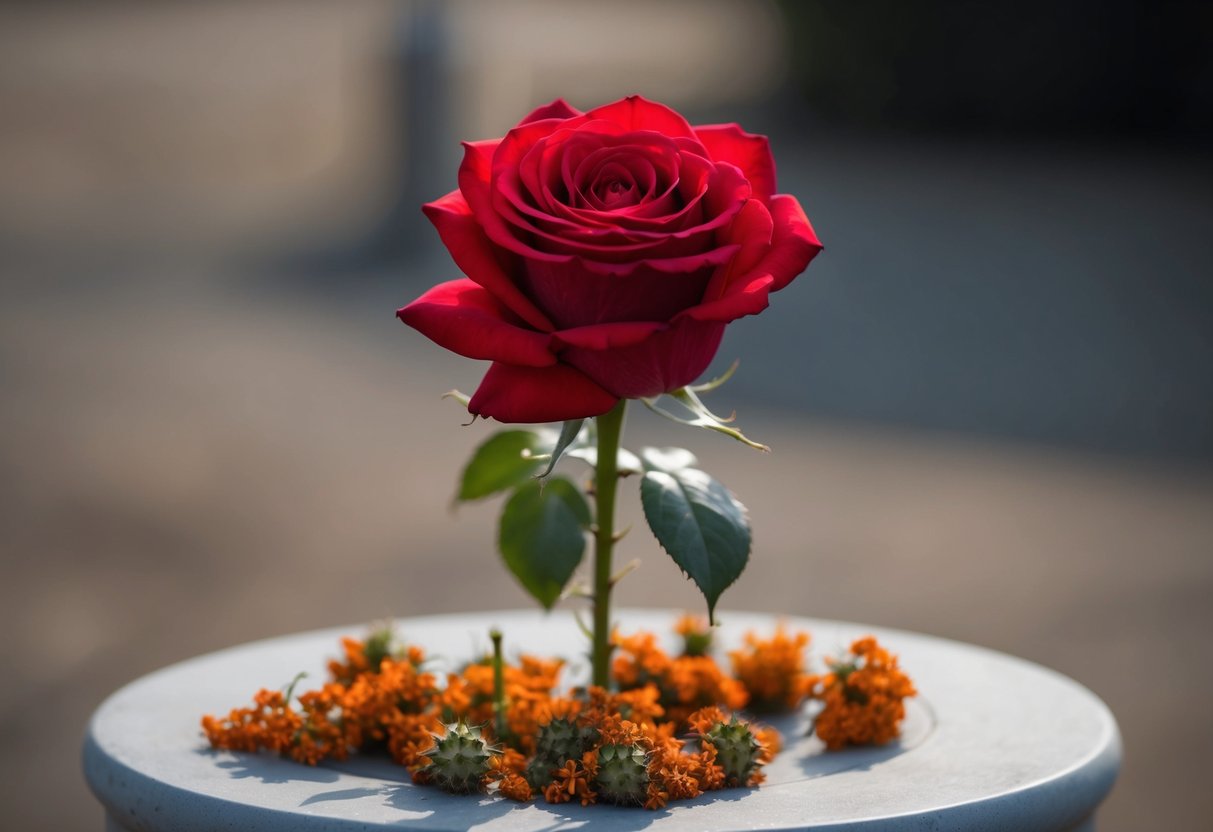
Roses play a significant role in various cultural and social practices around the world. They symbolize appreciation, emotions, and joy, making them a popular choice for celebrations and wellness.
Gift-Giving and Celebrations
When you think of gift-giving, a bouquet of roses often comes to mind. These flowers are a classic symbol of love and admiration, especially the classic red rose. They are ideal for expressing feelings on special occasions like anniversaries, Valentine’s Day, or birthdays.
Different colors of roses carry unique meanings. For instance, white roses signify purity and innocence, making them popular at weddings. Giving a rose sends a clear message about your emotions, whether it’s love, friendship, or gratitude. Additionally, you can find roses in various arrangements, adding a personal touch to any gift.
Health and Wellness
Roses also have a place in health and wellness practices. The rose hip, which is the fruit of the rose plant, is rich in vitamin C and is used in many natural remedies.
Incorporating rose hip tea into your daily routine can boost your immune system and enhance your overall health.
Moreover, the scent of roses has soothing properties that benefit your emotional well-being. It can help reduce stress and promote creativity.
Using rose essential oils in aromatherapy can create a calming atmosphere, perfect for relaxation after a long day.
Embracing roses in both your life and your wellness routine can uplift your mood and enrich your experiences.