
Which is the Most Melodious Song in the World? Discovering the Ultimate Melodies
When you think about the most melodious song in the world, many titles might come to mind. Music has a unique way of touching our hearts and evoking emotions. From classical compositions to modern hits, melodies can break barriers and connect people like nothing else. Many consider “Somewhere Over the Rainbow” one of the most melodious songs ever written.

As you explore various opinions on what makes a melody truly beautiful, you’ll find that it often involves a combination of harmony, emotion, and cultural significance. This blend can create a lasting impression that resonates through generations.
In your quest to discover what makes a song melodious, you’ll encounter a range of thoughts. Some may argue for timeless classics, while others may advocate for contemporary masterpieces. Each song shares a story, capturing feelings that are universal and relatable.
Exploring the Beauty of Bird Songs
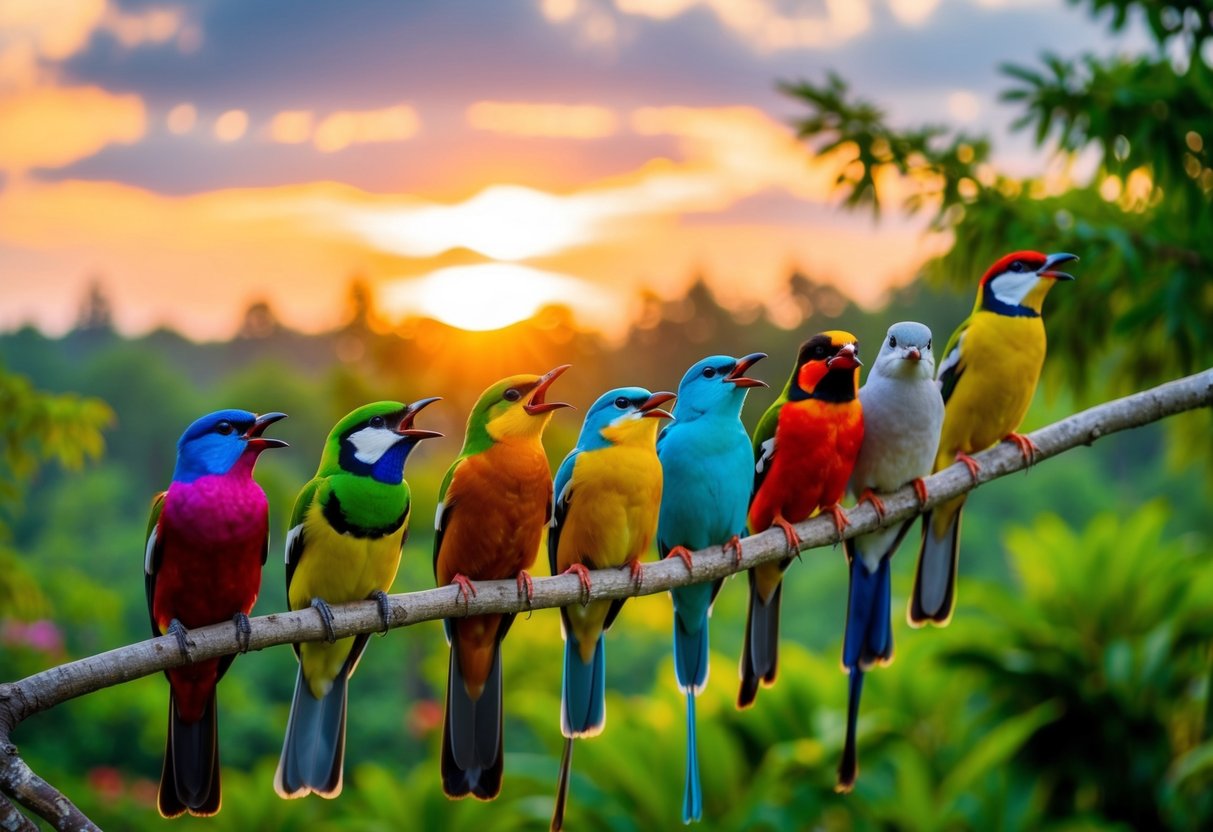
Bird songs are more than just sounds; they are intricate melodies that express various emotions. Understanding what makes these songs melodious and how birds create them can enhance your appreciation of nature.
What Makes a Song Melodious?
A melodious song often contains a mix of pleasant tones, rhythm, and variety. Birds use different pitches, trills, and repetitions to create beautiful sequences. For example, the Common Nightingale is celebrated for its rich and varied song, which can evoke strong emotions in listeners.
Factors that contribute to a song’s beauty include:
- Harmonics: Layered sounds that create richness.
- Repetition: Familiar patterns that can be soothing.
- Pitch Variation: Changes in tone that capture attention.
These elements combine to make bird songs not just sounds but experiences that resonate with you.
The Art of Bird Vocalization
Birds have a unique way of producing sounds through an organ called the syrinx. This organ allows them to control airflow and create diverse musical tones. Each species has its own style, often influenced by their environment and social interactions.
Birds also learn from one another. Young birds listen to their parents and other adults to develop their songs. This social learning helps shape their vocal ability and contributes to the local bird song culture.
Species like the Song Thrush are known for their complex vocalizations, often mimicking other birds. This ability to imitate adds complexity and variety to their songs.
The Role of Birdsongs in Nature
Bird songs play crucial roles in the lives of birds. One major purpose is communication. Males often sing to attract females, showcasing their health and genetic fitness through their melodic skills.
Additionally, bird songs can serve as territorial markers, alerting other males to stay away. This aspect of song is vital for maintaining boundaries in their habitat.
Bird songs also enhance the environment. The melodies you hear contribute to the overall soundscape, attracting your attention and adding beauty to your surroundings.
Listening to these songs can deepen your connection to nature, fostering a sense of calm and awareness.
Notable Birdsong Contributors
Birds are known for their beautiful songs that can lift your spirits. Among them, a few species stand out for their melodious contributions. Let’s explore some of the most notable birds known for their remarkable vocal talents.
Nightingales and Thrushes
The common nightingale is famous for its rich, captivating songs. This bird sings from dusk until dawn, filling the night with its sweet melodies. Many poets and musicians find inspiration in its songs.
The song thrush is another exceptional singer, recognized for its ability to mimic the sounds of other birds. It’s known for its distinct, loud song that echoes through woodlands. The hermit thrush also plays a significant role in the bird song scene. Its soft, flute-like notes charm listeners and create a serene atmosphere in forested areas.
Canaries and Mockingbirds
Canaries are beloved for their cheerful tunes. These small birds sing beautifully and have a bright, clear song that brings joy to homes and gardens. Both males and females can sing, but the males often produce the more complex melodies.
Northern mockingbirds are true vocal artists. They can imitate the sounds of over 200 other bird species and even other environmental noises. Their ability to sing both day and night sets them apart as talented performers in the avian world. With their varied repertoire, they create unique concerts that delight those lucky enough to hear them.
Lesser-Known Virtuosos
Not all singing birds are well-known, but some lesser-known species also deserve attention. For instance, the dark-eyed junco has a soft, soothing song that enchants listeners in various habitats.
The wood thrush is another gem, with its ethereal, flute-like song echoing through the forest. This bird’s melody often captivates anyone who ventures into its habitat. Each of these lesser-known virtuosos adds to the rich tapestry of birdsong around you.
Bird Songs Across the Globe
Bird songs vary widely in terms of beauty and complexity. Each region boasts unique songbirds that create melodies that charm listeners. Let’s explore some of the most notable bird songs from North America, Australia, and parts of Asia and Europe.
North American Favorites
In North America, the common nightingale is often celebrated for its enchanting song. This bird produces a rich, melodious sound that has inspired poets and musicians. Northern mockingbirds also shine in this category, known for their ability to mimic other birds and even mechanical noises.
Another notable songster is the black-capped chickadee. Its cheerful call is a welcome sound in many backyards. The song thrush, while originally from Europe, has also made its way to North America and is famed for its beautiful, complex melodies that resonate through forests.
Australian Songsters
Australia is home to the Australian magpie, famous for its stunning warble. This bird can create a wide range of sounds, each one clearer and more beautiful than the last. The yellow-tailed black cockatoo adds to the Australian melody, known for its sharp calls and the unique sounds it produces while foraging.
Another captivating singer is the black-billed magpie, whose playful yet pleasant song can often be heard at dawn. These birds enhance the soundscape of the land and are essential to Australia’s vibrant avian community.
Asian and European Melodies
In Asia, the Asian koel is notable for its distinctive, loud call, which often rings through the trees in urban areas. The channel-billed cuckoo is another fascinating bird, known for its deep, resonant voice that echoes across the landscape.
Moving to Europe, the common nightingale again captures attention with its beautiful singing. Additionally, the blackcap offers a delightful and varied repertoire that many enjoy. These birds contribute to the rich tapestry of melodies found in both natural and urban settings, making each region’s soundscape unique.
You can hear their songs and appreciate the diversity of bird music worldwide.
Understanding Birdsong Behavior
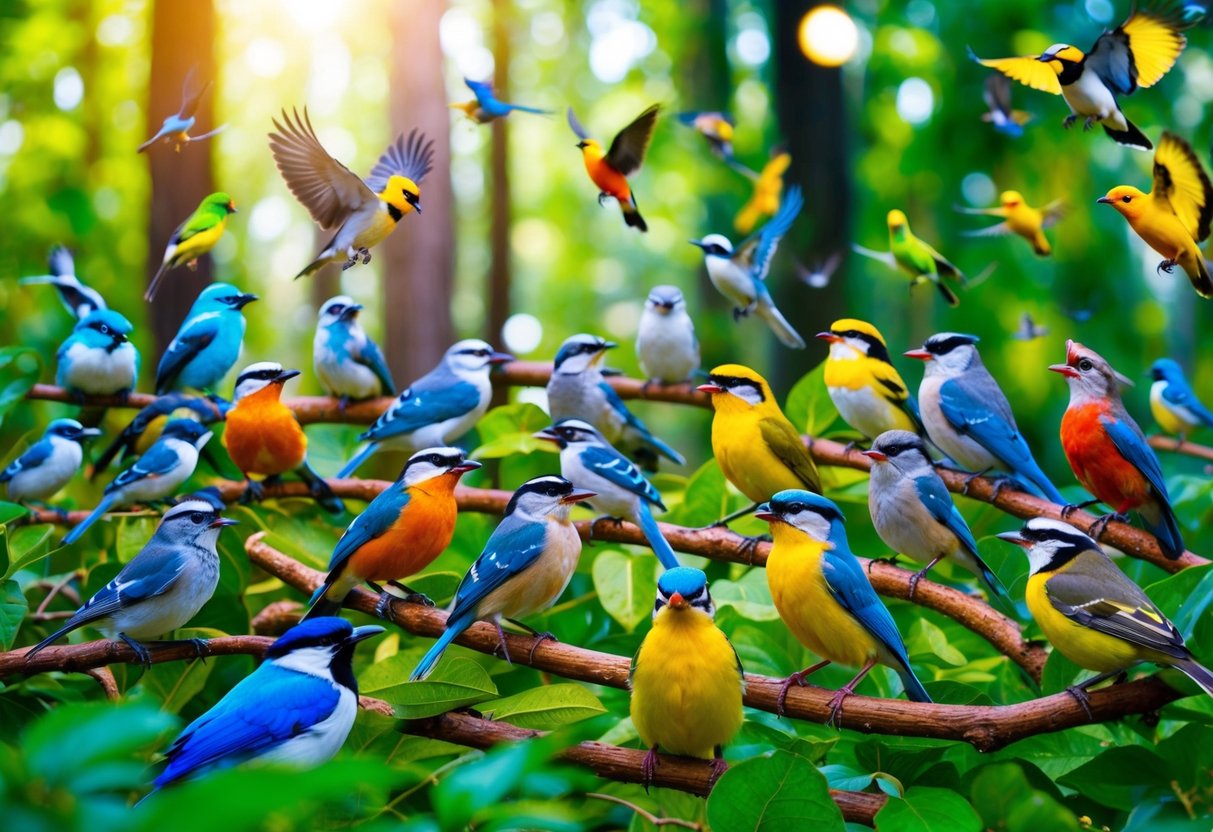
Birdsong is not just beautiful sound; it plays a vital role in how birds behave and interact with their environment. From attracting mates to defending territory, the melodies you hear carry important messages.
Territories and Mates
Singing is crucial for male birds, especially during the breeding season. They use their songs to establish territory and attract mates. By singing loudly and clearly, they declare their presence, letting other males know to keep their distance. This helps minimize conflict.
In many species, the quality of a male’s song can influence whether a female will choose him. Rich, varied songs can signal health and genetic fitness. Some migratory songbirds even change their songs based on the region they travel to, adapting to local conditions and competition.
Diet and Breeding
Birdsong is also connected to what birds eat. Many singing birds feast on seeds, insects, and berries. Their diet can affect their breeding success. A healthy diet provides the energy needed for long singing sessions, which is particularly important during the breeding season.
If food is scarce, birds may have a harder time attracting mates or raising young. In addition, some birds are brood parasites, laying their eggs in the nests of other species. This behavior can affect the songs they use, as they adapt to blend in with the local songs of their host species.
The Impact of Human Presence
Human activities can significantly affect birdsong behavior. Noise pollution can drown out their songs, making it difficult for birds to communicate. When you’re out bird watching, you may notice some birds singing less in busy areas.
Moreover, urban environments can change the way birds replicate their songs, often forcing them to sing at higher pitches. This adaptation helps them reach each other amid background noise.
Conservation efforts focus on restoring habitats to support healthy singing populations. This highlights the need to maintain quiet spaces for these beautiful melodies.