
Which Last Name Goes First When Married? A Quick Guide for Couples
Deciding which last name goes first when you get married can be a bit tricky. There are many options to consider based on personal preference and tradition. Typically, the woman’s maiden name appears first, followed by the husband’s last name, but this is not a hard rule.
Your choice can reflect your personal values and the unique dynamics of your relationship. Some couples opt for hyphenated names, combining both last names to create a new identity. Others may choose to take turns using each name in various settings.
Understanding Name Change Options After Marriage
Deciding what to do with your last name after marriage is a significant choice. You have multiple options, from keeping your maiden name to adopting your partner’s surname. Let’s explore these choices and what the process looks like.
The Traditions of Married Names
Traditionally, a wife takes her husband’s surname after marriage. This practice symbolizes the joining of two families. However, today, it’s increasingly accepted for both partners to decide together how they want to handle their last names.
You can choose to adopt your spouse’s surname or keep your own. Some couples even decide to blend their names into a new one, reflecting both family backgrounds. This decision can be influenced by personal beliefs, family traditions, or how you want to be recognized socially.
Hyphenated Surname Options
Hyphenating surnames is a popular choice for couples wanting to keep their identities while blending their names. With this option, you take both last names connected by a hyphen, like Smith-Jones.
Using a hyphenated last name offers a way for both partners to maintain their family names. It’s essential to remember that some formal documents may not recognize hyphenated names easily. If you go this route, be prepared to use both names when filling out legal forms or when it comes to name recognition.
Legal Procedures for Name Changes
Changing your name legally involves specific steps. Usually, you will need a certified copy of your marriage certificate to start the process. This document serves as proof of your marriage and supports your name change request.
To change your name, you can consider using a name change service. They can guide you through the necessary paperwork. After submitting the forms, you will usually receive a new Social Security card, and then update your driver’s license and bank information accordingly. Make sure you follow the legal name change process applicable in your state to avoid any issues.
Deciding the Order of Last Names

When deciding the order of last names after marriage, various factors come into play. You might consider personal significance, cultural traditions, and how your choices affect your professional identity.
Alphabetical Order vs Personal Significance
Some couples opt for alphabetical order when listing last names. This approach can be a simple way to eliminate debate. If one name starts with “A” and the other with “Z,” alphabetical order is straightforward.
Personal significance matters too. You may want to place your family name first if it holds strong emotional value for you. This can be important for family heritage or personal pride. Think about what each name represents and choose accordingly.
Cultural Considerations
Cultural traditions heavily influence how last names are ordered. In some cultures, the woman’s maiden name is placed before the husband’s. In others, the opposite is true.
It’s essential to consider what your family values. If your background has specific customs, leaning into these can honor your roots. Discussing cultural expectations with your partner can also help both of you feel more connected to your decision.
Professional Impact of Surname Choices
Your surname can play a role in your professional identity. Some people prefer to keep their maiden name for career recognition. This is especially true in fields like academia or the arts.
If you choose to hyphenate your last names, think about how it will be received in your industry. A more complex name might lead to misunderstandings or mispronunciations. Weighing the impact on your professional life is important as you make your decision.
The Pros and Cons of Hyphenating
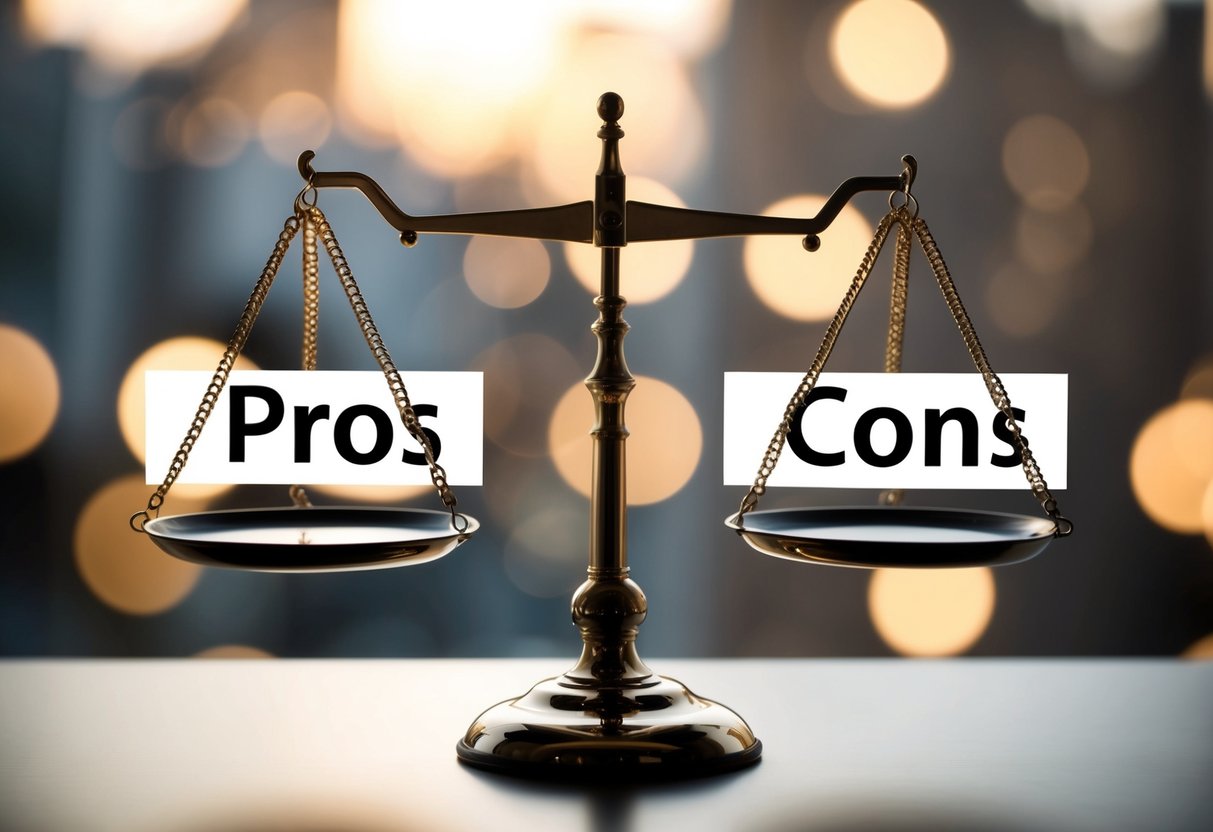
Choosing to hyphenate your last name can be a meaningful decision for many married couples. It allows for a unique family identity but also comes with certain challenges. Here are some advantages and challenges to consider.
Advantages of Hyphenated Last Names
One major benefit of hyphenating is that it allows you to keep your identity. You can honor your individual family heritage while embracing your partner’s surname. This can be a great way to celebrate both names and histories.
Hyphenated last names also help maintain family ties. Your friends and colleagues will recognize you even after a name change. Plus, it can be a strong symbol of unity between you and your partner, showcasing a shared commitment.
Hyphenation can be especially significant for families with children. Choosing a hyphenated name ensures that both family legacies are preserved. It can also serve as a conversation starter, allowing you to share your story with others.
Challenges with Hyphenated Surnames
While there are clear benefits, there are also challenges with hyphenated last names. One concern is the potential for confusion. People may not always remember your full name, leading to mix-ups in professional and personal settings.
Another issue could be with documentation. You might face complications when updating legal documents like IDs and passports. Forms may not always accommodate long names, leading to frustration.
Hyphenated names may also pose challenges as families grow. If you and your partner choose to have children, you will need to decide how to incorporate names. Balancing family legacies can create additional conversations around identity that some may find difficult.
Personal Stories and Real-Life Examples
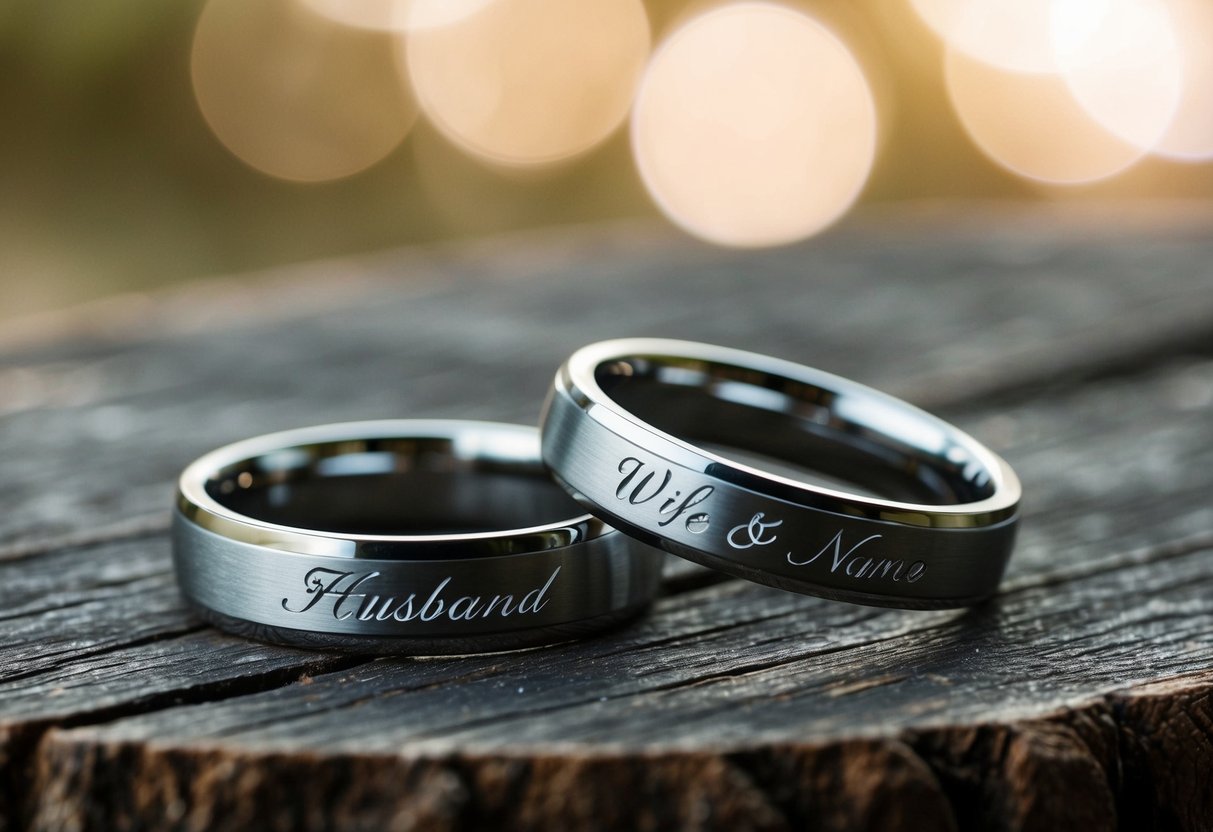
Many couples have unique and interesting experiences when it comes to deciding which last name goes first after marriage. These decisions often reflect personal values, family traditions, and the desire to create a shared identity. Here are some specific stories.
Sharing Couples’ Experiences
Consider Emma and Liam. They chose to hyphenate their last names to show equality in their marriage. They found joy in being known as “Emma-Smith Liam-Jones.” Their friends and family embraced this choice, which made them feel supported.
In contrast, Sarah decided to keep her maiden name while her partner, Tom, took her last name as his middle name. This decision surprised their families, but they eventually accepted it as a modern approach. By sharing their stories, many couples encourage others to find what feels right for them, whether through double surnames or name changes after marriage.
Impact on Future Generations
When couples choose a name structure, it can impact their children as well.
Many couples discuss the idea of passing down both surnames. For example, Maria and Jose decided to give their children hyphenated last names, combining both family histories. They believe it honors their backgrounds and provides a sense of belonging.
Others, like Angela and David, opted for their last names in chronological order for their children. Angela’s last name comes first, reflecting her family’s strong influence.
Whatever the choice, these decisions can shape how future generations view identity and family. Discussions about last names often lead to meaningful conversations about values and traditions in a family.