
Which Parents Get Introduced First at a Wedding? A Guide to Wedding Etiquette
When planning your wedding reception, one important detail is deciding which parents to introduce first. Typically, the parents of the bride are introduced before the parents of the groom. This classic choice highlights the bride’s family on this special day and sets a warm tone for the festivities.
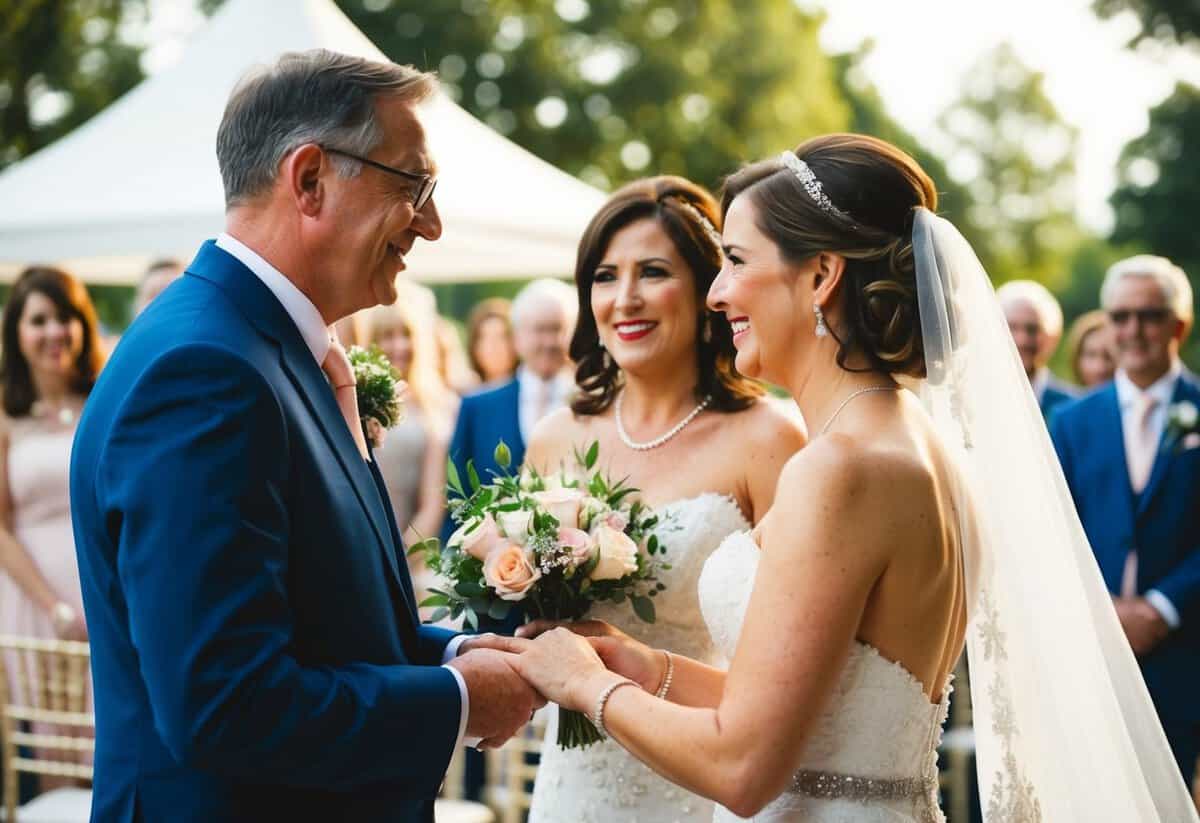
As you navigate the wedding planning process, understanding wedding etiquette can help ease any concerns. Introducing the parents not only honors their support but also engages your guests, creating an inviting atmosphere. By clearly outlining the order of introductions, you set the stage for a smooth transition into celebrating you and your newlyweds.
Remember, while tradition can guide you, feel free to adjust based on what feels right for your unique celebration. Whether you keep it traditional or make it personal, the key is to enjoy this moment with everyone who has come to celebrate your love.
Wedding Reception Introduction Basics
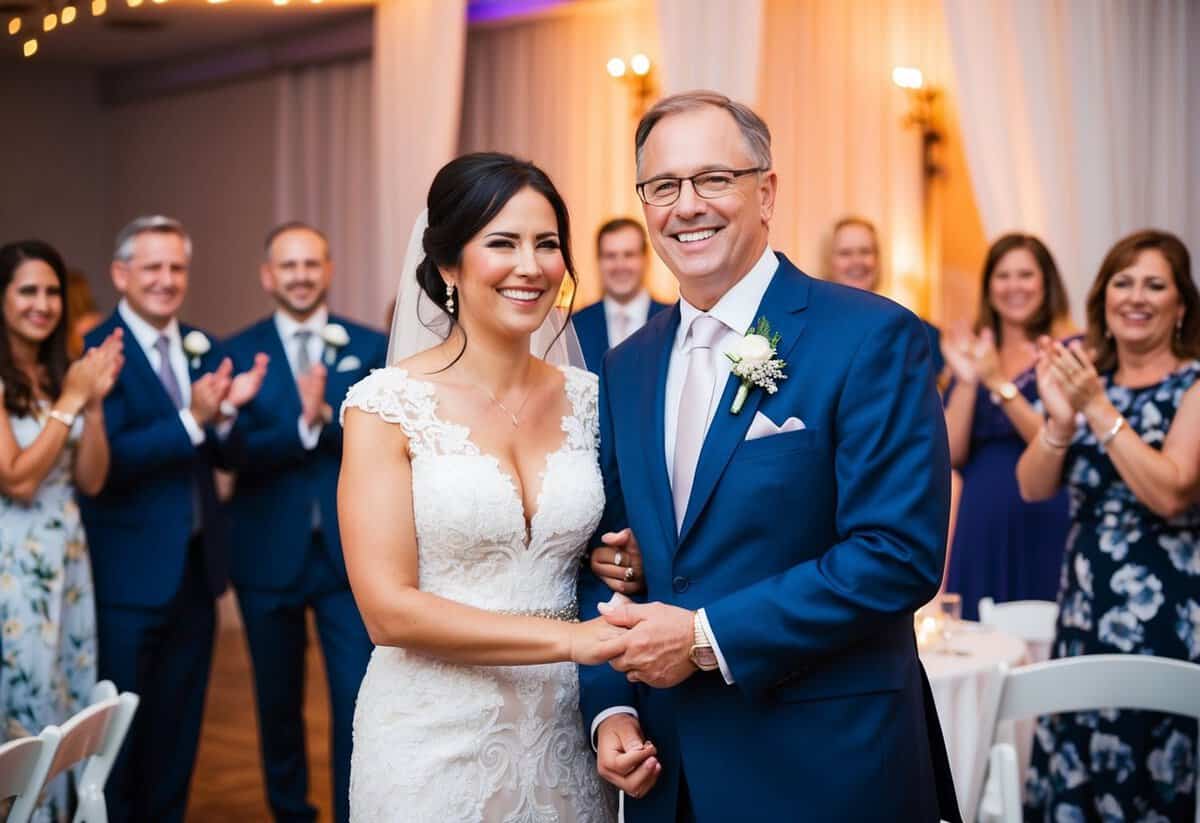
When it comes to wedding receptions, the introductions set the tone for the celebration. Knowing the basics about the grand entrance and the order of introduction can help you enjoy the moment while honoring your loved ones.
Understanding the Grand Entrance
The grand entrance is an exciting moment at the start of the reception. Usually, the DJ or emcee announces each group, welcoming everyone to the celebration.
This is the time when you want your guests to feel the energy and joy in the air. So, make sure to discuss the flow with your wedding DJ or emcee ahead of time. You can even add some fun elements, like music or light effects, to enhance the experience.
Order of Entrance
The typical order of introduction often follows a structured pattern. Here is a common sequence:
- Grandparents
- Parents of the Bride
- Parents of the Groom
- Flower Girls and Ring Bearers
- Bridesmaids and Groomsmen
- Best Man and Maid of Honor
- The Newlyweds
This order creates a respectful flow and allows everyone to appreciate each important figure as they enter. It’s a great way to give special recognition to your parents, who have played significant roles in your life.
Introducing Parents at the Reception
When introducing parents, you want to highlight their importance. Start with the parents of the bride, as this is a traditional way to honor them. Then, move to the parents of the groom next.
During the introductions, consider sharing a quick fact or memory about each parent. This makes their moment special and helps guests feel more connected. The emcee can summarize their relationship to you both, creating a warm atmosphere.
Planning Introductions for a Blended Family
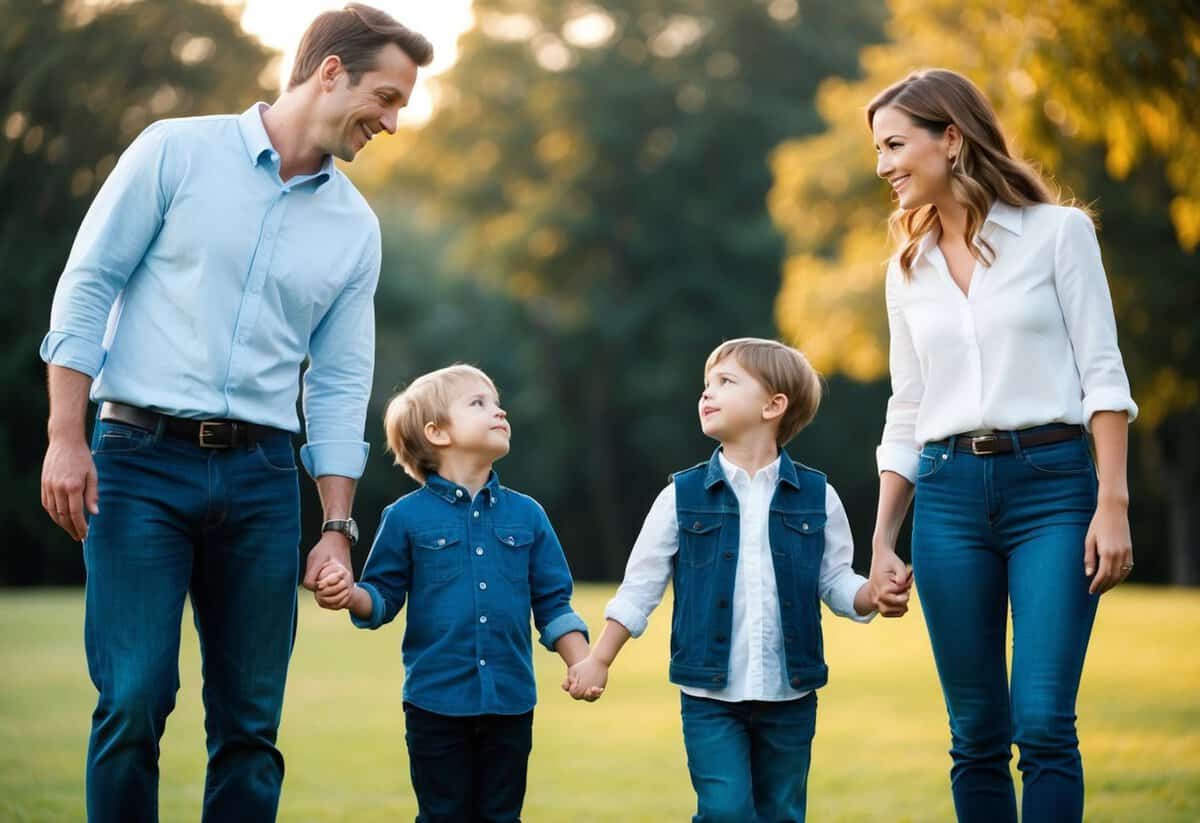
Introducing family members at a wedding can be especially important for blended families. Thoughtful planning helps your special day go smoothly and ensures everyone feels included. Here are some key aspects to consider for introducing divorced parents and step-parents.
Introducing Divorced Parents
When introducing divorced parents, sensitivity is key. Start with the parent of the bride, as it is traditional. You might say something like, “Let’s welcome the beautiful bride’s parents.” This sets a positive tone. Follow with the groom’s parents.
Consider keeping the introduction light and friendly. You might want to mention their roles in the bride and groom’s lives. For example, “Please welcome [Bride’s Father] and [Bride’s Mother], both of whom have shaped her into the amazing person she is today.”
Remember to acknowledge any tensions that may exist. Avoiding negative comments will help foster a comfortable atmosphere. Make sure everyone is aware of the sequence beforehand to avoid awkwardness during the introductions.
Step-Parents and Extended Family
Introducing step-parents can be more complex but can also be meaningful. Introduce each step-parent after the biological parents. For instance, “Now, let’s welcome [Bride’s Stepfather], who has been a guiding influence in her life.”
Make sure to mention the contributions of step-parents, reinforcing their roles in the family. For example, “We are grateful to have [Groom’s Stepmother] here, who has been a wonderful addition to their family.”
It’s also helpful to involve extended family members, like grandparents or aunts and uncles. You can say, “Let’s hear it for the loving grandparents of the bride!” This inclusion can create a sense of unity and warmth among family members.
Ceremonial Reception Moments
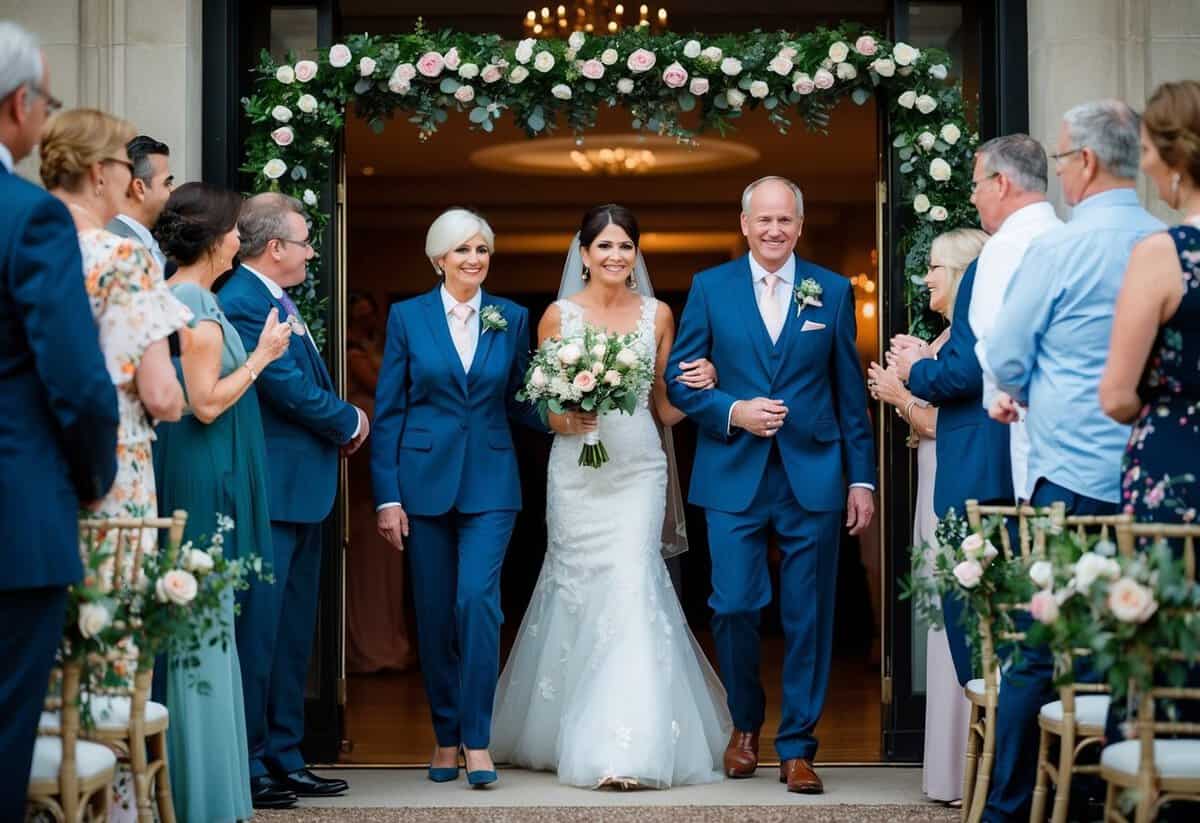
At a wedding reception, there are several key moments that create lasting memories. Special speeches and traditions like the first dance help set the tone for the celebration.
Special Speeches and Toasts
During the reception, speeches play an important role. The best man and maid of honor usually lead the way with their toasts. It’s a chance for them to share personal stories, express love, and bring laughter to the room.
Traditionally, the best man gives the first toast, often followed by the maid of honor. Guests usually listen closely, so keep your speeches heartfelt but light. A good speech can make the couple feel loved and appreciated. Remember to keep it to around 2-3 minutes to maintain everyone’s attention!
First Dance and Other Traditions
The first dance is a cherished moment that symbolizes the couple’s new journey together. It typically takes place right after dinner. The couple often chooses a meaningful song that reflects their relationship.
In addition to the first dance, other fun traditions follow. The bouquet toss invites single women to catch the bride’s bouquet, symbolizing good luck. Meanwhile, the garter toss provides a similar experience for single men. These activities add excitement and engagement to the reception, making it a lively celebration for everyone.