
Which Side Does the Bride and Groom Sit On? A Guide to Wedding Seating Arrangements
When planning a wedding, every detail matters, including the seating arrangement for the ceremony. Typically, the bride sits on the left side and the groom on the right when facing the altar. This arrangement is commonly followed in many traditions, but it can also be influenced by personal preferences and cultural practices.
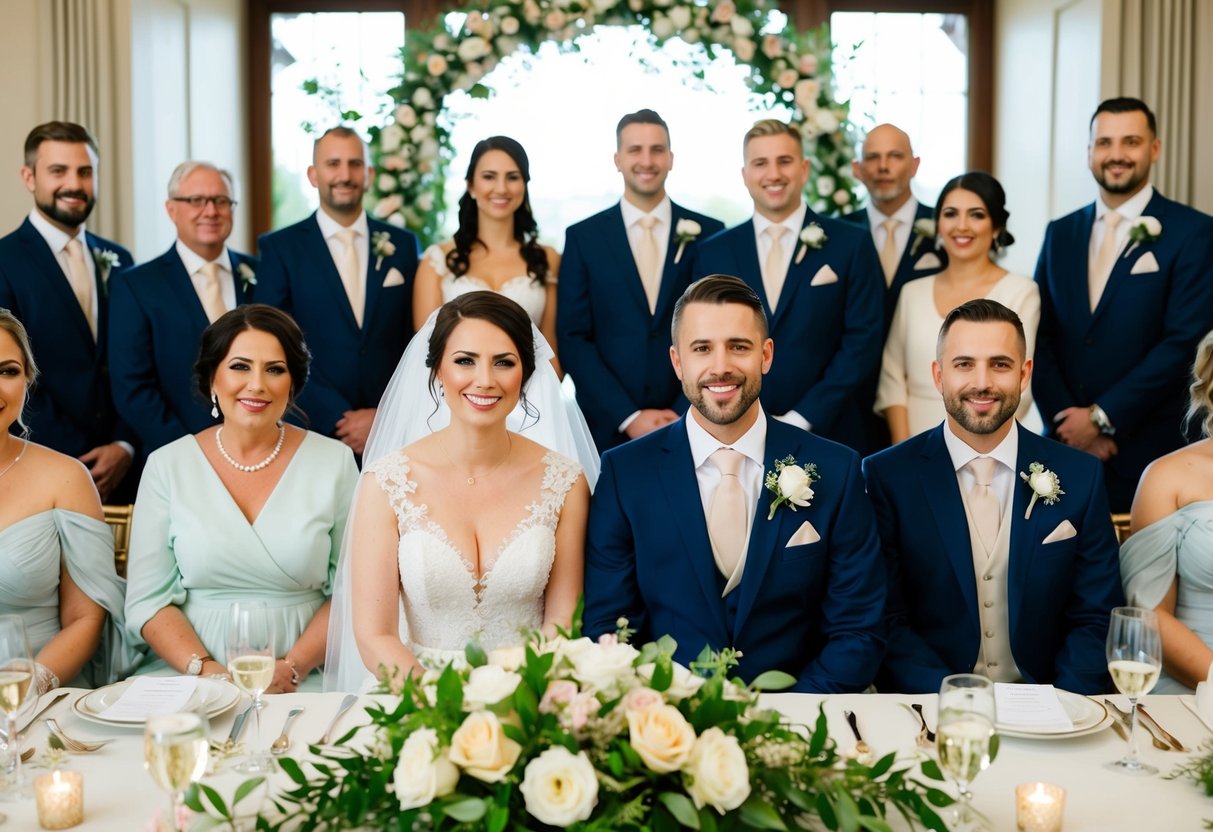
In some wedding traditions, especially in Jewish ceremonies, seating can differ significantly. The groom’s side is usually on the left, while the bride’s side takes the right. Understanding these nuances can help you create a seating plan that reflects your backgrounds and values.
Your choice should feel right for you. Whether you stick to tradition or make new arrangements that suit your style, the focus is on celebrating your love with friends and family. Embrace this opportunity to personalize your big day!
Ceremony Seating Basics
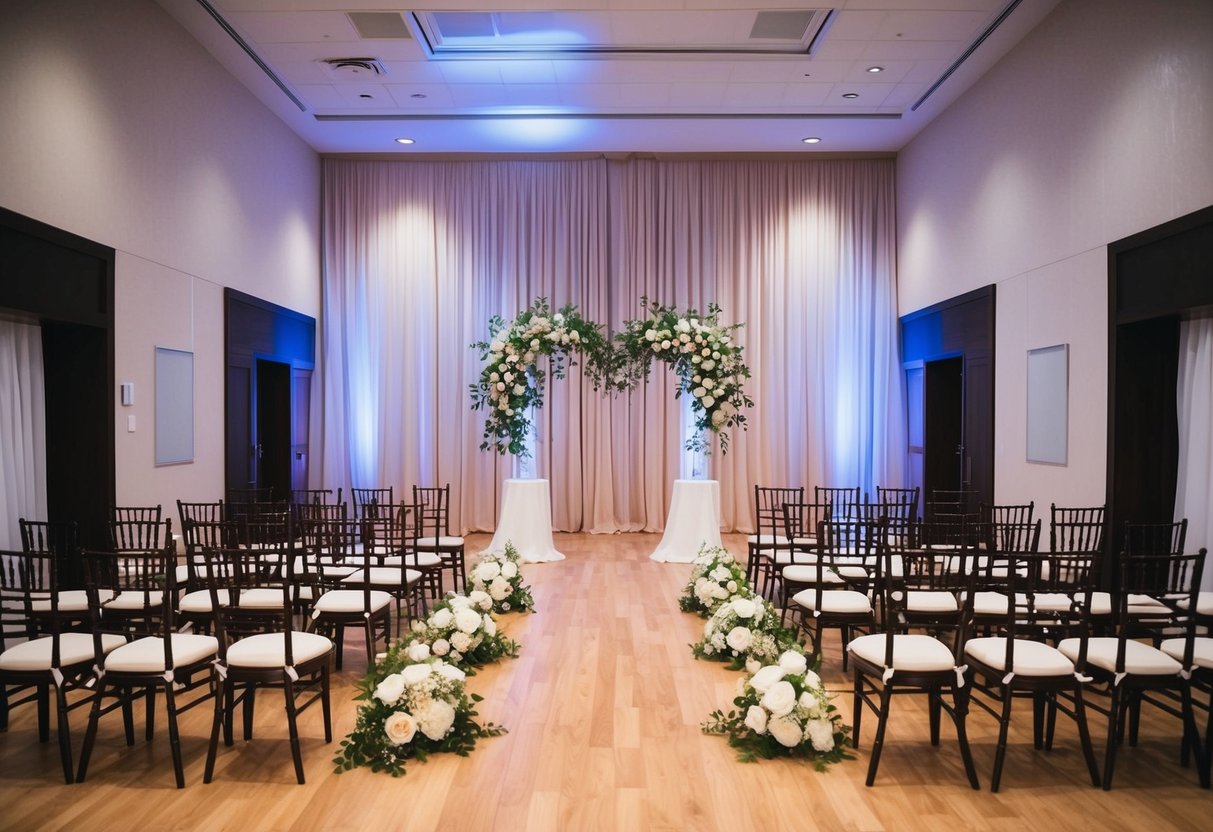
Seating at a wedding ceremony can reflect both tradition and personal choice. Understanding the seating arrangements helps you create a welcoming environment for your guests.
Understanding Traditional Seating
In traditional wedding ceremonies, there are common practices for where the bride and groom’s families sit. Typically, in Christian ceremonies, the bride’s family sits on the left side, and the groom’s family on the right side. This arrangement symbolizes the merging of two families.
For Jewish weddings, the seating is generally reversed; the groom’s family sits on the left and the bride’s family on the right when looking toward the altar. In certain ceremonies, such as Orthodox Jewish weddings, men and women sit separately.
These arrangements may vary based on cultural backgrounds or specific family traditions, so it’s essential to consider what feels right for you.
Dynamics of Family and Personal Preferences
Your wedding is a personal affair, and how you choose to seat guests can reflect your values and family dynamics. There are no strict rules, allowing you to blend traditional seating with your preferences.
Talk to your families about their wishes to ensure everyone feels included. Some couples opt for flexible seating, where guests choose sides based on their relationships with either the bride or groom.
Consider creating a simple seating chart to guide guests where to sit while allowing for personal connections. This approach brings comfort and familiarity, making your wedding ceremony more enjoyable for everyone involved.
Cultural Variations in Seating
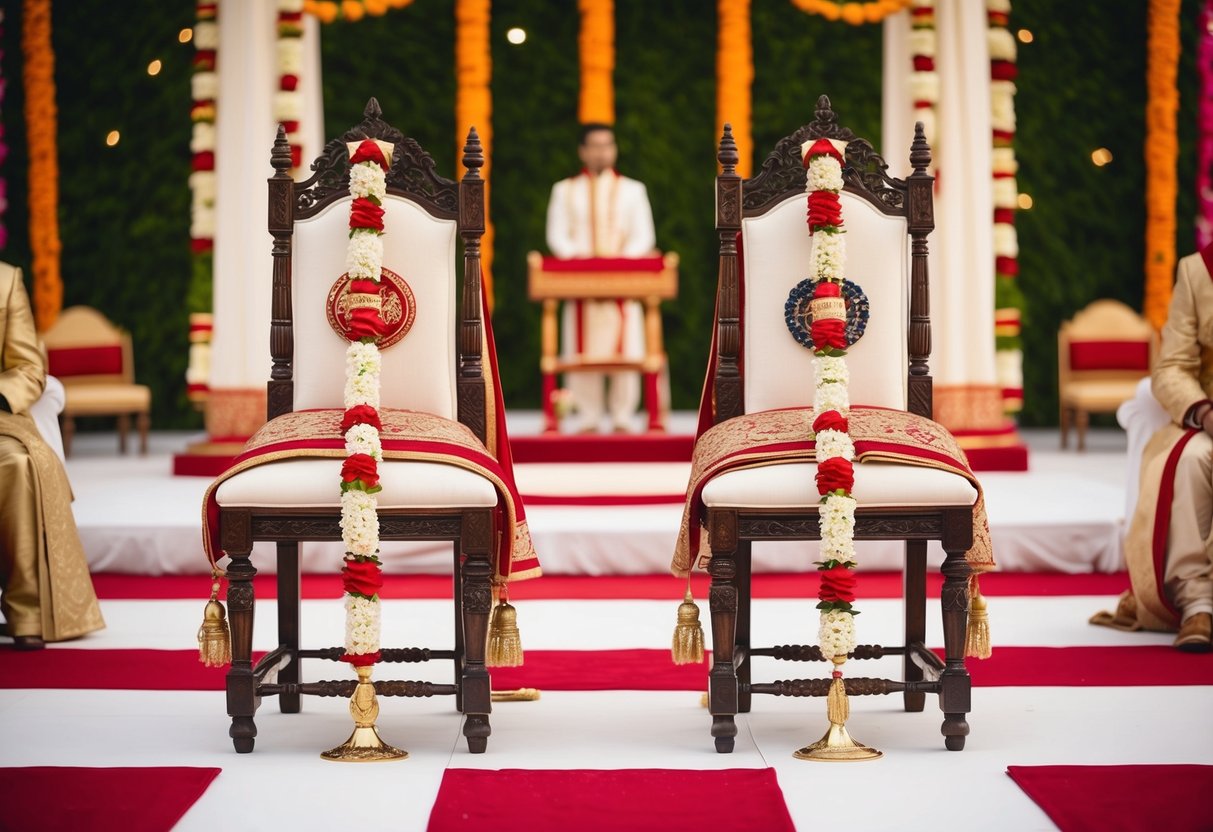
Seating arrangements at weddings can differ based on cultural traditions. Understanding these differences helps create a meaningful experience for everyone involved. Here, we look at some key practices in Jewish and Christian ceremonies.
Jewish Wedding Traditions
In Jewish weddings, seating is often divided based on tradition. Typically, the groom’s family sits on the left side of the altar, while the bride’s family takes the right side.
In Orthodox Jewish weddings, this seating arrangement is particularly important. Guests often follow these placements to respect cultural norms. When you face the altar, the groom’s side symbolizes strength, and the bride’s side embodies love and support.
These arrangements may vary based on personal choices or mixed seating options, allowing guests to sit together. Many couples today adopt a “pick a seat, not a side” approach to foster a more relaxed atmosphere. This can make your ceremony feel more inclusive and less formal.
Christian Ceremony Arrangements
In traditional Christian wedding ceremonies, seating is also divided. The bride’s family typically sits on the left side of the altar and the groom’s family on the right. This arrangement reflects long-standing customs and adds to the ceremony’s significance.
It does not just symbolize family support but also highlights the union of two families coming together. The altar placement remains central in these ceremonies, often with beautiful decorations to enhance the setting.
Some couples might choose to break away from this tradition. A mixed seating plan can create a warm and inviting environment. Whether you stick to tradition or customize your seating, understanding these options helps make your day special.
Navigating Same-Sex Weddings
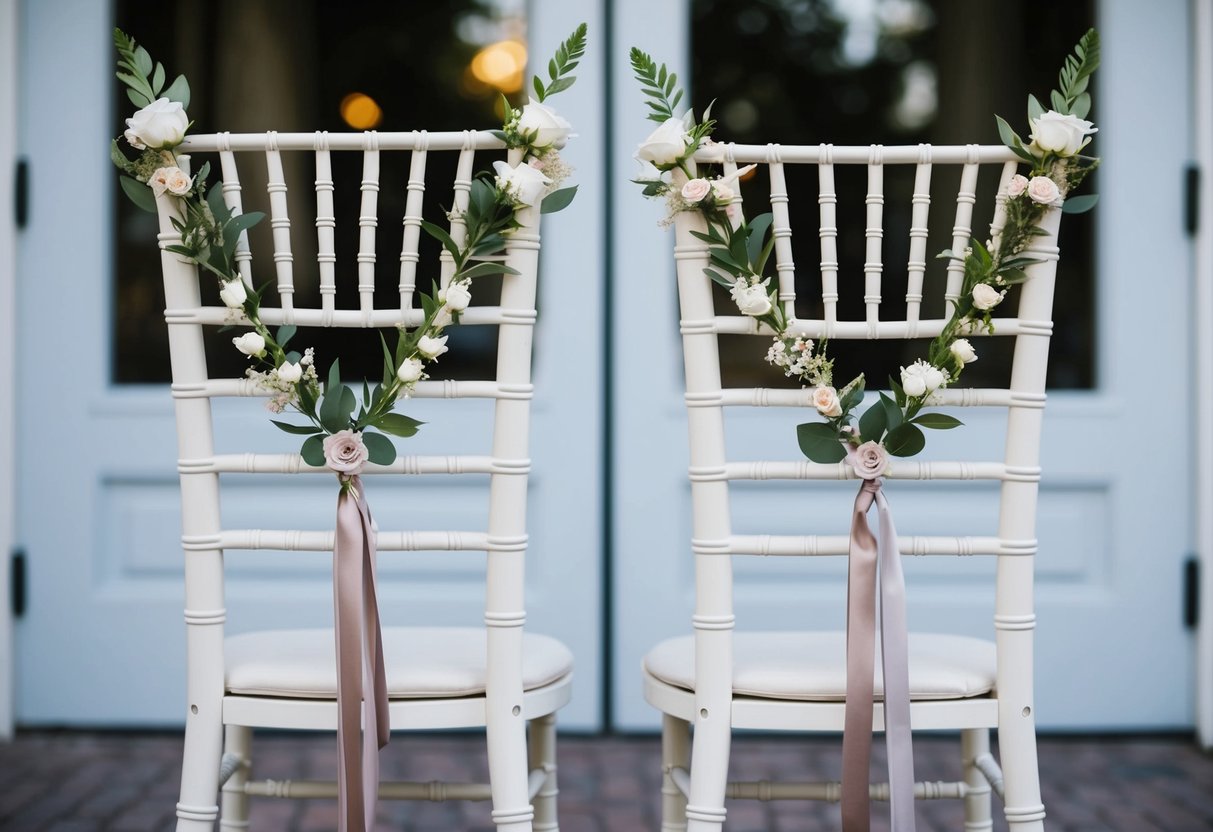
When planning a same-sex wedding, seating arrangements can reflect personal preferences and family dynamics. You have the freedom to create a ceremony that feels right for you and your partner.
Seating Strategies for Inclusivity
For same-sex weddings, start by discussing with your partner how you want to seat your families and friends. You can assign sides based on personal connections rather than traditional roles.
Consider labeling the seating with names. You might have “Bill’s Side” and “Kevin’s Side” to make it clear where guests should sit. This approach also helps guests feel included and respected.
Create a seating chart to visualize arrangements. You can use a simple layout, like a diagram, to show where everyone will sit. This also helps manage family dynamics by placing certain guests in arrangements that promote comfort.
Reception and Beyond
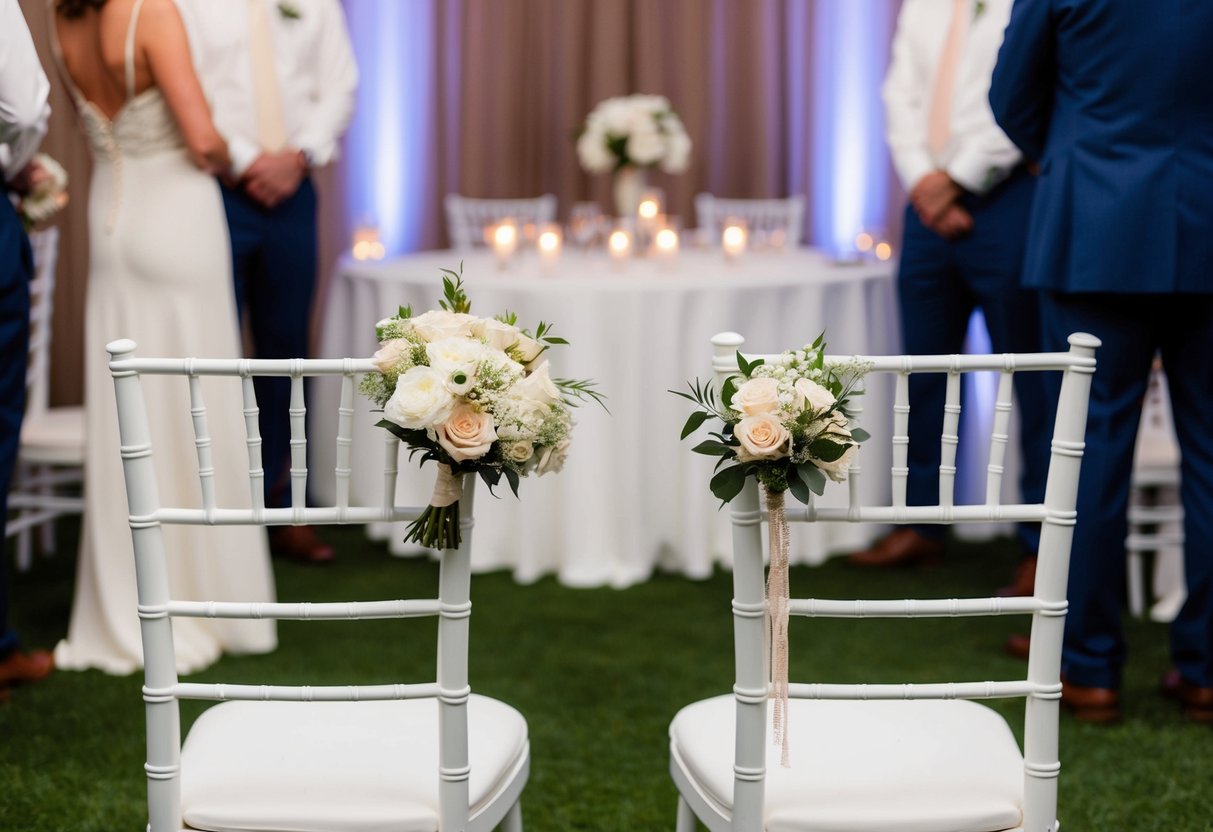
At the reception, seating arrangements play a significant role in the overall atmosphere. You’ll want to consider where you, your bridal party, and your family will sit. Understanding the different seating options can help create a warm and inviting setting.
Deciding on the Head Table
The head table is often the centerpiece of the reception. It usually features you, your spouse, and your bridal party, including the best man and maid of honor. This setup allows for easy interaction and conversation among your closest friends and family.
When arranging the head table, think about the seating plan. You can choose to have everyone face the guests or have the head table turned to one side for a more intimate feel. Make sure to communicate clearly in your wedding program so guests know where to find you during the celebration.
Sweetheart Table: An Intimate Choice
A sweetheart table is a lovely option if you want a more intimate setting. It’s just for you and your spouse, giving you a moment to enjoy each other’s company amid the festivities.
This arrangement also makes it easier to focus on each other while still enjoying the energy of the reception.
When using a sweetheart table, consider its placement. You may want to position it close to the dance floor for a lively atmosphere or towards the back for a quieter vibe.
This choice lets you enjoy the evening while maintaining a special connection with your partner as you celebrate your new life together.