
Which Side Does the Bride’s Father Walk Down the Aisle? A Guide to Wedding Traditions
Walking down the aisle is one of the most memorable moments of a wedding day. It often raises the question of which side the bride’s father should walk on. Tradition typically has the father of the bride walking on her left side. This practice allows you to walk closest to the center of the aisle, making the moment even more special as you escort your daughter to the groom.
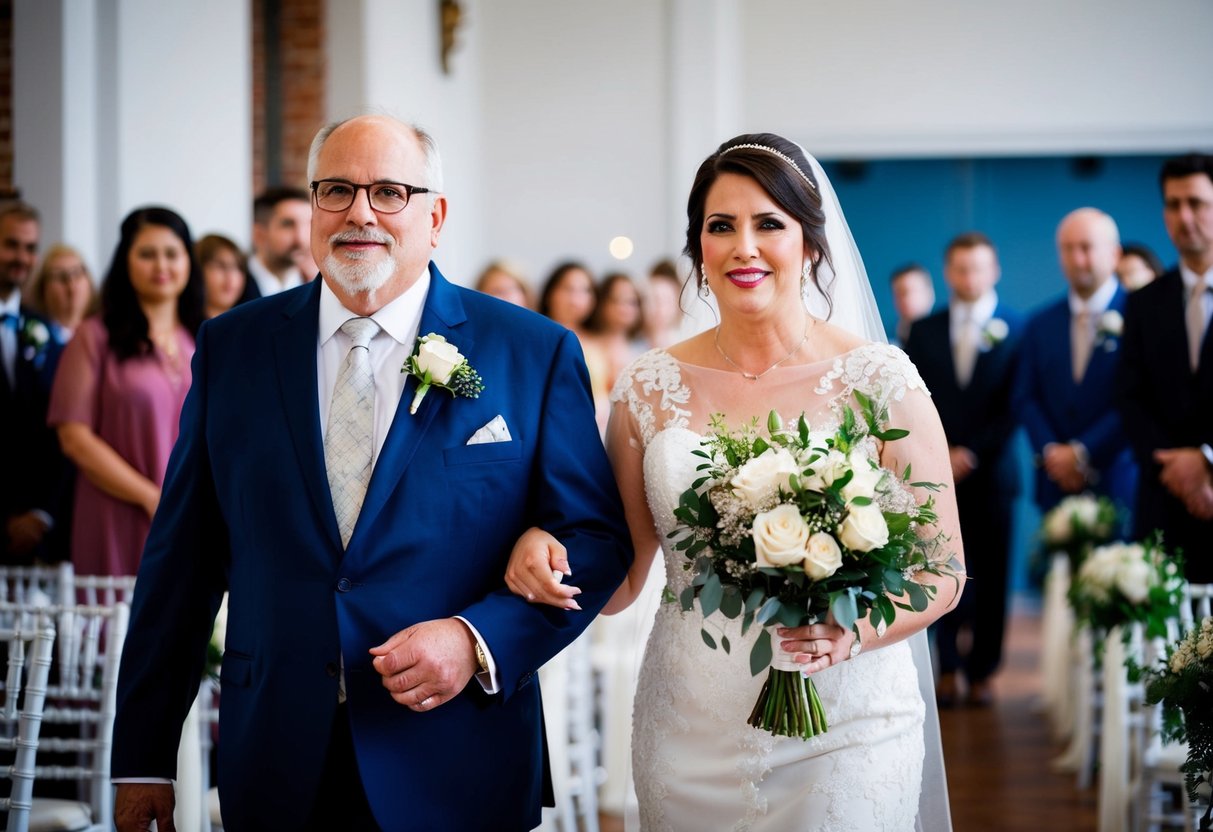
Understanding this tradition can add to the significance of the occasion. It symbolizes the father’s protective role and the connection between the bride and groom as they start their new life together. As you prepare for the wedding day, knowing this detail helps in planning the processional and ensuring everyone is on the same page.
Whether you are the bride’s father or someone supporting a wedding, knowing these customs enhances the experience. The sentiments attached to these traditions are what make the celebration even more meaningful. Embracing the moment can enrich the memories created on this beautiful day.
The Role of the Father of the Bride
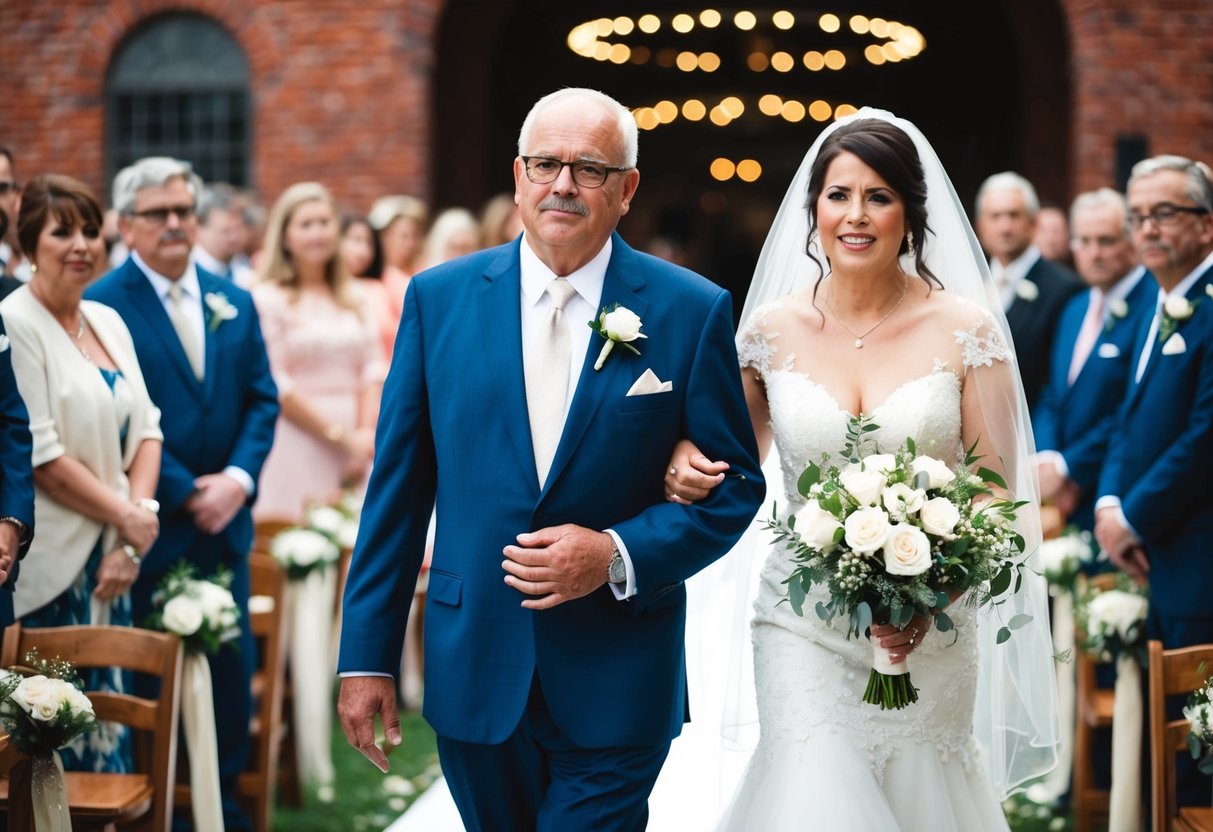
The father of the bride has a special role in wedding ceremonies. His involvement includes walking down the aisle, providing emotional support, and sharing meaningful moments during the celebration. Each part of this role highlights the relationship between father and daughter.
Walking Down the Aisle
Traditionally, you may find your father walking you down the aisle on your wedding day. This act symbolizes the giving away of the bride. It reflects the bond you share and marks a significant transition in your life.
In many customs, the father walks on the left side, while the mother may sit on the right. This placement adds a layer of tradition, rooted in cultural practices that signify family unity.
Symbolic Significance and Support
The father’s role extends beyond just walking you down the aisle. He offers vital support and reassurance during the ceremony. This support can help calm nerves and create a comforting presence as you approach the altar.
Additionally, this moment represents the love and respect your father has for you as you enter a new chapter in life. It’s a final gesture of protection before you begin your journey with your partner.
Father-Daughter Dance and Speech
The father-daughter dance is another cherished moment. This dance gives you both a chance to reflect on your relationship and share a special memory. It often stirs up emotional moments, making it one of the highlights of the wedding reception.
Moreover, many fathers choose to give a speech during the reception. A thoughtful speech can express his love, share fond memories, and even offer advice. It’s an opportunity for him to publicly celebrate your journey and the new chapter you’re embarking on with your partner.
Wedding Procession and Seating Arrangements
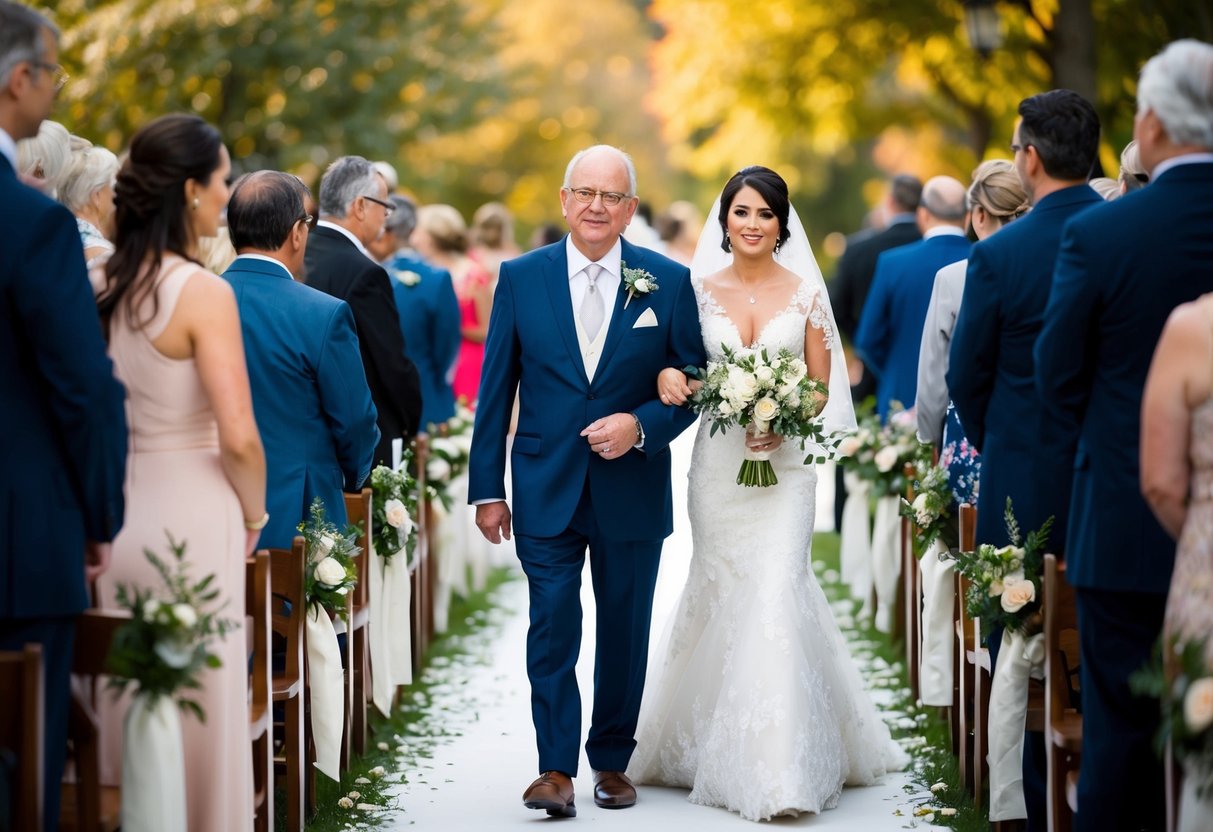
The wedding procession and seating arrangements are key parts of a ceremony. Understanding how these elements work can help create a smooth and memorable experience for everyone involved.
Order of the Wedding Processional
During the wedding processional, everyone has a specific role. The ceremony typically begins with the officiant at the front. Next, the groom enters, often walking down the aisle alongside his parents, with his mother on the right side and his father on the left.
Following the groom, the bridal party enters. The bridesmaids usually walk in pairs and might be followed by the flower girl and ring bearer. The father of the bride then walks his daughter down the aisle, traditionally on his left side. This order can vary based on personal preferences and family dynamics.
Seating Traditions and Modern Choices
Seating arrangements are important for both tradition and comfort during the ceremony. Typically, the bride’s family and friends sit on the left side of the aisle, while the groom’s family sits on the right.
Many couples also choose to make their seating arrangements more inclusive. You might decide to have guests sit wherever they feel most comfortable or mix family members to reflect your unique relationships. Remember, this is your special day, so feel free to customize these traditions as you see fit!
Cultural Traditions and Personal Preferences
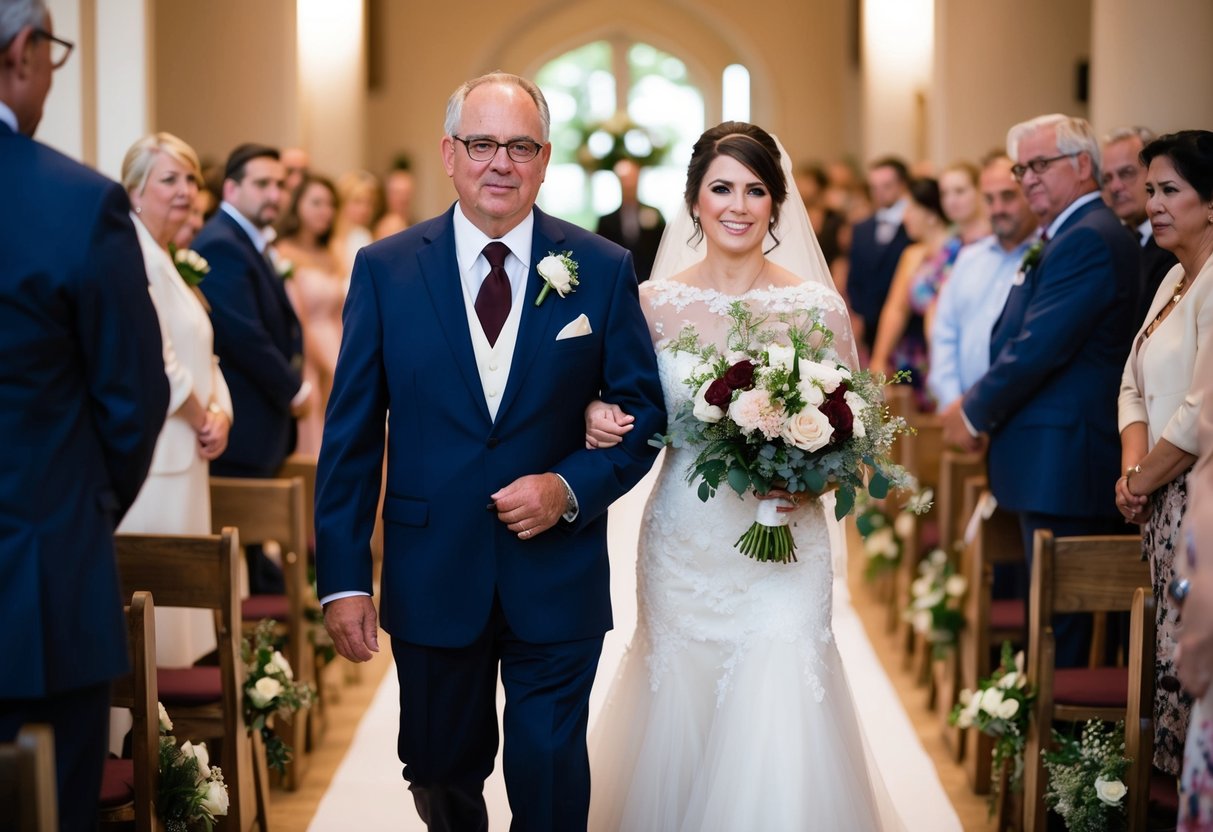
Choosing which side the bride’s father walks down the aisle can reflect both cultural traditions and personal choices. Many couples consider their family backgrounds and individual values when making this decision.
Christian and Jewish Wedding Customs
In Christian weddings, it is common for the father of the bride to walk her down the aisle on the left side. This tradition symbolizes giving her away to her future spouse, representing love and support.
Jewish wedding customs also have rituals where the father plays a vital role. He may walk the bride down the aisle, typically on his right side. This act emphasizes the connection between the bride and her family.
Both traditions highlight the importance of family involvement during the ceremony. The choice of which side to walk on often stems from these cultural practices.
Adapting Traditions in Modern Weddings
In modern weddings, many couples adapt traditional practices to fit their personal preferences. You might choose to have the father walk on either side depending on what feels best for you and your family.
Some brides opt to walk alone or with someone else who holds special meaning in their life. This can reflect a desire for independence or a unique statement about love and support.
It’s essential to consider what resonates with you. Whether you stick to customs or make your own rules, the choice should reflect your beliefs about family and commitment.