
Who Are the 6 Officiating Officials? Understanding Their Roles in the Game
If you’ve ever watched a football game, you know that the officiating crew plays a crucial role in keeping the game fair and flowing smoothly. The six officials you will find on the field typically include the referee, umpire, line judge, field judge, side judge, and back judge. Each of these positions has specific duties that help ensure the rules are followed and the game is enjoyable for everyone.
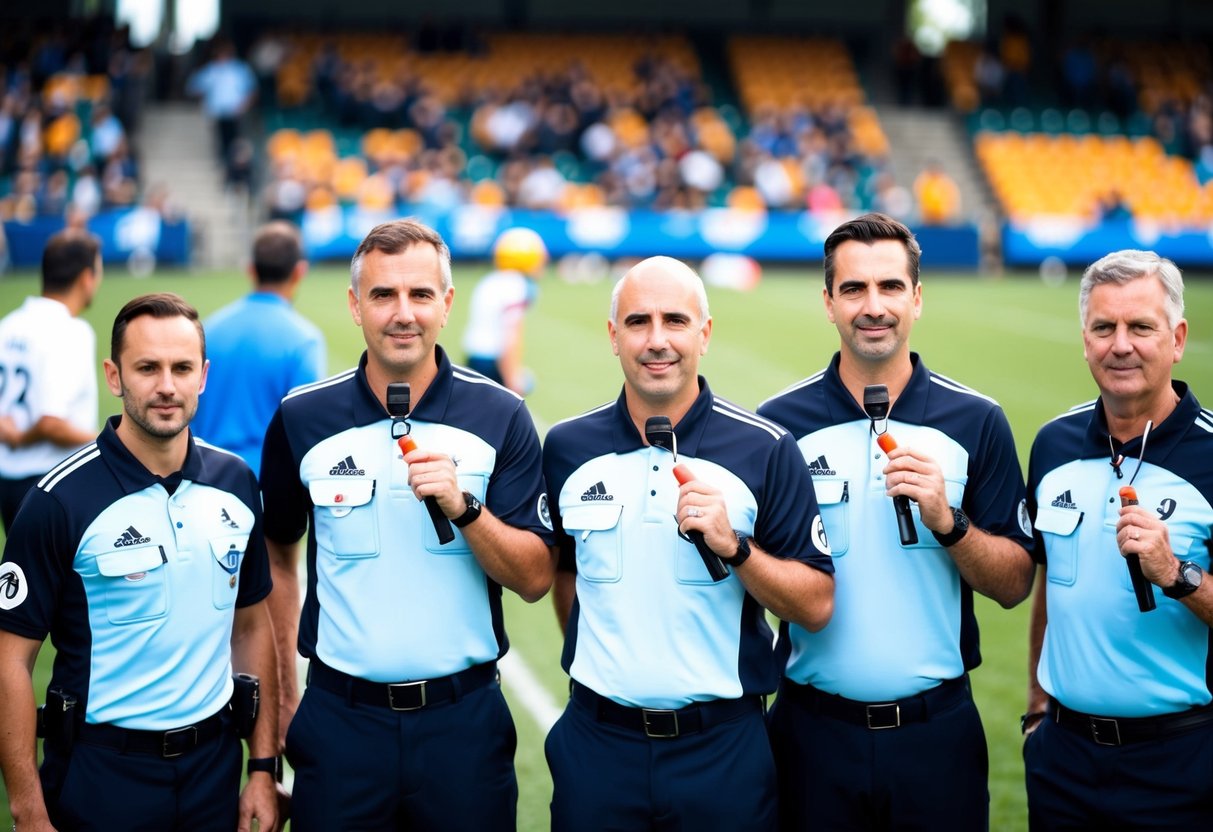
The referee is the leader of the crew and makes final decisions on penalties. The umpire works closely with the referee and focuses on player safety and game integrity.
Meanwhile, the line judge monitors the sidelines and ensures that teams respect the rules during plays. The field judge, side judge, and back judge each have unique responsibilities that keep the action in check, allowing you to enjoy the game without disruption.
Whether you’re a die-hard fan or a casual viewer, understanding who these officials are can enhance your appreciation of the game. Knowing what each official does helps you see how they work together to make important calls and keep the game fair.
Roles and Responsibilities of Officiating Officials
Each of the six officiating officials plays a unique and important role in a football game. Together, they ensure that the game runs smoothly and fairly by enforcing the rules. Here’s a closer look at their specific duties.
Referee and Crew Chief
The referee, also known as the crew chief, leads the officiating crew. You can spot them wearing a white cap on the field. Their main job is to oversee the game and ensure everything runs smoothly.
They are responsible for communicating all fouls to players and coaches. This includes calling penalties like pass interference or offsides.
The referee also verifies all first downs, and manages the time on the field. Additionally, the referee works with the other officials to discuss any contentious calls. This teamwork helps maintain fairness and keeps the game on track.
Umpire
The umpire works closely with the referee, often positioned behind the defensive line. Their role primarily involves monitoring player behavior and ensuring that all plays are legal.
You are likely to see the umpire checking for penalties like encroachment or illegal formations. They also observe player substitutions and keep an eye on the game clock.
Another key responsibility of the umpire is to spot the ball after a play. This helps in marking where the next play will start, which is crucial for maintaining pace during the game.
Down Judge and Line Judge
The down judge and line judge share responsibilities for the line of scrimmage. You can find them watching the offensive team and the defensive side closely to monitor player movements.
The down judge is mainly responsible for counting the offense. They ensure that there are the correct number of players on the field. If a player is out of position, it can lead to penalties.
The line judge also plays a role in identifying fouls and managing the game clock. They watch for illegal motions and ensure that plays start without confusion. These officials help maintain clarity, making it easier for everyone involved in the game.
Field Judge, Side Judge, and Back Judge
The field judge, side judge, and back judge ensure that gameplay is conducted fairly while covering the entire field. You will find them positioned at strategic points to observe all player actions.
The field judge primarily focuses on the secondary and the end zone. They monitor for pass interference and keep track of the score.
The back judge stands deep in the defensive backfield, watching clock management and help with spotting fouls. The side judge, meanwhile, maintains focus on player formations and the sidelines. They are crucial for watching player positions and ensuring that no one encroaches before the ball is snapped. Together, these officials help create a safe environment for players while helping enforce the rules.
Common Penalties and Game Incidents
In football, penalties play a significant role in shaping the game’s outcome. Understanding these common penalties can help you appreciate how they affect scoring and game strategy. Below are some crucial penalties you may encounter during a game.
False Start and Delay of Game
A false start occurs when an offensive player moves abruptly before the snap. This action disrupts the play and results in a five-yard penalty. It’s essential for players to remain still until the ball is snapped to avoid this penalty.
Delay of game happens when the offense fails to snap the ball before the play clock runs out. This also results in a five-yard penalty. Both penalties can stall drives and change momentum, impacting scoring chances significantly.
Roughing the Passer
Roughing the passer is called when a defender makes illegal contact with the quarterback after he has thrown the ball. This penalty can be costly, resulting in a 15-yard advance for the offense.
Protecting quarterbacks is crucial, as they are key playmakers. These penalties not only provide the offense with better field position but can also boost their confidence as they move toward scoring.
Pass Interference and Offsides
Pass interference occurs when a player prevents an opponent from catching a pass. This can happen on either offense or defense and usually results in a penalty that grants the offense significant yardage or a first down.
Offsides is when a defender crosses the line of scrimmage before the snap. This infraction leads to a five-yard penalty and allows the offense a more manageable situation.
Both pass interference and offsides can change the pace and tone of the game, often escalating tensions among players and fans alike.
Game Management and Operations
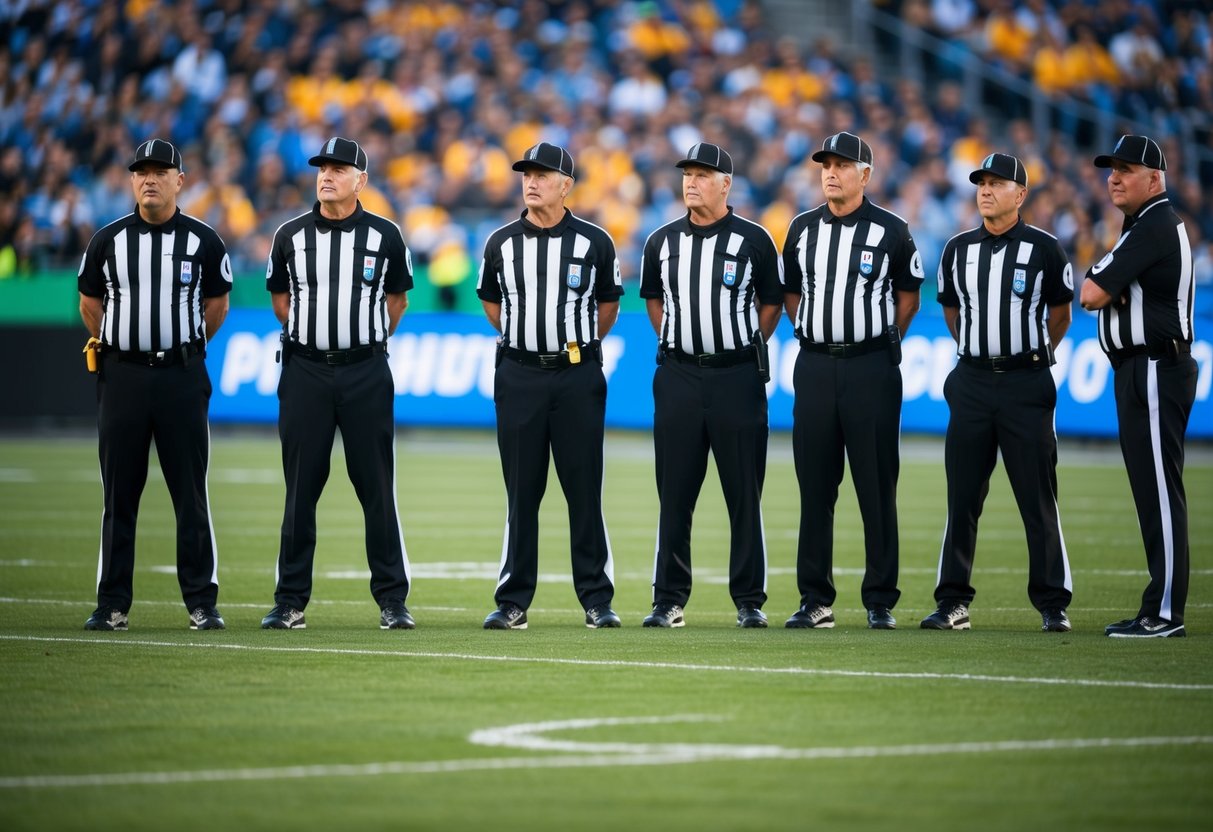
In any football game, effective management and operations are crucial for maintaining flow and fairness. Key processes include timekeeping practices and handling replay reviews, which help ensure that the game is run smoothly and that correct decisions are made.
Timekeeping and Timeouts
Timekeeping is primarily the responsibility of the head referee and the designated timekeeper. The game clock runs during plays and stops for timeouts, incomplete passes, or injury assessments.
You will notice that each team is allowed a limited number of timeouts per half, usually three. Proper management of these timeouts can be crucial during critical game moments.
If the game clock malfunctions, backup systems are in place, and the side judge steps in to ensure accurate timekeeping. Understanding these procedures helps you appreciate the importance of timing in each game situation.
Replay Reviews and Challenges
Replay reviews are key to ensuring fairness in the game. Teams can challenge certain calls made by officials, which allows for reviewing plays under specific conditions.
The head referee works closely with the replay official to determine if a play warrants further examination. The process involves the use of video technology to assess plays like touchdowns, turnovers, or out-of-bounds calls.
If a challenge is successful, the team retains its timeout, but an unsuccessful challenge results in the loss of a timeout. This collaboration between officials enhances game integrity and helps make informed decisions that impact playoff games and overall team success.
Officials in Different Leagues

Football officiating varies across different leagues, each with specific roles and responsibilities. Understanding the structure in the NFL compared to college and high school levels gives you a good sense of how the game is managed.
NFL Officials
In the NFL, there are typically seven officials on the field. Each has specific duties, which helps ensure fair play. The key positions include the referee, the umpire, and the line judges.
For example, the referee is the head official, often identified by their white hat, and has the final say on calls. Some well-known NFL referees include Clete Blakeman, Shawn Hochuli, and Ron Torbert.
They work together to make important decisions that can affect game outcomes. Their teamwork is crucial for maintaining the game’s flow and ensuring that rules are followed. These officials are trained to handle high-pressure situations while making quick, fair judgments.
College and High School Football Officials
College football officiating typically involves seven officials as well, similar to the NFL. However, the specific roles may differ slightly. Each official works as a team to keep the game moving smoothly.
In high school football, the number of officials can drop to five or even three, depending on the level of play. This is often seen in youth leagues. The positions include the referee, umpire, and line judges, although sometimes a back judge is not present.
Referees like Brad Allen and Alex Kemp are notable figures in college officiating. They help establish standards for younger officials. Understanding these differences will give you insight into how football is officiated at various levels.