
Who Brings the Mother of the Bride Down the Aisle? Understanding This Special Role
The moment the mother of the bride walks down the aisle is filled with emotion and significance. Traditionally, she often walks down the aisle with a close male relative, like the father of the groom or a groomsman. This moment can symbolize support and love as she prepares to give her daughter away, adding a heartfelt touch to the wedding ceremony.
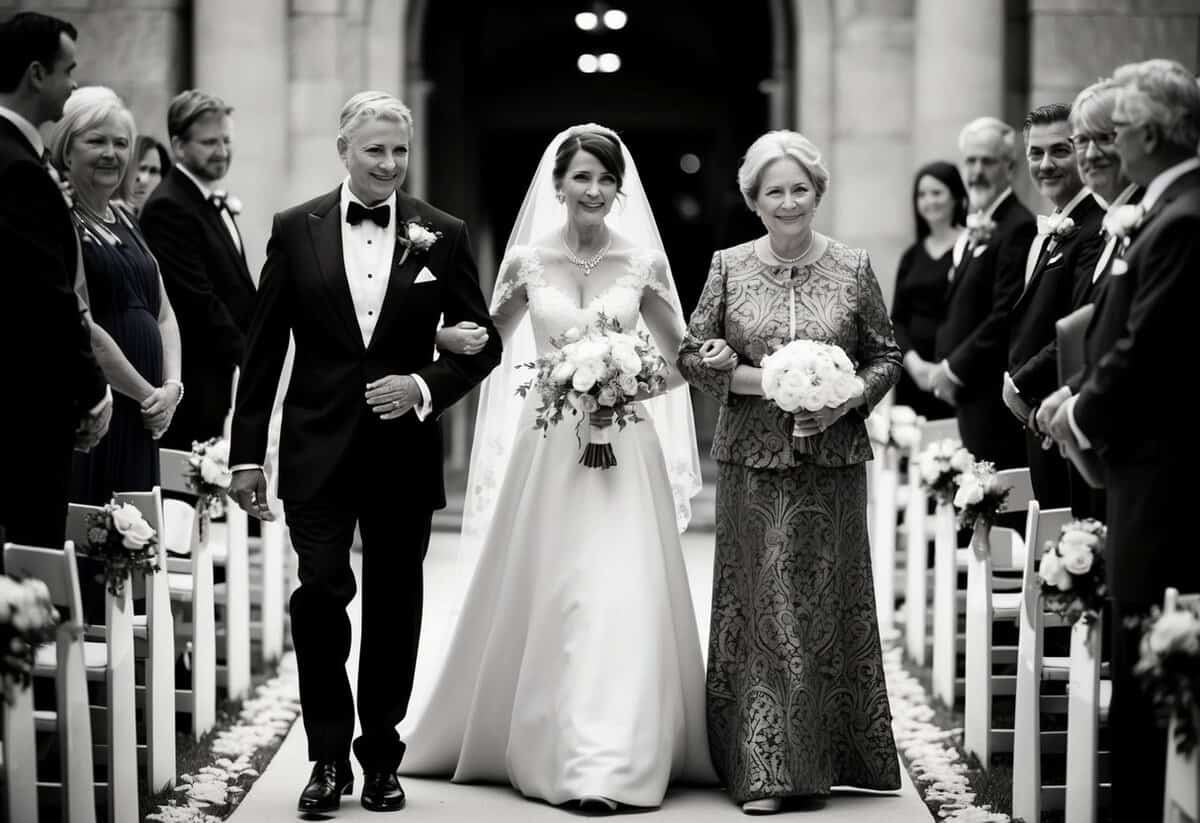
You might wonder if the mother of the bride can walk alone or choose someone else to accompany her. The truth is, many modern couples personalize their weddings, and the mother’s entrance can be tailored to fit your family’s unique dynamics. Whether she walks solo, with her partner, or with a family member, it’s all about what feels right for you and your family.
As you plan this special day, think about how you want this moment to unfold. Discussing these details with your mother can help create a memorable experience that honors your relationship and sets a beautiful tone for the celebration ahead.
The Role of the Mother of the Bride
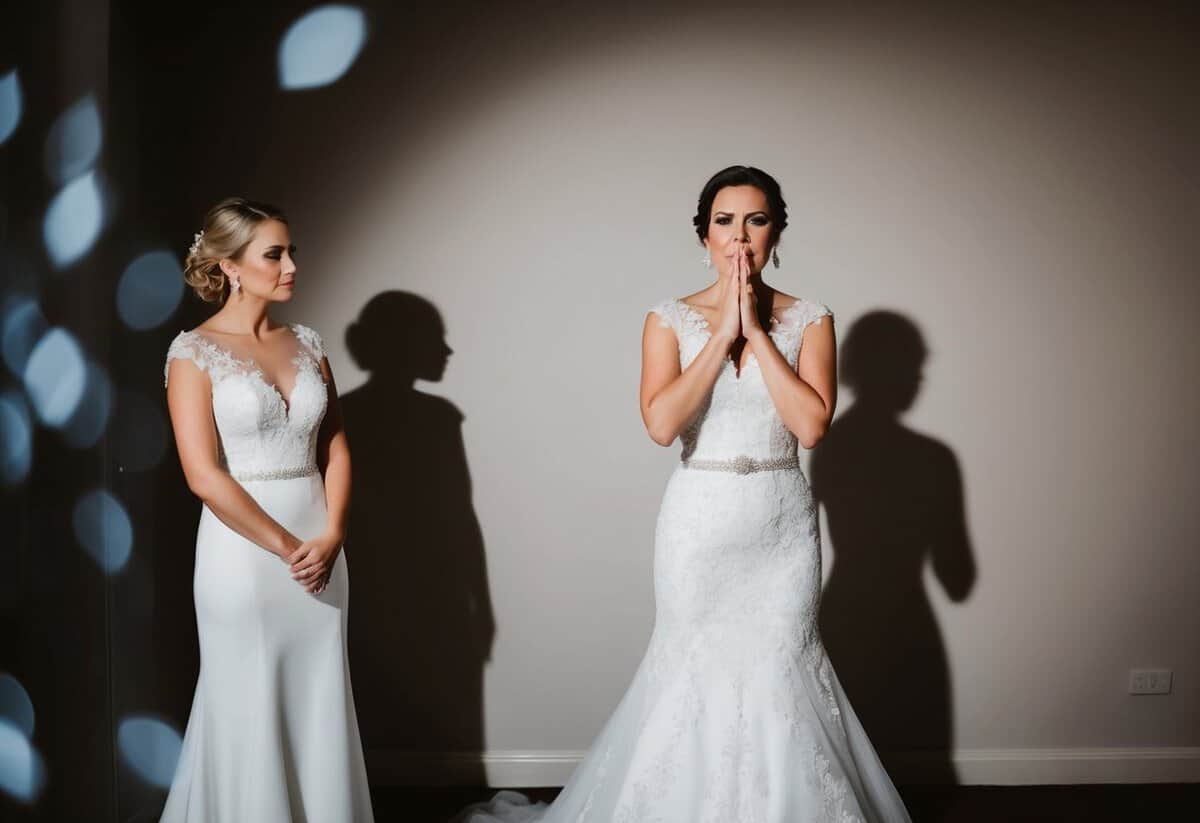
The mother of the bride plays a significant role in the wedding process. From helping with planning to being a key player on the big day, her involvement helps set a positive tone for the event.
Duties Before the Ceremony
In the lead-up to the wedding, you have many responsibilities. Much of your role involves supporting the bride and helping with wedding planning.
You might assist in choosing the venue, making guest lists, or even picking out floral arrangements. Your experience can guide decisions that match the couple’s vision.
You will also help organize pre-wedding events, such as the bridal shower. It’s a chance to celebrate and connect with family and friends.
Effective communication with the bride is crucial. Understanding her wants and needs ensures that you both are on the same page. With a shared vision, the planning process will feel more enjoyable and less stressful.
Spotlight During the Wedding
When the wedding day arrives, your role is equally important. You often walk down the aisle before the bride, symbolizing your love and support. This moment is special, so consider who will accompany you, perhaps a close male relative.
During the ceremony, your presence is a promise of support for your daughter. You might also be involved in traditional moments, like giving a speech or toast at the reception. Being emotionally there for her will make a big difference.
As the mother of the bride, you help foster a joyful family atmosphere. Your warmth and love set the tone for everyone celebrating. Your role is not just about tasks; it’s about creating lasting memories.
Traditional and Modern Processional Orders
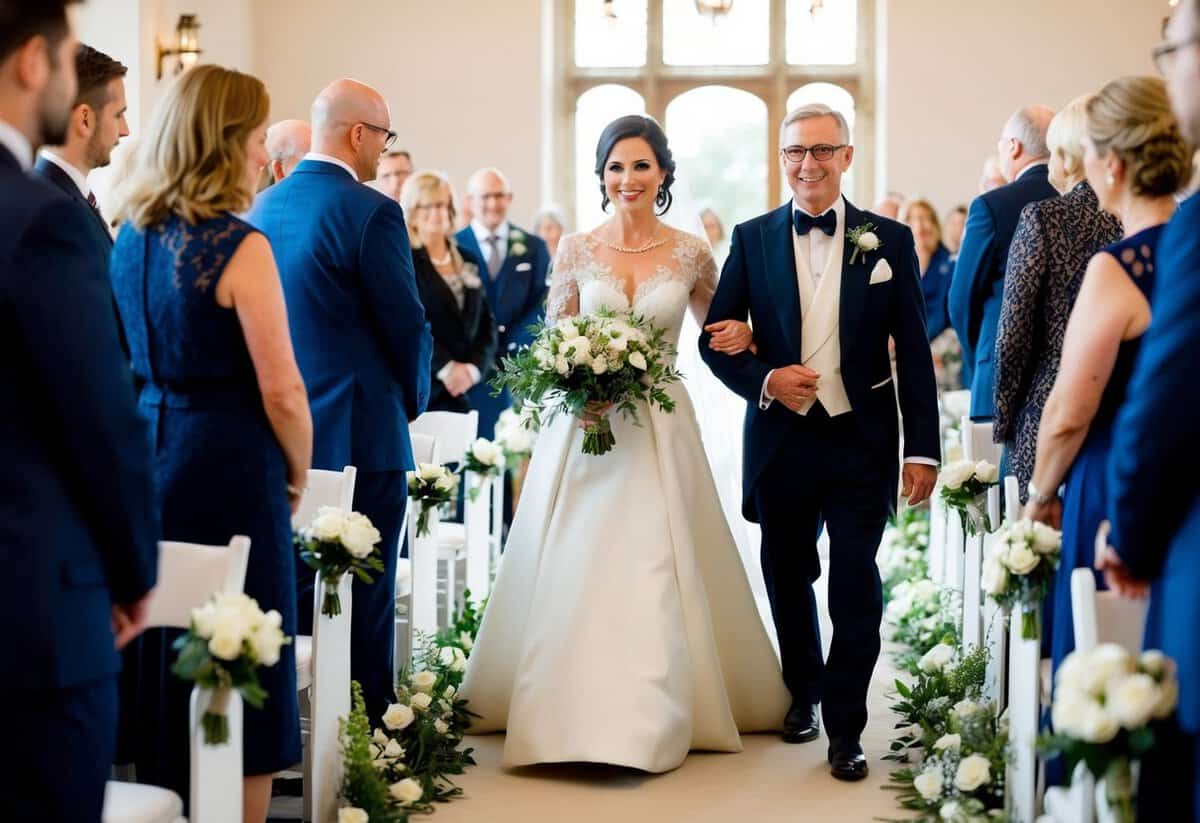
Understanding the various processional orders can help you plan your wedding day effectively. Each tradition has its own custom that shapes how the ceremony begins, especially regarding who brings the mother of the bride down the aisle.
Christian Ceremony Expectations
In many Christian weddings, the processional order is quite traditional. Typically, the mother of the bride is escorted down the aisle by a close family member or friend. This is a special moment, as it signifies the start of the ceremony.
The order often consists of the following:
- Grandparents of the bride and groom
- Parents of the groom
- Mother of the bride (usually escorted)
- Groom and Best Man
- Bridesmaids and Maid of Honor
- Flower Girl and Ring Bearer
- Bride (last to enter)
The mother’s placement is usually on the left side of the front row, highlighting her importance in the ceremony.
Jewish Wedding Customs
Jewish weddings feature their own unique processional traditions. The mother of the bride may have a different experience compared to Christian customs.
In a typical Jewish wedding, the mother of the bride is often escorted down the aisle right before the bride. The order may include:
- Rabbi or Cantor
- Grandparents
- Mother of the Bride
- Father of the Bride
- Bride and Groom
This order emphasizes family involvement. It’s common for family members to escort each other down the aisle, making it a heartfelt tradition.
Hindu Marriage Rites
Hindu weddings are vibrant and often involve elaborate ceremonies, with a different processional setup. The mother of the bride plays a vital role as she is frequently accompanied by family during the procession.
The typical order includes:
- Parents of the Groom
- Parents of the Bride
- Siblings
- Flower Girls
- Groom (arriving later)
- Bride (with her mother or family members)
In this tradition, family presence is crucial, symbolizing unity and celebration.
Adapting Traditions in Modern Weddings
Modern weddings often blend traditions with personal touches, creating unique processional orders. You might decide how to customize your own wedding procession based on your preferences and values.
It’s common to see a mix of traditional and modern elements. For example, you can have:
- Both Parents escorting the mother of the bride.
- Friends or Siblings as part of the processional.
- Personal Music Choices that reflect you as a couple.
Feel free to include anyone meaningful to you, which creates a personalized experience on your special day.
Who Escorts the Mother of the Bride
Deciding who escorts the mother of the bride can be a meaningful choice. It often reflects family dynamics and personal preferences, making the moment special for everyone involved.
Escorting Options and Who to Choose
The traditional choice is a close male relative, such as a son, brother, or even an uncle. This gesture honors the mother and acknowledges her important role in the wedding.
You might also consider a groomsman if there are no close male relatives available. Some couples choose to have the father of the bride escort the mother when he is present, which adds a unique touch.
Independence is a factor, too. If the mother prefers to walk alone or with a close friend for support, that option is valid. It’s essential to choose someone who makes her feel comfortable and valued in this key moment.
Modern Interpretations of Walking Down the Aisle
Many couples today want to break from tradition and consider modern interpretations. More options are available than ever before.
For instance, the mother of the bride might be accompanied by both parents, which symbolizes family unity. Alternatively, she could walk down the aisle with her stepfather or another loved one.
Your choice should reflect your family values and what feels right for everyone. Discussing this with the mother beforehand can help ensure her wishes are honored. Remember, the key is to create a memorable moment that everyone cherishes.
Creating a Memorable Ceremony
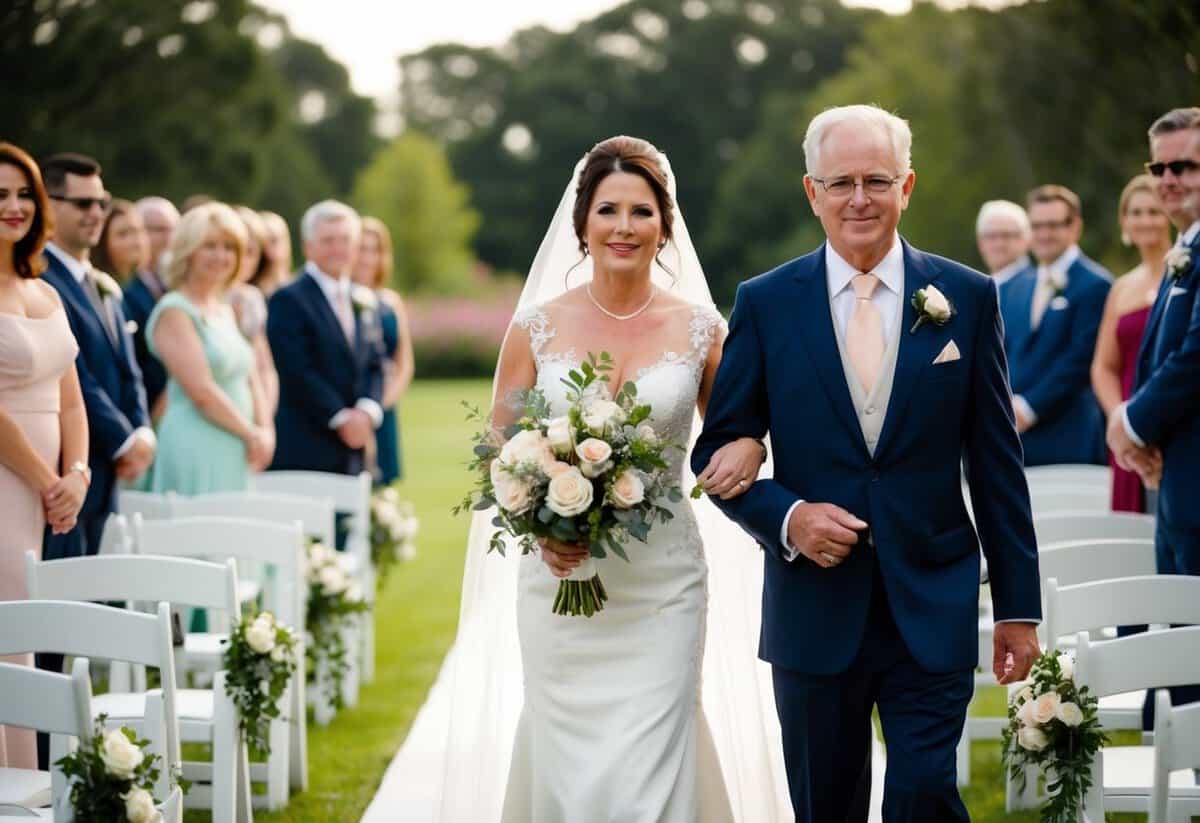
A wedding ceremony is a special occasion full of love and unity. It’s important to pay attention to the details, making sure each moment feels personal and memorable for everyone involved. The ceremony’s structure and roles during the procession can enhance the overall experience.
Sequence of Events
The order of procession sets the tone for your wedding. Typically, this begins with the groomsmen and bridesmaids entering, followed by the mother of the bride.
- Bride’s Entrance: This is often the most anticipated moment, where you can choose to walk alone or with family members.
- Musical Choices: Selecting meaningful songs can add depth to each part of the ceremony.
Each moment should feel intentional, leading to the bride’s entrance, which should evoke tears of joy and happiness.
Special Roles within the Procession
Choosing who walks with the mother of the bride is significant. Typically, she might be escorted by a close male relative, like a son. Alternatively, you can involve other family members, creating a personal touch.
- Groomsman Option: Some brides choose a groomsman to escort the mother, creating a connection between both families.
- Unique Arrangements: Consider including a beloved family friend or even the bride’s father.
This diverse mix adds to the meaningful moments within the ceremony and helps illustrate love and support among relatives.
Final Steps to the Altar
The final moments before you exchange vows are crucial. As the mother of the bride approaches the altar, think carefully about what happens next.
- Emotional Moments: These steps can be filled with tears of joy and smiles, enhancing the experience for everyone present.
- Recessional Planning: After the vows, plan a light-hearted recessional. This sets the tone for a festive start to the celebration.
Make these final steps count. These experiences are the ones you’ll reminisce about for years to come.