
Who Brings the Mother of the Bride Down? Exploring the Special Role in Wedding Processions
Choosing who brings the mother of the bride down the aisle is an important part of the wedding ceremony. Typically, the mother of the bride walks down the aisle with a close male relative, such as her husband or a son. However, she can also choose to walk alone if that feels right for her. This moment can be very special, representing her support for the couple on their big day.
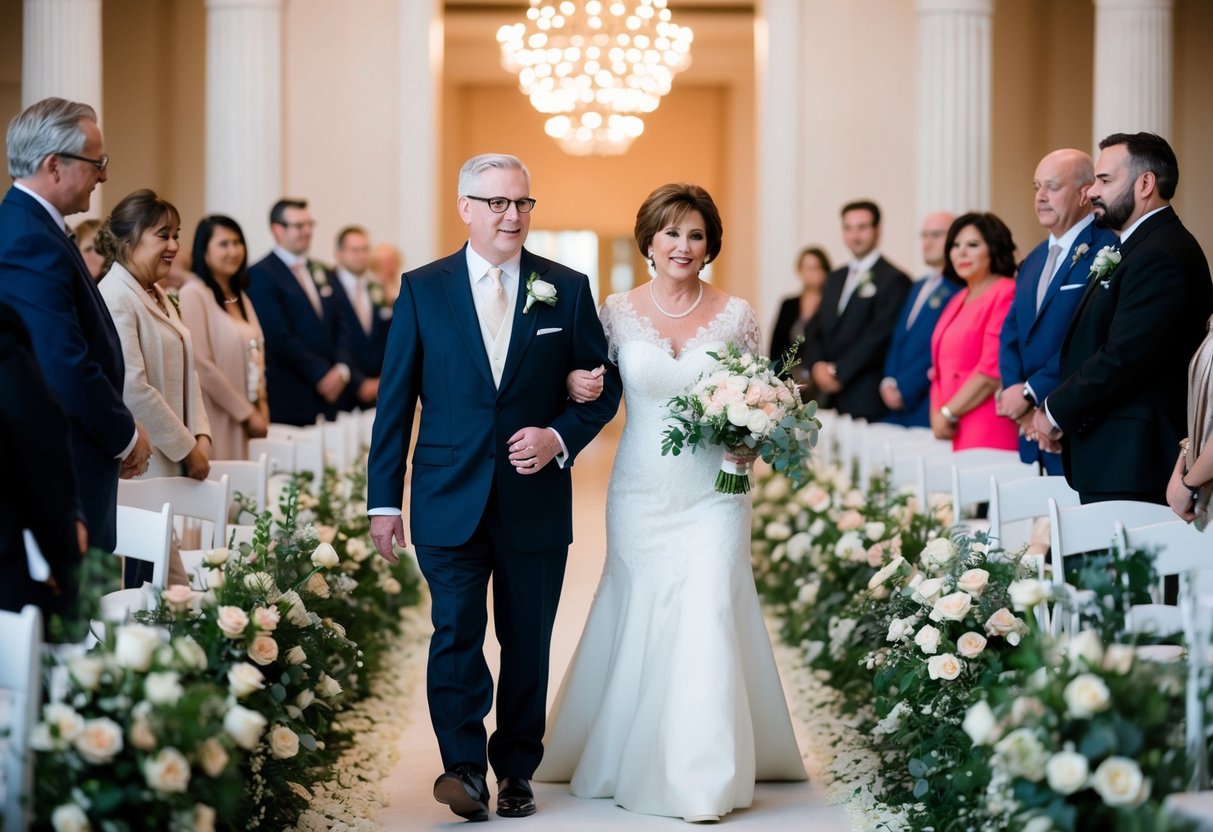
In many traditions, having someone escort the mother of the bride symbolizes her important role in the wedding. It can be a touching tribute to her relationship with her child. Whether it’s a family member, a close friend, or even the father of the groom, each option comes with its own significance and meaning.
As you plan your wedding, think about how you want to honor the mother of the bride during the ceremony. The choice has a special impact not only on her but also on the overall atmosphere of your celebration.
Roles and Responsibilities in the Processional Order
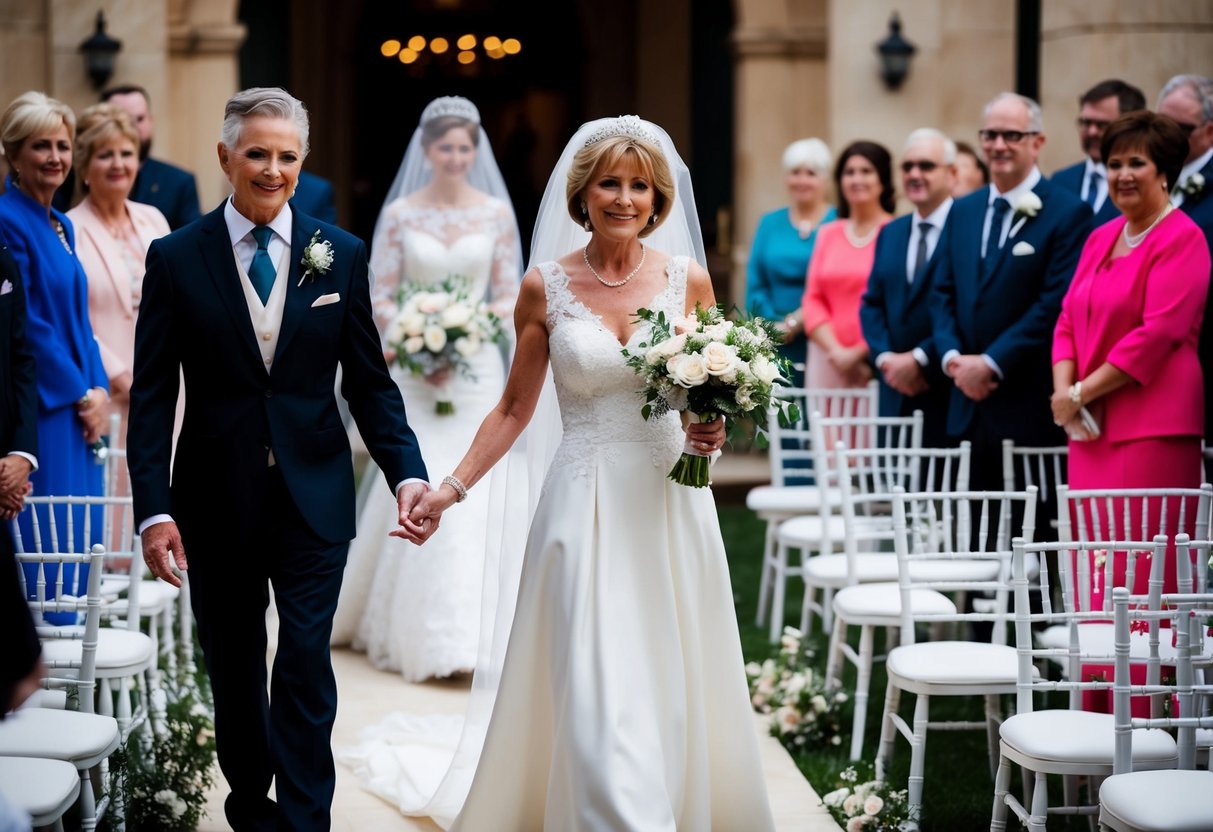
Knowing who walks down the aisle and their roles can help you plan a smooth processional. Each person in the wedding party plays a part in making the ceremony special. Here’s a closer look at the order of the wedding processional and the specific role of the mother of the bride.
Order of the Wedding Processional
The wedding processional typically follows a specific order. It begins with the parents of the groom, who often walk down the aisle first. They are followed by the groomsmen and bridesmaids walking in pairs. Generally, the bridesmaids are on the left and the groomsmen are on the right.
Next comes the flower girl, who adds cuteness, and the ring bearer, who carries the rings. After them, the mother of the bride walks down, often alone or escorted by a family member. Finally, the bride makes her grand entrance, usually last, to signal the start of the ceremony.
Role of the Mother of the Bride
The mother of the bride holds a special place in the processional. She often has the honor of walking down the aisle after the wedding party. This moment is significant as it showcases her support for her daughter on this important day.
Traditionally, she may be escorted by a close family member or walk solo. In some ceremonies, she sits in the front row on the left, so guests can see her pride throughout the event. Her presence symbolizes love and guidance, making her role vital in your wedding’s emotional journey.
Who Escorts the Mother of the Bride
Choosing who escorts the mother of the bride down the aisle is a meaningful decision. It can reflect family ties, traditions, and the unique dynamics of your wedding. Here are some traditional and modern options for this memorable moment.
Traditional Choices for Escorts
Traditionally, the mother of the bride is escorted by a close male relative. This could be her son, a brother, or even the father of the bride if he is present.
- Son: Walking down the aisle with her son can create a touching moment filled with pride and emotion.
- Brother: A brother also symbolizes support and family connection, making it a special choice.
This gesture highlights the mother’s important role in the bride’s life. It provides a sense of recognition and honor, making it a memorable experience for both.
Modern Takes on Wedding Traditions
In modern weddings, you have more flexibility in deciding who walks the mother of the bride down the aisle. It is perfectly fine for the mother to walk by herself or even have the bride escort her.
If the father of the bride is not there, a grandfather, uncle, or another close family member can take on this role. This change emphasizes independence and strength.
Such personal touches allow for memorable experiences that reflect your family dynamics and values. The choice is ultimately yours, and what matters is that it feels right to you.
Cultural Variations and Family Dynamics
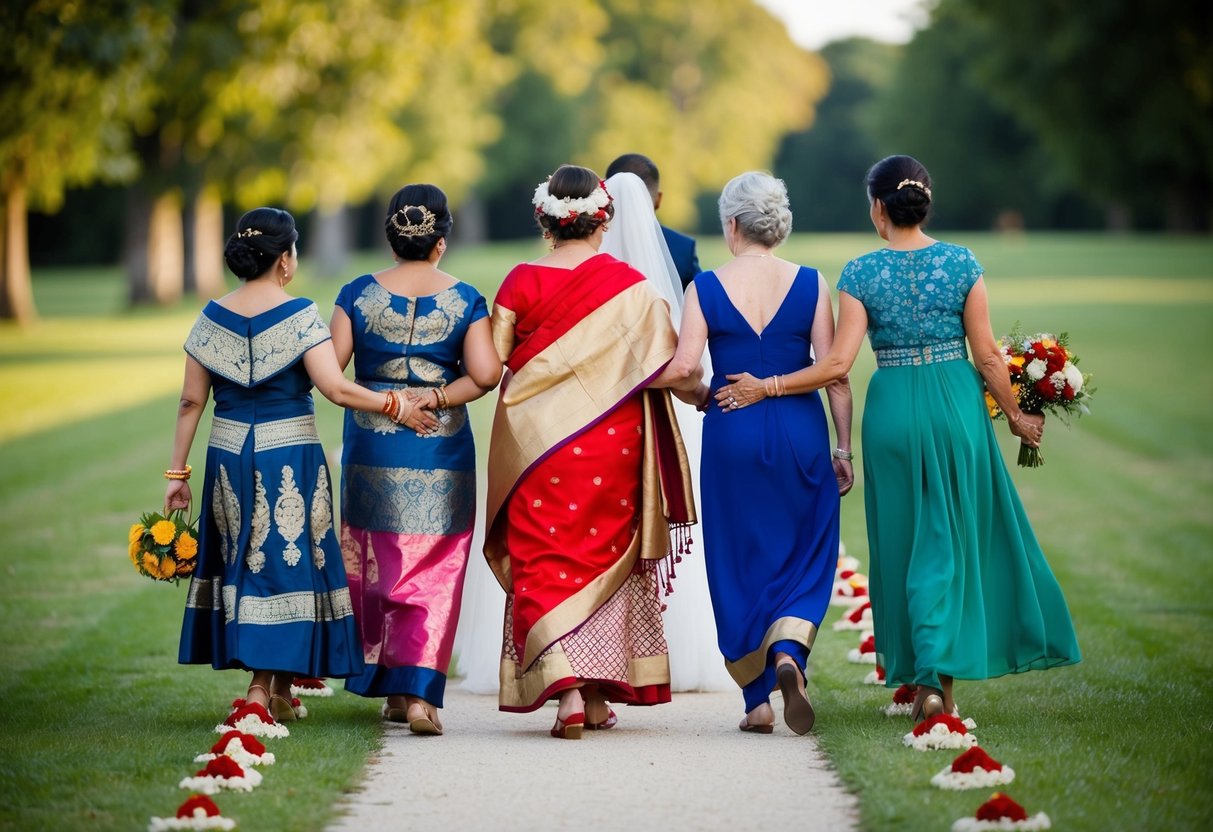
When considering who brings the mother of the bride down the aisle, cultural traditions and family dynamics play important roles. Each culture and family may have unique customs that can influence this significant moment.
Christian Wedding Traditions
In many Christian weddings, it is traditional for the mother of the bride to be escorted down the aisle by a close male family member. Usually, this is her husband, but in cases of divorce or remarriage, other relatives may step in. The father of the bride often walks her down the aisle as an important aspect of the ceremony.
In some modern Christian weddings, couples may choose to personalize this moment. Brides might decide to walk alone or accompany their mother down the aisle. This reflects more contemporary values and family dynamics, allowing for flexibility in how families are represented on this special day.
Jewish Wedding Customs
During traditional Jewish ceremonies, the father of the bride typically walks down the aisle first. After that, he may also escort the mother of the bride. This practice honors both parents and recognizes their roles in the wedding.
The order can vary in modern Jewish celebrations. In some cases, both the mother and father of the bride walk together to show unity. The mother’s escort might also change based on family dynamics, such as remarriage or blended families, which can affect who accompanies her.
Hindu Wedding Processions
In Hindu weddings, the procession is rich with symbolism. Often, the mother of the bride is escorted by her husband or another family member to highlight her importance in the ceremony.
The bride usually walks alongside her parents, creating strong family ties during the procession. This practice may require special considerations if parents are divorced or if there are other dynamics at play. In such instances, the family might adapt the procession accordingly. Embracing these elements is a way to honor both tradition and personal relationships.
Ensuring a Memorable and Meaningful Ceremony
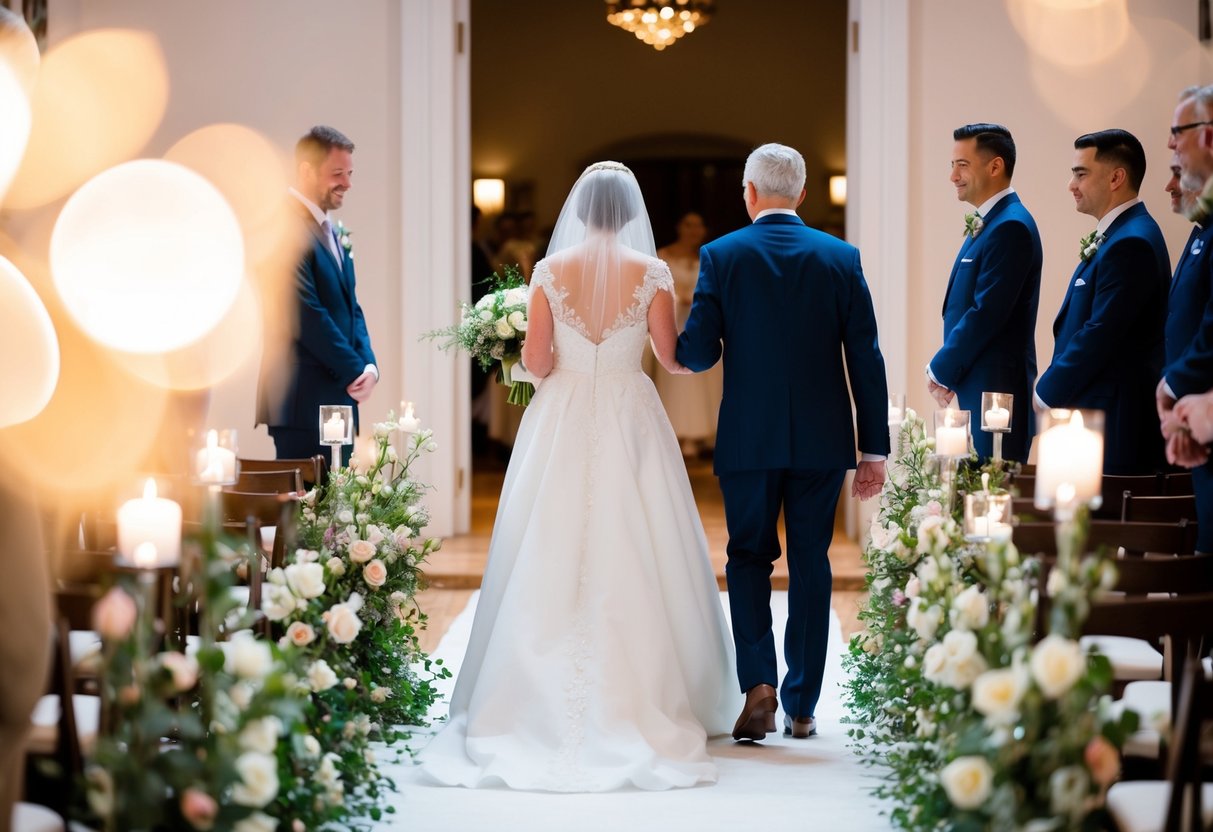
Creating a memorable ceremony means paying attention to the details that matter most to you. It’s about making personal choices that reflect love and unity during the wedding procession. Each moment should resonate emotionally, from who walks down the aisle to the roles of your bridal party.
Adding a Personal Touch to the Procession
Your wedding procession can be filled with personal touches that enhance the experience. You might choose a close family member, like a brother or son, to escort your mother down the aisle.
Consider picking a special song for this moment. Music has a strong emotional impact and can set the tone as you walk down the aisle. Including unique elements, like a favorite reading or gesture, can make this moment even more meaningful for everyone involved.
You could also have the officiant share a short story about your family. This adds an intimate layer to the ceremony by connecting the past to your new beginning. The goal is to create memorable moments for you and your guests.
Significance of Love and Unity
Your wedding is a celebration of love and unity, and this theme can be woven throughout the ceremony.
When your mother walks down the aisle, it symbolizes family support and togetherness. It’s a meaningful moment that highlights the bond between families.
Including the best man and maid of honor in the procession reinforces the support from your closest friends. Their presence reminds everyone of the importance of community and friendship.
Highlighting these relationships during the ceremony creates a powerful display of unity. This brings everyone together, not just for a celebration, but to witness the love you share.
The recessional can further emphasize this by having all wedding party members walk out together, symbolizing the new family you are building together.