
Who Buys a Husband’s Wedding Ring? Exploring the Tradition and Choices
When planning your wedding, you often ask who buys a husband’s wedding ring. Traditionally, the groom buys his own wedding ring, but modern couples often choose to share this responsibility. This shift reflects a broader trend toward mutual commitment and partnership in relationships, where both parties contribute equally to the symbol of their love.
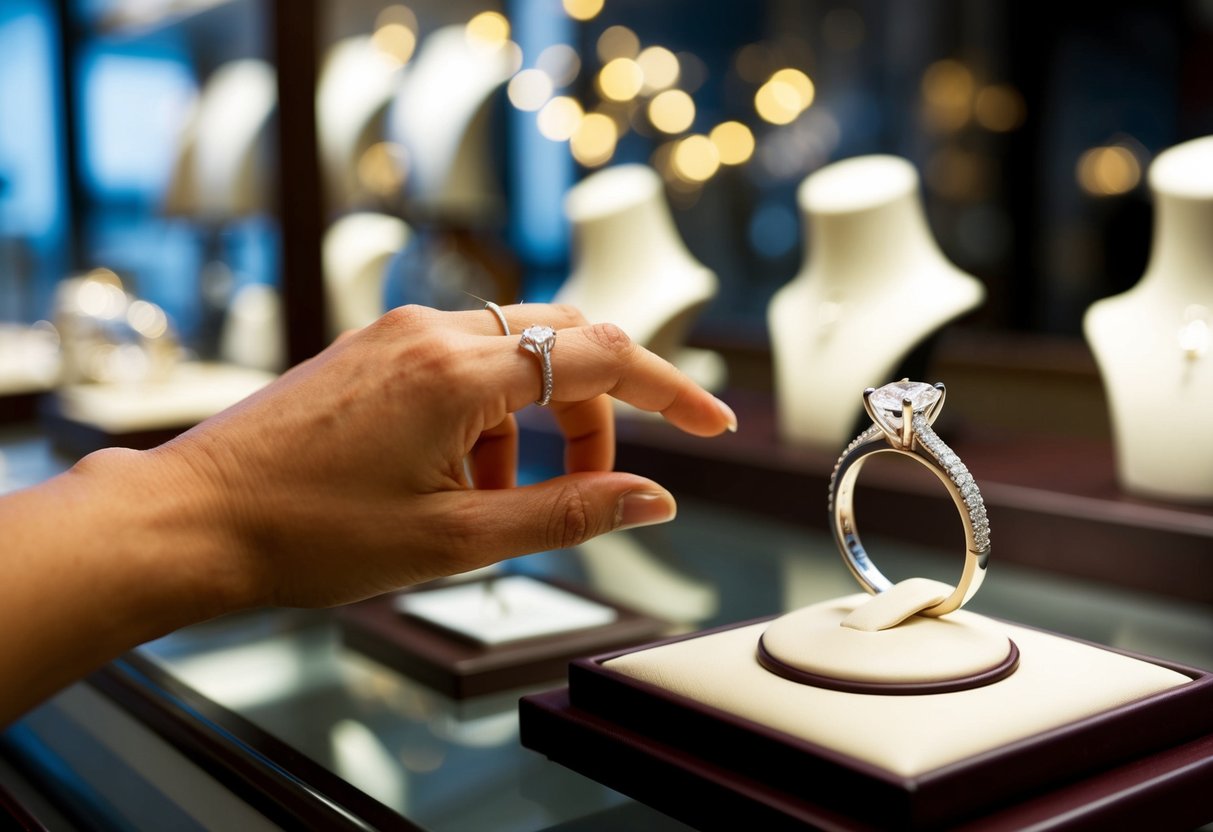
Choosing a wedding band can be a special experience, as it symbolizes your bond and promises for the future. Many couples now enjoy selecting rings together, allowing each person to express their style and preferences. This practice not only strengthens the connection between partners but also adds personal meaning to the wedding bands.
As you navigate this decision, it’s essential to communicate openly with your partner. Finding a ring that feels right for both of you can enhance the joy of your upcoming union while celebrating your commitment to one another.
Understanding Wedding Ring Traditions
Wedding rings hold a special meaning beyond their beauty. They symbolize commitment, love, and the bond shared between partners. Understanding the traditions surrounding who buys the husband’s wedding ring can help you navigate this important decision.
The Symbolism of Wedding Rings
Wedding rings are more than just jewelry; they represent a promise. When you wear a wedding ring, it signifies that you are devoted to your partner.
The circular shape symbolizes eternity. There is no beginning or end, just like your love. The material, often precious metals like gold or platinum, adds to the significance.
The choice to wear a wedding ring also reflects your personal style and what you value in a relationship. Whether simple or ornate, each ring tells a unique story.
Historical Practices and Modern Expectations
Traditionally, the man would wear a wedding ring provided by the bride or both partners, symbolizing their union. This custom developed from past societal norms where men were often seen as providers.
Today, you might find couples choosing to share the cost of their wedding rings, breaking away from these old traditions. Many couples today prefer to pick rings together, ensuring both partners are happy with the choice.
Consider your preferences and values when deciding who will buy the husband’s wedding ring. The process can be a beautiful collaboration, reflecting your shared commitment.
Deciding Who Buys the Groom’s Ring
Choosing who buys the groom’s wedding ring involves personal preferences influenced by changing norms and cultural aspects. Financial responsibilities and lifestyle choices can greatly affect this decision.
Evolving Etiquette and Norms
Traditionally, it was expected that the groom would buy his own wedding ring. However, this norm has shifted over time. Many couples today prefer to share the cost or decide together.
The decision can reflect your lifestyle. If you prioritize equality in your relationship, sharing expenses may suit you. Discuss what feels right for both of you.
Additionally, wedding ring etiquette has adapted to fit modern relationships. No longer tied to specific gender roles, couples can choose what feels best for them. Communication and understanding each other’s preferences are vital in this process.
Cultural Influences on Wedding Ring Purchases
Cultural background plays a significant role in deciding who buys the groom’s wedding ring. In some cultures, it’s customary for the bride’s family to pay for the groom’s ring. In others, the groom might purchase both rings.
Consider your cultural values and how they influence your wedding traditions. Discuss what feels important to you. Aligning your purchase decision with your values can add meaning to the rings you choose.
Your final choice should reflect your unique relationship, combining personal preferences and cultural practices. Embrace the flexibility in deciding who buys the wedding rings for both partners.
Factors Influencing the Choice of Rings
Choosing a wedding ring for your partner involves several important factors. These include personal style, the materials used, and ensuring the ring is comfortable to wear. Each detail matters, and understanding these influences can help you make the best choice.
Personal Preferences in Ring Design
When it comes to ring design, personal style plays a huge role. Your partner might prefer a traditional look with classic elements, or they may lean toward modern designs that stand out.
Consider their taste in jewelry. Do they wear more gold or silver? For example, choices between yellow gold, white gold, or rose gold can reflect their style.
Engraving the ring can also add a personal touch. It could be initials, a special date, or a meaningful quote. Knowing what will resonate with your partner can help you select a ring they’ll love.
Material Considerations for Durability and Aesthetics
The choice of material affects both the ring’s durability and its visual appeal. Popular options include platinum, which is known for its strength, and gold, which comes in various colors.
Diamonds and gemstones are often centerpieces in wedding rings. You might choose a diamond for its timeless beauty or a colored gemstone for a unique flair.
Think about how the material will hold up over time. If your partner leads an active lifestyle, a durable ring that can withstand daily wear is essential. Researching the pros and cons of each material is a smart approach.
Importance of Ring Size and Comfort
A ring’s size and comfort are vital for a perfect fit. To ensure it feels right, you should select a size that matches your partner’s finger. Sizing can vary, so getting it right before purchase is crucial.
Think about how wide the band is. Wider bands can feel tighter, so selecting the correct size takes this into account.
Comfort-fit options are worth considering too. These are specially designed bands with rounded edges, making them easier to wear over long periods. Making comfort a priority ensures that your partner loves wearing the ring every day.
Budgeting for Wedding Rings
When it comes to wedding rings, understanding how to allocate your funds is crucial. You want to balance your ring choices with the other wedding expenses while considering your financial situation. Here’s how to make that happen.
Allocating Funds Within the Wedding Budget
Start by discussing your total wedding budget. Knowing how much you can spend overall is key to making informed decisions.
You might want to allocate 3% to 5% of your budget to wedding rings. This percentage can help you remain on track without overspending.
Consider factors that affect the cost, such as:
- Metal Type: Gold, silver, or platinum can vary in price.
- Style: Simple vs. intricate designs can lead to different costs.
- Stones: If you’re adding stones, such as diamonds, factor in their quality and size.
Setting aside a specific amount helps you choose the perfect rings without financial stress later.
Navigating Financial Considerations Together
Finances can be sensitive, so you need to communicate openly.
Both you and your partner should talk about your financial situations.
Consider your combined financial obligations, such as:
- Existing debt
- Savings goals
- Monthly expenses
Deciding how much to spend on rings depends on what fits your budget.
You can also explore options like financing or setting up a savings plan for your desired rings.
Many couples prefer to share the costs, making it a joint decision. This approach ensures both partners feel comfortable and satisfied with the choice.
Discussing your finances together helps you build a strong foundation for your future.