
Who Buys the Brides’ Dress? Exploring Traditions and Modern Trends
When planning your wedding, one of the big questions is about who pays for the bride’s dress. Traditionally, the bride’s family covers this cost. However, many modern couples choose to handle this expense together or to have the bride pay for her own dress. Understanding the various traditions and modern approaches can help you navigate your wedding budget more easily.
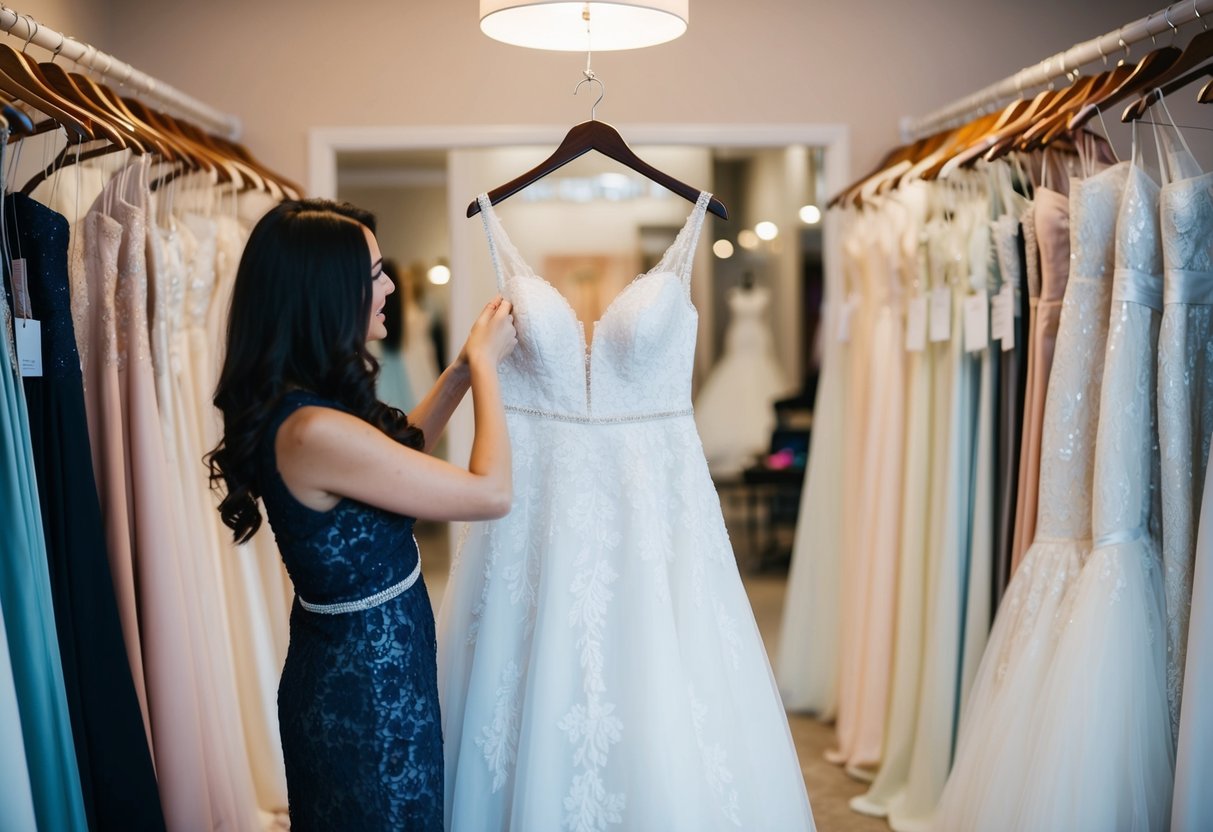
As you think about your wedding planning, consider how this decision affects your overall budget. The cost of a wedding dress can range significantly, so having clarity on who is responsible can make a big difference. Whether it’s your family, your fiancé, or even yourself, knowing this helps set expectations and reduces stress as you move forward.
Weddings bring up many expenses beyond just the dress, making it essential to plan carefully. By discussing who pays for the wedding dress early, you can make informed choices about your budget and style preferences. This way, you can focus more on enjoying your special day and less on financial worries.
Traditions and Responsibilities
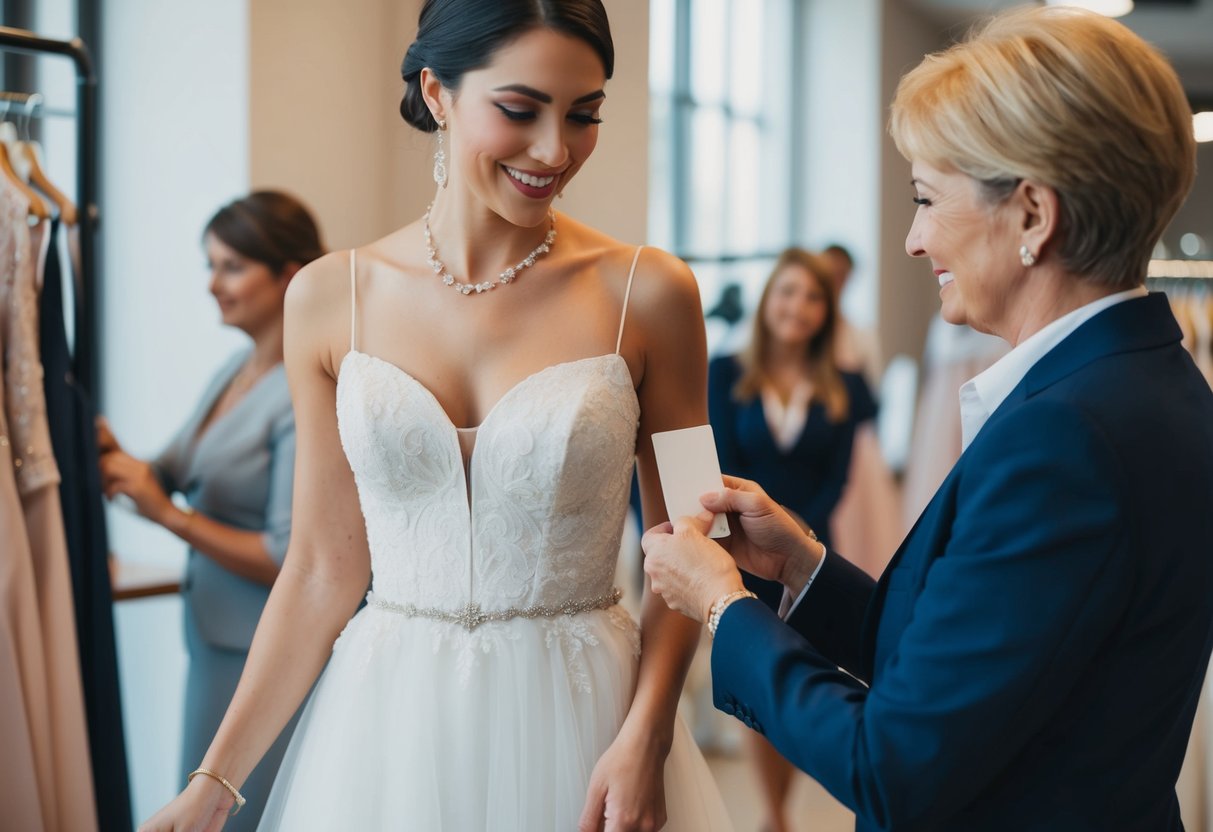
When planning a wedding, understanding who pays for the bride’s dress is important. This responsibility often ties back to family traditions and the shared expenses of the celebration.
The Role of the Bride’s Family
Traditionally, the bride’s family is responsible for buying the wedding dress. This custom comes from the belief that the family supports the bride on her special day.
In many cases, the bride’s parents cover the cost of the gown. They may also pay for accessories like the veil and shoes. Sometimes, other family members, such as grandparents or aunts, may help out. This shared responsibility can strengthen family bonds and allow for involvement in the wedding planning.
Engagement and Wedding Celebration Expenses
Wedding expenses can add up quickly. Apart from the dress, there are other celebrations leading up to the big day. You might have an engagement party, bridal shower, and rehearsal dinner, each with its own costs.
Typically, the bride’s family covers these expenses too. However, many couples today choose to share the costs. This approach can ease financial pressure and allow for personal preference in planning.
Understanding these traditions helps clarify your expectations. It also opens the door for conversations with family members about contributions to your wedding.
Shopping for the Perfect Dress
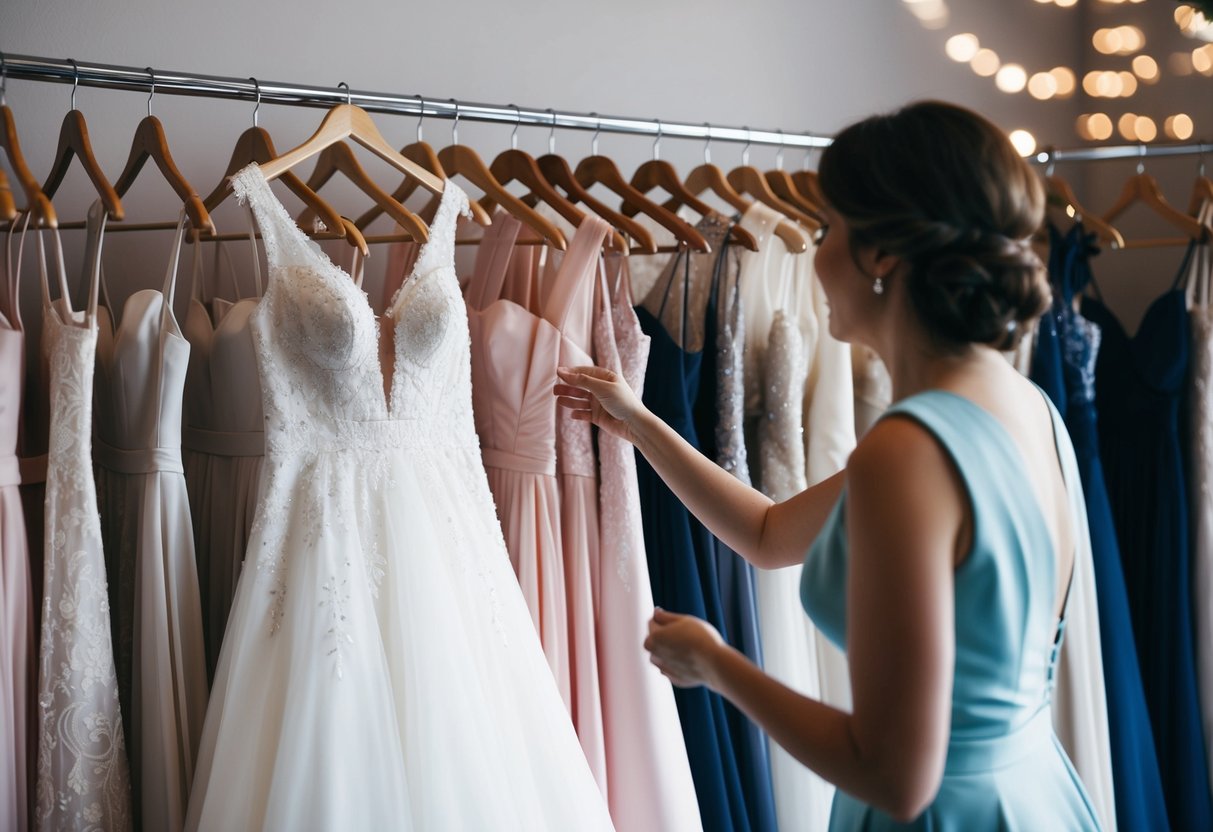
Choosing the perfect wedding dress involves careful planning, an understanding of options, and a focus on your personal style. This process can be exciting but requires attention to important details to ensure you find a gown that fits your vision.
Setting a Budget for the Dress
Before diving into wedding dress shopping, it’s crucial to set a budget. Determine how much you can realistically spend on your dress. This amount should include not just the gown but also accessories like veils and shoes.
Here’s a simple way to approach budget planning:
- Dress Cost: Allocate a significant portion for the gown itself.
- Alterations: Reserve funds for necessary adjustments.
- Accessories: Don’t forget about the cost of additional items.
Being clear about your budget helps narrow down options and makes the shopping experience smoother.
Exploring Options for Wedding Attire
Your wedding gown can come in many styles and price ranges, so exploring options is essential. Visit different bridal shops and check out both local boutiques and larger retailers.
Look for:
- New Dresses: Traditional but can be pricey.
- Sample Sales: Often offer steep discounts on stunning gowns.
- Second-Hand Gowns: These can be affordable wedding dresses that still look beautiful.
Don’t forget to check online options. Websites often have lovely selections at lower prices.
Personal Preferences in Selecting Bridal Gowns
Selecting your bridal gown should reflect your unique style and personality. Think about what silhouettes, fabrics, and colors you love. Are you drawn to classic lace or modern sleek designs?
Consider:
- Style Preferences: Determine if you prefer a ball gown, A-line, or fitted style.
- Fabric Choices: Popular options include satin, tulle, and chiffon.
- Comfort: Make sure to choose a dress you can move in.
Incorporate these personal touches to help your gown feel special. This is your day, and your dress should be a perfect fit for you!
Modern Considerations

In today’s world, how couples choose to handle the purchase of a wedding dress often reflects broader social changes. These changes include financial independence and a more collaborative approach to wedding planning. Let’s explore these important aspects.
Financial Independence and Personal Choice
Many brides today prefer to buy their own wedding dress. This shift highlights financial independence and the desire for personal choice. With more brides earning their own income, they feel empowered to select a dress that mirrors their unique style.
This freedom allows for better control over the budget and design. You can set a price range that feels comfortable. Also, buying your own dress means you can choose fabrics, colors, and styles without outside pressure. It’s about what makes you happy on your special day.
Collaborative Approach in Wedding Planning
Another trend is the collaborative approach in planning weddings. Couples now often share costs and participate together in decisions, including the dress purchase. This teamwork fosters openness and understanding about financial responsibilities.
You might sit down with your partner or family to discuss the budget for the dress. This way, everyone can contribute according to their ability. This not only makes the process smoother but also strengthens relationships. Sharing this experience can create lasting memories as you plan your big day together.
Other Wedding Costs and Contributions
When planning a wedding, it’s important to consider various costs beyond the bride’s dress. Contributions from both families and detailed allocations for necessary expenses play a significant role in the budget.
Groom’s Family and Attire Expenses
Traditionally, the groom’s family helps cover certain costs associated with the wedding. This often includes expenses for the groom’s attire, which can range from renting to purchasing a suit.
You might find that rentals are more budget-friendly, usually costing around $100 to $300. The groom may also want to include accessories like shoes and ties, which can add another $50 to $150.
In addition to attire, the groom’s family can contribute to other expenses such as wedding rings. These can be a significant part of the budget, often ranging from $500 to several thousand dollars, depending on the style and material chosen.
Allocating Funds for the Entire Event
The bride’s family traditionally covers many costs, but the groom’s family also plays a role in overall funding. This can include paying for the officiant’s fees. These fees can vary from $100 to $500 or more, based on experience and location.
You should also factor in the marriage license, typically costing between $20 and $100. Plus, many couples set aside a portion of their budget for wedding party gifts. These often cost about $25 to $75 per gift.
Don’t forget about the honeymoon, as this can be a major expense too. Budgeting wisely and discussing contributions together can help keep everything on track.