
Who Buys the Brides’ Wedding Ring? Understanding the Tradition and Roles in Ring Selection
When choosing wedding rings, many couples wonder about the traditional roles in the purchase. Traditionally, the groom buys the bride’s wedding ring. This practice not only shows commitment but also deepens the meaningful exchange during the wedding ceremony.
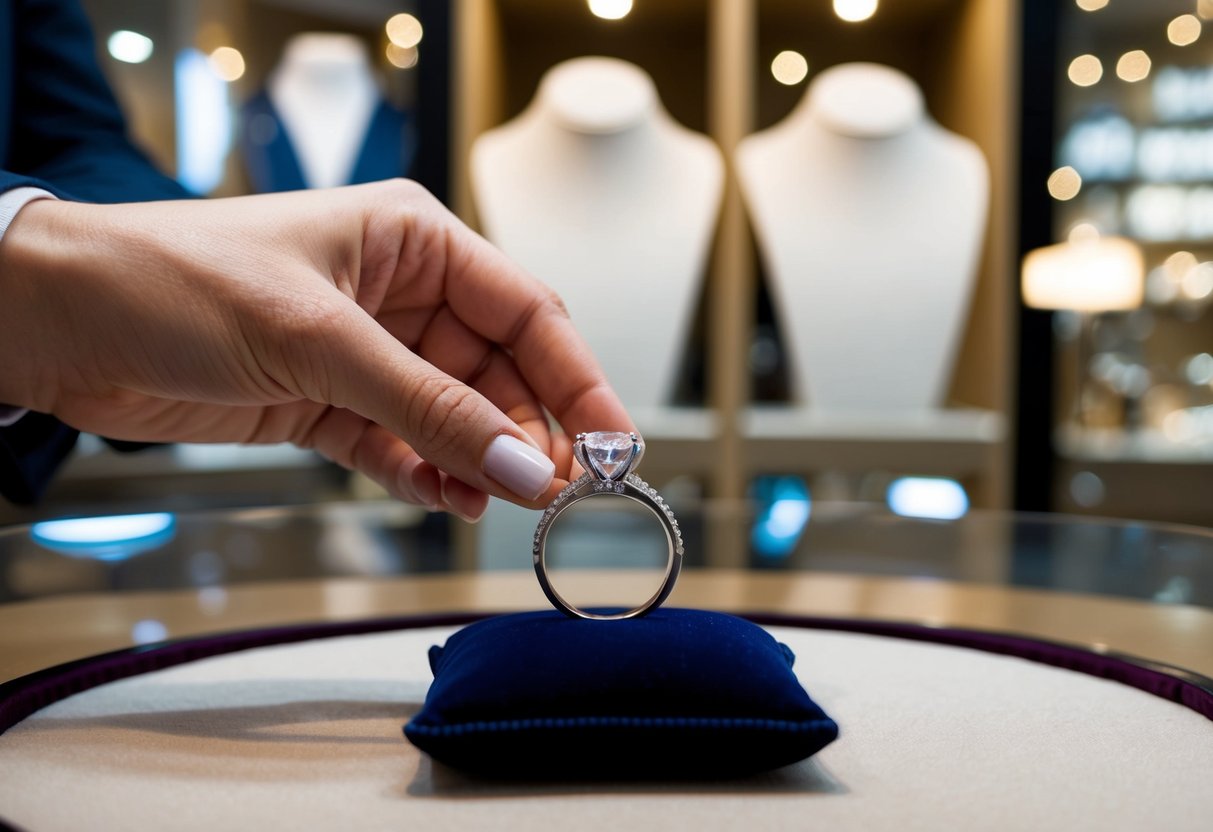
However, modern couples are redefining these roles, often sharing the costs or even collaborating on ring choices. You might be surprised to learn that how you approach this depends on your wedding budget and personal preferences. The joy of selecting rings together can add to the excitement of your upcoming celebration.
Understanding who buys the wedding bands helps clarify expectations and promotes open communication with your partner. Whether you stick to tradition or create your own way, the most important thing is celebrating your love and commitment.
Traditions and Etiquette
When it comes to who buys the bride’s wedding ring, both tradition and modern practices play a significant role. Understanding these can help you navigate this important part of your wedding planning.
Historical Overview
Traditionally, the groom was responsible for purchasing both the engagement ring and the wedding band for the bride. This practice dates back centuries and symbolizes his commitment and financial stability. In many cultures, the rings also represent a promise of fidelity.
In some societies, the bride’s family would contribute by affording the rings as part of the marriage dowry. This reflects the long-standing gender roles and expectations surrounding marriage.
Such customs can vary widely depending on cultural background. It’s fascinating how these historical norms shaped your expectations around wedding rings.
Modern Practices
Today, the decision of who buys the bride’s wedding ring often depends on personal preferences rather than strict traditions. Many couples now choose to share this responsibility, showing a shift in gender roles and expectations.
It’s common for couples to discuss their budget and preferences together, promoting equality in the decision-making process. Some may even decide that the bride will select and buy her own ring.
Additionally, options like co-purchasing or even having an engagement ring that doubles as a wedding band reflect modern practices. Customization and personalization play a key role in today’s ring exchange, allowing for meaningful expression within each couple’s unique relationship.
Financial Considerations
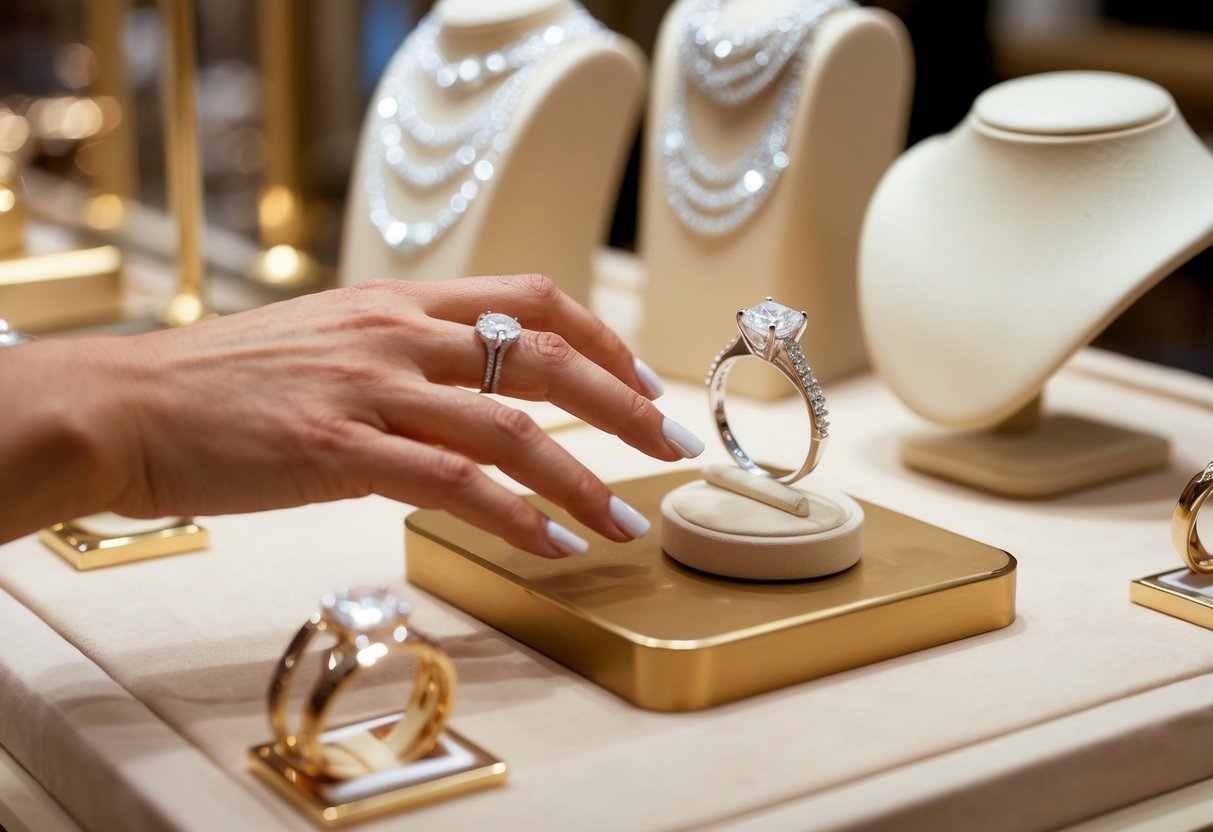
Planning for wedding rings involves several financial factors that you should consider. Understanding your budget and how to approach this purchase can help you make informed decisions.
Budgeting for Rings
The cost of wedding rings can vary widely based on materials, design, and brand. It’s essential to set a clear budget before you start shopping. You might want to list your priorities, such as style and metal type.
Consider the following:
- Average Prices: Wedding bands can range from a few hundred to several thousand dollars.
- Setting Priorities: Think about features that matter most to you, like diamonds or unique settings.
- Additional Expenses: Remember that wedding expenses don’t end with rings; consider other costs like the venue or catering.
By breaking down these factors, you can ensure you stay within your planned limits while still finding rings you love.
Joint Investment and Planning
Buying wedding rings can be a joint investment for you and your spouse. Together, you can create a plan that addresses your financial situation and preferences.
Here are a few tips:
- Open Communication: Discuss your budget and preferences honestly to avoid misunderstandings.
- Pooling Resources: Consider combining finances for this special purchase. This can make it easier to afford what you want.
- Cost-Sharing Options: Some couples choose to split the cost of their rings, while others may opt for individual purchases based on personal finances.
Working together not only makes the financial side easier, but it also strengthens your bond as you prepare for your future together.
Selecting the Perfect Ring
Choosing the perfect wedding ring requires careful thought. You want to consider materials, size, and style to find something that reflects your personal taste and fits comfortably.
Ring Materials
When selecting a wedding ring, the material plays a big role in both look and durability. Popular choices include gold (yellow, white, and rose), platinum, and even alternative gemstones for a unique touch.
- Yellow Gold is classic and timeless, appealing to many who appreciate tradition.
- White Gold offers a modern look, often paired with diamonds for a sleek finish.
- Rose Gold adds warmth and romance, making it a trendy choice.
- Platinum is durable and hypoallergenic, perfect for those with sensitive skin.
Think about your lifestyle too. If you lead an active life, consider sturdier materials like platinum that can withstand daily wear.
Size and Engraving
Getting the right ring size is crucial for comfort. To ensure a proper fit, consider having your finger measured at a jewelry store. Remember, your fingers may swell a bit in different temperatures, so try to measure when they are at a normal temperature.
Engraving is another thoughtful touch. You can add a special date, initials, or a small phrase that means a lot to you. This personalizes your ring and adds significance, making your wedding ring even more special to wear every day.
Matching Styles and Sets
Selecting a matching wedding ring set can create a harmonious look. Your ring should complement the engagement ring, forming a cohesive style.
Consider styles that go well together. For example, you can pair a diamond-studded engagement ring with a simple wedding band to create balance.
If your partner wears a men’s wedding band, think about matching materials or finishes for a unified look.
Always keep your personal preferences in mind. Whether you lean toward classic styles or unique designs, prioritize what feels right for you.