
Who Buys the Woman’s Wedding Band? Understanding the Tradition and Choices
Choosing a wedding band can be one of the more exciting moments in wedding planning. But it also raises the question: who actually buys the woman’s wedding band? Traditionally, the groom buys the bride’s wedding band, alongside the engagement ring. This custom stems from longstanding traditions, but many couples today are approaching this decision differently.
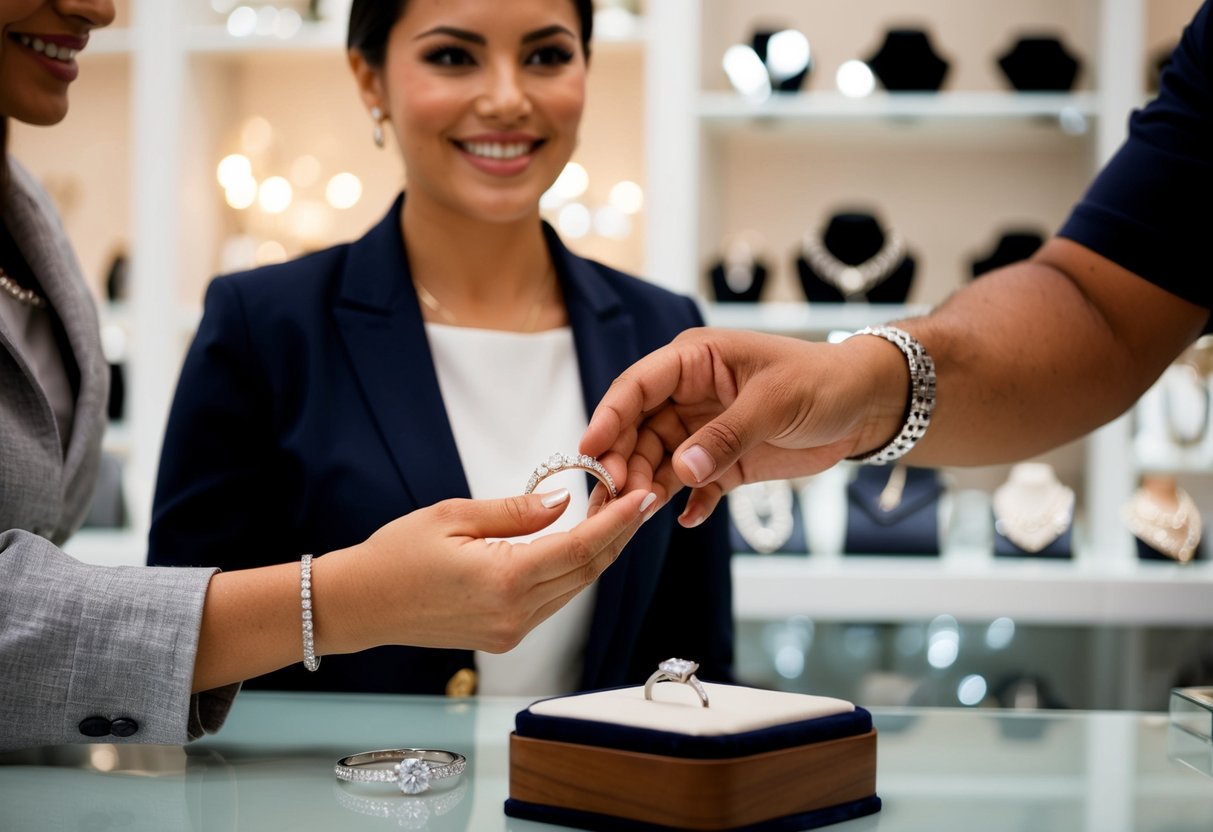
In modern relationships, it’s becoming more typical for both partners to contribute to the cost of their wedding bands. This shift allows couples to align their preferences and budgets. Whether you’re keeping with tradition or paving your own path, the decision should reflect your mutual understanding and style.
As you consider how to tackle this purchase, remember that the most important thing is what feels right for you and your partner. Your wedding band is a symbol of your commitment, so make it a decision filled with joy and reflection of your love.
Understanding Wedding Band Traditions
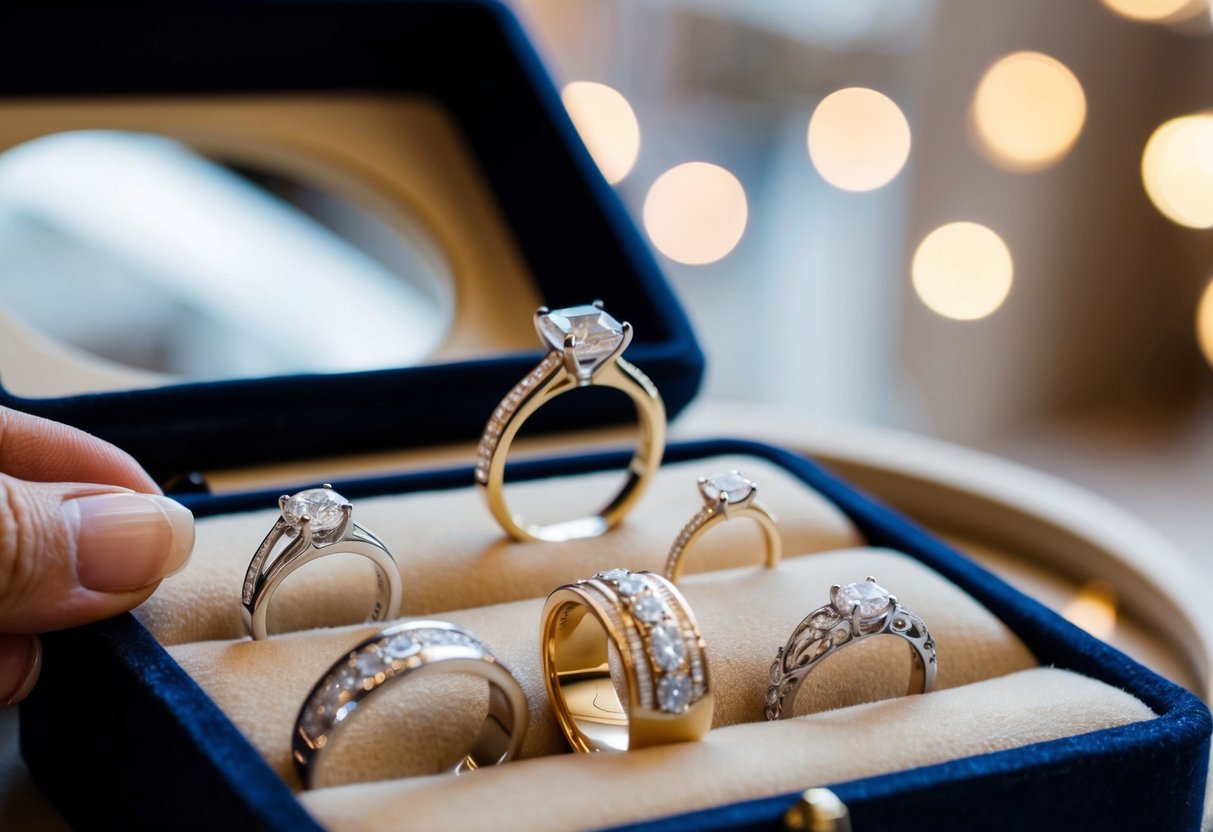
Wedding bands symbolize love and commitment, carrying deep meanings that vary from culture to culture. Traditions surrounding who buys the wedding band have shifted over time, reflecting changes in societal norms and personal expressions of love.
Historical Perspective on Wedding Bands
Traditionally, the groom buys the bride’s wedding band. This practice has ancient roots, often seen as a representation of his promise and commitment. In some cultures, the bride’s family played a role in purchasing the bands, mainly due to financial customs and social expectations.
The exchange of rings goes back thousands of years. Ancient Egyptians wore rings made of braided reeds and leather. Over time, they evolved into precious metals, symbolizing permanence and loyalty. The idea of wearing the ring on the fourth finger, believing it contained a vein that leads to the heart, also emerged from history.
Modern Interpretations of Tradition
Today, buying wedding bands can be a shared decision between partners. Couples may choose to buy their own rings or split the costs. This modern take highlights equality and personal choice, stepping away from rigid traditions.
You might also discover that some opt for non-traditional styles. Instead of matching bands, couples can select unique rings that fit their personal tastes. Other influences include cultural backgrounds and financial situations, which also shape who buys the wedding band.
Ultimately, what matters most is that the rings reflect the couple’s love and commitment, regardless of who purchases them.
Who Buys the Woman’s Wedding Band?

The decision of who buys the woman’s wedding band involves several factors. You can think about traditions, your financial situation, and personal preferences as you make this choice. It’s all about what feels right for you and your future partner.
Evaluating Traditions and Current Trends
Traditionally, the groom or their family buys the bride’s wedding band. This practice symbolizes their commitment. Some couples stick to this custom, while others prefer a more modern approach.
Many modern couples opt for joint purchases. This means both partners contribute, reflecting their partnership. It’s important to have a conversation about what feels comfortable for both of you. Discuss the traditions you value and how they fit into your relationship.
Considering the Couple’s Financial Situation
Your financial situation plays a significant role in this decision. Wedding expenses can add up quickly, so budgeting is essential. You might find it helpful to list out your wedding costs in a table format, considering items like:
- Venue
- Catering
- Flowers
- Attire
- Wedding bands
This can help you see where you stand financially. If money is tight, you may choose to buy rings together or even look for more affordable options. Remember that the band is a symbol, not a reflection of your worth.
Exploring Personal Preferences and Expectations
Personal preferences and expectations should also guide your decision. You and your partner may have different ideas about who should pay for the wedding bands.
Discussing expectations can clarify any misunderstandings. You might prefer a specific style or type of metal for your band. Making this purchase a shared experience can enhance your connection. Consider shopping together for the rings to make it memorable and fun.
Factors to Consider When Buying Wedding Bands
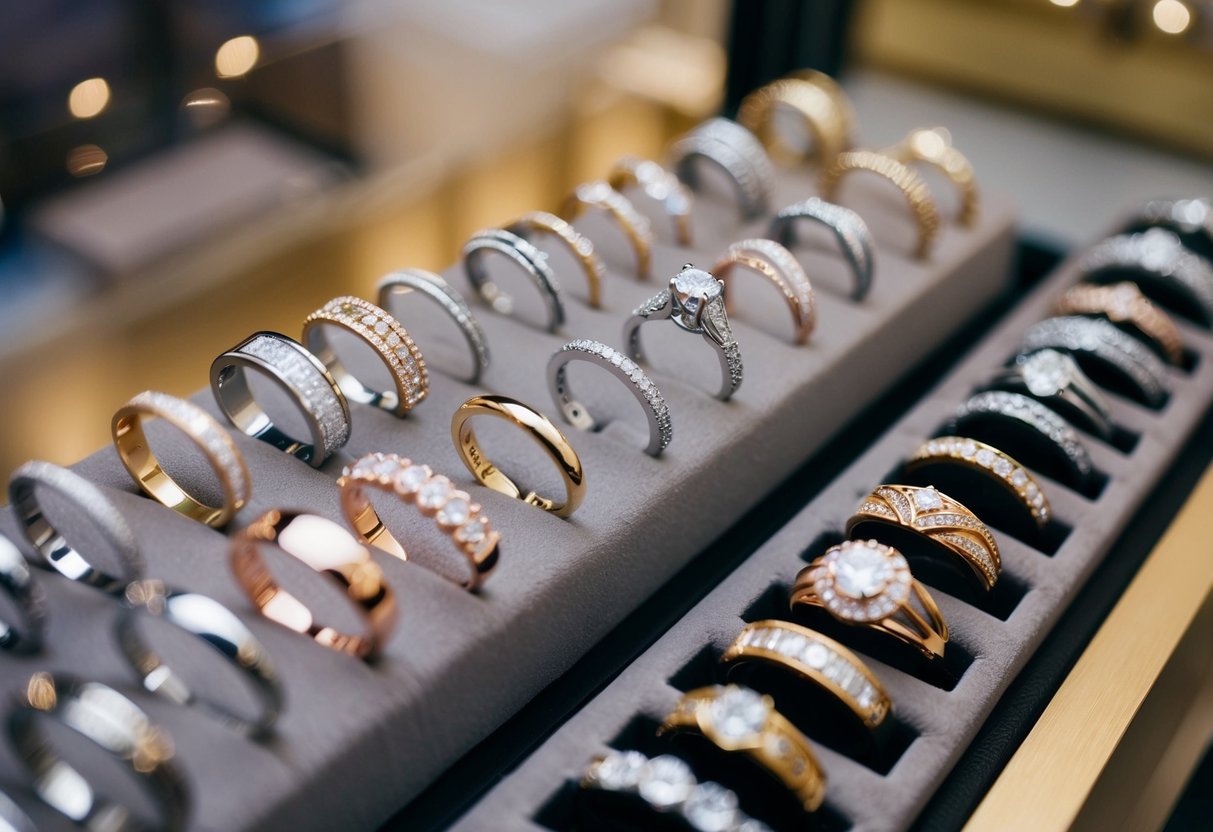
When you’re ready to buy wedding bands, a few essential factors come into play. These include budgeting wisely, choosing the right metal and style, and determining the perfect ring size. Each decision can affect your overall satisfaction with the rings.
Budget and Wedding Expenses
Setting a budget for wedding bands is crucial. Many people overlook this when planning their wedding expenses. Consider how much you can comfortably spend without stretching your finances.
The average cost of women’s wedding bands can vary. You might find options ranging from $600 to $1,200. Decide if you want to invest more in higher-quality materials or prefer to keep it simple.
Make a list of your prior expenses. Include costs like the venue, dress, and catering. This way, you can see how much is available for the rings after covering other important aspects.
Choosing the Right Metal and Style
The choice of metal can significantly influence the look of your wedding band. Popular options include gold, platinum, and white gold. Each metal has its pros and cons regarding durability and appearance.
Gold offers a classic look and comes in various colors, like yellow and rose. Platinum is more refined and durable, making it an excellent choice for daily wear. Consider your lifestyle when selecting a metal.
Also, decide on the style that fits your personality. Some prefer a simple band, while others choose intricate designs. Matching wedding bands can also enhance your connection with your partner.
Determining the Correct Ring Size
Getting the right ring size is essential for comfort and longevity. It’s best to measure your finger at different times of the day, as sizes can fluctuate due to temperature and activity.
You can visit a jewelry store for professional sizing. Alternatively, use a printable ring size guide at home to measure. Be sure to check sizing for both the engagement ring and wedding band.
If buying online, confirm the store’s return policy. This way, you can exchange the ring if it’s not the perfect fit. Keeping these points in mind will ensure you find a band you love.
The Process of Purchasing Wedding Bands

Buying wedding bands is an important step in your wedding planning. It involves both partners, often leading to shared decisions and meaningful moments. Here’s how to navigate the process effectively.
Open Communication and Joint Decisions
Start with open communication about preferences and budgets. Discuss how you envision the rings and what styles appeal to you. This can include matching designs or unique personal touches.
Consider factors like metal type, stone choices, and engravings. It’s also important to talk about budget early on. Setting a range can help you make smart choices together and avoid financial stress.
Keep each other’s feelings and preferences in mind. Whether you’re considering a simple band or a more intricate design, each decision should reflect your shared love and commitment.
Visiting Jewelry Stores Together
Next, plan to visit several jewelry stores together. This can be a fun and exciting experience.
While shopping, pay attention to the atmosphere of each store. Some may have a more relaxed vibe, while others could be more upscale.
Try on different styles of wedding bands. It’s essential to find what feels comfortable and looks good.
Take your time and don’t rush the decision.
Ask about warranties and resizing options. Being informed about care and maintenance will help you enjoy your rings for years.
Getting the groom’s wedding band can also be part of this visit, allowing for a unified shopping experience.