
Who Buys Wedding Jewelry for Bride? Understanding the Role of Family and Friends
When it comes to buying wedding jewelry, many people wonder about the traditions and roles involved. Typically, the groom is expected to buy the engagement ring and wedding band for the bride, symbolizing love and commitment. This practice has deep roots in history, where these pieces represent not just beauty, but also a promise made during the wedding ceremony.
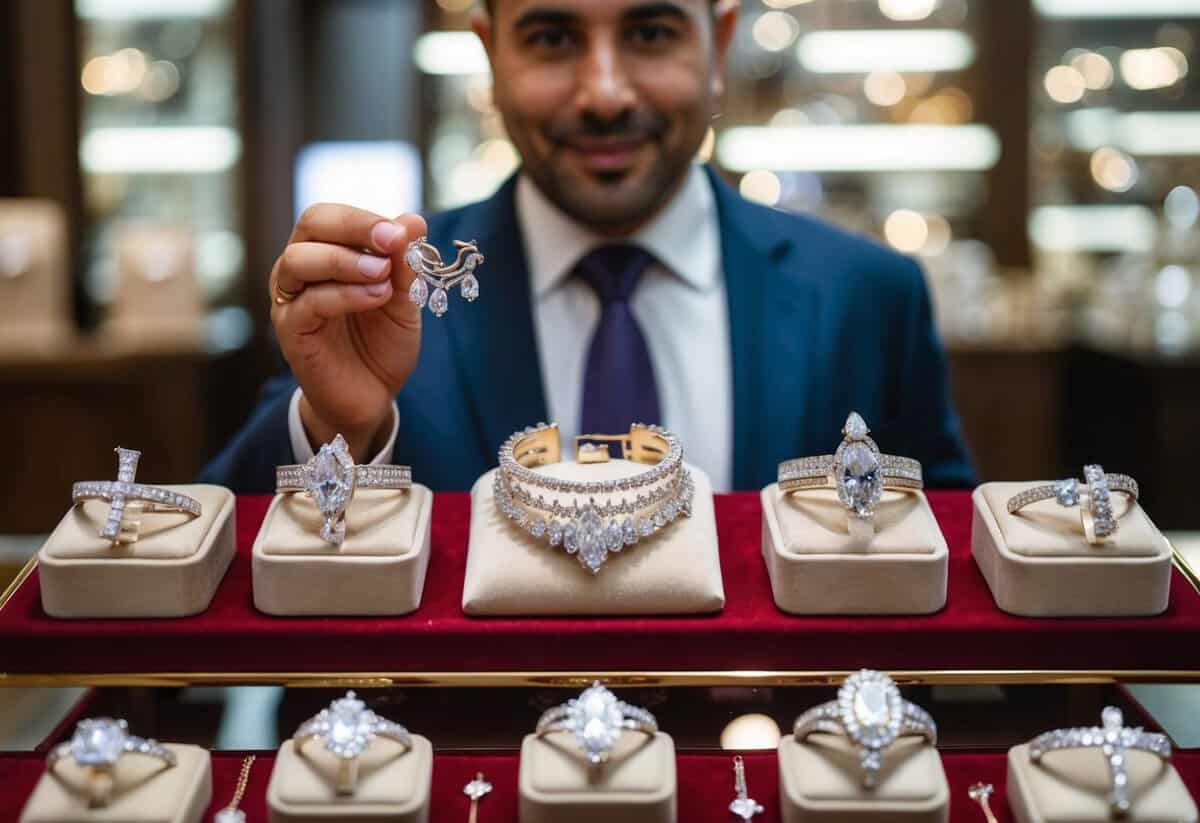
You might find that some couples decide to choose their rings together. This can make the experience more special as you both can select pieces that reflect your unique style and connection. Plus, sharing this moment strengthens your bond and ensures you both love the final choices.
Whether you’re focused on the engagement ring or the wedding band, understanding who buys these pieces is key. It’s a blend of tradition and personal choice, creating beautiful memories as you prepare for your big day.
Traditions and Responsibilities
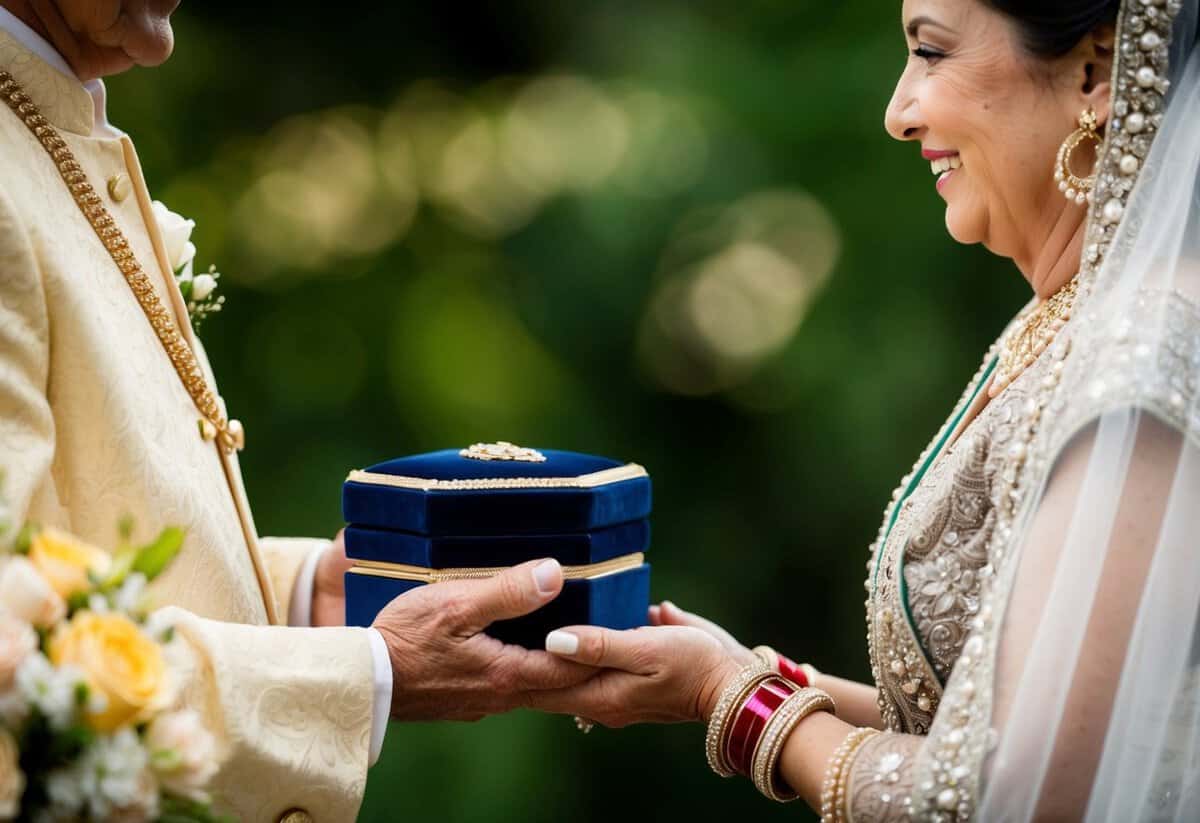
When it comes to wedding jewelry, traditions and responsibilities can vary greatly. Understanding these can help you navigate your choices more easily. Here’s a look at the historical context, modern etiquette, and cultural variations surrounding who buys wedding jewelry for the bride.
Historical Context of Wedding Jewelry
In ancient Egypt, wedding jewelry symbolized love and commitment. The groom often presented the bride with an engagement ring, typically made of gold. This tradition of gifting rings has roots in the belief that the circle represents eternity. Over the years, this practice evolved, leading to more elaborate wedding bands, which the groom usually buys.
In many cultures, the groom’s family also takes on the responsibility of purchasing the bride’s wedding band. This act symbolizes support and sets the stage for a new family bond.
Modern Wedding Jewelry Etiquette
Today, wedding jewelry choices have become more shared experiences. Many couples now prefer to browse and select the rings together. This shift reflects modern values of partnership and equality in relationships.
While the traditional roles often see the groom buying the bride’s wedding band, you may also find situations where both partners contribute financially. Discussing your preferences early can help avoid misunderstandings later.
It’s important to start the ring shopping at least 3-4 months before the wedding. This timeline allows you to explore options and make thoughtful selections that fit your style and budget.
Cultural Variations
Cultural traditions can greatly influence who buys wedding jewelry. In some cultures, the groom’s family is responsible for both the engagement ring and wedding band, while in others, both partners or their families might contribute.
For example, in some Asian cultures, the bride’s family may pay for her wedding jewelry, while the groom’s family does the same for his band. Recognizing these differences can be crucial, especially if you and your partner come from diverse backgrounds.
Understanding these traditions adds a personal touch to your wedding journey while honoring the customs that matter to you.
Financial and Lifestyle Considerations
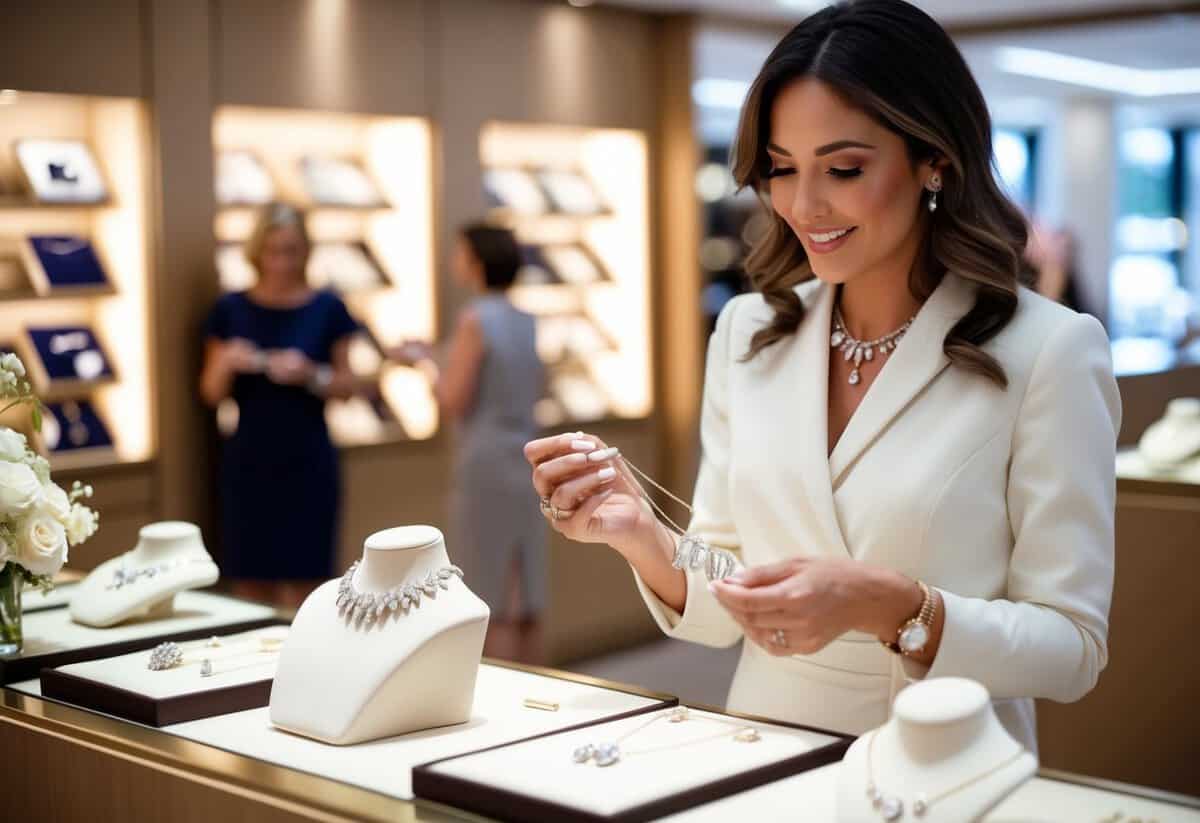
When it comes to buying wedding jewelry for the bride, financial and lifestyle aspects play a huge role. You need to think about your financial situation, how your jewelry can reflect your lifestyle, and the possibility of a joint investment in wedding bands.
Assessing Financial Situation
Before making any decisions about wedding jewelry, take a close look at your finances. Understanding your budget helps you know what you can realistically spend.
Consider setting limits for your wedding jewelry expenses. Make a list of all wedding costs, including venue, catering, and attire.
Here’s a simple breakdown to help guide you:
- Total budget for wedding: $10,000
- Jewelry allocation: 10% ($1,000)
- Engagement ring: $700
- Wedding band: $300
This approach will help ensure you stay within your means while still getting the jewelry you desire.
Jewelry Reflecting Lifestyle
Your personal style and lifestyle should influence your choice of wedding jewelry. Think about the type of metal and gemstones that match your everyday look.
For example:
- Do you prefer gold, silver, or platinum?
- Are you drawn to simple designs or ornate styles?
- Will your jewelry be suitable for daily wear after the wedding?
By considering your lifestyle, you can select pieces that will complement your outfits and can be worn long after the wedding. This makes your jewelry a lasting symbol of your special day.
Joint Investment in Wedding Bands
Many couples today opt to make a joint investment in wedding bands. This can help balance the financial responsibility and foster a sense of teamwork.
Discuss how much each of you is willing to contribute. You might decide to set up a joint fund where both partners contribute equally.
Here are some questions to ask:
- What styles do we both like?
- What is our combined budget for the rings?
- How will we handle any unexpected costs?
Being open and honest about finances can make the process enjoyable and fulfilling. Plus, you’ll both feel proud of your decision together.
Selecting the Perfect Wedding Jewelry
Choosing the right wedding jewelry involves several important factors. You’ll want to consider the materials, personalization options, and professional guidance to ensure your pieces complement your special day beautifully.
Materials and Craftsmanship
When selecting wedding jewelry, the materials you choose can truly enhance your look. Popular options include diamonds, gemstones, platinum, yellow gold, white gold, and rose gold.
- Diamonds are timeless and symbolize enduring love.
- Gemstones can be a personal touch, reflecting your favorite colors or meaningful connections.
Each metal offers a different style. Platinum is durable and has a modern feel. Yellow gold adds a classic warmth, while rose gold gives a romantic blush.
Consider the craftsmanship too. High-quality jewelry should have precise settings and finishes. Check for certifications to ensure you’re getting genuine materials.
Personalization and Engravings
Personalization adds a special touch to your wedding jewelry. You might think about engravings on rings or pendants. This can include initials, wedding dates, or short phrases that hold meaning for you.
Such engravings create symbolic connections to your relationship. They make your jewelry unique and personal. Many jewelers offer custom designs that can incorporate matching gemstones or motifs meaningful to you.
This level of personalization can elevate a simple piece to something truly extraordinary. Always discuss your ideas with your jeweler to explore options.
Professional Guidance and Sizing
Getting assistance from a professional jeweler can make a significant difference in your shopping experience. They can help you select pieces that fit your style and budget.
Sizing is crucial, especially when it comes to rings. It’s essential to get measured accurately. Don’t forget that fingers can swell, so take the time to choose the right ring size.
If adjustments are needed, most jewelers offer resizing services. This is important for ensuring comfort, especially on your wedding day. Trusting a professional for guidance can lead to successful wedding ring shopping without stress.
Care and Maintenance After the Wedding
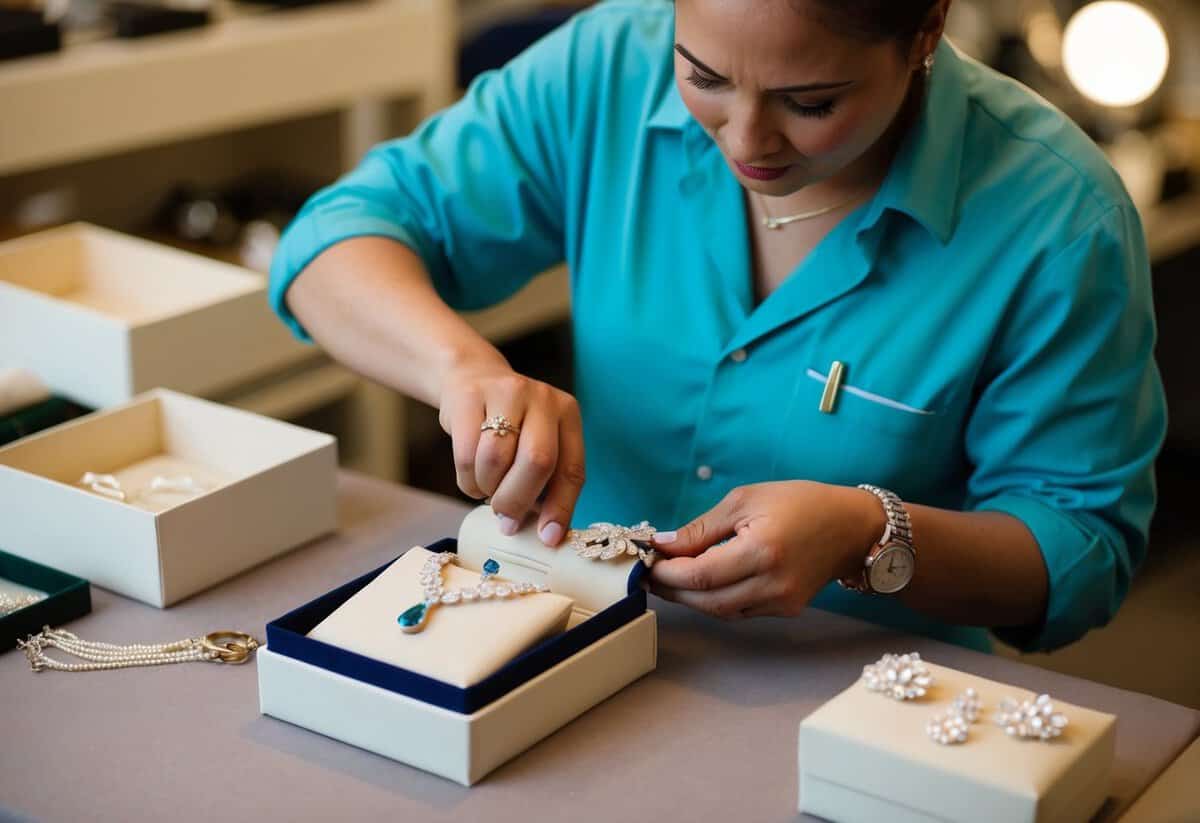
After the big day, you need to take care of your wedding jewelry to keep it looking beautiful. Here are some simple tips to maintain your precious pieces.
Regular Cleaning
Clean your jewelry regularly to remove dirt and oils. Use a soft cloth or a gentle solution of soap and water. Avoid using harsh chemicals that can damage the pieces.
Storage
Store your jewelry in a compartmentalized box to prevent scratches and tangles. Using soft pouches or individual slots will help keep pieces safe.
Professional Maintenance
Consider taking your jewelry to a jeweler for periodic checks. They can inspect for loose stones or signs of wear. This keeps your pieces in great condition and ensures your eternal love is well-preserved.
Wearing Your Jewelry
Don’t forget to wear your wedding jewelry on special occasions! It adds a sentimental touch to anniversaries and celebrations of love.
Care Tips
- Avoid wearing jewelry while swimming or doing heavy work.
- Remove pieces before applying lotions or sprays.