
Who Can Be a Solemnizer? Understanding the Requirements and Roles
When planning your wedding, it’s important to know who can solemnize a marriage. A solemnizer is someone legally qualified to conduct a wedding ceremony, which can vary depending on your location. This person can be a religious leader, a civil celebrant, or even a friend or family member in some states.
Understanding your options will help you choose the perfect person to make your special day official.

Marriage laws differ from one state to another, so it’s crucial to check the specific requirements where you live. Some states allow individuals to get a one-day designation to officiate a marriage, making it more accessible for loved ones to take on this meaningful role. This flexibility means you can personalize your ceremony in a way that truly reflects your relationship.
Finding the right solemnizer not only ensures that your legal wedding ceremony goes smoothly but also adds a personal touch to your vows. Whether you choose a professional or someone close to you, this choice can make your wedding day even more memorable.
Becoming a Solemnizer: Qualifications and Legal Requirements
To become a solemnizer, you need to meet certain qualifications and legal requirements. These can vary based on whether you are a civil officiant or a religious leader.
Legal Criteria for Civil Solemnisers
If you choose to become a civil solemnizer, such as a justice of the peace, you must meet specific legal criteria. In many states, you need to apply for a license or registration with your local government.
In Massachusetts, the Massachusetts General Laws provide guidelines on who can officiate a marriage. This typically includes judges and designated civil officiants.
Most importantly, you must ensure you file any required paperwork promptly, often within a certain number of days after the ceremony. This ensures your marriage is legally recognized.
Religious and Clergy Recognitions
For those looking to become a solemnizer through a religious organization, recognition from a recognized religious body is essential. This includes clergy such as priests, rabbis, and imams.
Each faith has its own requirements for ordination. Generally, you will need to provide proof of your ordination and registration with civil authorities.
You can also personalize wedding vows, making them feel special. Just remember that these vows must still meet the legal standards to be binding.
Friends or Family as One-Day Marriage Designees
In some states, you can have a friend or family member officiate your wedding for one day. This option allows you to personalize your ceremony further. They will need to meet specific requirements, such as completing an online certification process.
Make sure your chosen individual understands the legal responsibilities. They should know how to file the necessary records with the local government after the ceremony.
This option can create a memorable experience for you and your guests!
Understanding the Solemnization Process
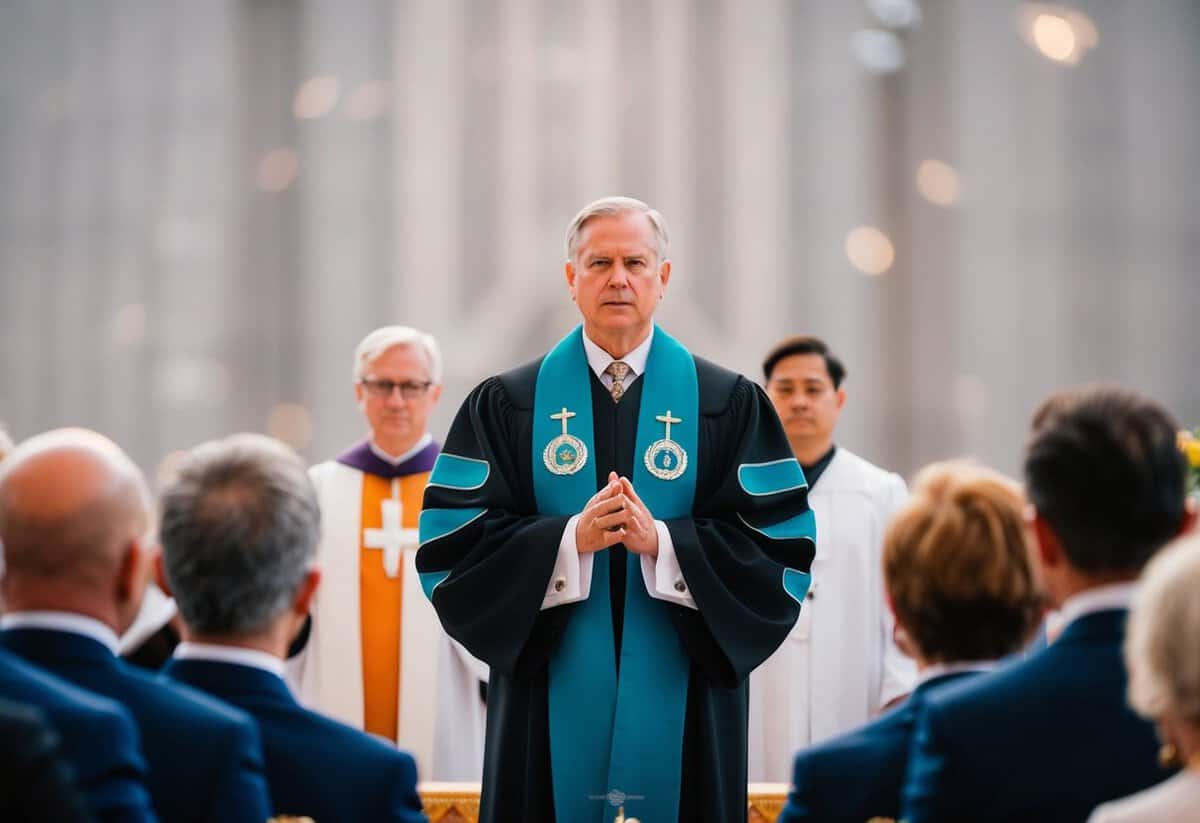
Solemnizing a marriage involves completing specific steps to ensure the ceremony is legally recognized. You need to handle legal documents and conduct the ceremony properly. Let’s explore what these steps entail.
Obtaining the Necessary Legal Documents
Before the solemnization ceremony, you must obtain a marriage license. This license is typically issued by a local government office or marriage registrar.
To get your license, you’ll need to provide personal information, like your names, ages, and sometimes identification.
Be aware of any waiting periods, as many places require you to apply a few days before the wedding.
Once you have your marriage license, keep it safe. You’ll need it during the ceremony. After the ceremony, ensure that the officiant signs the marriage certificate to complete the legal process.
Conducting the Marriage Ceremony
During the ceremony, the officiant plays a key role. This person can be a religious leader, a designated civil celebrant, or a marriage officer. Whichever you choose, make sure they are legally allowed to perform weddings in your area.
The ceremony usually includes the exchange of vows. Vows are personal promises between you and your partner, expressing your commitment. You can customize this part to reflect your beliefs and values.
Consider the type of ceremony you want. Civil ceremonies may be simpler, while religious ones can include specific traditions. Regardless of the style, clear communication with your officiant is essential to ensure that everything runs smoothly on your special day.
Who Can Solemnize Marriages: Examples by Jurisdiction
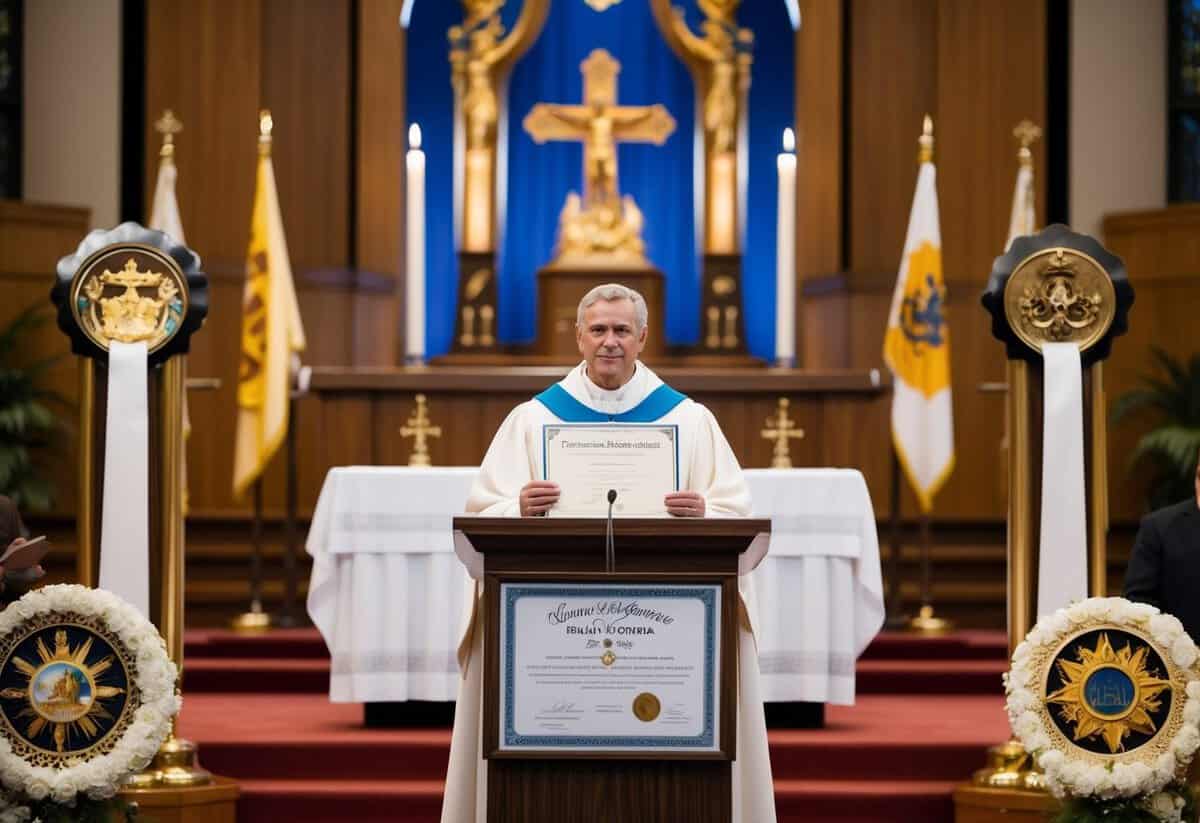
Different states have specific rules about who can solemnize marriages. Knowing these rules helps you choose the right officiant for your ceremony.
Requirements in Massachusetts
In Massachusetts, several types of individuals can solemnize marriages. This includes justices of the peace, ordained officiants, and licensed solemnizers. If you prefer a civil officiant, a justice of the peace is a great option.
To be a solemnizer in Massachusetts, an officiant must register with the city or town clerk. This registration ensures they meet the legal requirements. All couples must apply for a marriage license before the ceremony.
When choosing an officiant, consider their experience and style. Some may offer personalized ceremonies while others stick to traditional formats. Make sure to discuss your preferences ahead of time.
State Variations and Out-of-State Officiants
Marriage laws vary significantly from state to state, which can affect who can perform your ceremony. In some states, like California, county clerks can officiate weddings. In others, mayors or judges might have this authority too.
If you’re considering an out-of-state officiant, check if they are recognized in your state. Some states allow out-of-state officiants as long as they are legally authorized in their own state.
It’s essential to verify your officiant’s credentials and the legal requirements in your jurisdiction. For a smooth process, make sure everything is official before your big day.
Planning Your Wedding: Selecting the Right Solemnizer
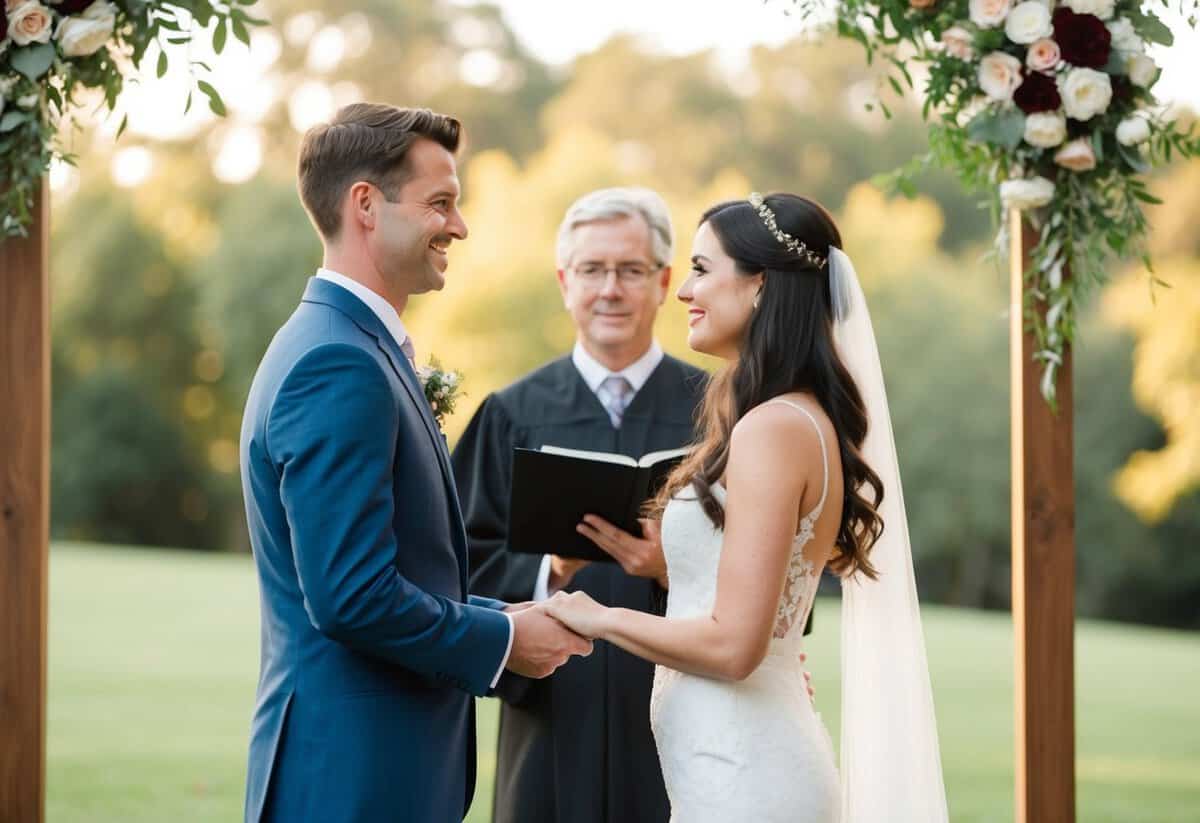
Choosing the right solemnizer is an important part of your wedding planning. This person will legally officiate your marriage and make your ceremony special.
When you select a solemnizer, you have a few options to choose from.
Religious leaders, such as priests, pastors, or rabbis, are ideal if you prefer a religious ceremony. Meanwhile, civil celebrants are a great choice for a non-religious ceremony. They can help create a personalized ceremony.
Some states also allow judges or other legal officials to officiate weddings.
Make sure your chosen solemnizer is registered to conduct legal ceremonies in your area. Check their credentials to avoid any last-minute surprises.
Next, think about where you want the ceremony to take place. You can hold it at the Registry of Marriages or choose a unique venue that reflects your style.
It’s also essential to confirm that your solemnizer can meet the date and time of your wedding. Communicate clearly about your vision for the wedding day.
Lastly, don’t forget to ask your solemnizer if they will handle the necessary paperwork for your legal marriage. This step is crucial to ensure you are properly married according to the law.