
Who Can Conduct a Marriage in Scotland? Understanding the Roles and Requirements
If you’re planning a wedding in Scotland, you might wonder who has the authority to conduct your marriage ceremony. In Scotland, both civil and religious ceremonies are allowed, and various individuals can perform weddings as long as they meet specific legal requirements. This gives you the flexibility to choose how and where you want to celebrate your special day.
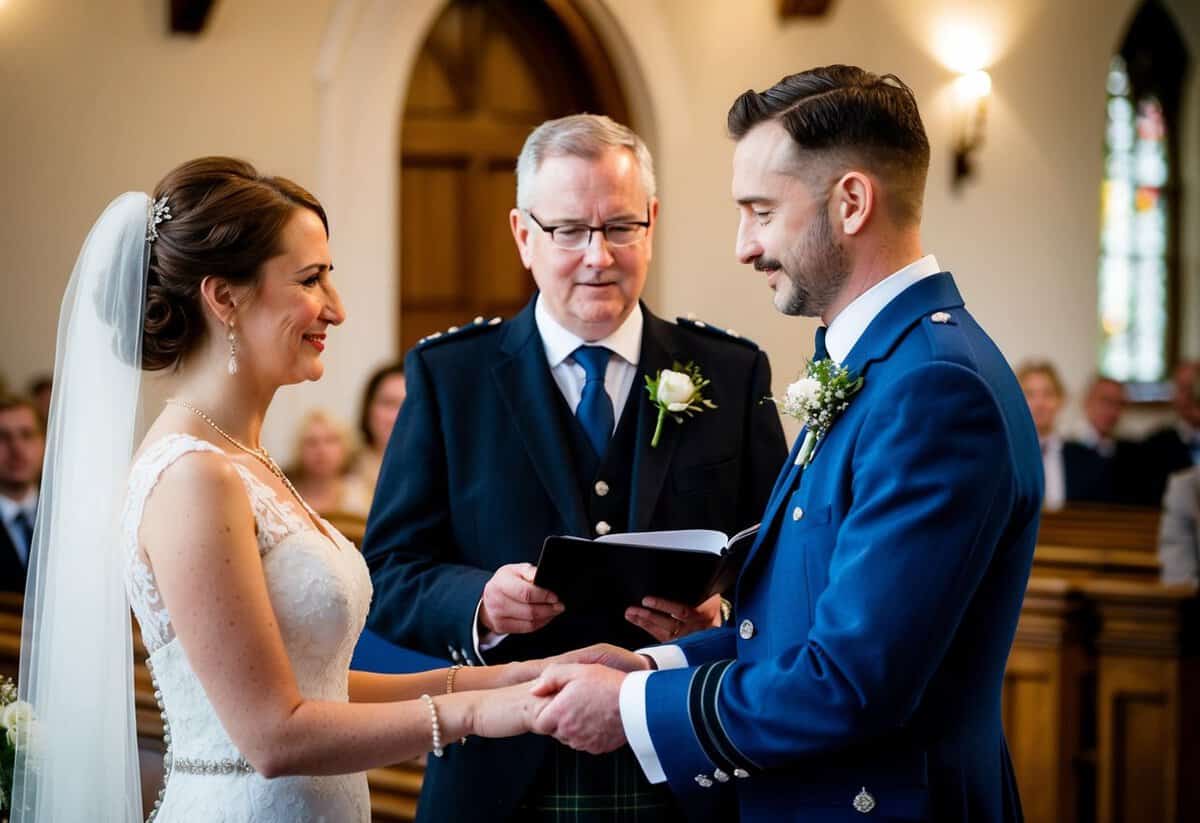
For a civil ceremony, a state registrar is authorized to conduct the event, which can take place at a registration office or another agreed-upon location. If you’re considering a religious ceremony, you can have a faith leader perform the wedding if they are officially registered as an officiant. Understanding these options is essential as you plan your unforgettable day in Scotland.
There’s more to know about the types of ceremonies, the necessary legal documents, and eligibility. By exploring the details, you can make sure your marriage is not only beautiful but also fully recognized under Scottish law. Let’s dive into who can officiate your wedding and what you need to get started!
Eligibility Criteria for Marriage in Scotland
Getting married in Scotland involves specific requirements you need to meet. Understanding these criteria helps ensure your wedding goes smoothly and legally.
Age and Consent
To marry in Scotland, you must be at least 16 years old. If you are under 18, you need parental consent. This means your parents or guardians must agree to the marriage. It’s a good idea to have a conversation with them about your plans.
In certain cases, if you have already had a previous marriage, you need to provide your decree absolute, which shows that your previous marriage has ended. This is essential for those who were once married, as Scots law requires clarity on marital status. Additionally, both partners must understand what marriage means and agree to the union freely.
Legal Documentation
Before you tie the knot, you’ll need to gather some important documents. First is your birth certificate, which proves your identity and age. If you’re not from the UK, a certificate of no impediment may also be necessary. This document shows you’re legally able to marry.
You will also need to complete a Marriage Notice, which is a form you submit to the local registry office. This form should be filed at least 29 days before your wedding. Make sure all documentation is accurate, as any issues could delay your special day.
Types of Marriages and Civil Partnerships
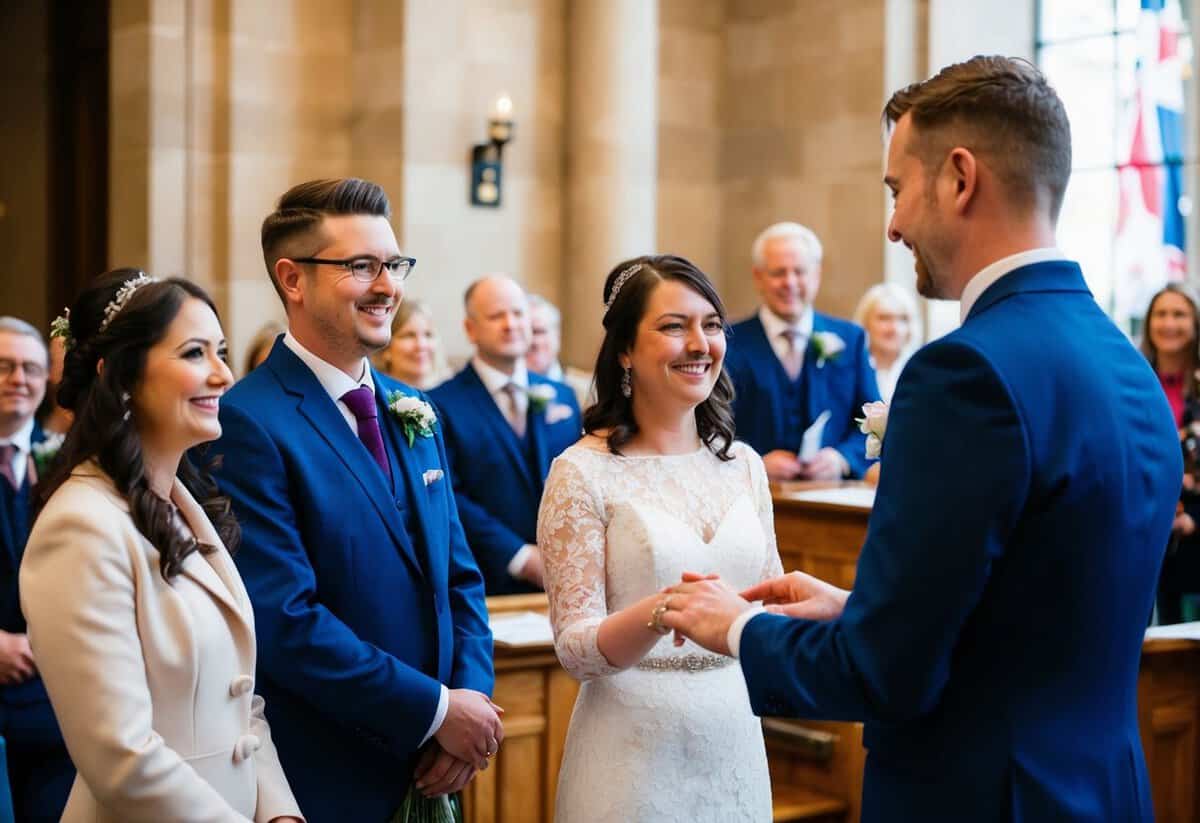
In Scotland, there are different ways to get married or enter a civil partnership. Each type has its own unique aspects, making them appealing to various couples. Here’s a closer look at the options available.
Civil Ceremonies
A civil ceremony is a non-religious option for couples looking to marry. It often takes place in a registry office but can also happen at other approved venues. During this ceremony, an authorized person conducts the wedding, which means you have the legal vows in place.
You will need to give notice of your intention to marry at least 29 days before the ceremony. The ceremony can be short and straightforward or include personal elements like readings and music. Civil ceremonies are open to all couples, including same-sex couples, and are a popular choice for those who prefer a more secular setting.
Religious and Belief Ceremonies
If you and your partner have a faith or belief that’s important to you, a religious or belief ceremony might be the right choice. These ceremonies are led by a religious leader or someone who is trained to conduct such services.
You can choose a traditional religious setting, like a church or temple, or even a location that holds special significance to your beliefs. These ceremonies not only fulfill legal requirements but also allow you to incorporate religious rituals and customs, making the day feel special. Remember to discuss your wishes with the officiant beforehand to ensure the ceremony reflects your beliefs.
Civil Partnerships
Civil partnerships provide legal recognition for couples who choose not to marry. This option was introduced in Scotland in 2004 and remains a popular choice for same-sex couples. You and your partner can register a civil partnership at a registry office or approved venue.
Like marriages, you must give at least 29 days’ notice before the registration. The civil partnership ceremony is similar to a wedding, where you will sign a legal document. It offers significant legal rights, making it a secure choice for couples who want to commit without the traditional marriage label.
Authorized Celebrants and Registrars
In Scotland, getting married involves two main types of people: registrars and approved celebrants. Each plays a crucial role in conducting your marriage ceremony in a way that meets legal requirements.
Registrar’s Role
A registrar is key to your marriage process. They are responsible for maintaining the marriage records and ensuring everything is legal. When you decide to have a civil ceremony, you’ll work closely with a district registrar.
Before your wedding, you will need to obtain a marriage schedule from the registrar. This document is essential, as it provides official permission to marry. You should contact your local registry office to arrange an appointment.
The registrar will guide you on the necessary paperwork, including identification and residency details. It’s important to communicate with them early in the process to avoid any last-minute issues.
Approved Celebrants
An approved celebrant can conduct a religious or belief marriage ceremony. They include ministers, humanists, and other individuals authorized by the Registrar General.
You have the choice to have your ceremony in a place of worship or a venue that suits you. Your celebrant will ensure the ceremony fits your personal beliefs and preferences.
When choosing an approved celebrant, ask about their experience and style. It’s essential to feel comfortable with your celebrant, as they will help create a memorable experience.
Remember to check if they are fully approved to perform marriages under the Marriage (Scotland) Act 1977. This guarantees that your ceremony will be both meaningful and legally binding.
Legal Formalities and Documentation
When planning a marriage in Scotland, it’s important to understand the legal steps and required documentation. This process ensures your marriage is recognized and valid under Scottish law.
Notice of Intention to Marry
To start the process, you must give a marriage notice to your local district registrar. You’ll need to fill out a marriage notice form, which includes essential details like your names, addresses, and the date of the marriage.
Both parties must submit their notices at least 28 days before the wedding. You can do this in person or by mail. If either of you has been married before, you may need to provide additional documents, like a divorce decree or death certificate.
Obtaining a Marriage Schedule
Once your marriage notice is approved, you will receive a marriage schedule. This document is crucial as it allows you to legally marry. It will include your names, the date of the ceremony, and the location.
Keep in mind, the marriage schedule is valid for three months. You need to present it to the person who will conduct your ceremony, whether it’s a registrar or an authorized celebrant.
If you’re having a religious ceremony, be sure that your officiant is an authorized celebrant. This ensures your marriage aligns with the Marriage (Scotland) Act 1977.
Issuance of Marriage Certificate
After you marry, you should obtain your marriage certificate. You can request this through your registrar.
The certificate is an official document that acts as proof of your marriage. It’s advisable to apply for at least one copy right after the ceremony, as you might need it for legal purposes, such as name changes or when applying for spousal benefits.
The registration will also be recorded in the Register of Marriages, which is vital for your legal records.