
Who Can Legally Marry a Couple Non-Religiously? Understanding Your Options
When planning a wedding, you might wonder who can legally marry you and your partner in a non-religious setting. An officiant who is recognized by your state can perform a legal marriage ceremony. This includes options like judges, local officials, or dedicated civil wedding officiants. This means you don’t have to go through a religious institution to make your union official.
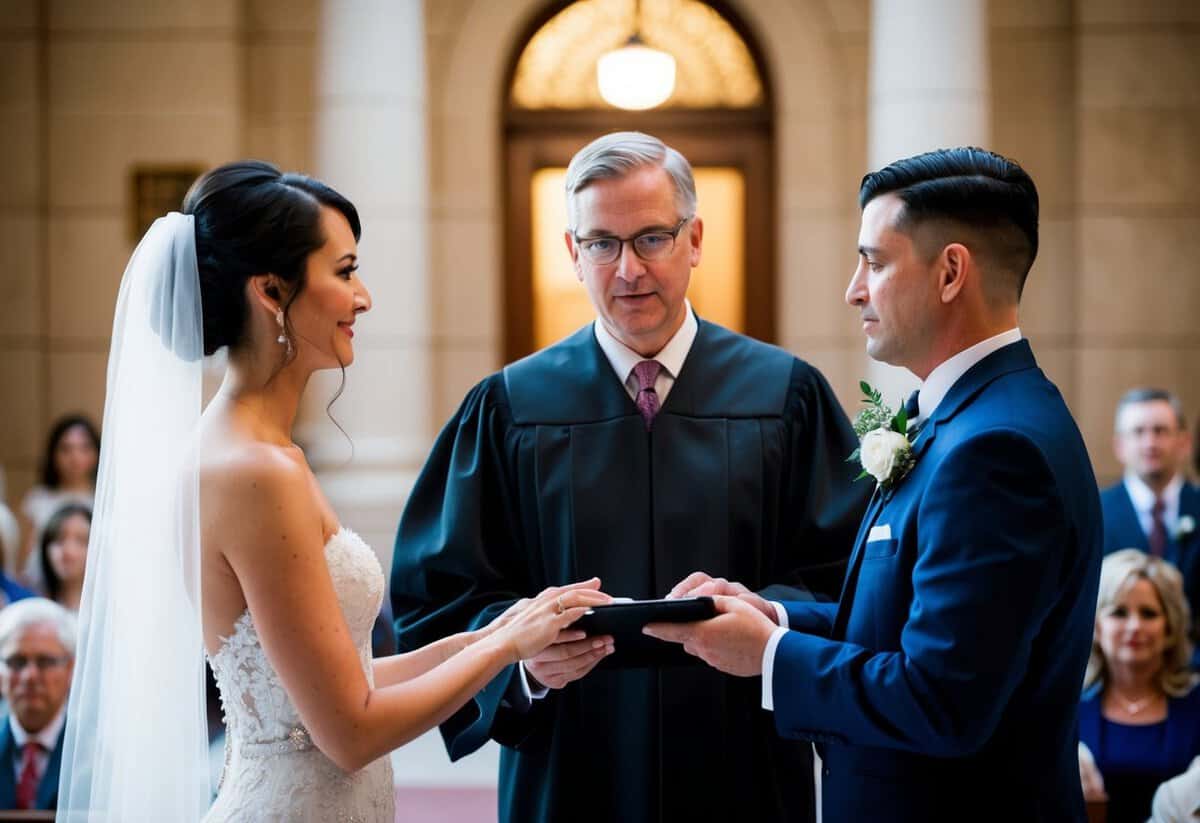
Many couples choose a secular ceremony for various reasons. It allows for more flexibility in how you want to express your love and commitment without adhering to religious customs. To ensure your marriage is recognized, you will need to obtain a marriage certificate from the relevant authorities, which typically involves following specific legal steps.
Understanding who can officiate your wedding is essential when planning your event. Whether you prefer a simple civil marriage or a more elaborate non-religious ceremony, knowing your options will help you create a meaningful day that reflects your values and relationship.
Qualification and Types of Secular Officiants
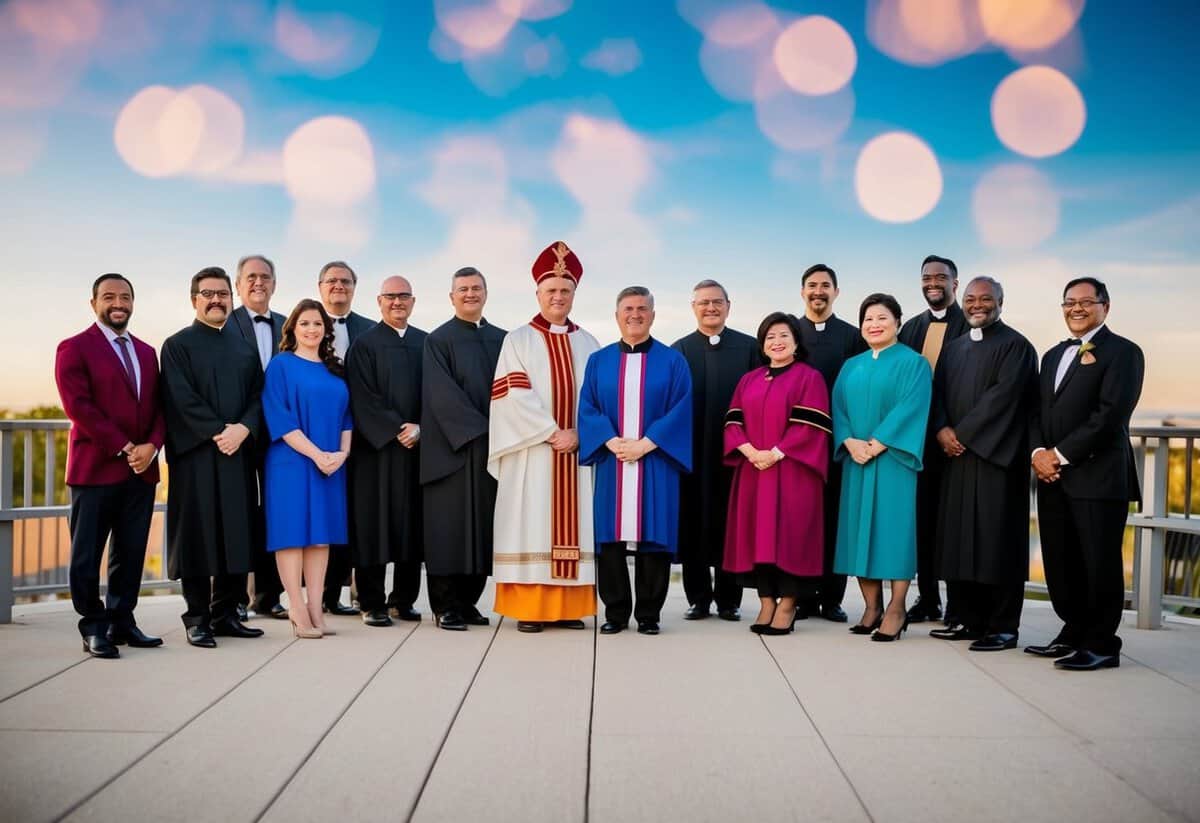
If you are considering a non-religious wedding, knowing who can officiate is essential. Various types of officiants can legally perform your ceremony, and understanding their qualifications helps you choose the right person for your big day.
Categories of Secular Officiants
Several categories of secular officiants can handle your wedding. Here are some common types:
- Justice of the Peace: This official can perform civil ceremonies and often requires minimal qualifications.
- Judges and Magistrates: Many judges, both active and retired, are allowed to officiate weddings.
- Civil Officiants: Professionals who perform non-religious ceremonies, often trained specifically for the role.
- Celebrants: These individuals help create personalized ceremonies, focusing on your story.
- Notaries Public: In some states, these licensed individuals can officiate weddings as well.
- Online Ordained Officiants: You can become an officiant through online ordination services, but check local laws!
Each of these officiants has their unique background and approach to ceremonies.
What Makes Someone Eligible to Officiate Non-Religious Weddings
To officiate a non-religious wedding, certain legal requirements must be met. Here are key eligibility criteria:
- Legal Status: Officiants, like justices of the peace or judges, must be recognized by the state as qualified to perform marriages.
- Licensing Requirements: Some areas require officiants to be licensed, which may involve training or registration.
- Online Ordination: If you choose an online officiant, ensure they follow state laws for legitimacy.
- Background Checks: Some states may require officiants to pass background checks to perform weddings.
It’s always wise to verify the legal requirements in your state to avoid any last-minute surprises.
Legalities and Documentation for Marriage
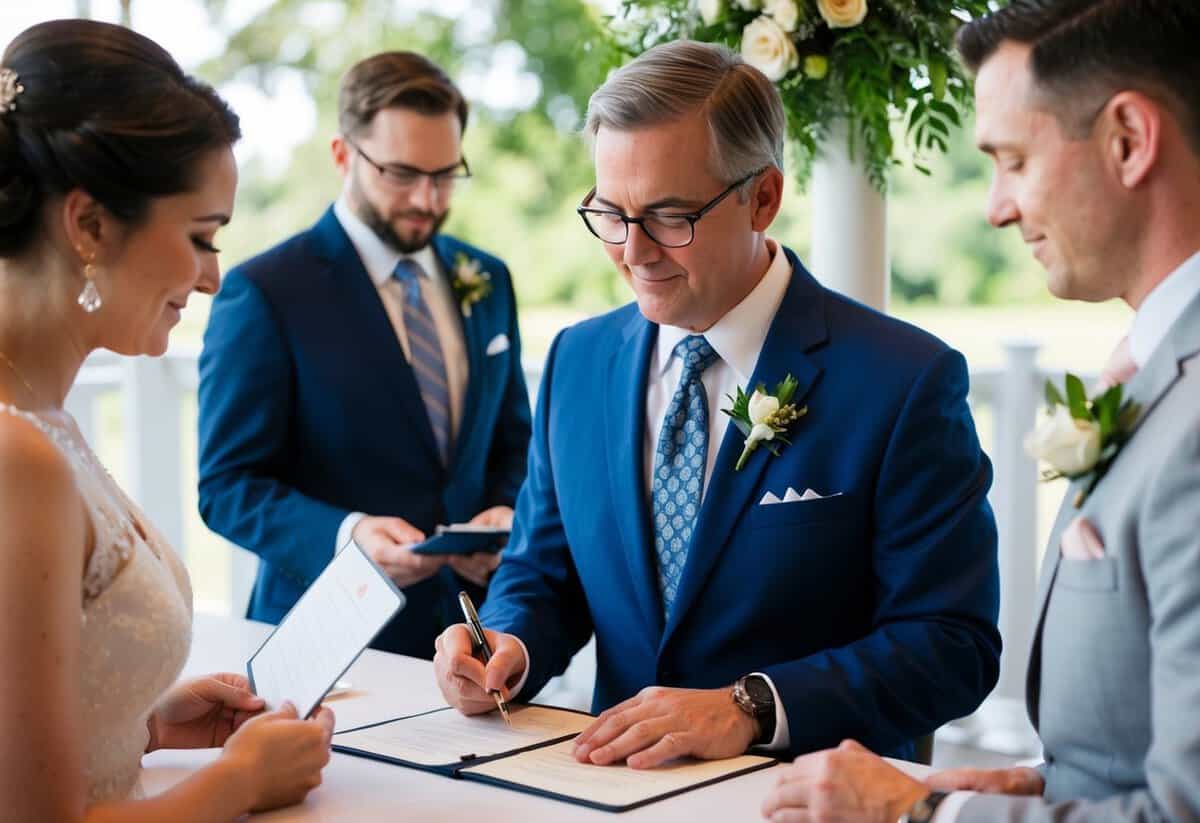
Navigating the legal side of marriage can seem complicated, but it’s essential to understand the requirements. You will need to obtain a marriage license and understand your local and state marriage laws to ensure everything goes smoothly.
Acquiring a Marriage License and Certificate
To get married legally, you need to acquire a marriage license. This license is usually available through your local court clerk’s office. Requirements often include:
- Both parties must be present to apply.
- Valid identification, like a driver’s license or passport.
- Payment of a small fee, which varies by location.
Once you have your marriage license, you can get married. After the ceremony, the officiant will file the signed license with the court. You’ll then be issued a marriage certificate, which officially documents your union. This certificate can be important for changing your name or for legal purposes.
Understanding Local and State Marriage Laws
Marriage laws can differ greatly by state and even by city. It’s important to research your local laws regarding marriage. Some key points to consider include:
- Waiting periods: Some states have a mandatory waiting period between applying for your license and the wedding date.
- Witness requirements: Certain states require witnesses during the ceremony.
- Self-solemnization: In some places, you can marry without an officiant or witnesses.
Check with your local court clerk for specific regulations that apply to your area. This will help you ensure you meet all legal requirements for your marriage.
Roles and Responsibilities of an Officiant
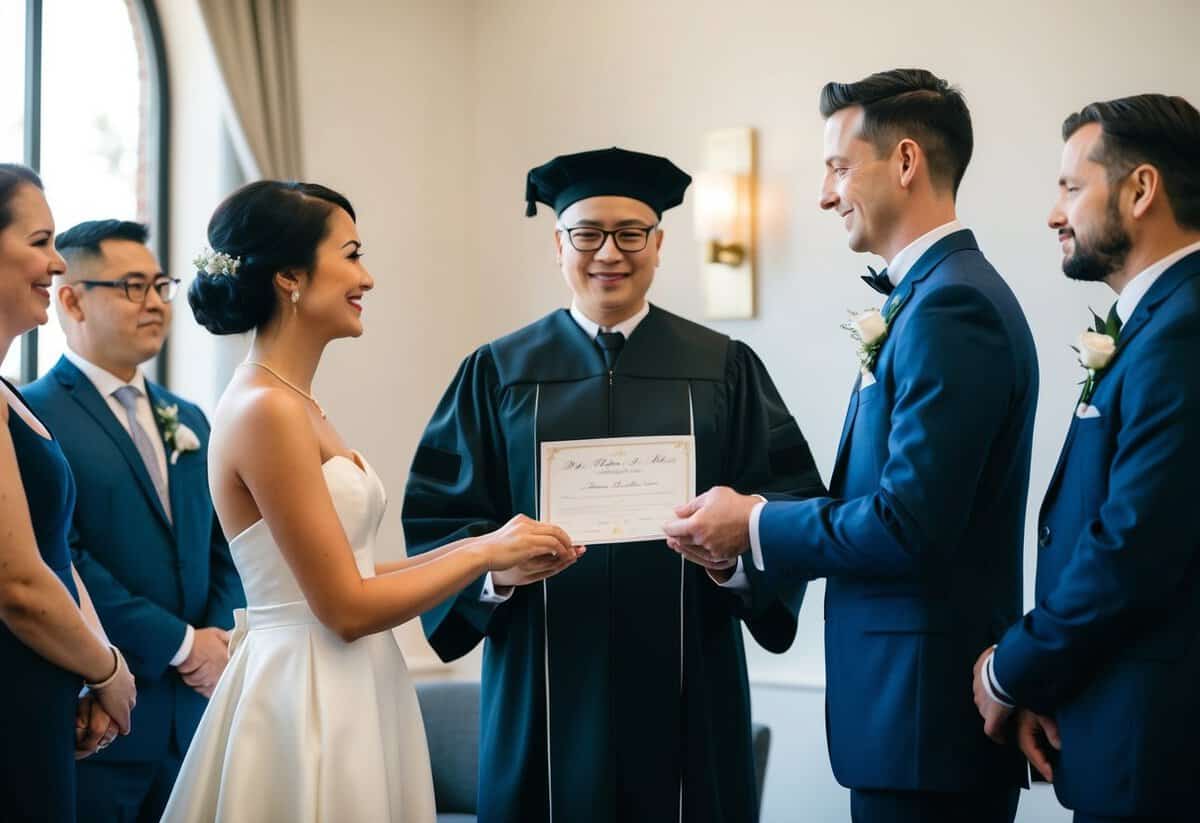
As an officiant, you have a very special role in the wedding ceremony. Your responsibilities include conducting the ceremony and ensuring everything runs smoothly before the big day. This section covers key duties that will help you create a memorable experience for the couple.
Conducting the Marriage Ceremony
When conducting the marriage ceremony, your role is crucial. You will officiate the wedding, guiding the couple and their guests through each step. It’s important to familiarize yourself with any legal requirements in your area related to marriage.
You should develop a ceremony script that reflects the couple’s personality and values. Include elements like vows, readings, and any special rituals they may want. Your comfort with public speaking will help engage the audience and create a heartfelt atmosphere.
During the ceremony, pay attention to pacing and clarity. Speak clearly and at a pace that everyone can follow. Remember to maintain a warm and inviting presence, as this will help the couple feel relaxed on their special day.
Pre-Wedding Preparation and Rehearsals
Preparation is key to a successful wedding. Before the ceremony, meet with the couple to discuss their vision. This is a good time to go over the ceremony preparation, including any specific traditions they want to include.
Scheduling a rehearsal is also important. During the rehearsal, guide everyone through the steps of the ceremony. This allows the couple and their wedding party to feel comfortable with the flow of events. Use this time to practice key phrases, where people will stand, and when to walk down the aisle.
Effective communication is essential throughout this process. Keep track of the couple’s preferences and make notes, so you can personalize the experience. Your attention to detail will make a significant difference in their wedding day.
How to Become a Legally Ordained Non-Religious Officiant

Becoming a legally ordained non-religious officiant is a straightforward process. You can achieve this through recognized organizations and by following the specific state requirements. Here’s how to get started.
Ordination Through Recognized Organizations
To start, you can obtain your ordination online through various organizations. Many of these platforms offer ordination that is legal and recognized in many states.
Some well-known options include:
- American Marriage Ministries (AMM)
- Universal Life Church (ULC)
These organizations typically provide you with an official certificate. This document proves your status as an ordained officiant, allowing you to perform non-religious weddings.
The best part is that the ordination process is often free or comes at a minimal cost. Make sure to check if the organization offers the type of ordination you need. This is key for ensuring it aligns with your state’s laws.
Meeting State Requirements and Registration Process
Each state has its own rules for officiants. You need to meet these requirements to be legally recognized.
First, research the specific laws in your state. For instance, some states require you to register as a minister, while others might not. You may also need to submit paperwork after your ordination.
Common steps include:
- Check your state’s requirements
- Complete any necessary applications
- Pay any associated fees
Don’t forget to keep copies of your ordination certificate. It can be useful for record-keeping or when applying for permits.
Being aware of the process helps ensure a smooth experience when you’re ready to officiate a wedding.